- When is the best time to visit Keystone?
- Keystone is the first major Colorado resort to open most years — opening day lands in mid-October, and Dercum is reliably top-to-bottom by Thanksgiving. The deepest snow lands in February and March, with daytime base highs of 25–35°F. Spring-skiing weeks (mid-March through closing in mid-April) trade the cold for sunshine and lower lift-line traffic. Summer (mid-June through August) is the second peak — Lake Dillon's sailing and concert season, the Keystone Bike Park, and daytime highs of 70–75°F. Mid-September through early October is the locals' aspen color window, with off-peak rates 30–40% below holiday weeks.
- What's the closest airport to Keystone?
- Denver International (DEN) is the standard — 90 miles east, a 90-minute drive on I-70 in dry conditions and 2.5–3 hours during winter weekend storms. Eagle County Regional (EGE) is 80 miles west and a 75-minute drive in good weather; smaller, fewer flights, but storm-week sanity. The Colorado Mountain Express shuttle from DEN drops directly at most rentals; reservations recommended 48 hours ahead during holiday weeks.
- How long should I stay in Keystone?
- A long weekend (3–4 nights) is enough to ski Dercum and one of North Peak or the Outback, do an evening on Keystone Lake, and adjust to 9,280-foot base altitude. Five to seven nights lets you ski all three mountains, day-trip to Breckenridge or Vail on the Epic Pass, and absorb the elevation. For families with first-time skiers, plan at least four nights — Schoolmarm's 3.5-mile beginner run is best appreciated with two or three repeat laps in the same week.
- Do I need a car in Keystone?
- Not strictly. The free Summit Stage bus connects Keystone with Frisco, Dillon, Silverthorne, Breckenridge, and Copper Mountain every 30 minutes. The free Keystone shuttle loops the four base villages (River Run, Mountain House, Lakeside, Argentine) every 20 minutes during ski hours. A car is useful for Lake Dillon, Sapphire Point, Keystone Gulch, and the Outlets at Silverthorne. From October through May, snow tires or 4WD/AWD with M+S-rated tires are required on I-70 and US-6 under Colorado's Traction Law — most rental agencies at DEN and EGE include them automatically in winter.
- What's the weather like in Keystone?
- Keystone spans 9,280 feet at the village to 12,408 feet at the top of the Outback Bowl. Winter (December–March) averages 235 inches of snowfall on the mountain, with daytime base highs of 25–35°F and overnight lows in the single digits or below zero. Summer (June–August) is dry, sunny, and temperate — 70–75°F daytime highs, 40–50°F nights, occasional afternoon thunderstorms above the tree line. Spring and fall swing widely between snow and sun. Pack layers year-round, drink twice as much water as you'd expect at sea level, and budget a day to acclimate.
- Is Keystone good for families?
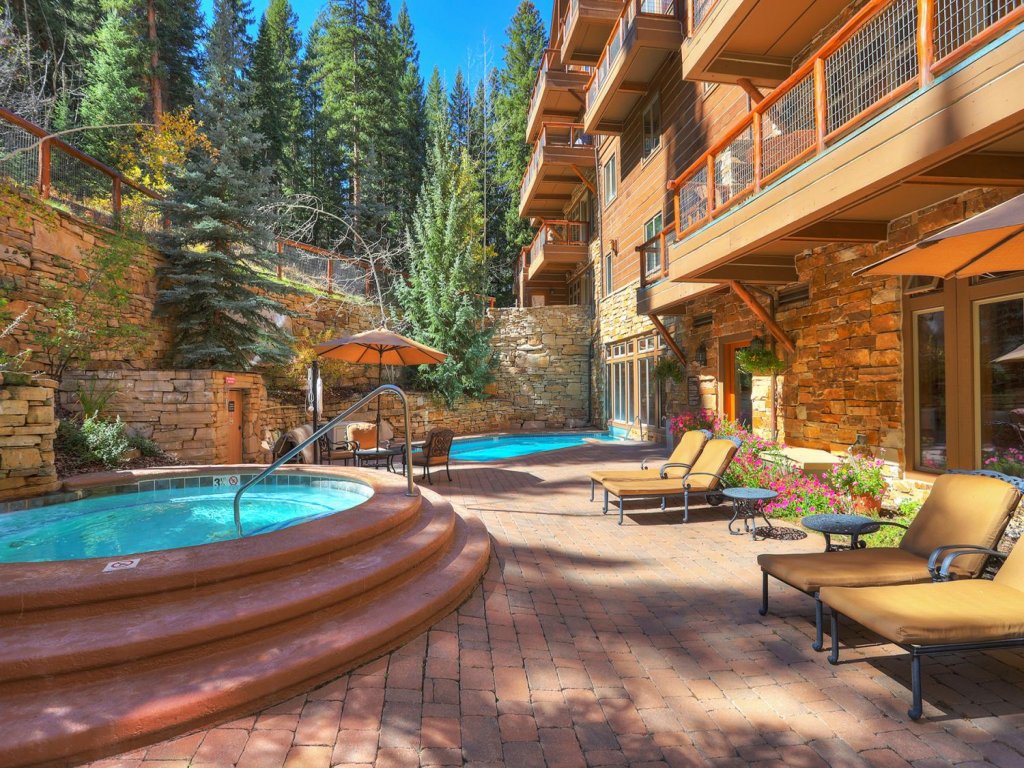
- Yes — Keystone is widely considered the easiest big-mountain Colorado resort for families. Schoolmarm's 3.5-mile run is the longest beginner trail in the Rockies; the Kidtopia snow fort and Adventure Point tubing hill at the gondola summit are free with any lift ticket; and Keystone is the only major Colorado resort that runs full night skiing for late-afternoon kid laps. Off the slopes, the Keystone Lake skating rink, the heated Snake River footbridge, the Keystone Stables sleigh rides, and the Frisco Historic Park cover most kid-weather contingencies. Most of our larger Keystone rentals include game rooms, hot tubs, and bunk rooms.
- Where should I stay in Keystone?
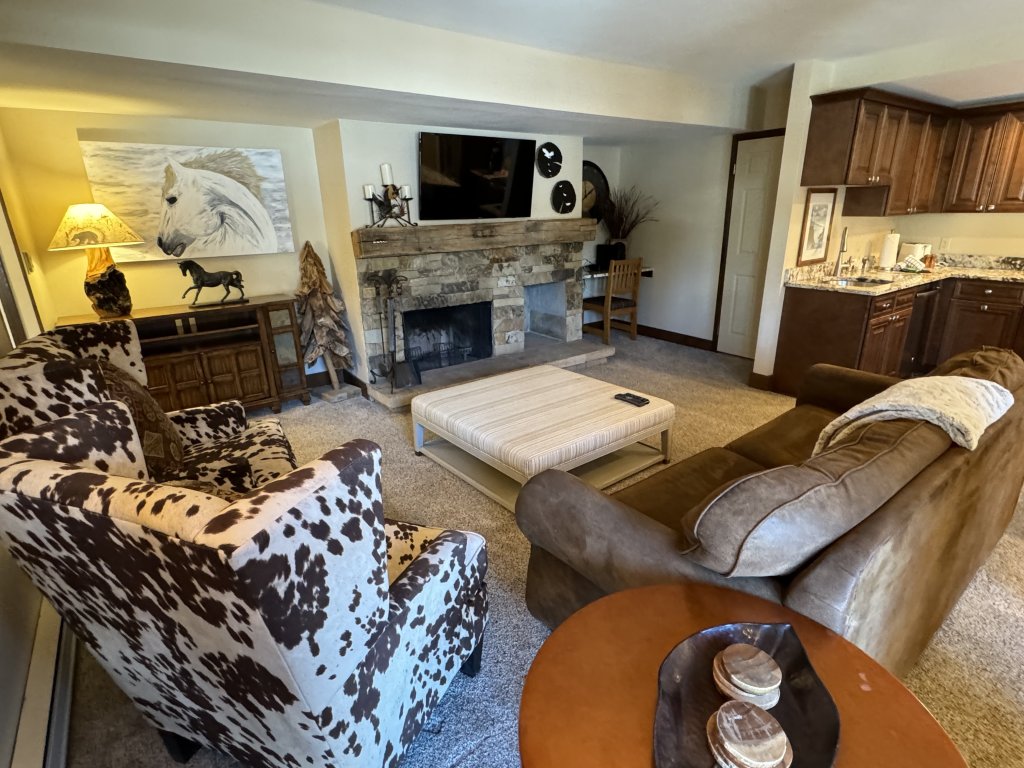
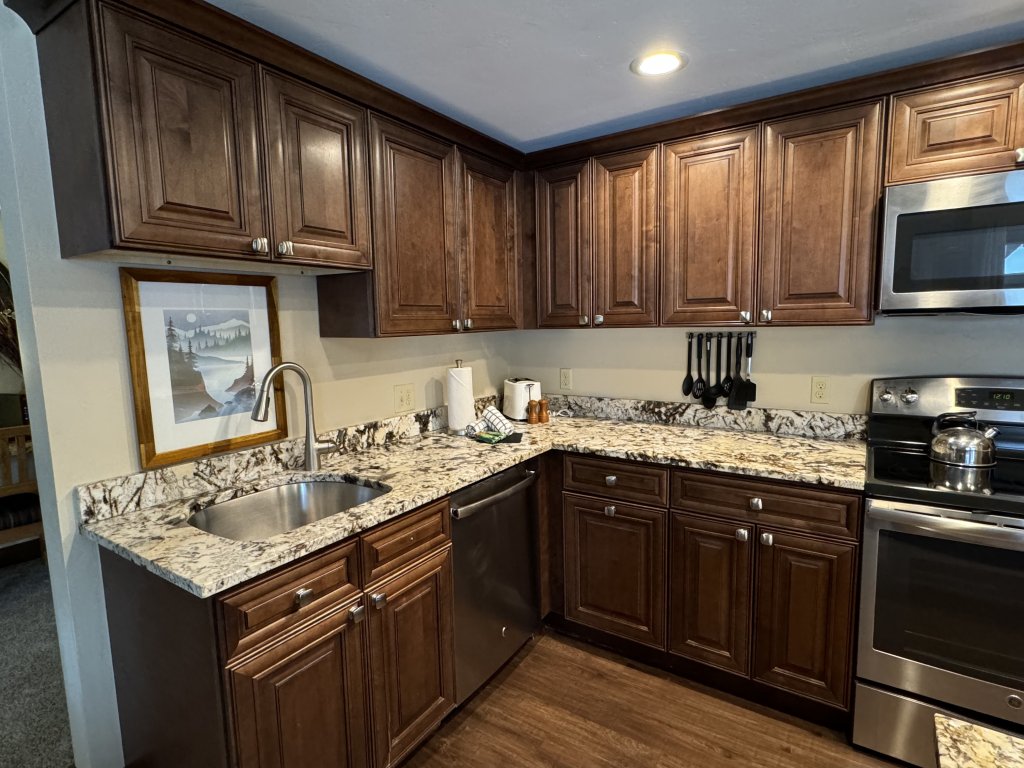
- Four base neighborhoods cover Keystone. River Run Village wraps the gondola plaza — the walk-everywhere, ski-in choice, with restaurants and shops at the door. Mountain House sits west of the Snake River with shorter lift lines for Schoolmarm beginners and the Peru chair. Lakeside Village faces Keystone Lake, the skating-rink-and-hot-tub neighborhood, with the free shuttle one stop from the gondola. Settlers Creek and the Timbers are quieter, more residential, with HOA shuttle service to the lifts. RedAwning's Keystone inventory covers all four neighborhoods.
- How much does a Keystone vacation rental cost?
- Keystone nightly rates typically run $150–$300 for a one- or two-bedroom condo and $400–$1,500+ for larger group homes or true ski-in/ski-out units at Lone Eagle and the Timbers. Holiday weeks (Christmas, MLK, Presidents' Day, Spring Break) carry the highest pricing — book six to nine months ahead. Off-peak weekdays in late January or April can drop 40–60% below holiday rates. Most rentals require a 1–2 night minimum; major holidays often require a full 5–7 night stay.
- Are ski-in/ski-out rentals available in Keystone?
- Yes — true ski-in/ski-out runs concentrate at Lone Eagle Condominiums and the Timbers on Dercum's eastern slope, both two minutes from the River Run gondola via heated brick paths. Walk-to-gondola condos cluster at Black Bear Lodge, Hidden River Lodge, and the Springs at River Run Village. Walk-to-Mountain-House properties (under five minutes to the Peru and Argentine lifts) include the Tenderfoot, Cinnamon Ridge, and the Pines. RedAwning's Keystone inventory tags ski-in, walk-to-lift, and shuttle-only properties separately so you can filter on the booking page.
- Do I need to worry about altitude sickness in Keystone?
- Plan for it. Keystone's 9,280-foot base elevation puts about 30% of first-time visitors into mild symptoms in the first 24 hours — headache, mild nausea, restless sleep, shortness of breath on stairs. Drink twice your normal water (oxygen displacement is the real culprit), skip alcohol the first night, and consider sleeping one night in Denver (5,280 ft) or Frisco (9,097 ft) on the way up. Severe altitude sickness is rare below 10,000 feet, but if symptoms worsen, descend. Local pharmacies in Keystone, Dillon, and Silverthorne stock oxygen canisters for $20–30 if you need a top-up.