home1.5 mi1 / 45Photo 1 of 45


Russell House Near Hollywood & Griffith Park
- Free Cancellation

An Art Deco public observatory perched on the south slope of Mount Hollywood — free since the day it opened in 1935, with the Zeiss 12-inch refractor, the Samuel Oschin Planetarium, and the postcard view of the Hollywood Sign all on one terrace.
Griffith Observatory opened on May 14, 1935 on the southern slope of Mount Hollywood, the result of a $700,000 bequest from Welsh-born industrialist Griffith J. Griffith and a directive that admission stay free in perpetuity. Ninety years later it still is — one of the only major public observatories in the world that has never charged a gate fee.
The campus packs three working telescope domes, the 290-seat Samuel Oschin Planetarium, the Hall of the Sky, the Hall of the Eye, and the Gunther Depths of Space rotunda into about 67,000 square feet of Art Deco architecture. The 12-inch Zeiss refractor on the east dome has been viewed through by more people than any other telescope on Earth, and the rooftop terrace delivers the city's most photographed view of the Hollywood Sign.
Plan two to three hours for the exhibits, telescopes, and a planetarium show. Weekends are crowded — early afternoon and the hour after sunset are the best windows. Parking is tight; the DASH Observatory shuttle from Vermont/Sunset Metro and the Boys' Camp lot are the easiest backups.
A short loop through the exhibits, encounters, and shows that make this stop worth a half-day on its own.
The east dome's 1935 Zeiss refractor is the most-viewed-through telescope on Earth — more than eight million people have looked through it. Open to the public every clear evening from sunset to 9:45 PM, free of charge.
A 290-seat dome with a Zeiss Universarium Mark IX star projector and two laser systems. Three to four shows daily — "Centered in the Universe," "Light of the Valkyries," and "Signs of Life" rotate on the schedule. Tickets sold same-day only.
A 240-pound bronze ball swinging from a 40-foot cable in the W.M. Keck Foundation Central Rotunda — the original 1935 demonstration that the Earth rotates, knocking over a pin every fifteen or so minutes.
The 40-foot concrete obelisk on the front lawn honors six astronomers — Hipparchus, Copernicus, Galileo, Kepler, Newton, and Herschel — sculpted in 1934 as a Public Works of Art Project.
The eastern parapet promenade is the closest, highest, and most photographed public view of the Hollywood Sign — about 1.7 miles east-northeast across Bronson Canyon. Free coin-operated binocular stations along the railing.
A working four-foot Tesla coil in the Hall of the Sky discharges 30-foot purple lightning arcs every hour on the hour. The original 1937 coil is one of the longest continuously operating Tesla coils on public display.
Three rooftop coelostats track sunspots, prominences, and the solar spectrum onto displays in the Hall of the Sky throughout the day — open whenever the Sun is up and the dome is open.
The 200-foot-long lower-level exhibit hall built into the hillside in 2006 — life-sized planet models, a scale of the Solar System set into the floor, and the Big Picture, an 11-by-150-foot photographic image of the Virgo Cluster.
Closed Mondays. Open every other day except Thanksgiving, Christmas Eve, and Christmas Day.
Note · Public telescopes operate one hour after sunset until 9:45 PM (weather permitting).
Per-person admission. Buy in advance to skip the gate line.
Observatory grounds and exhibits are always free. Samuel Oschin Planetarium shows are the only ticketed item — sold same-day at the front desk; no advance reservations. Parking is metered along Observatory Road; lots fill by 11 AM on weekends.
Plan your visithome1.5 mi1 / 45Photo 1 of 45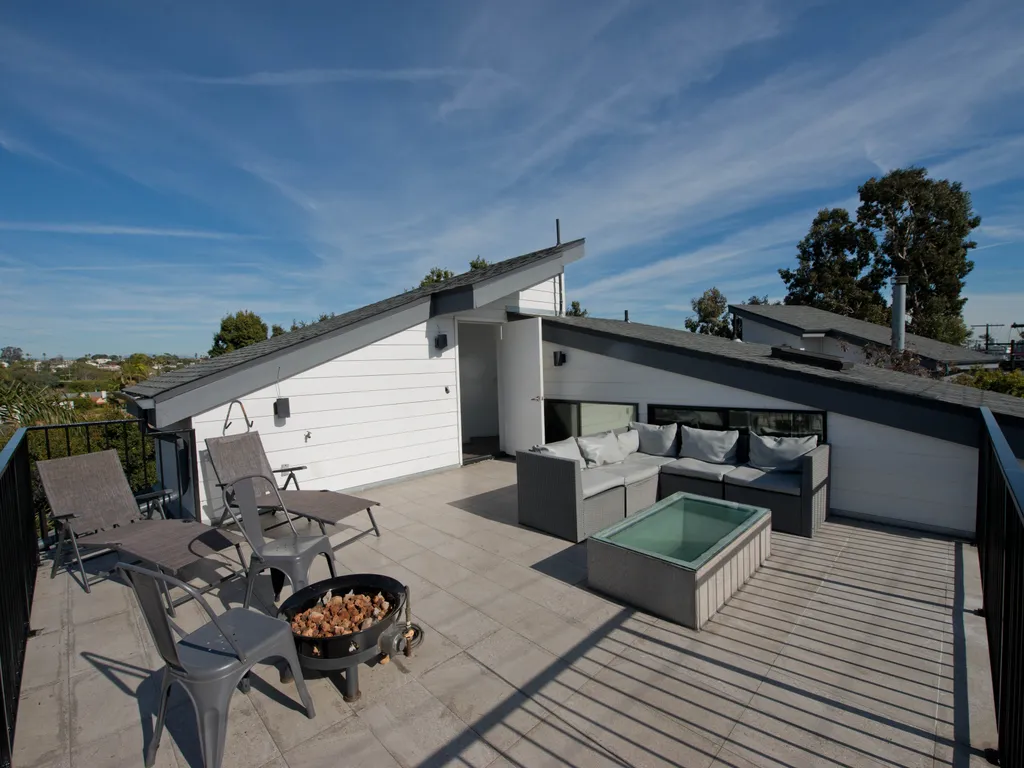 apts13 mi1 / 19Photo 1 of 19
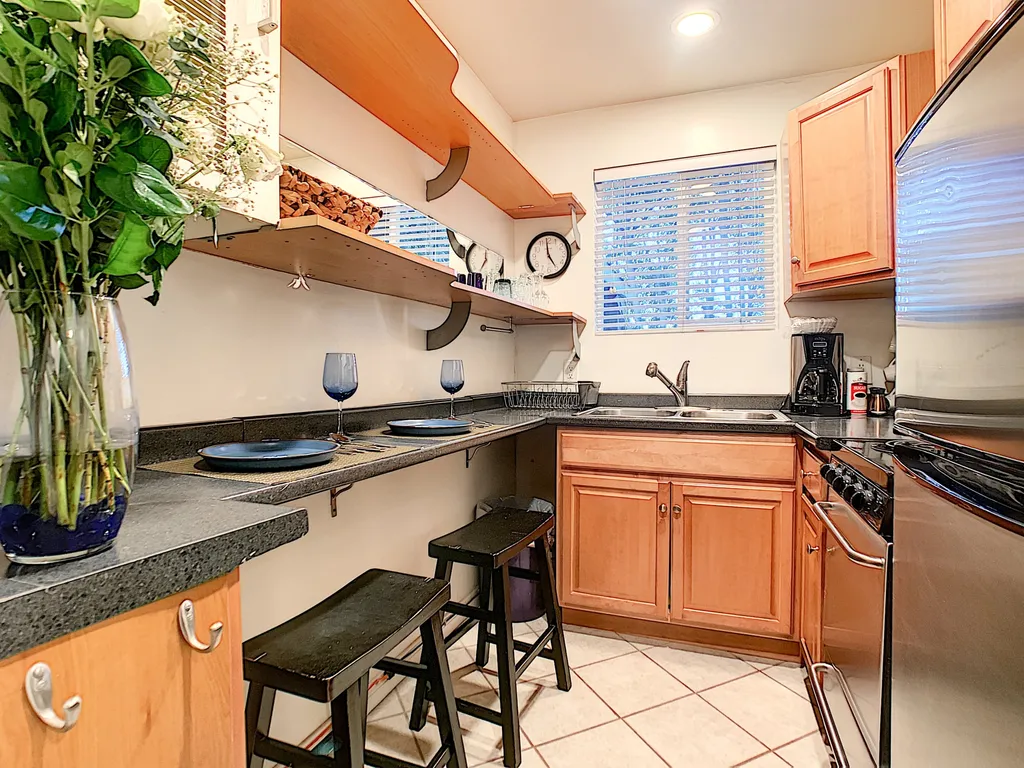 apts13 mi1 / 15Photo 1 of 15
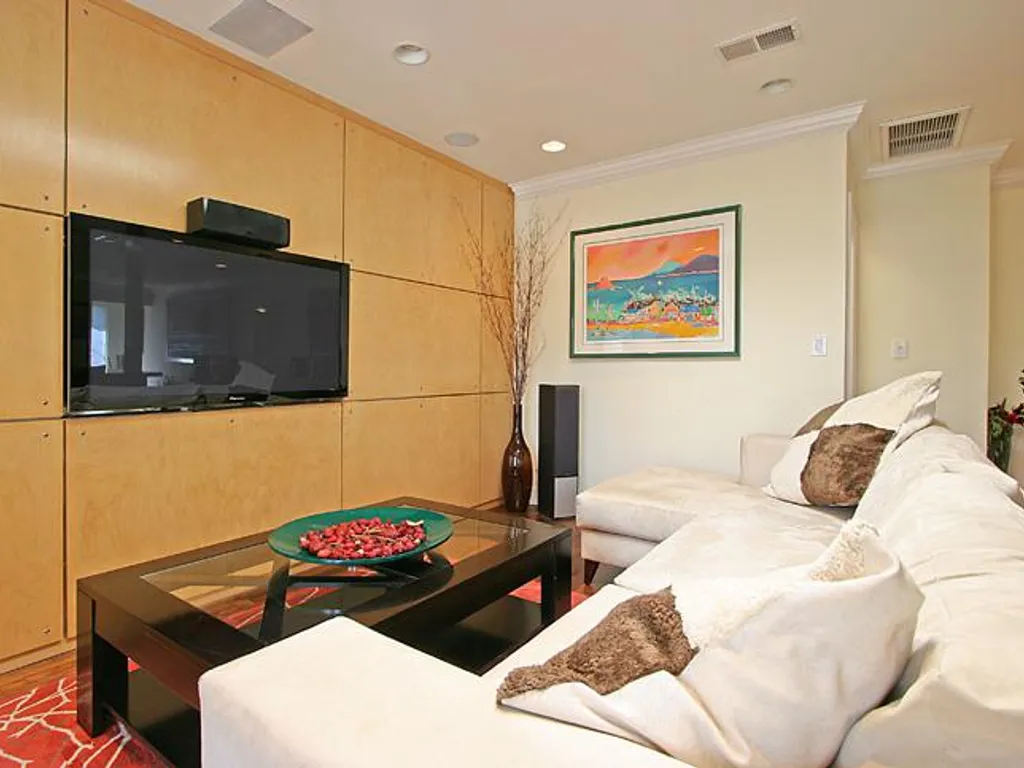 home13 mi1 / 21Photo 1 of 21
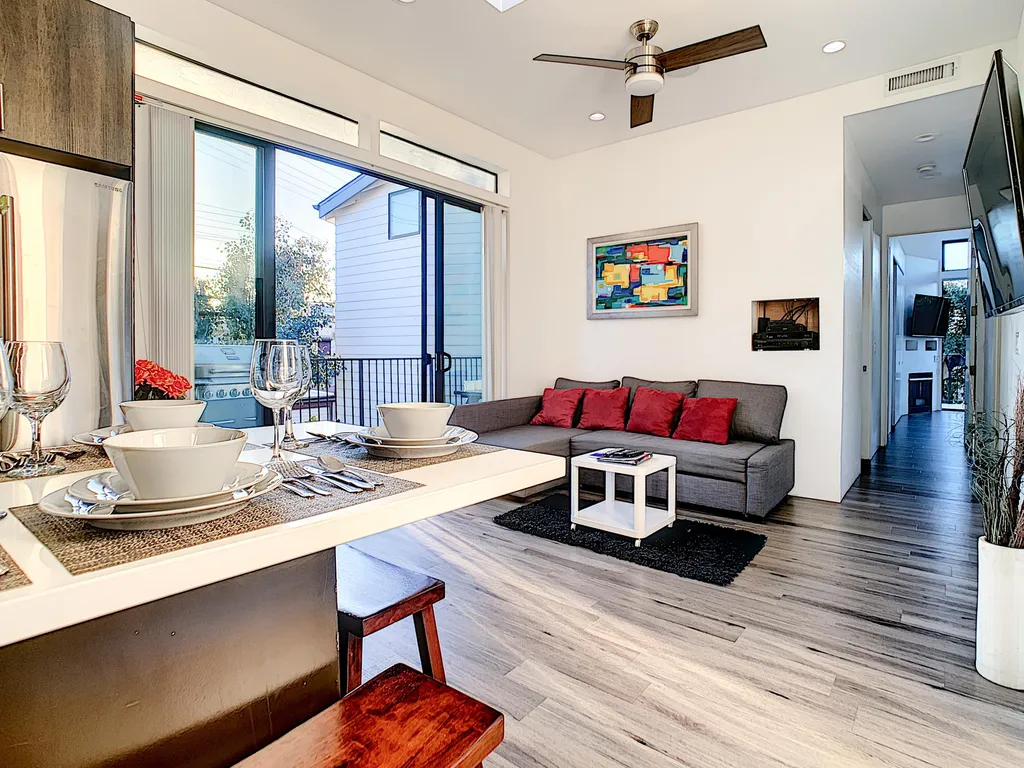 home13 mi1 / 27Photo 1 of 27
 home23 mi1 / 31Photo 1 of 31