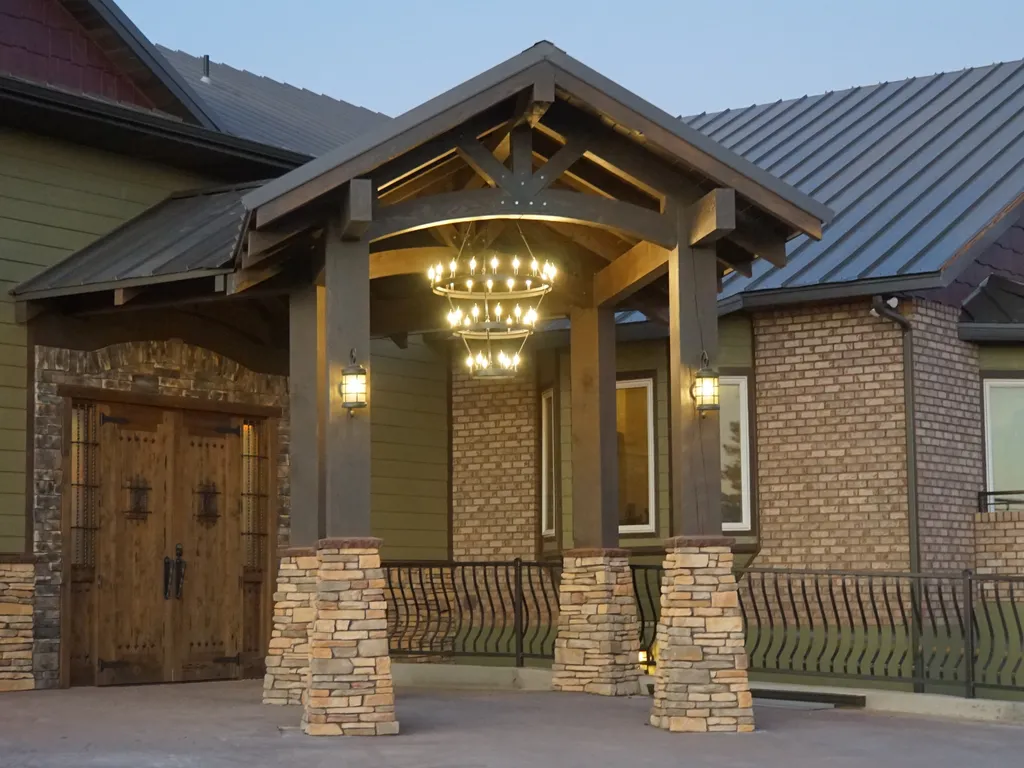
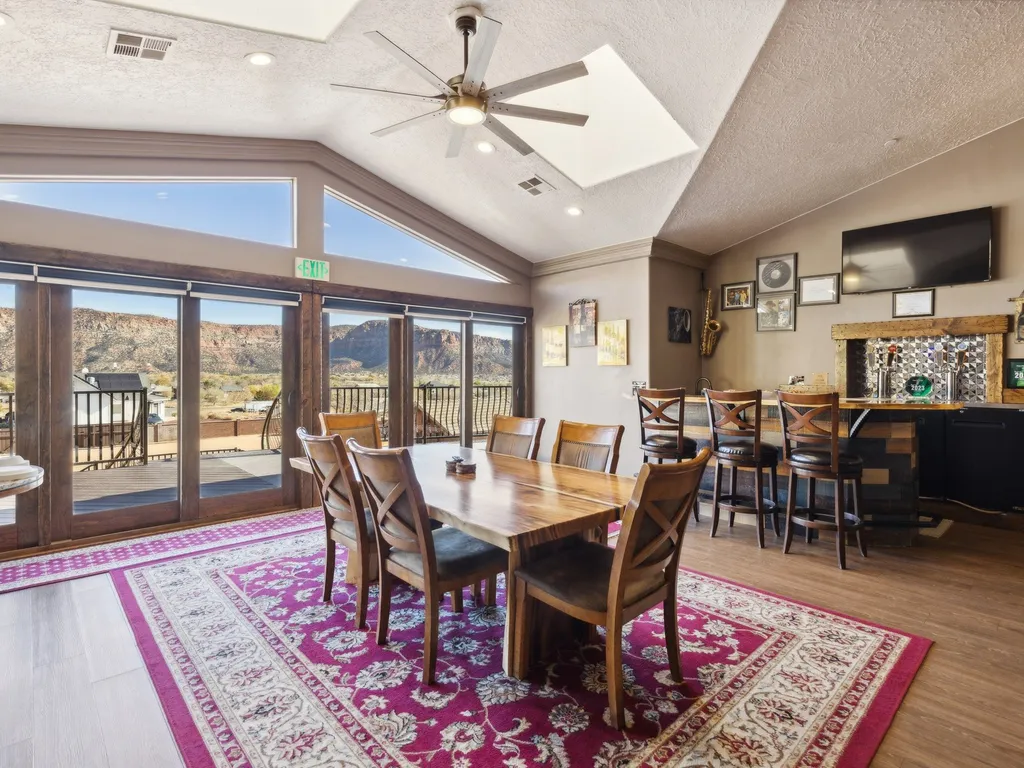
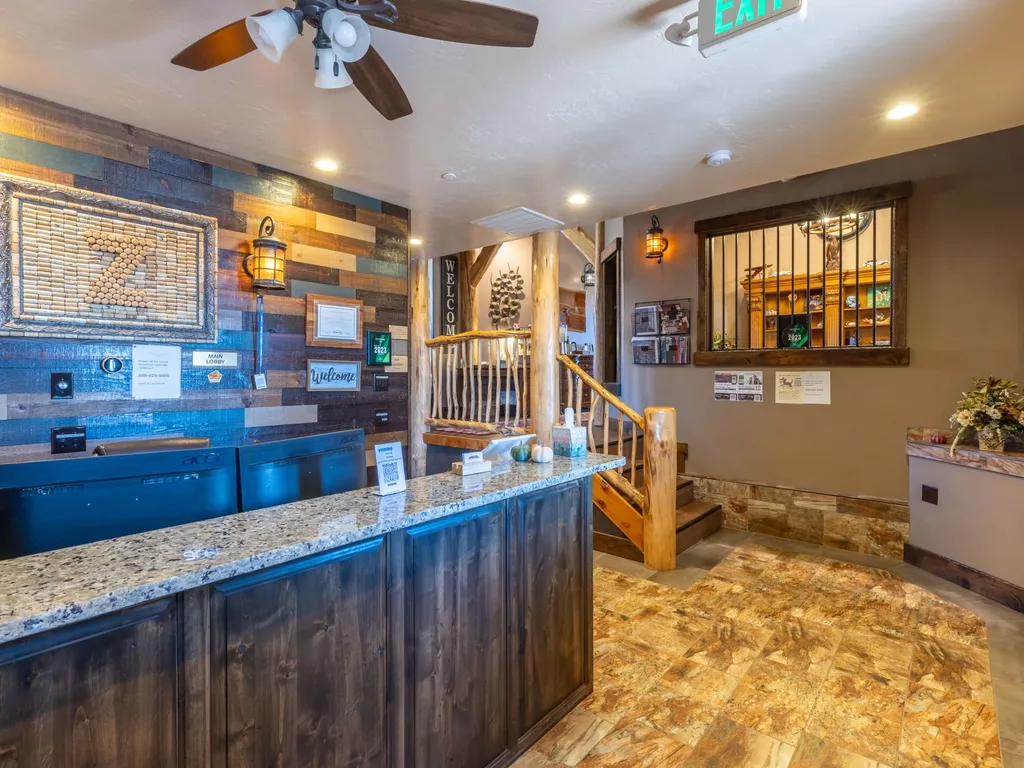
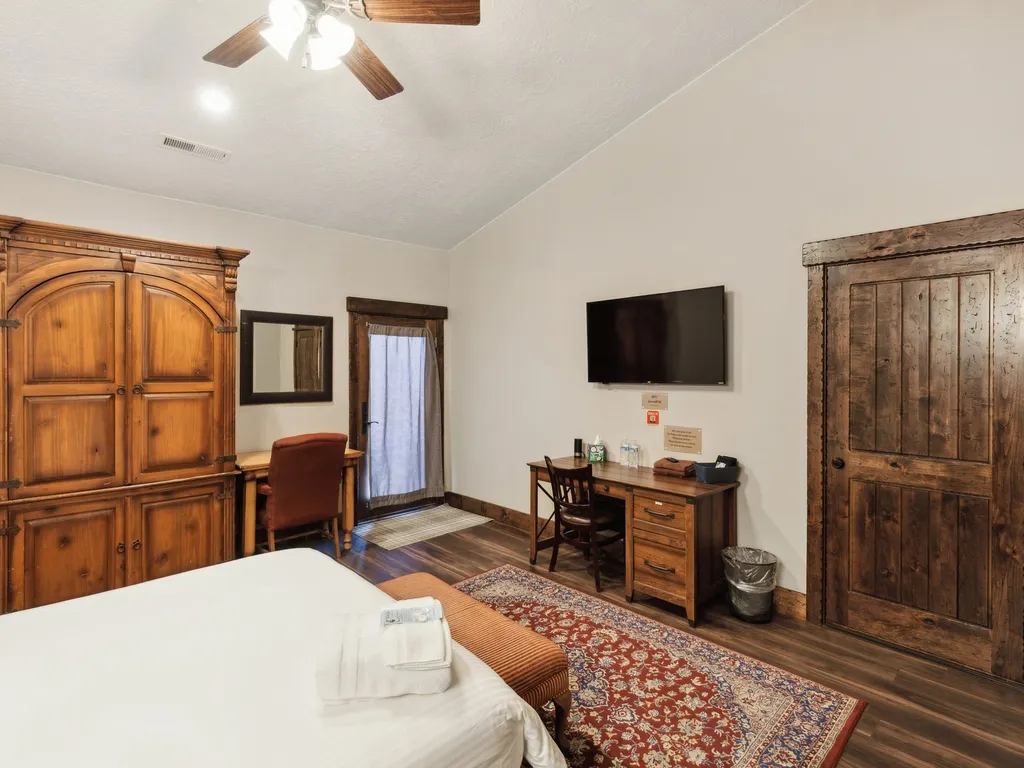
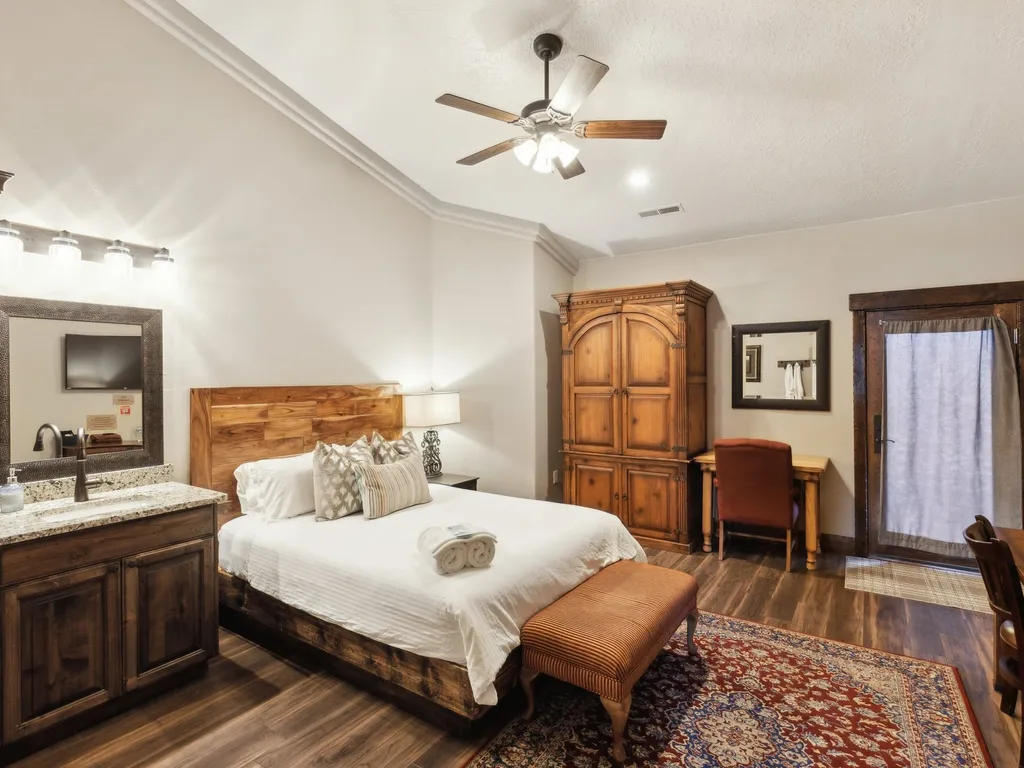
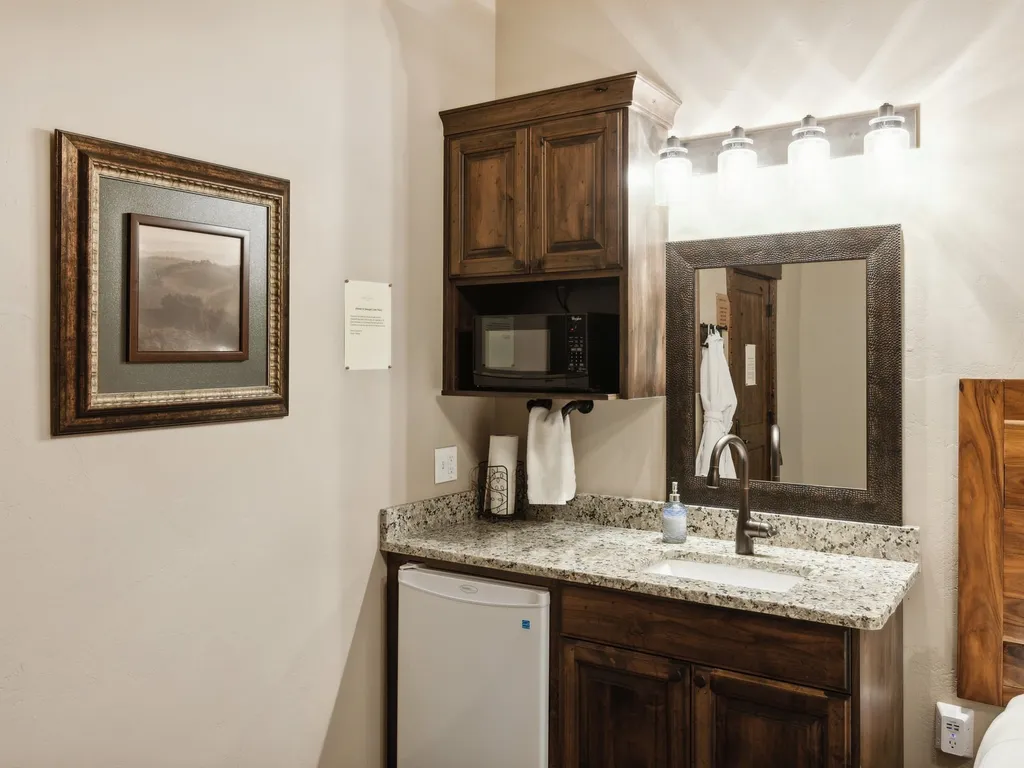
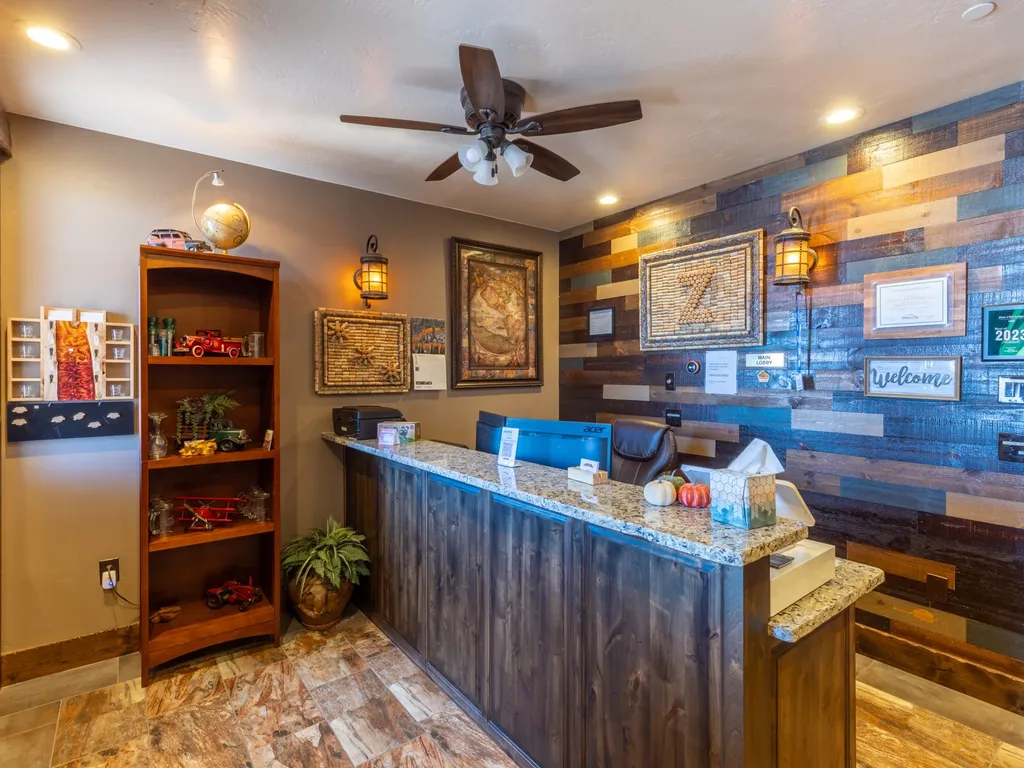
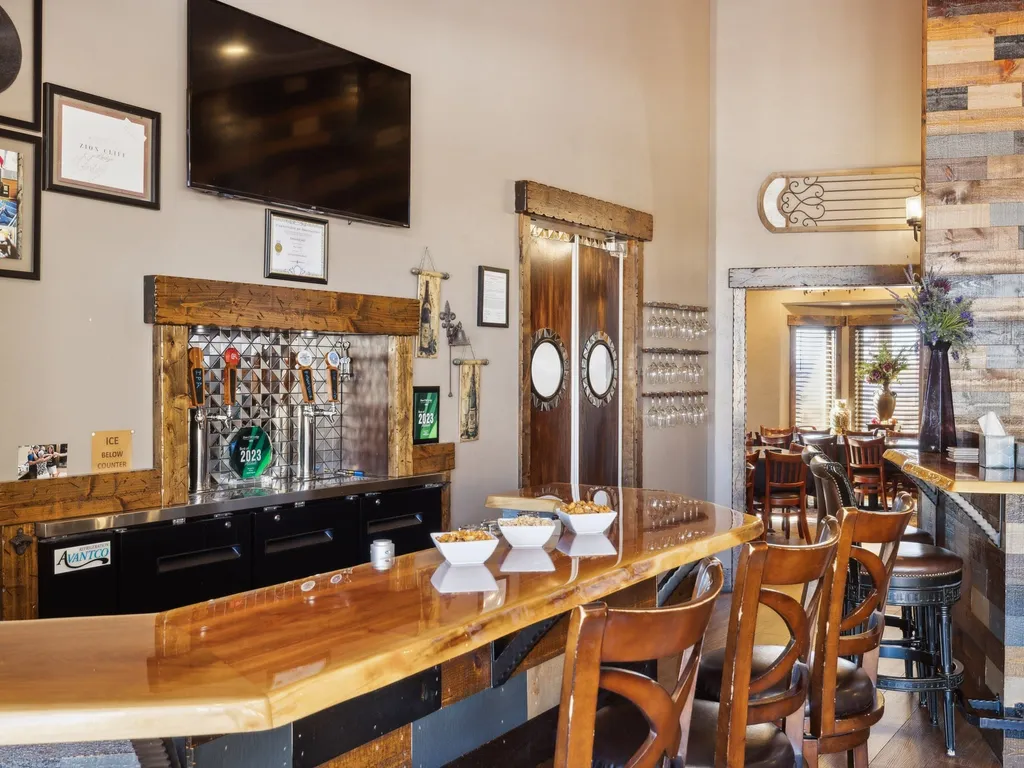
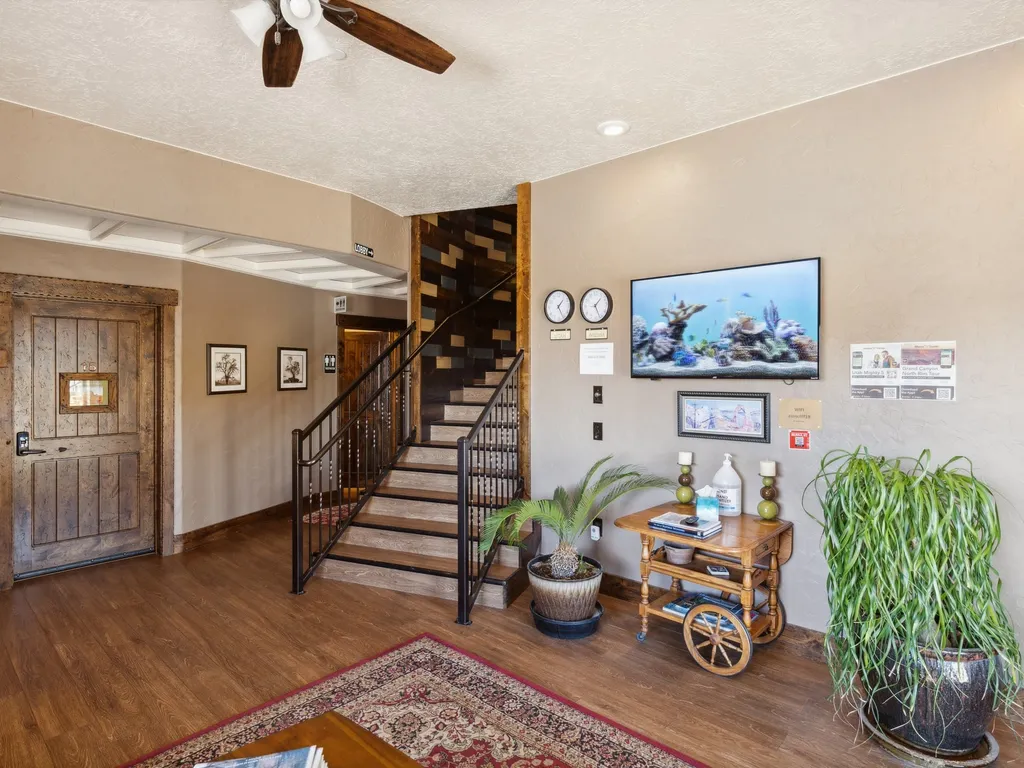
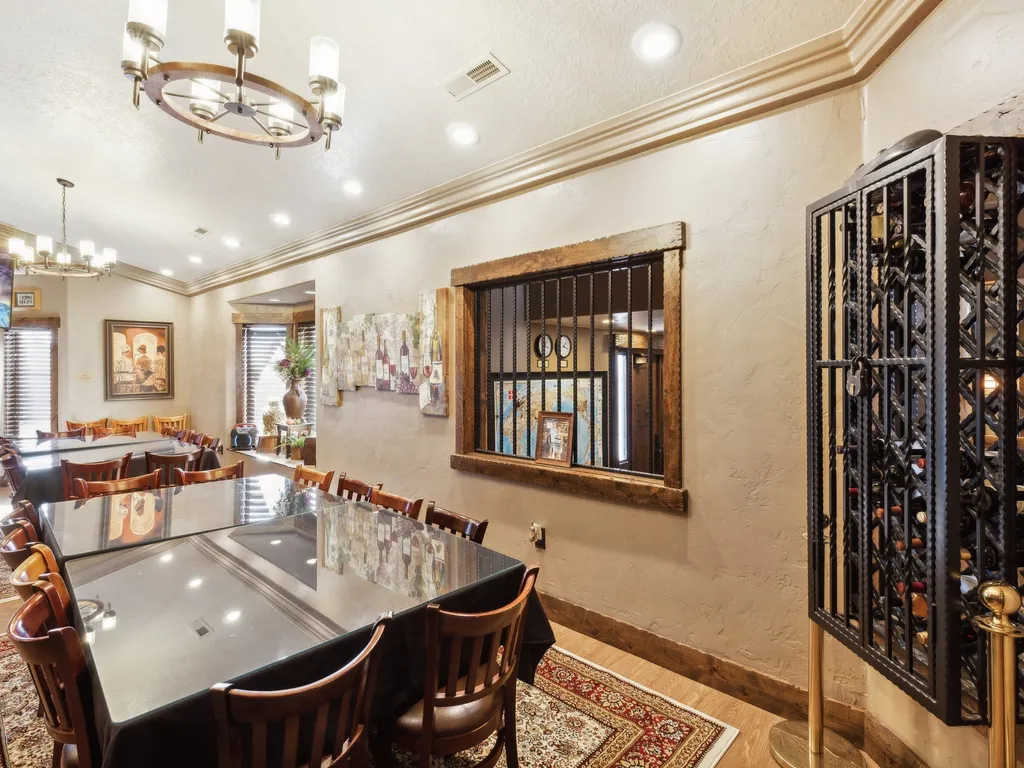
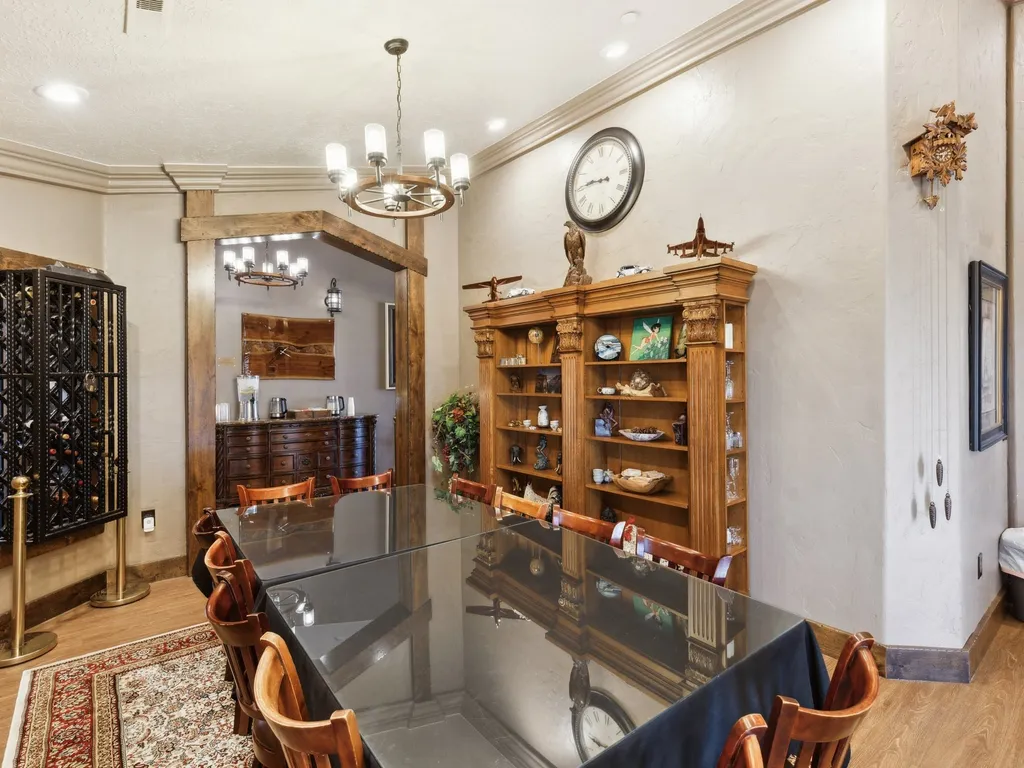
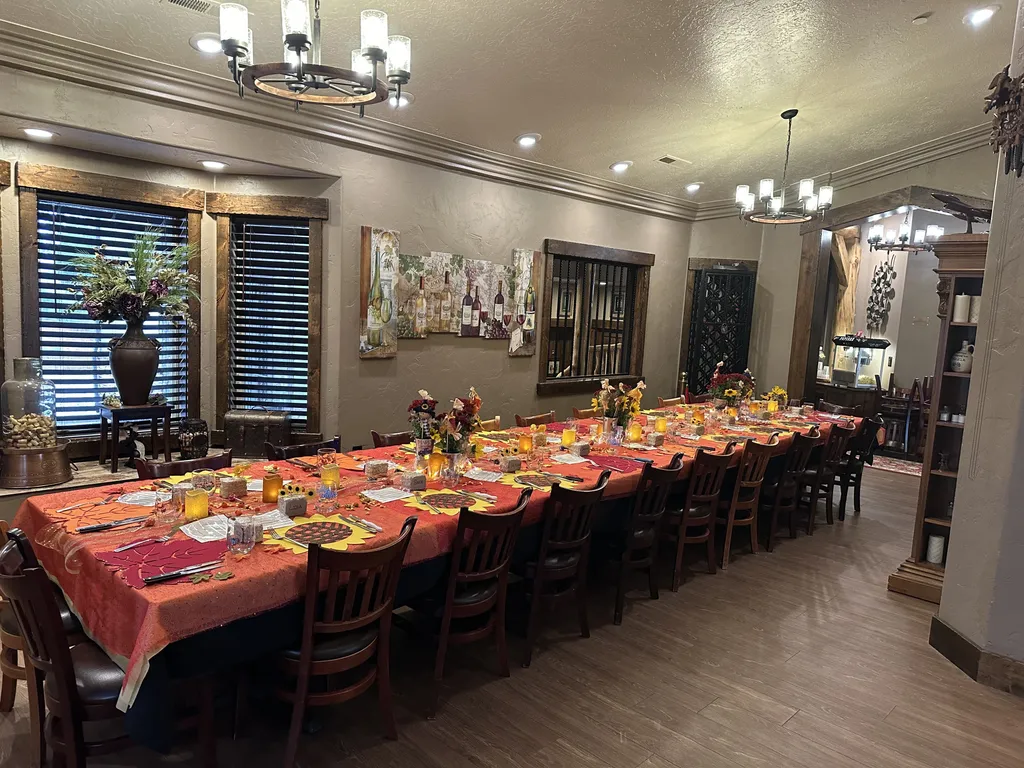
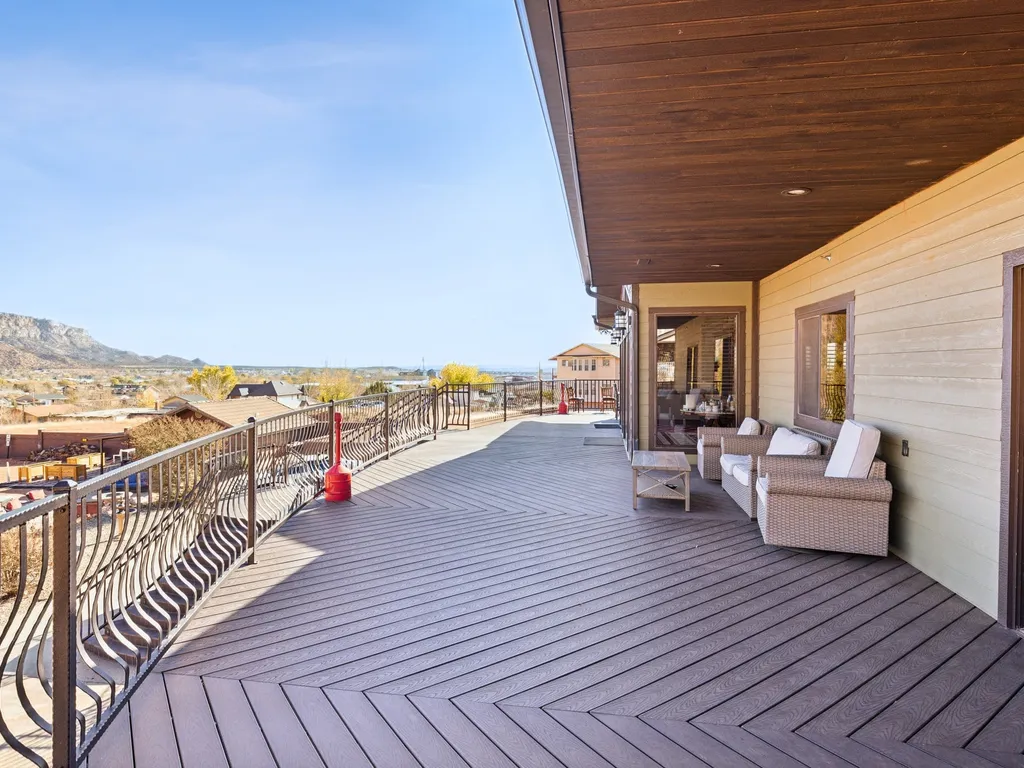
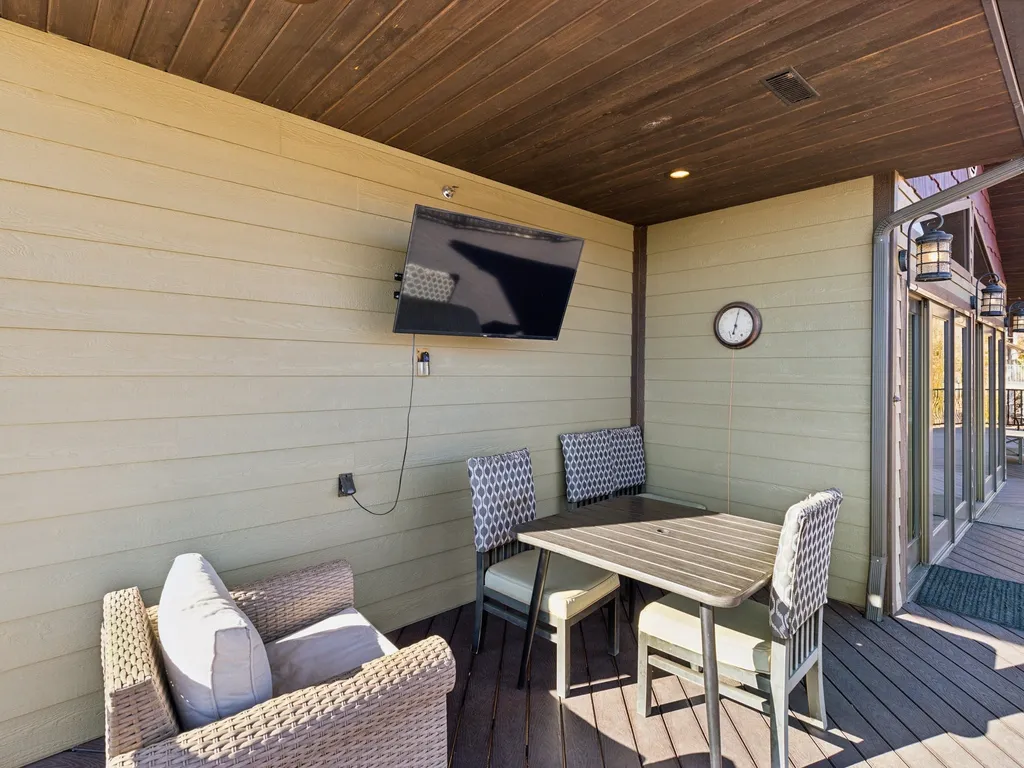
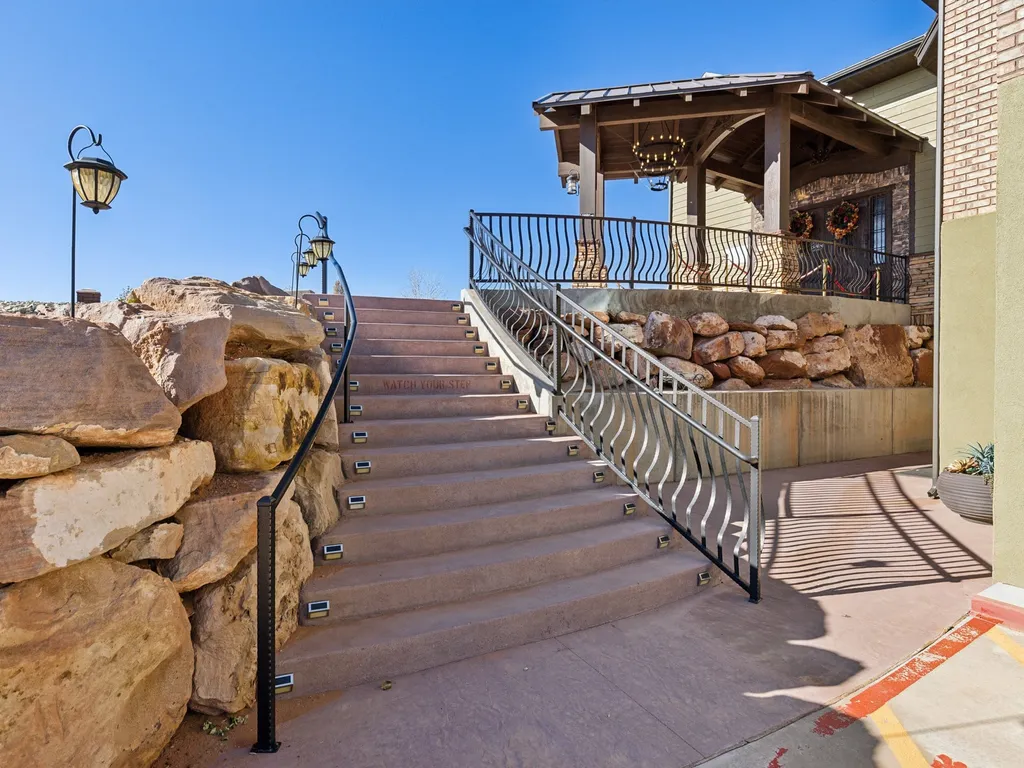
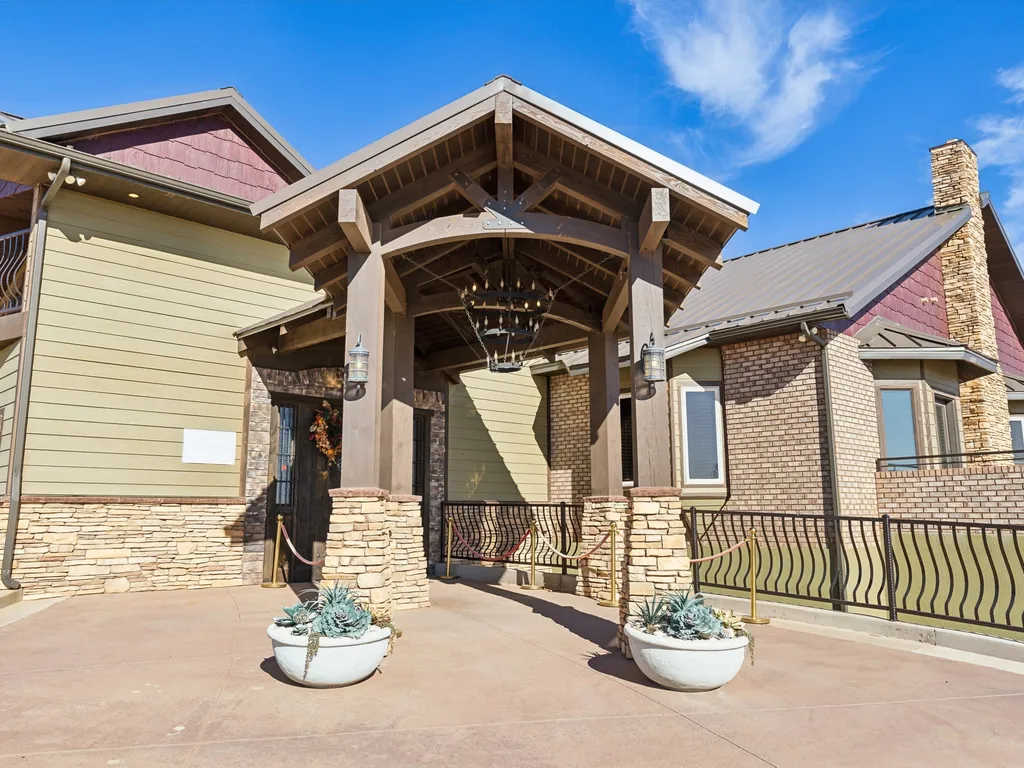
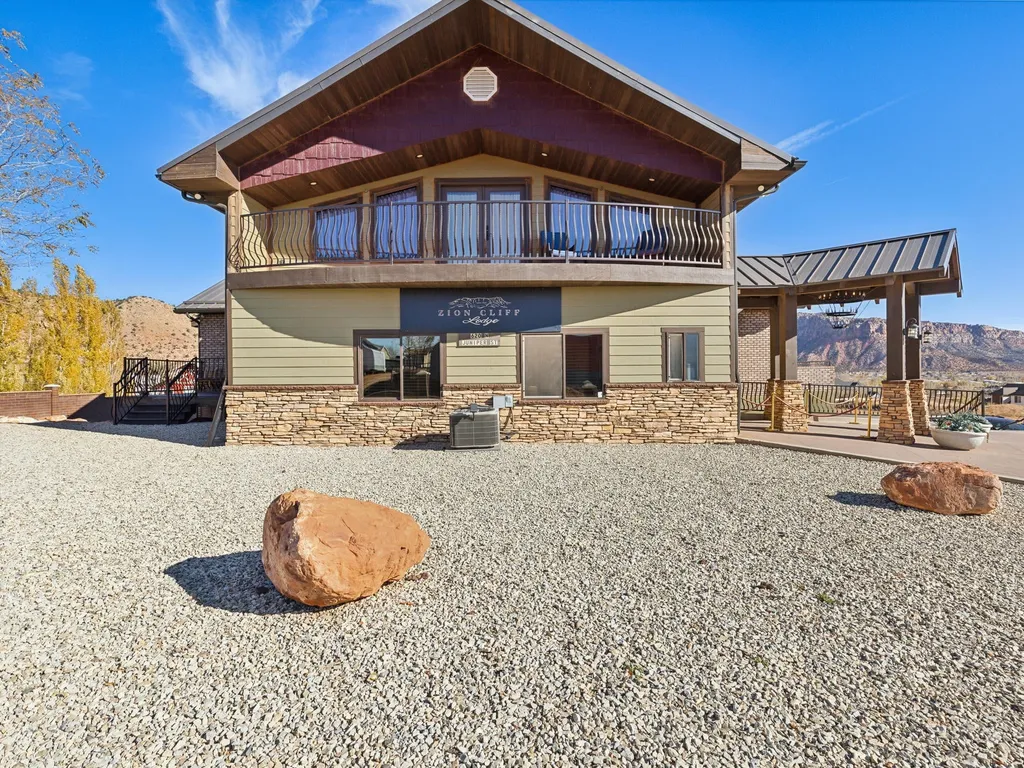
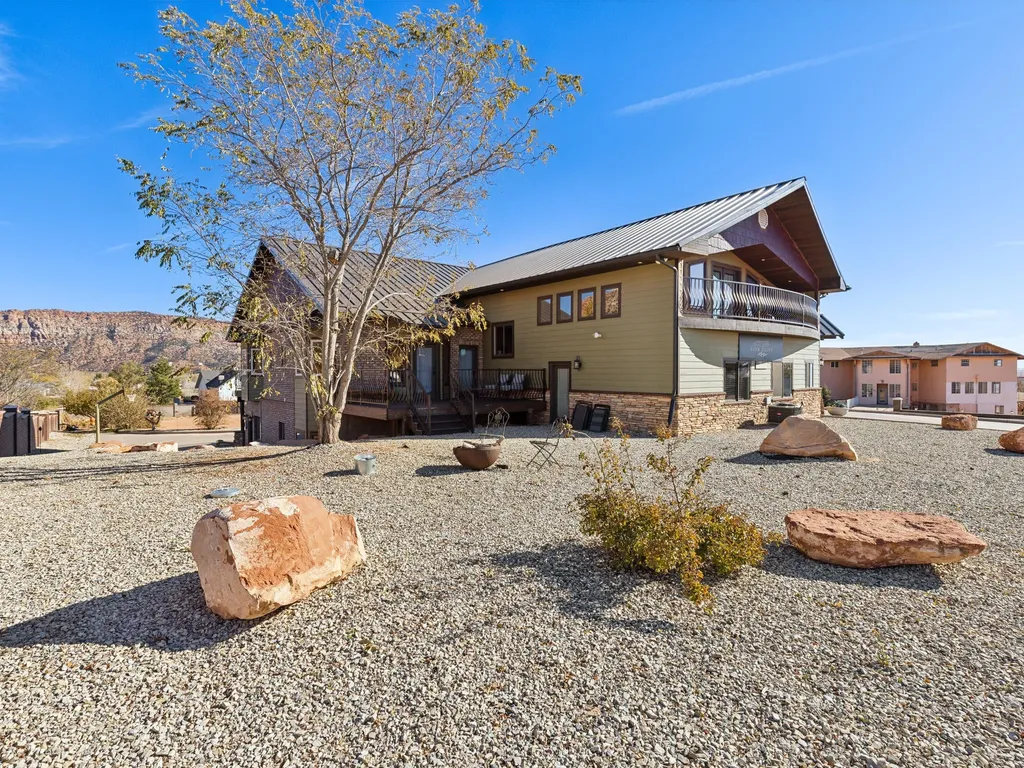
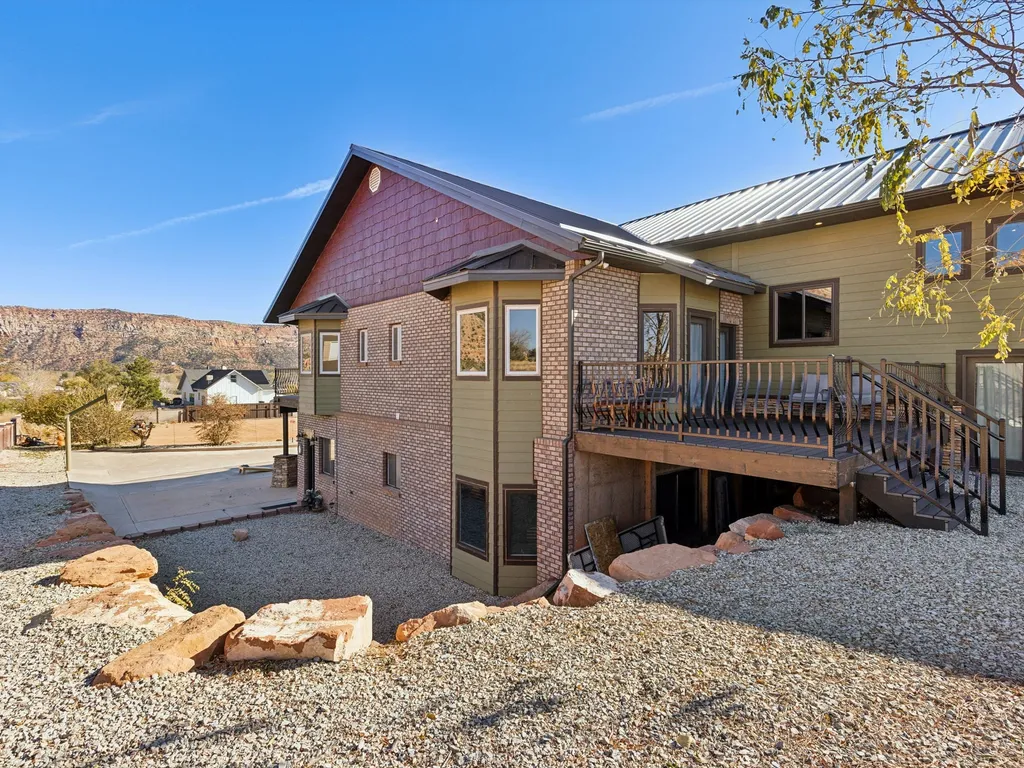
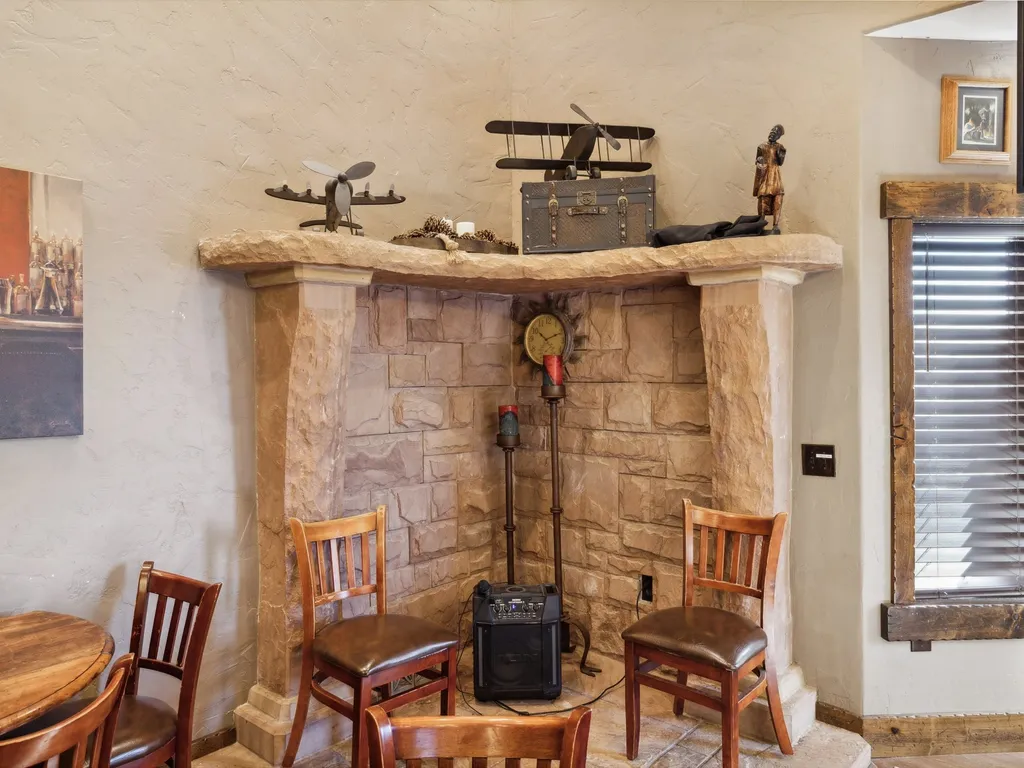
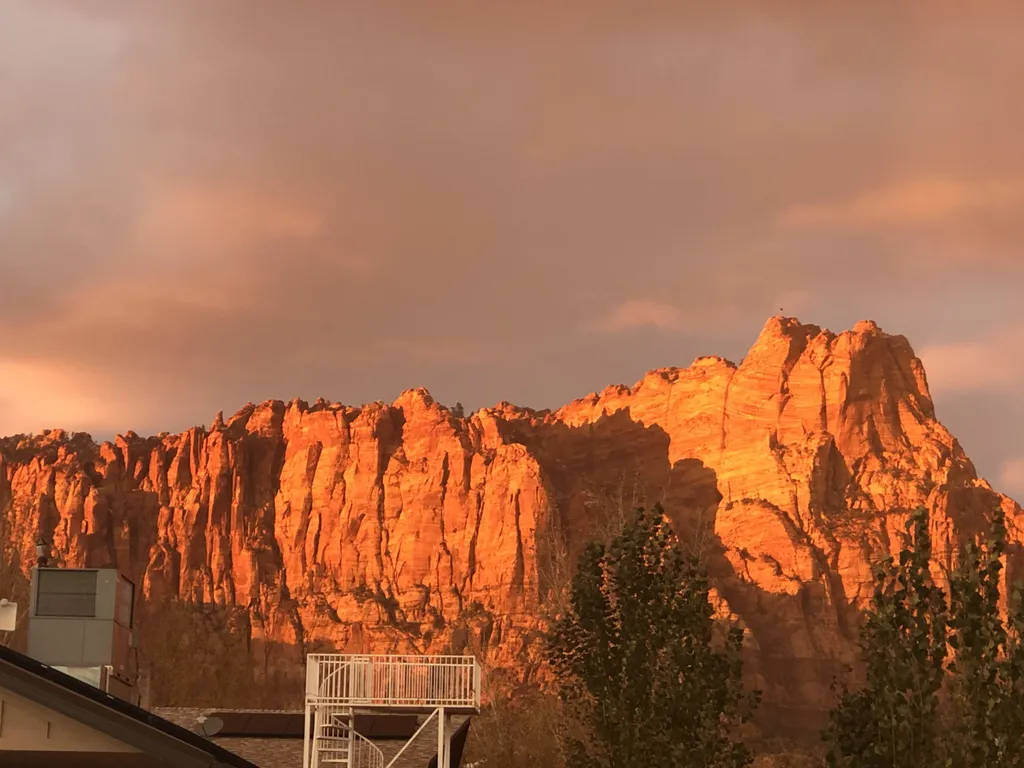
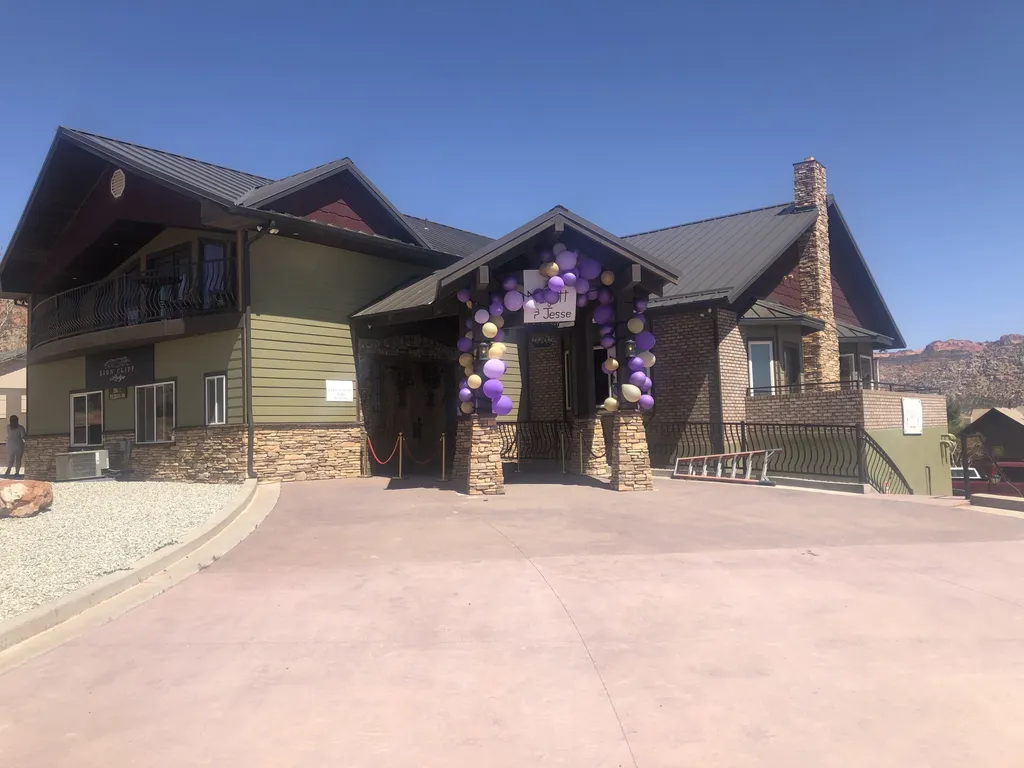
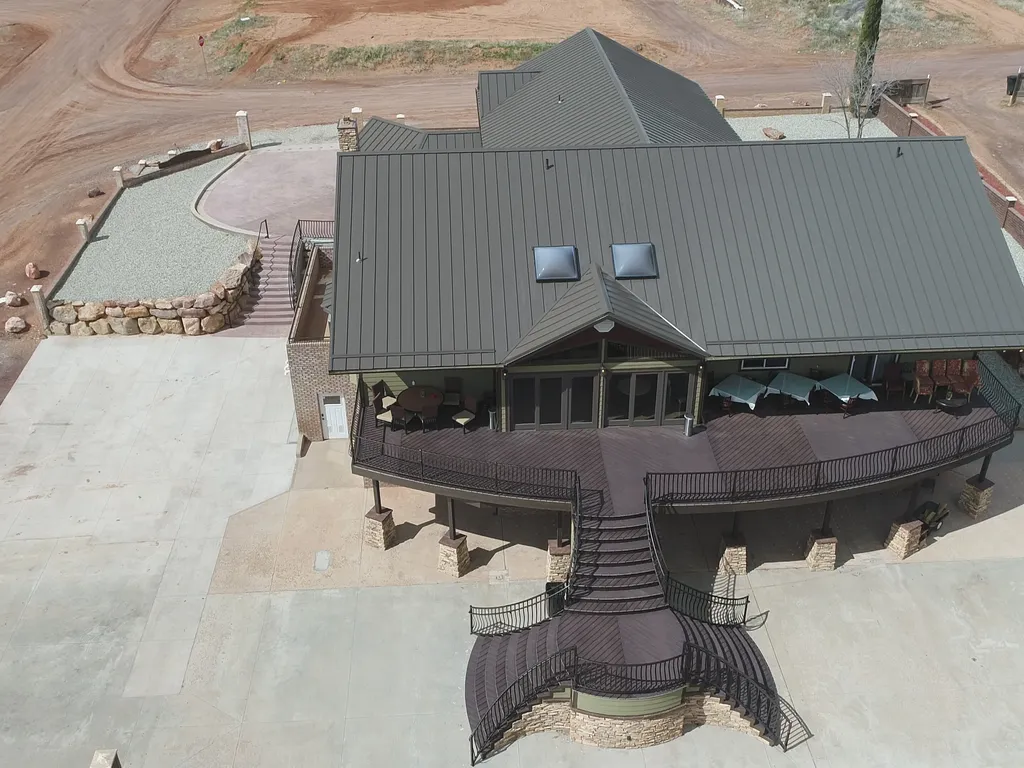
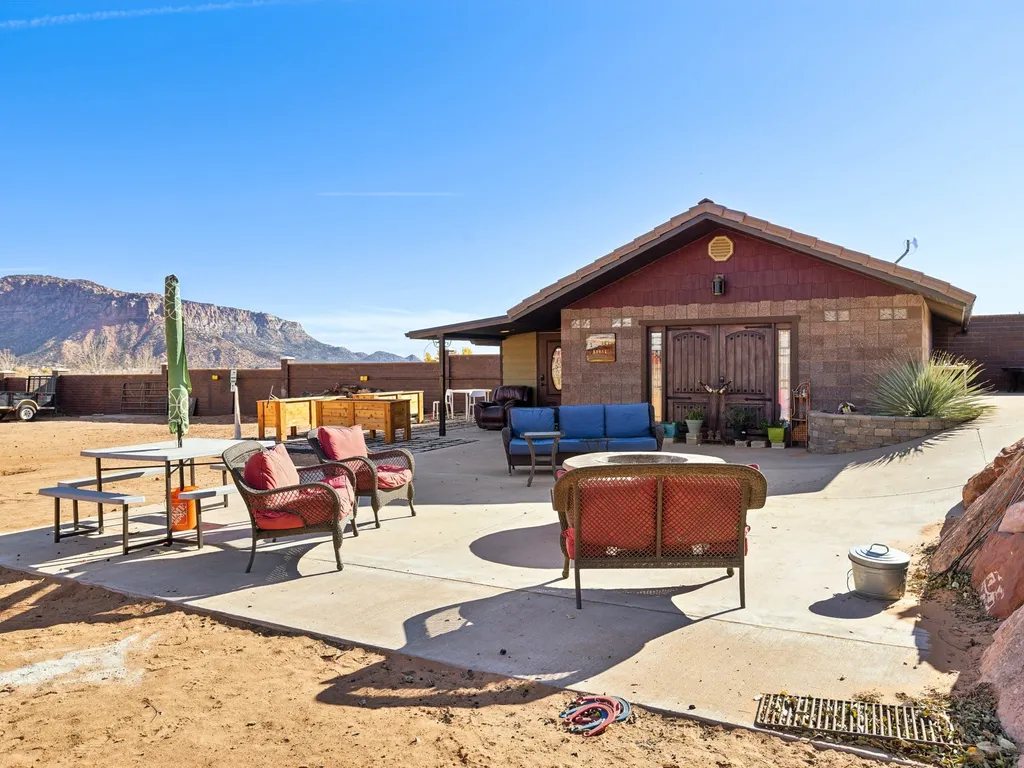
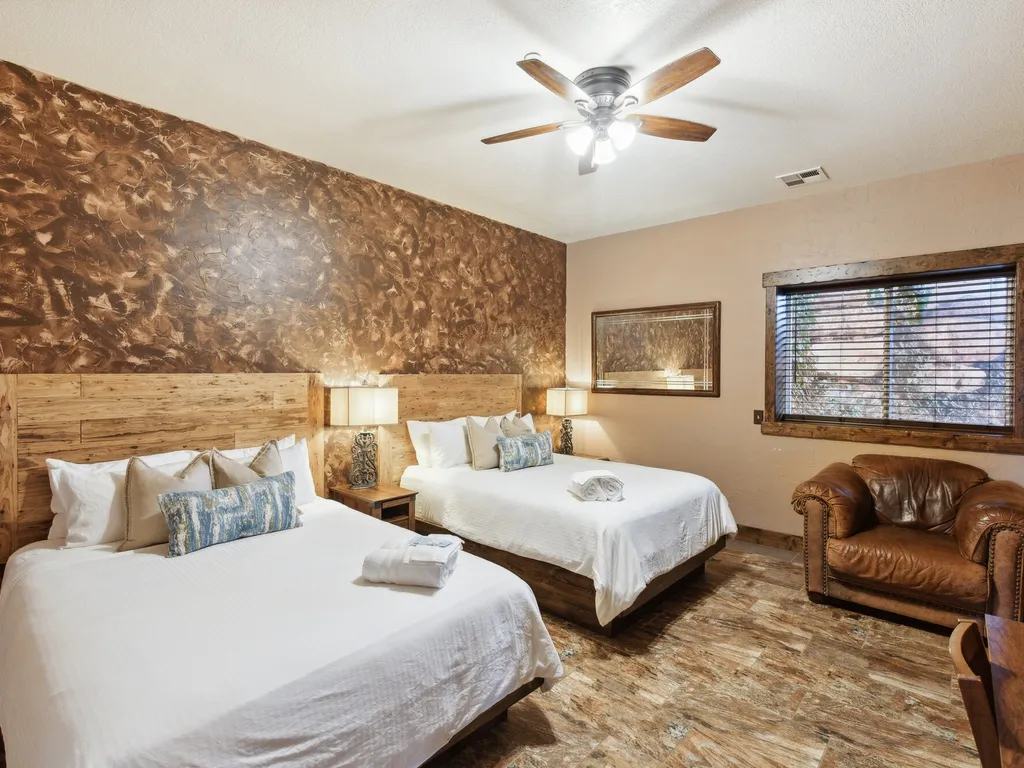
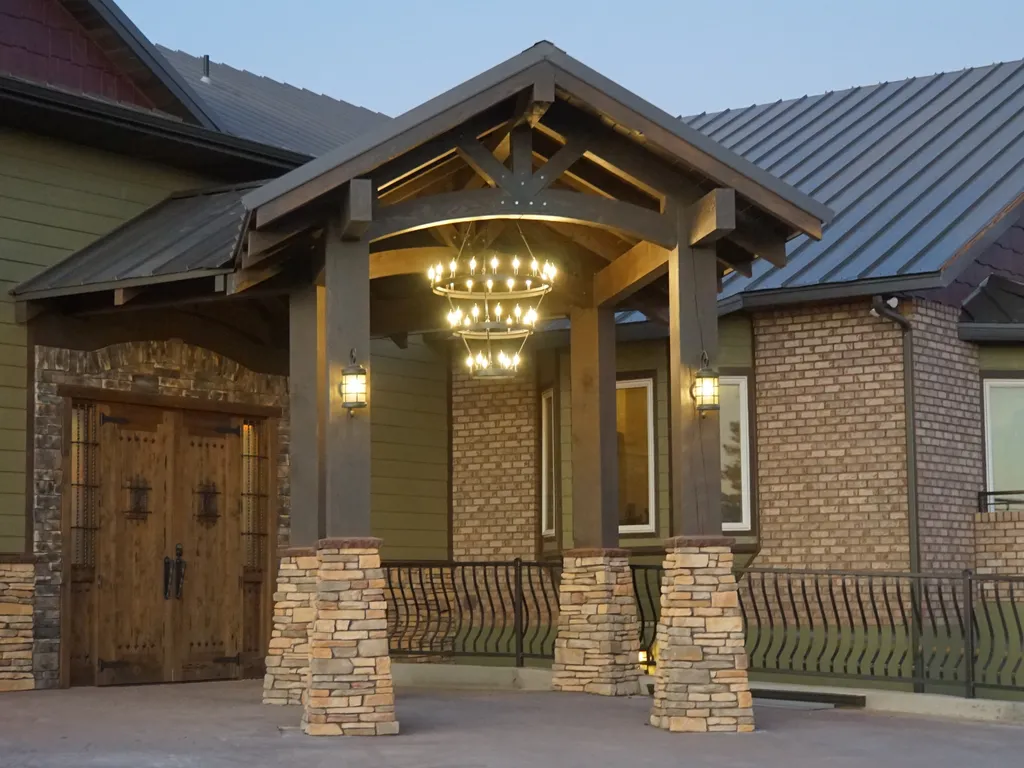
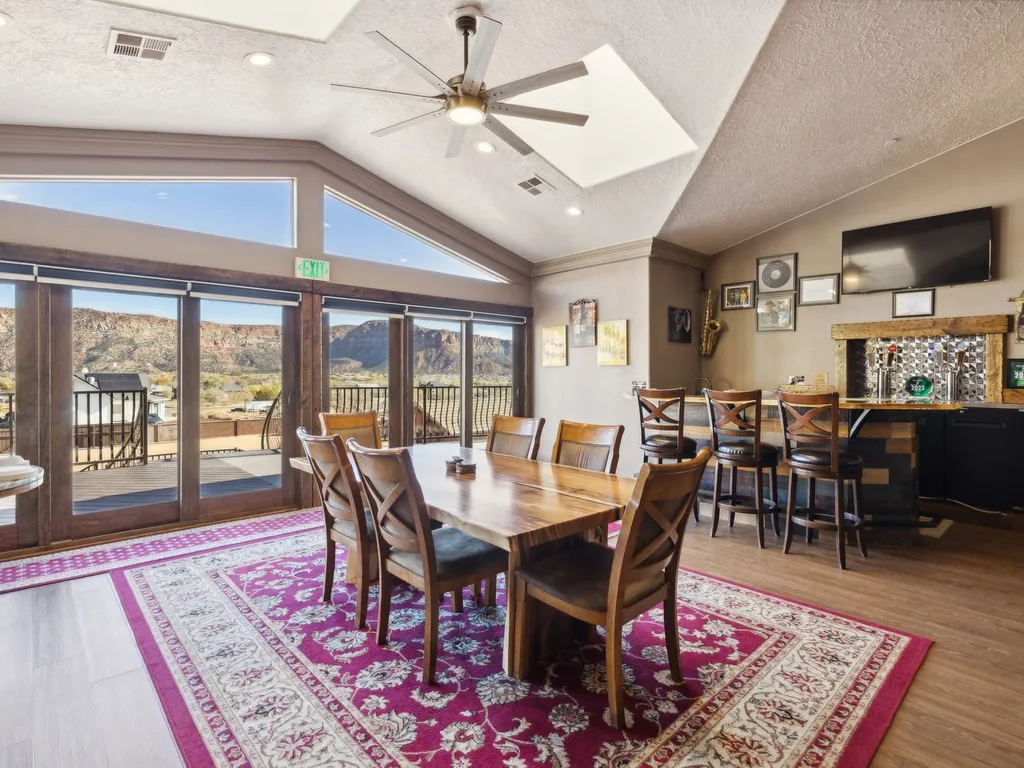
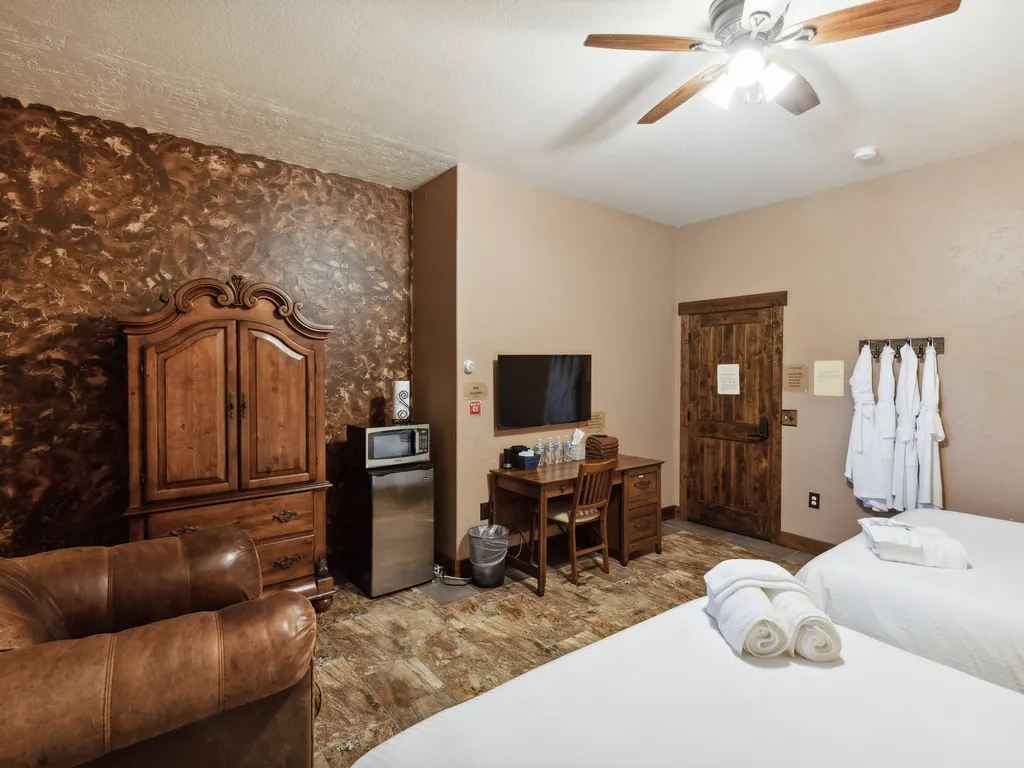
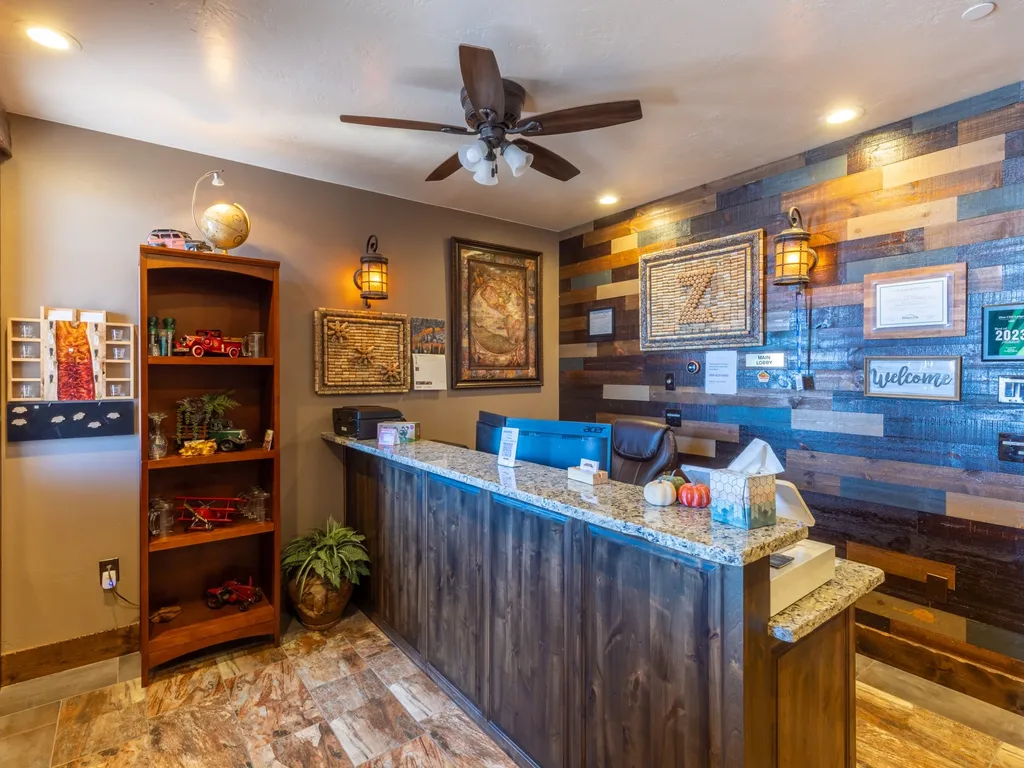
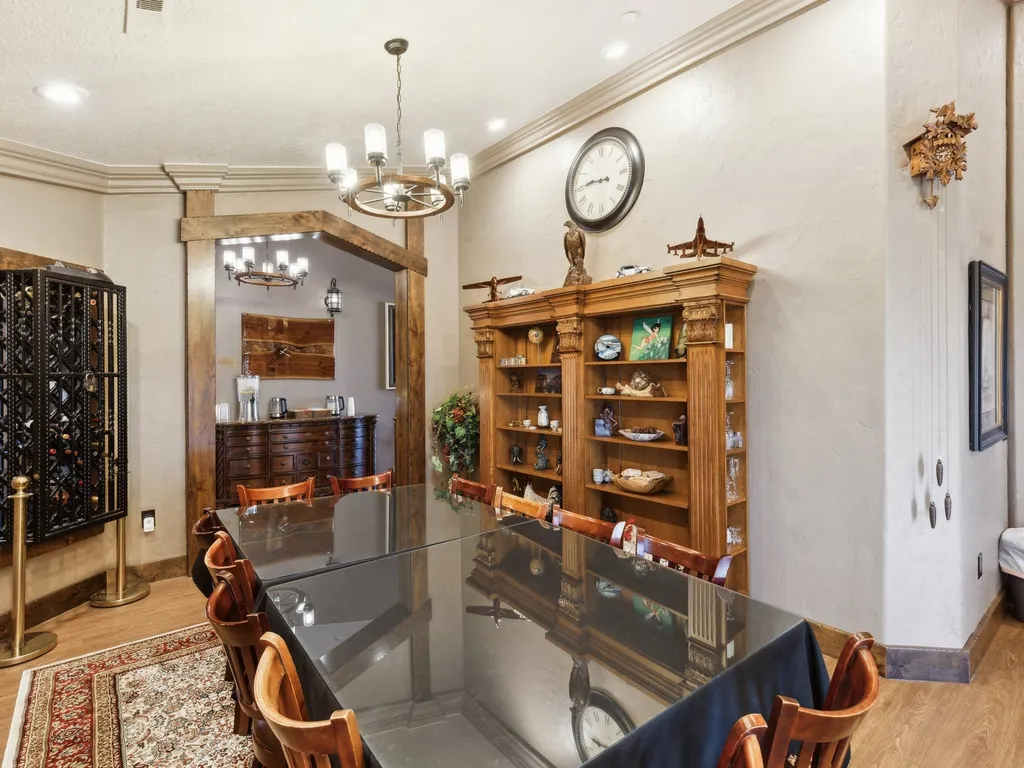
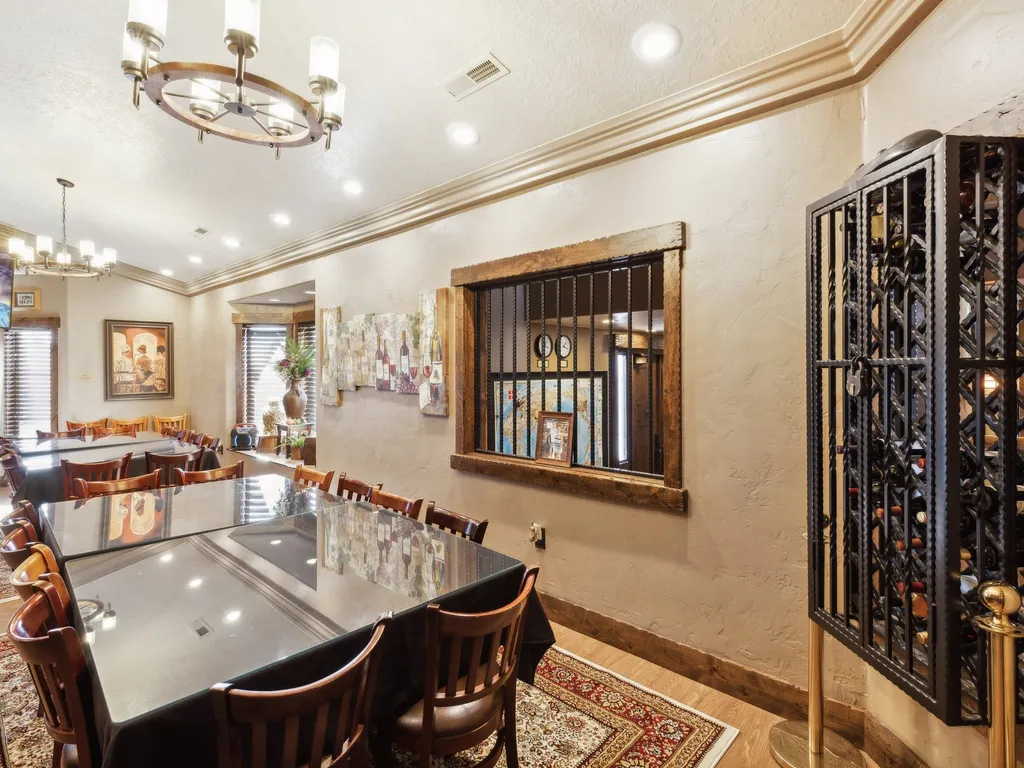
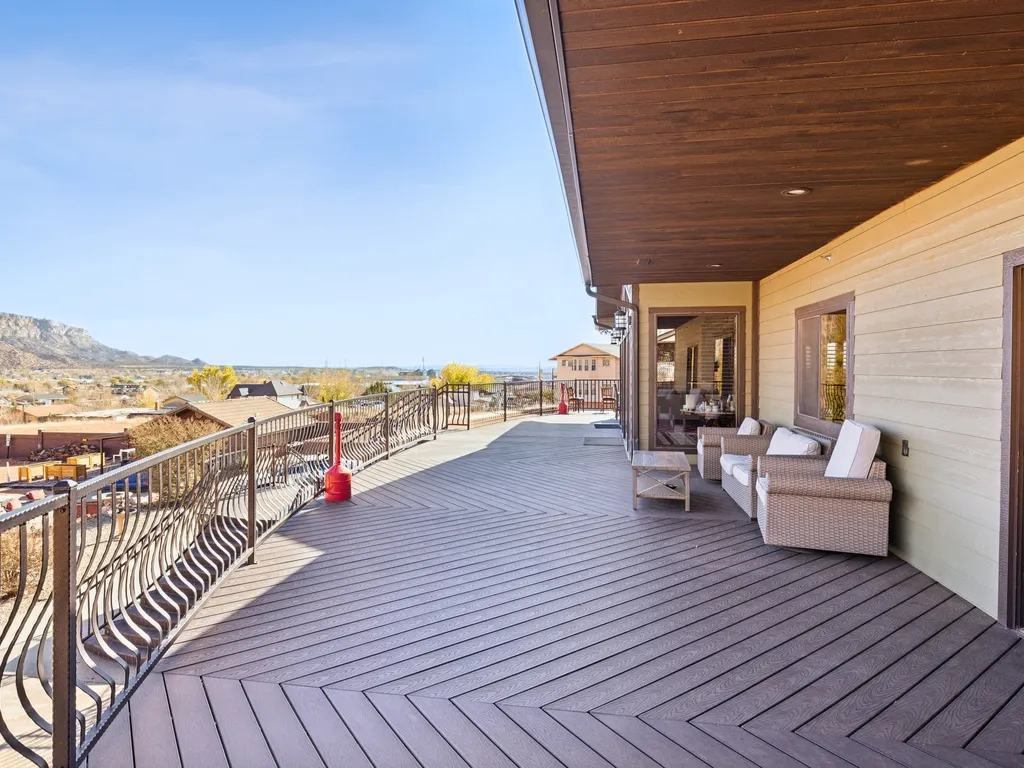
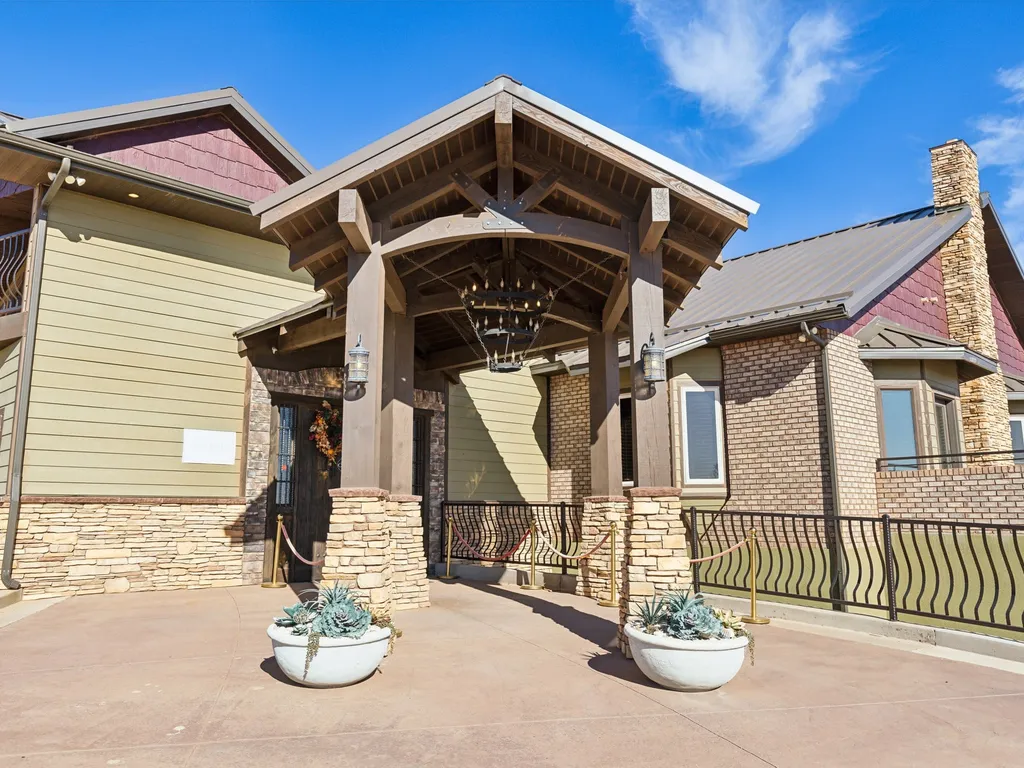
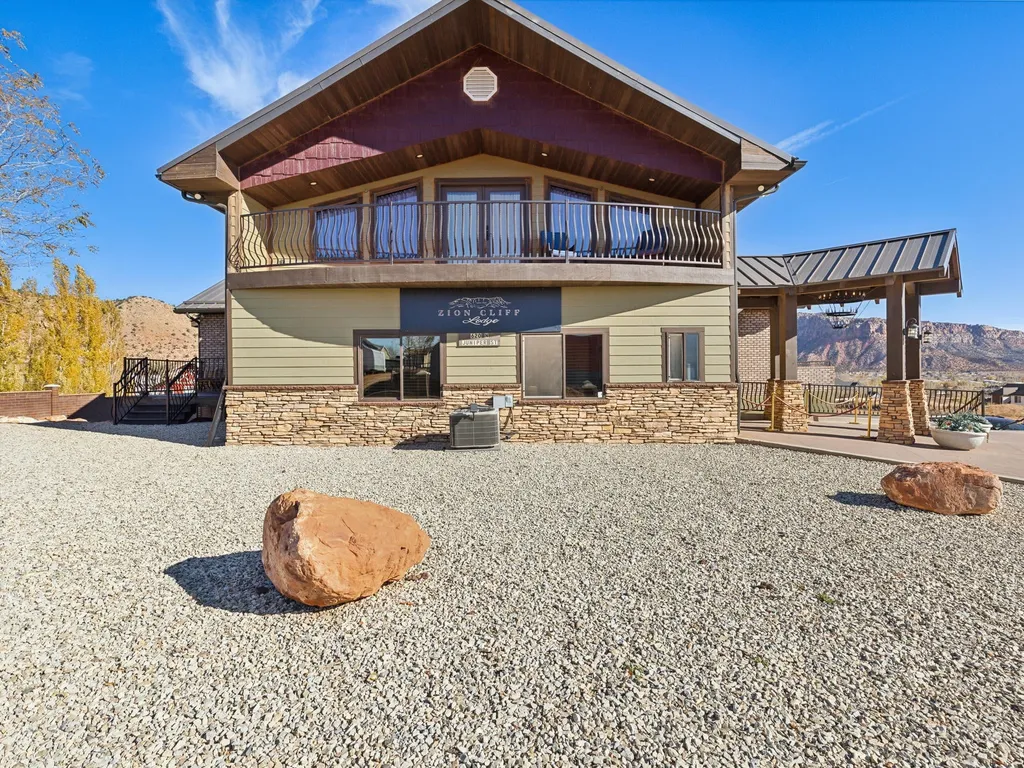
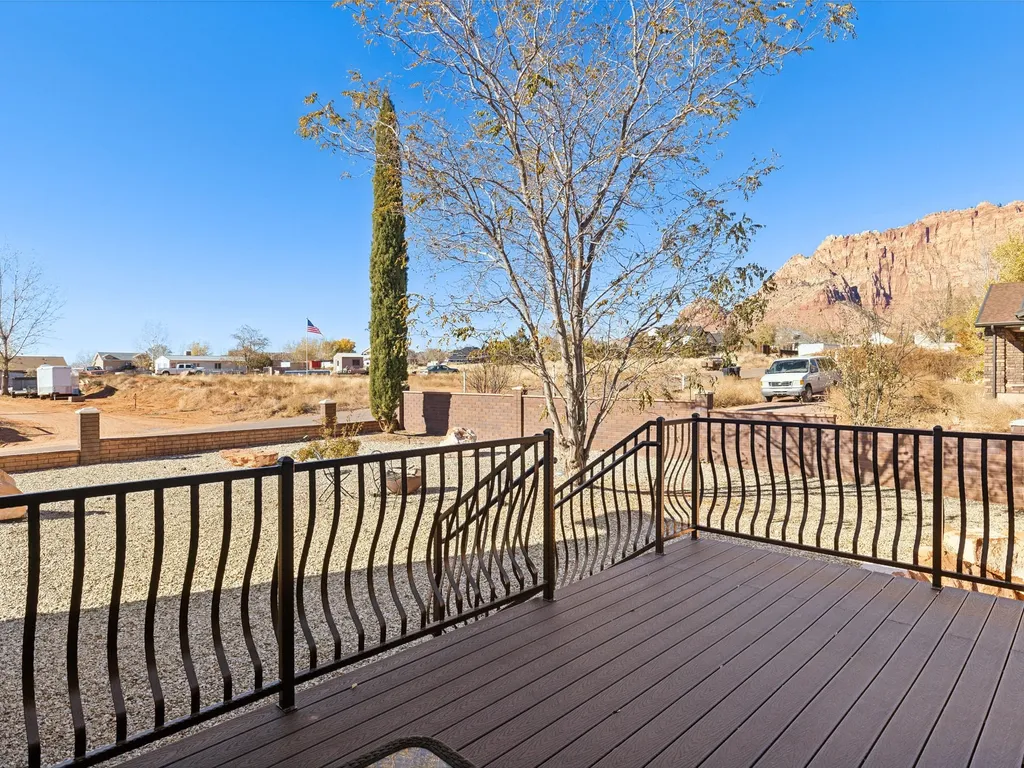
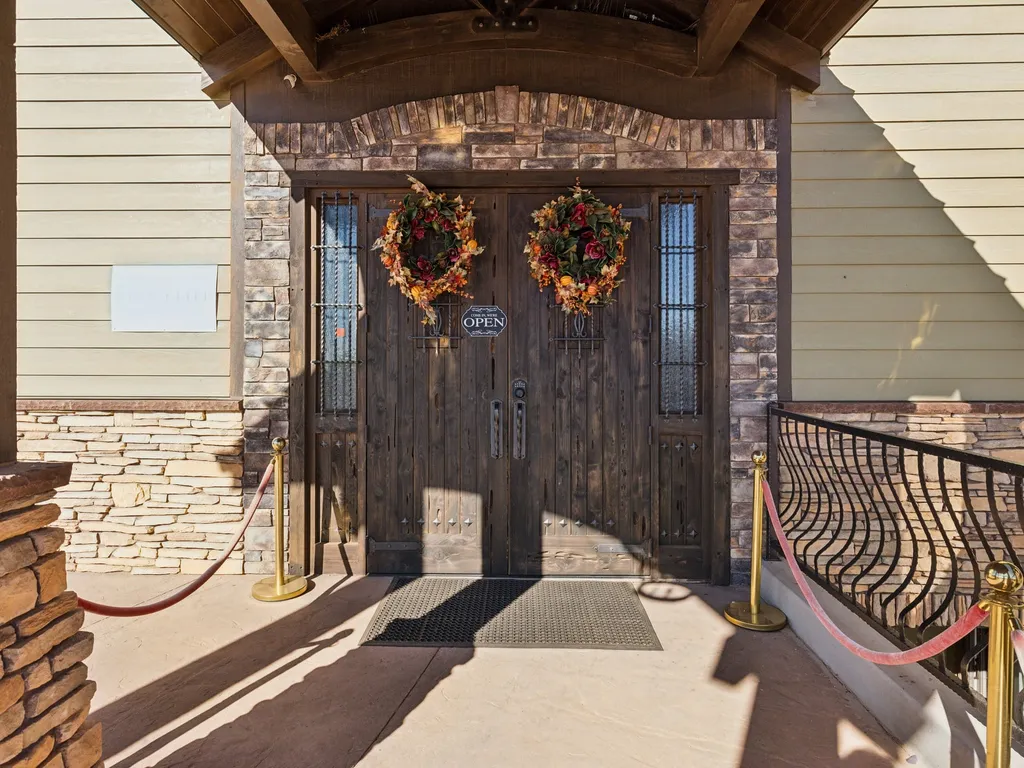
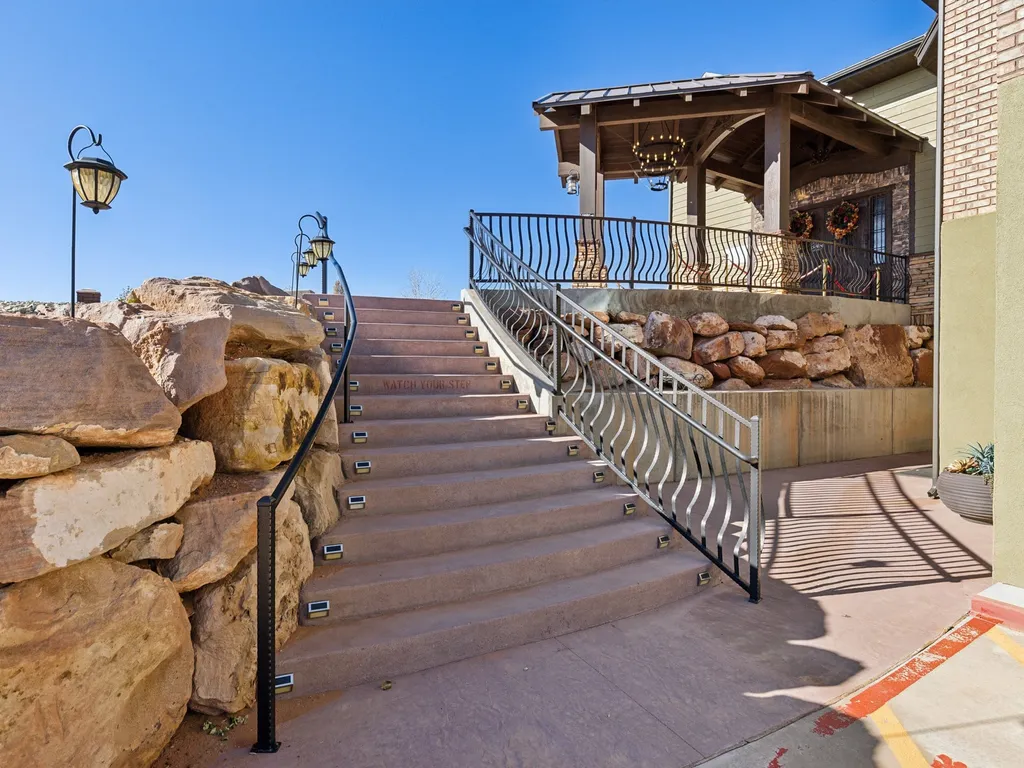
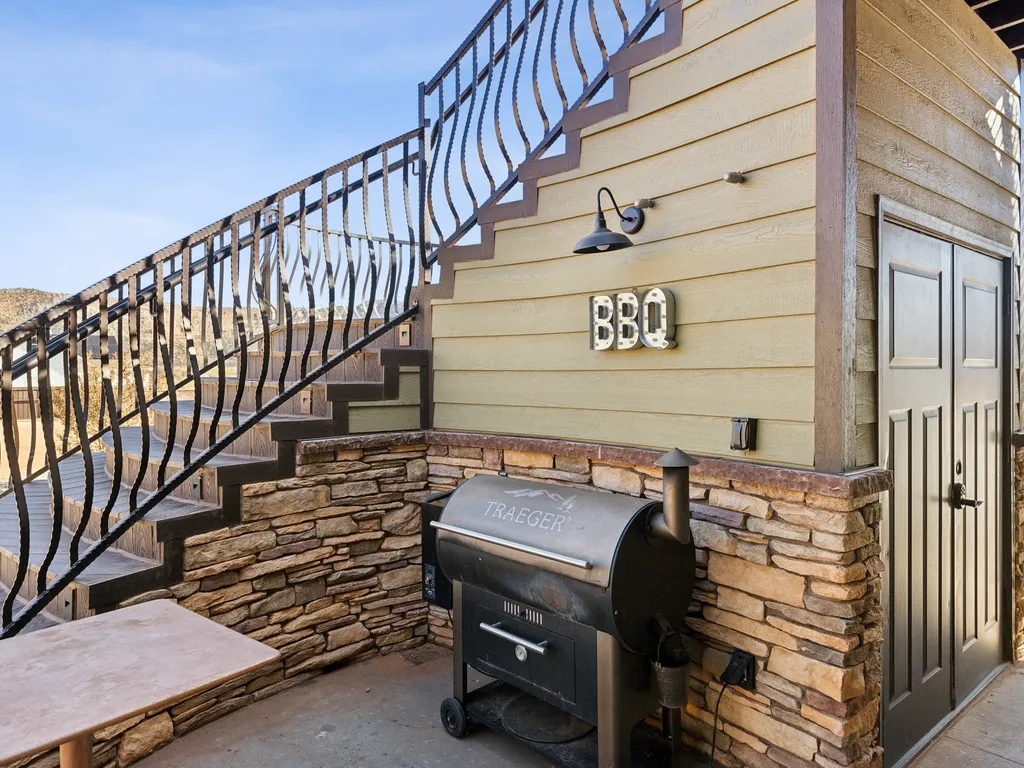
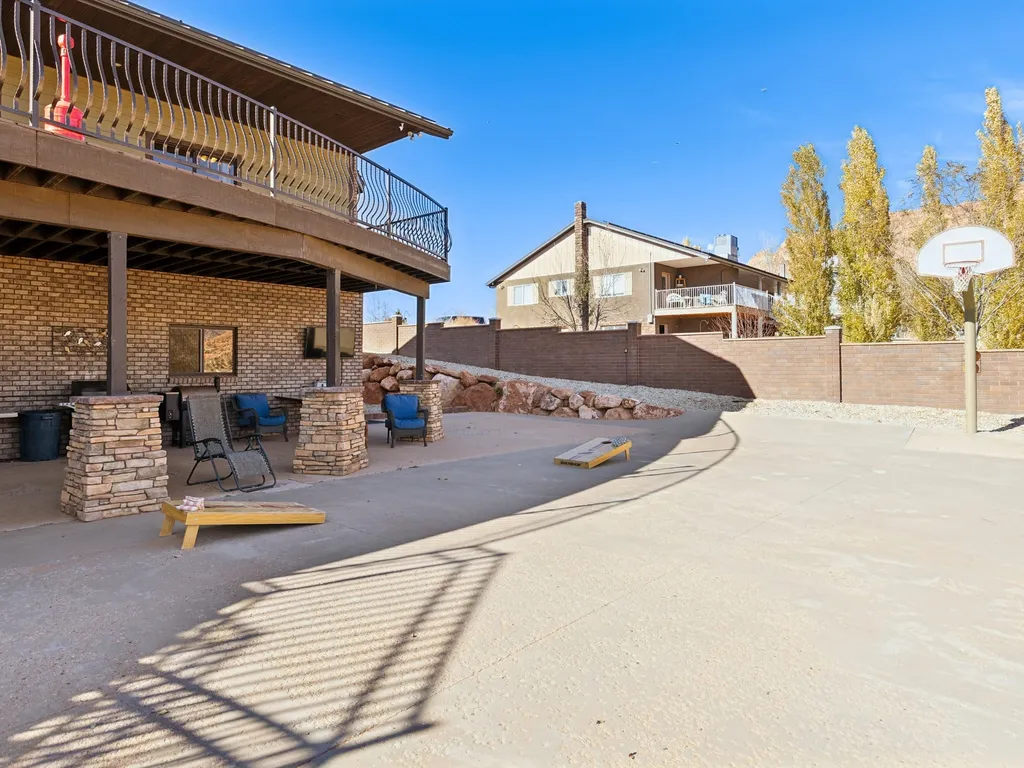
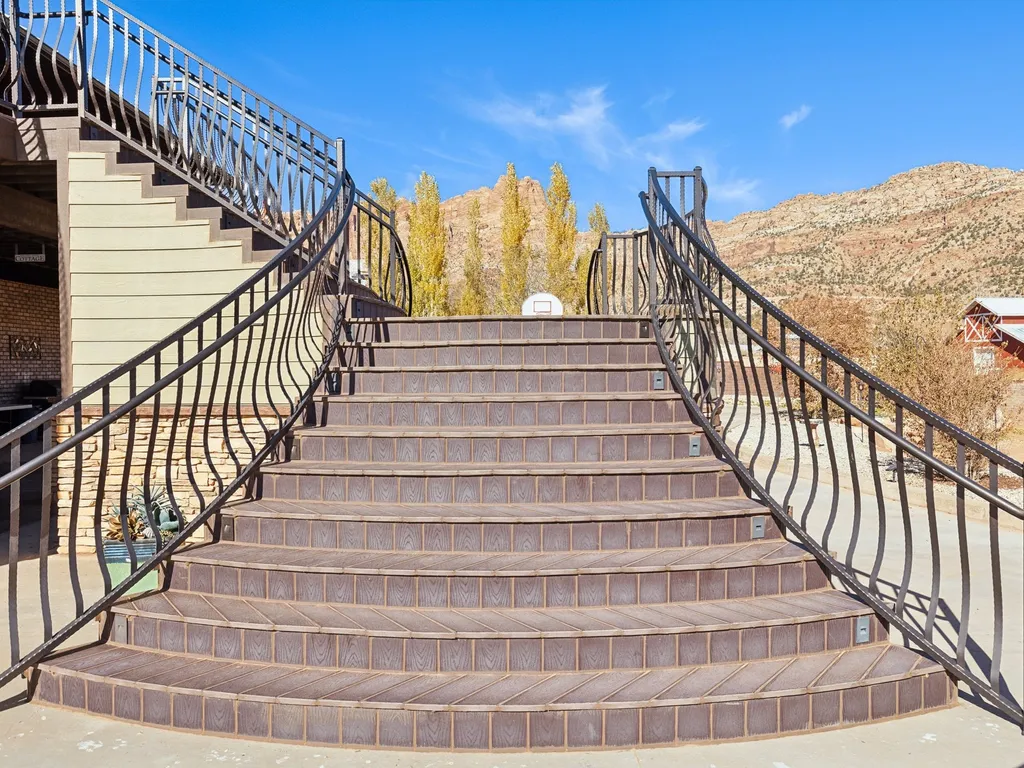
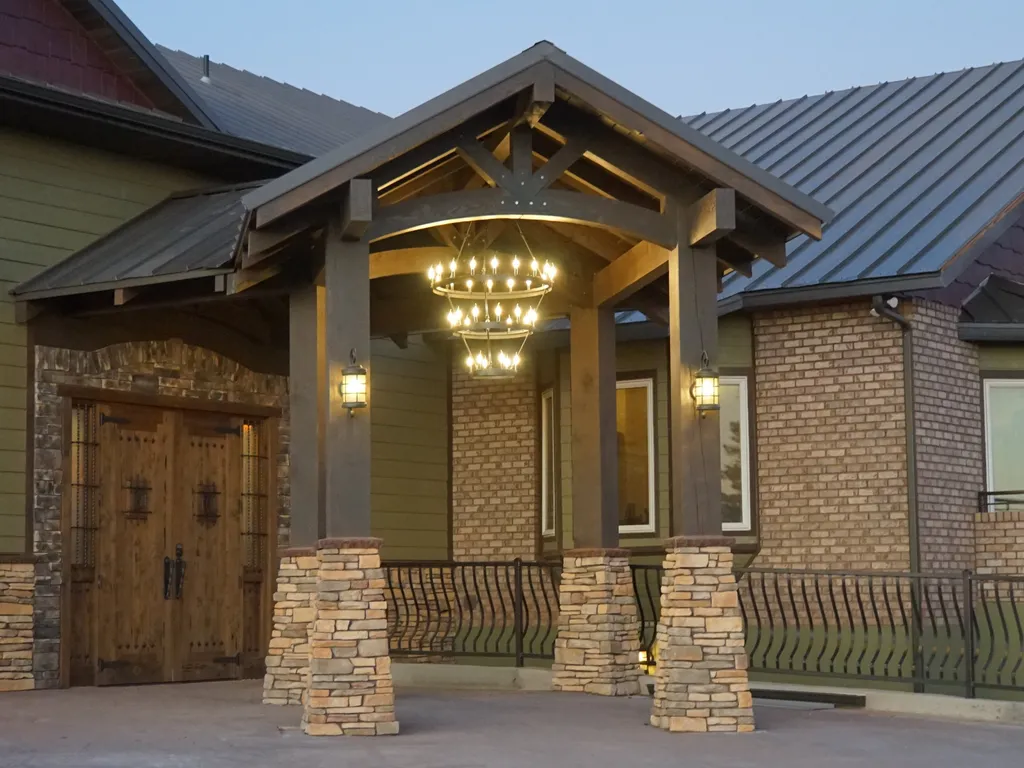
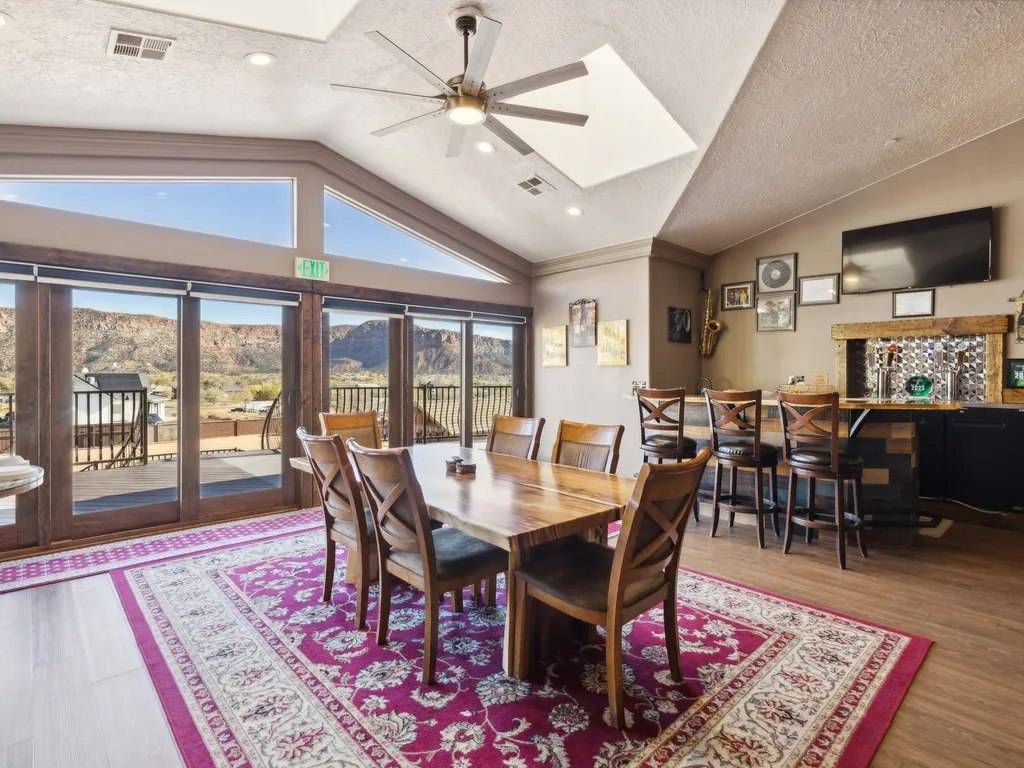
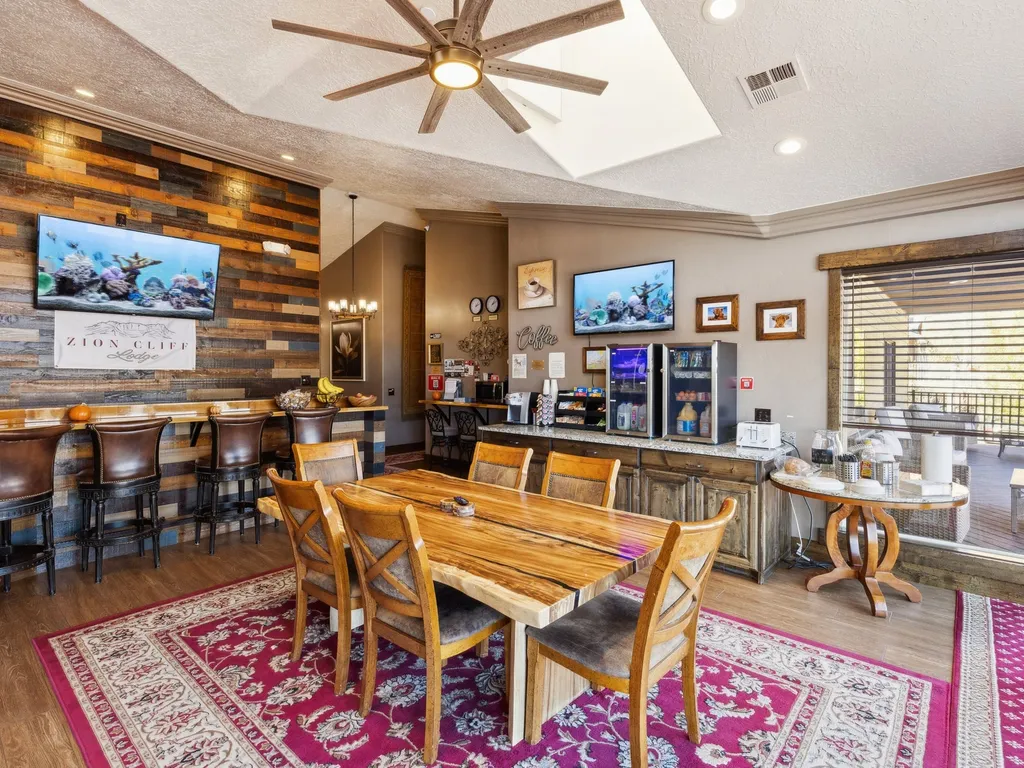
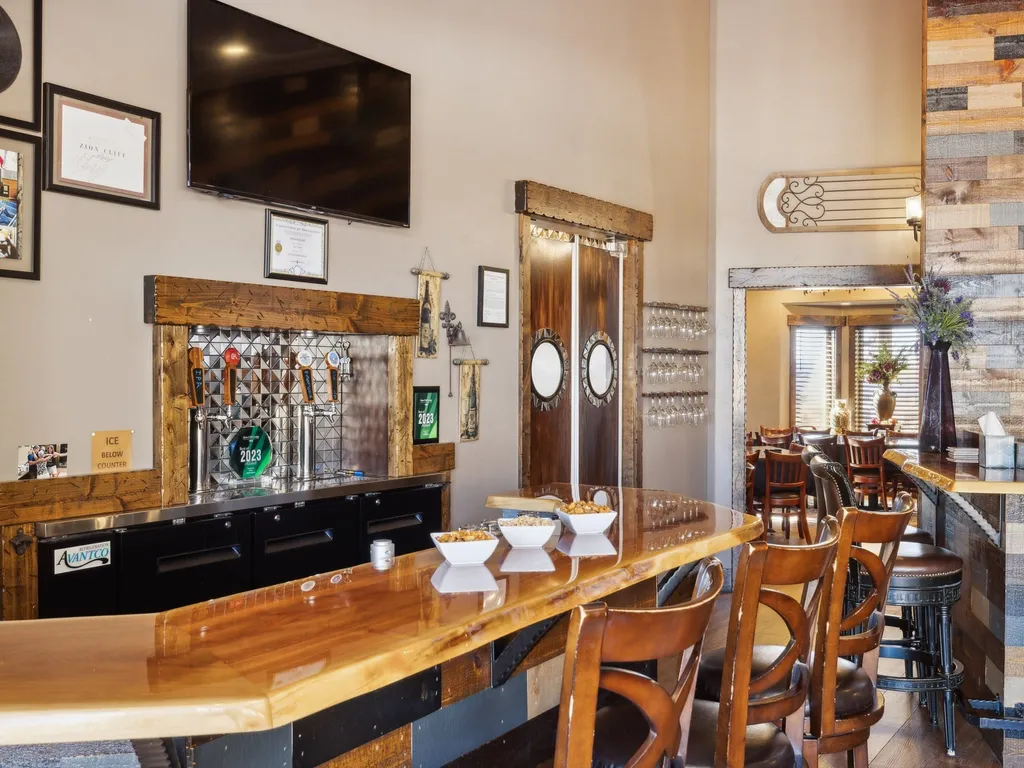
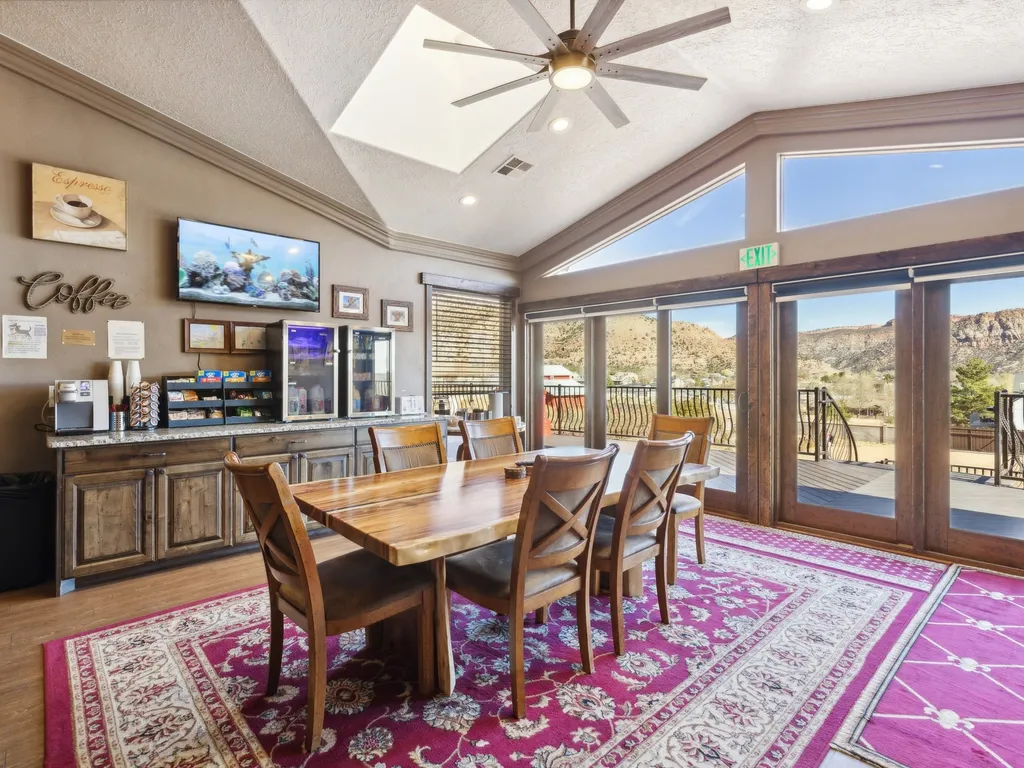
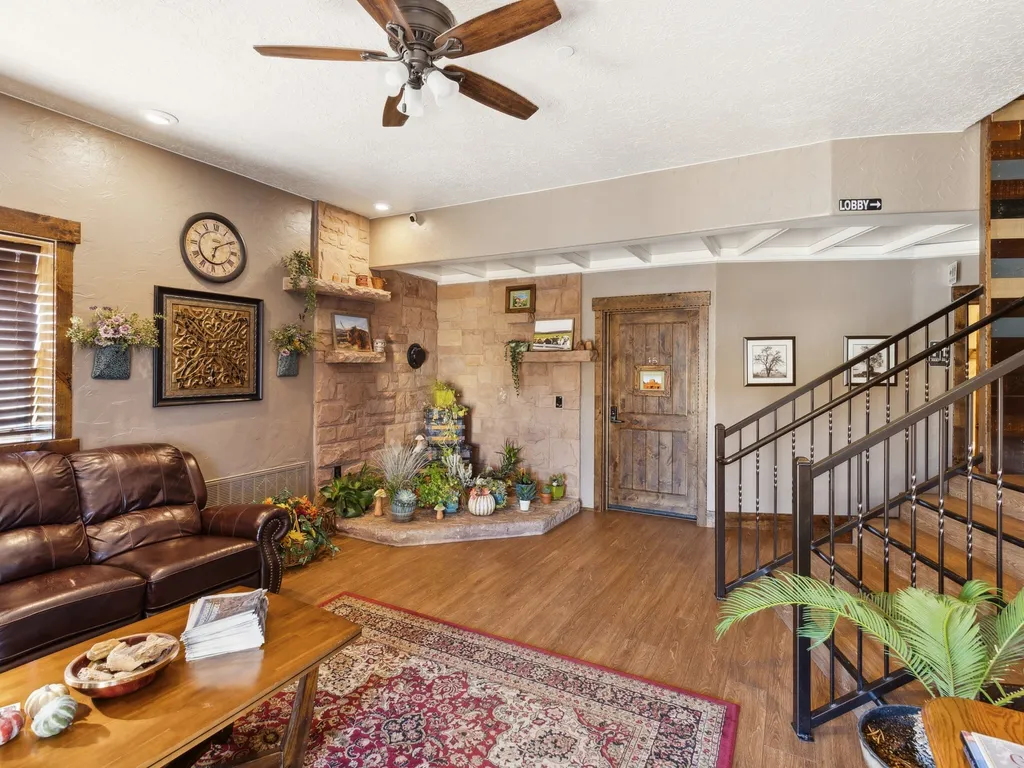
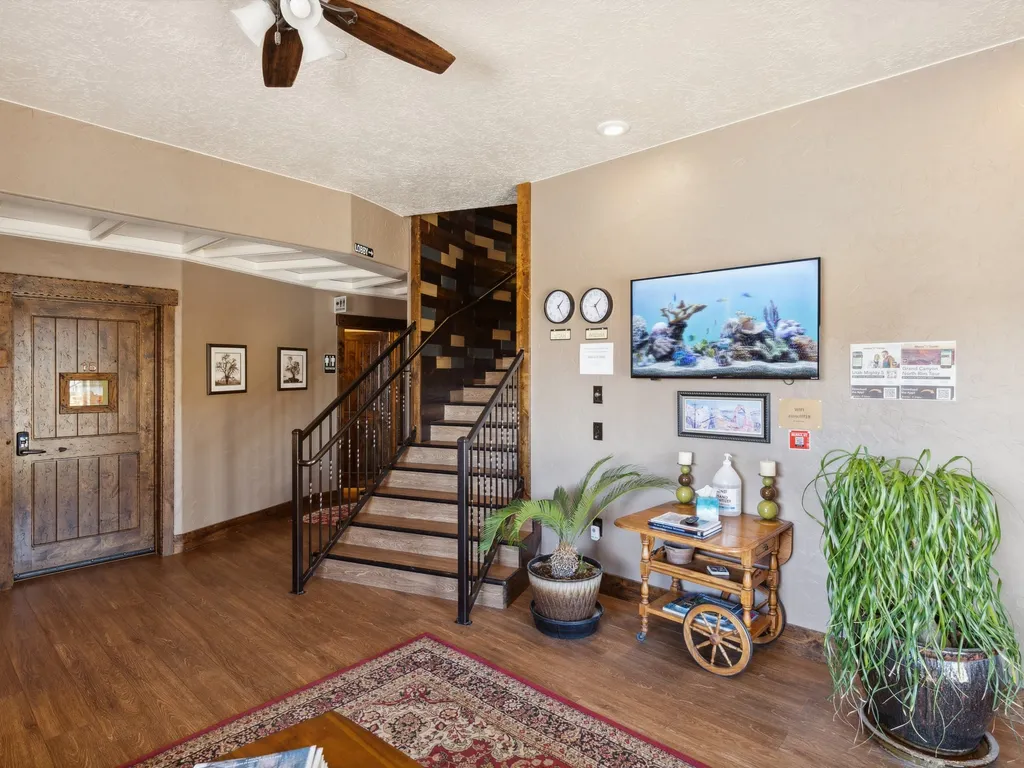
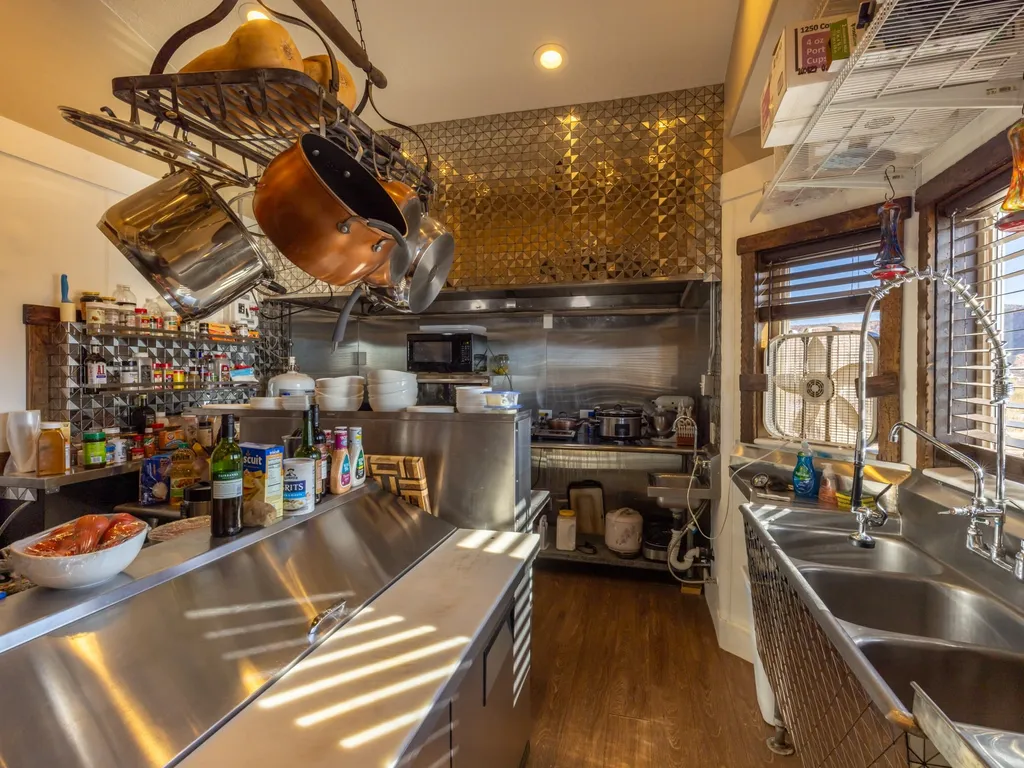
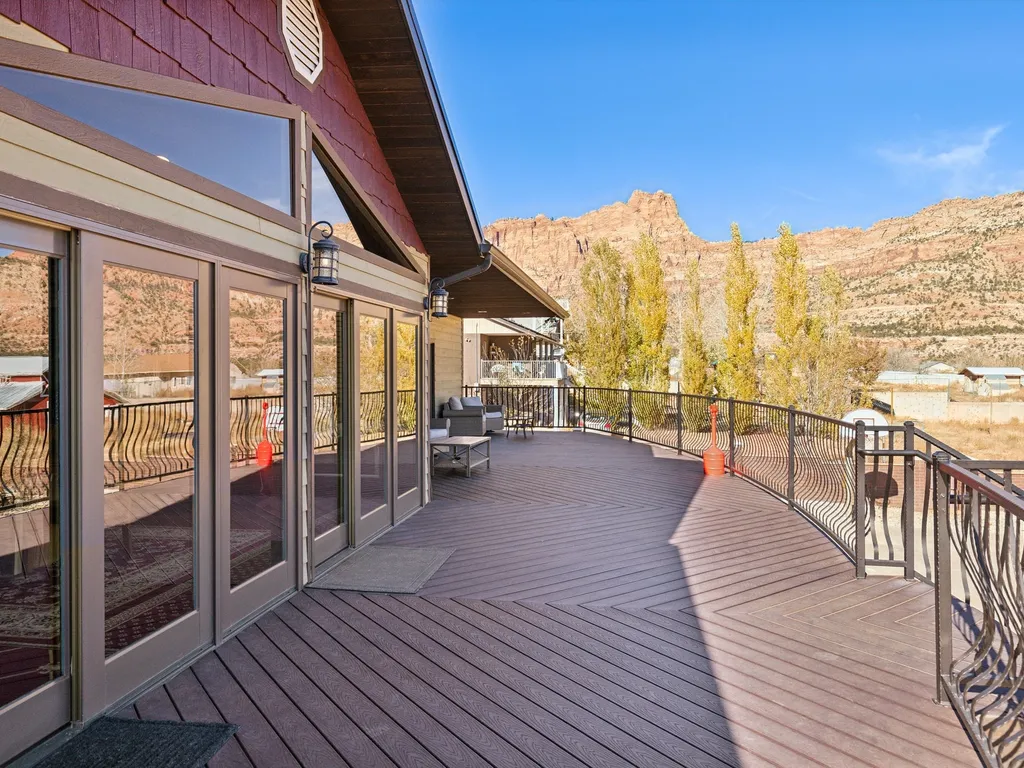
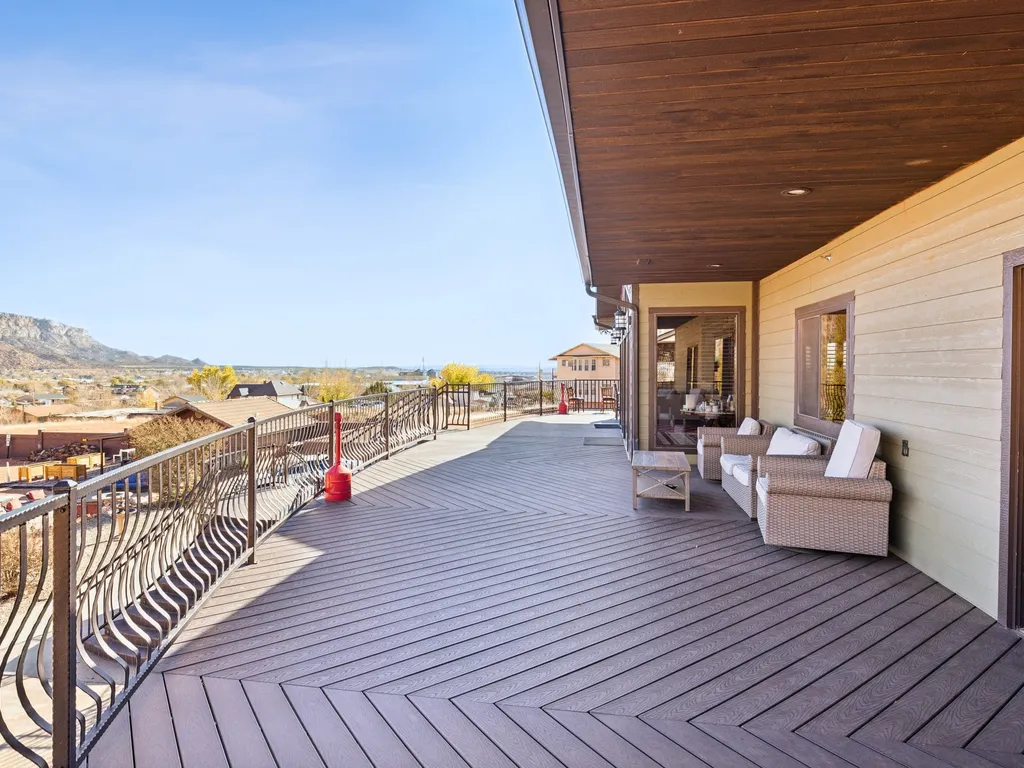
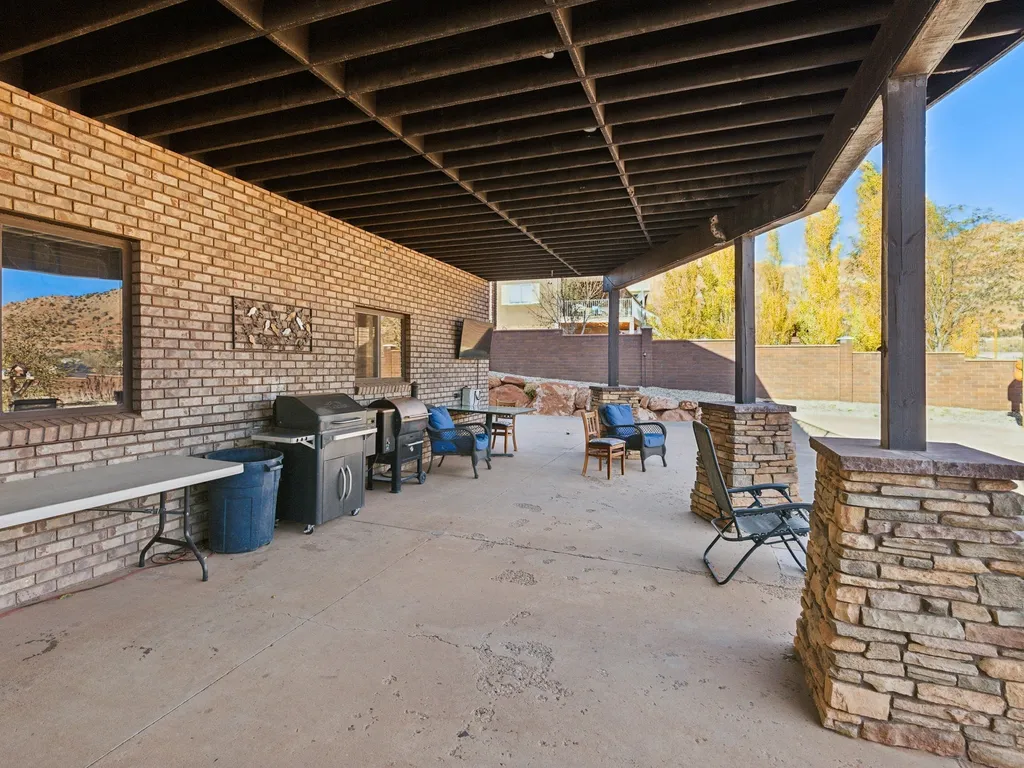
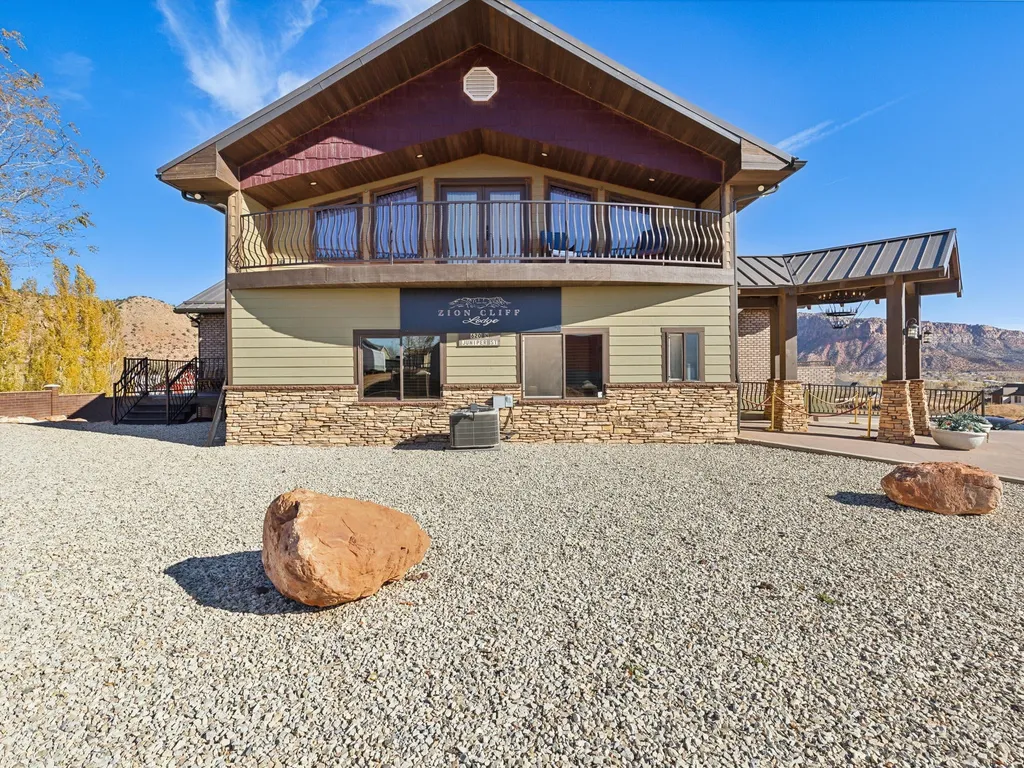
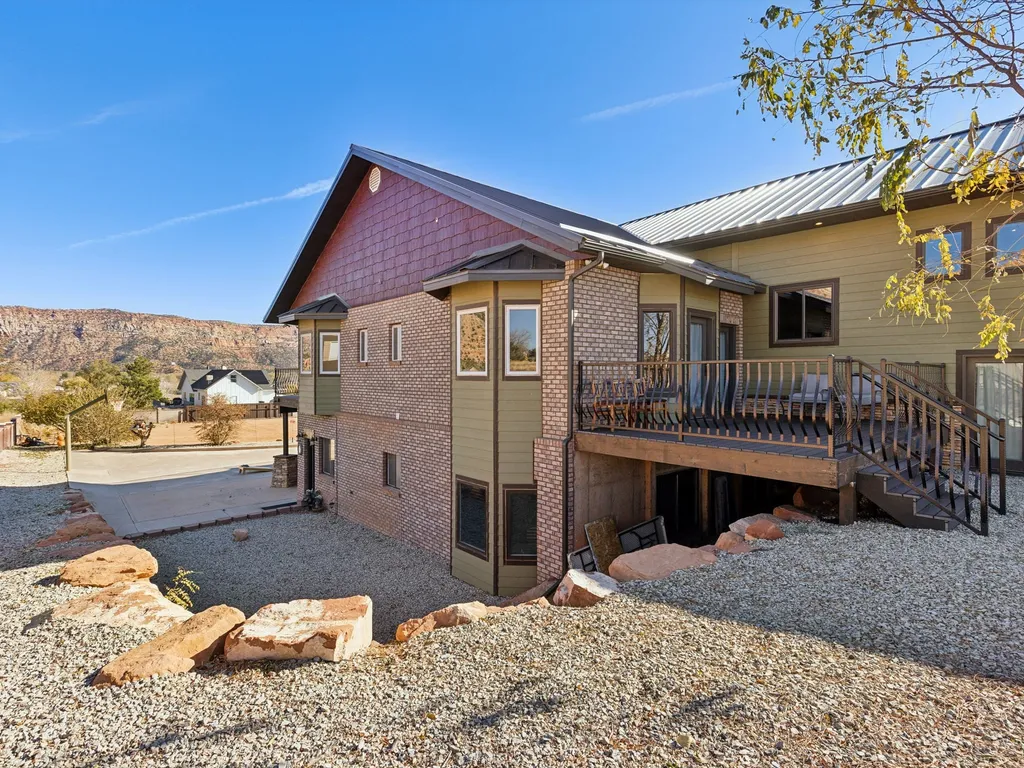
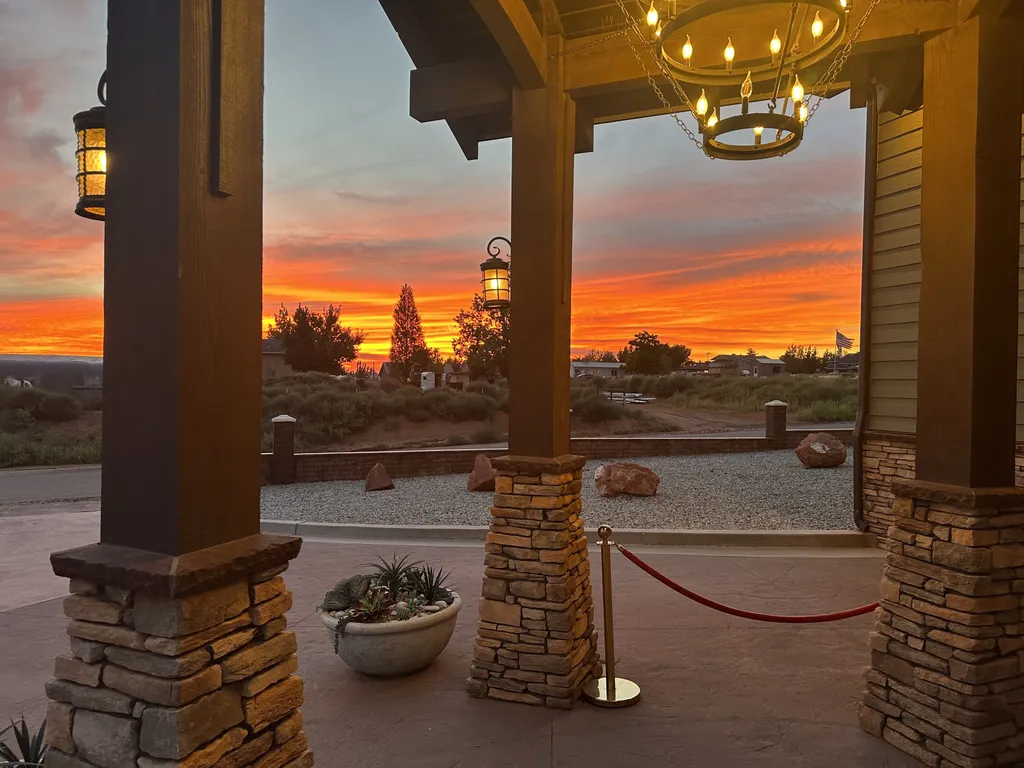
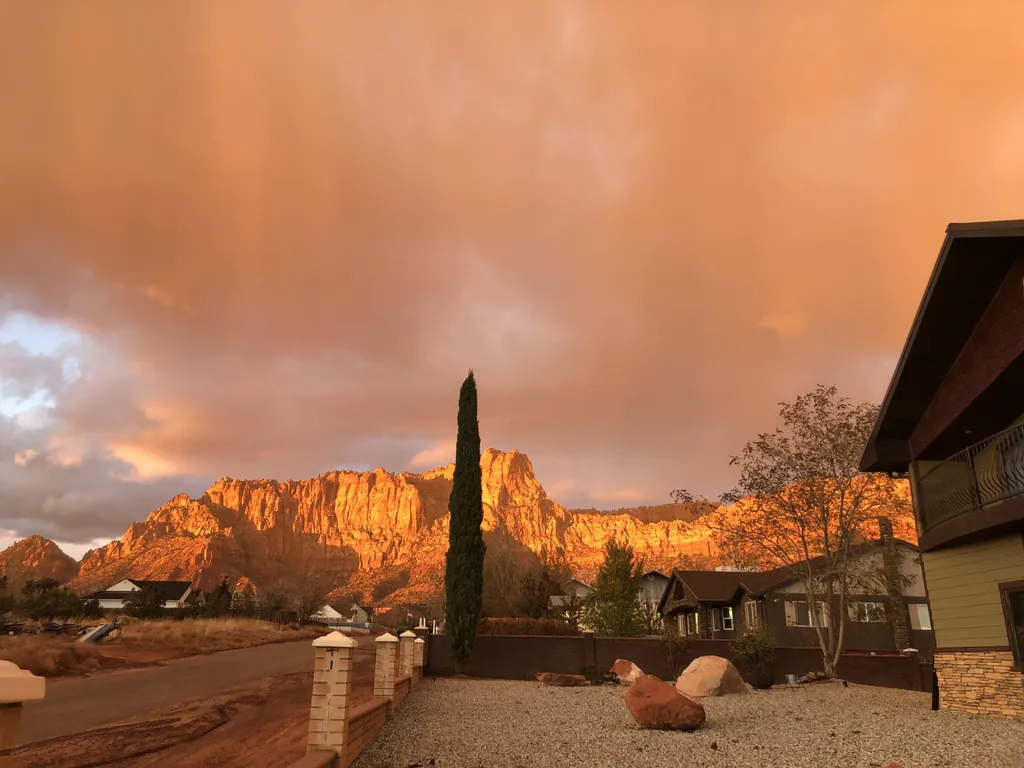
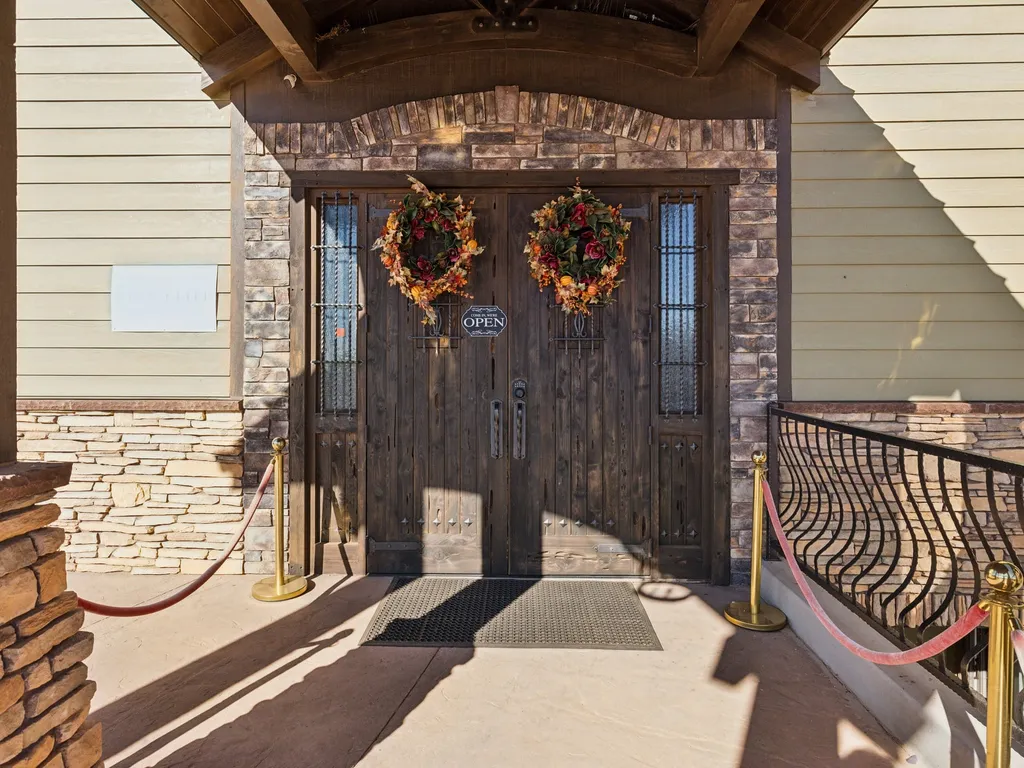
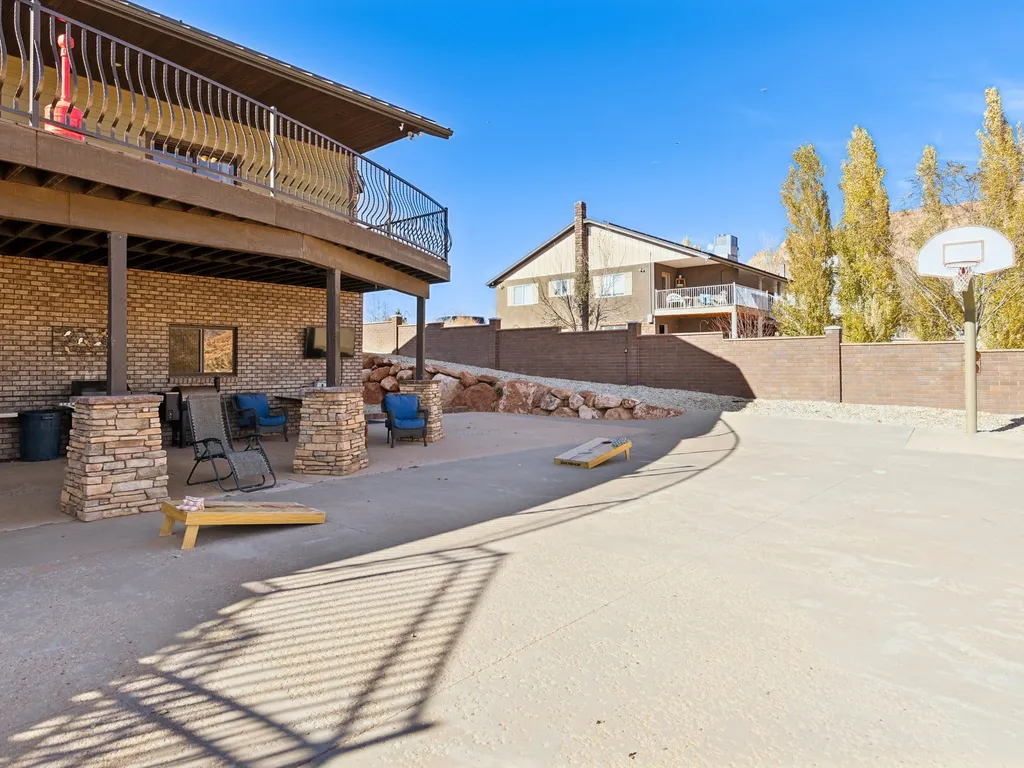
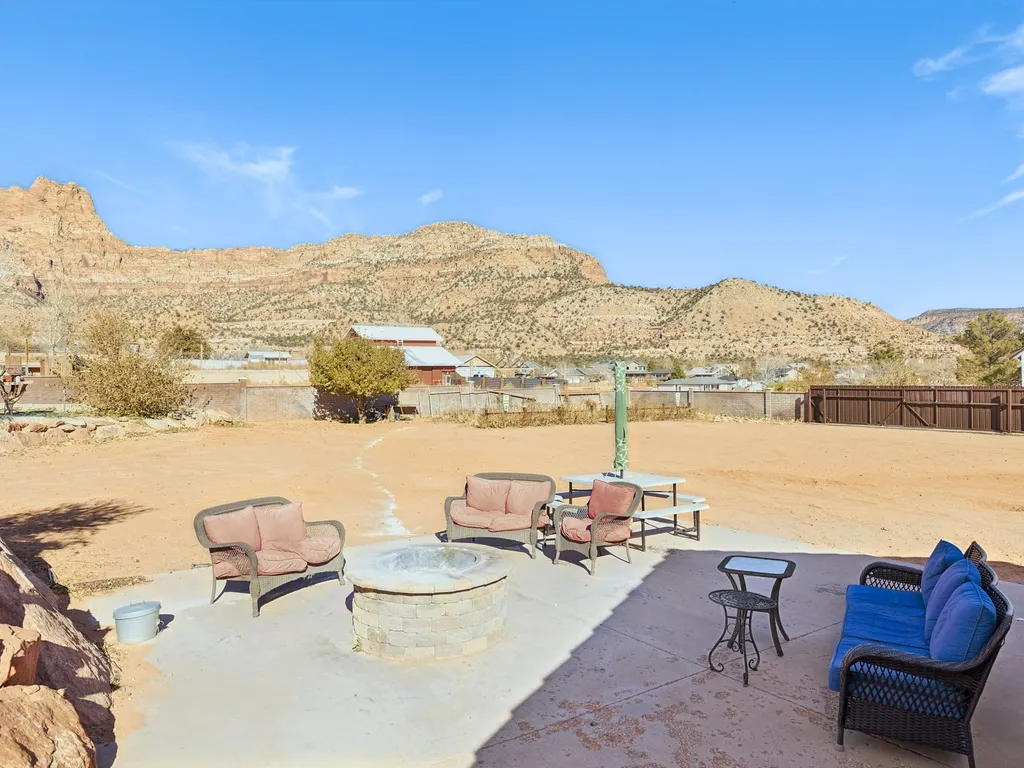
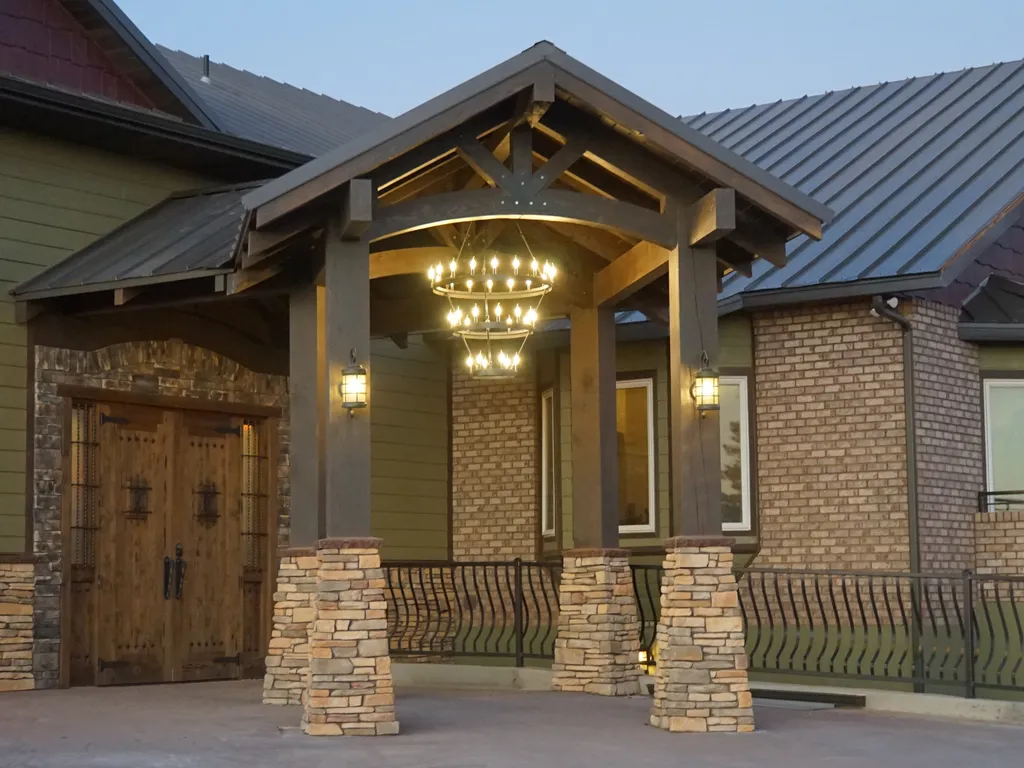
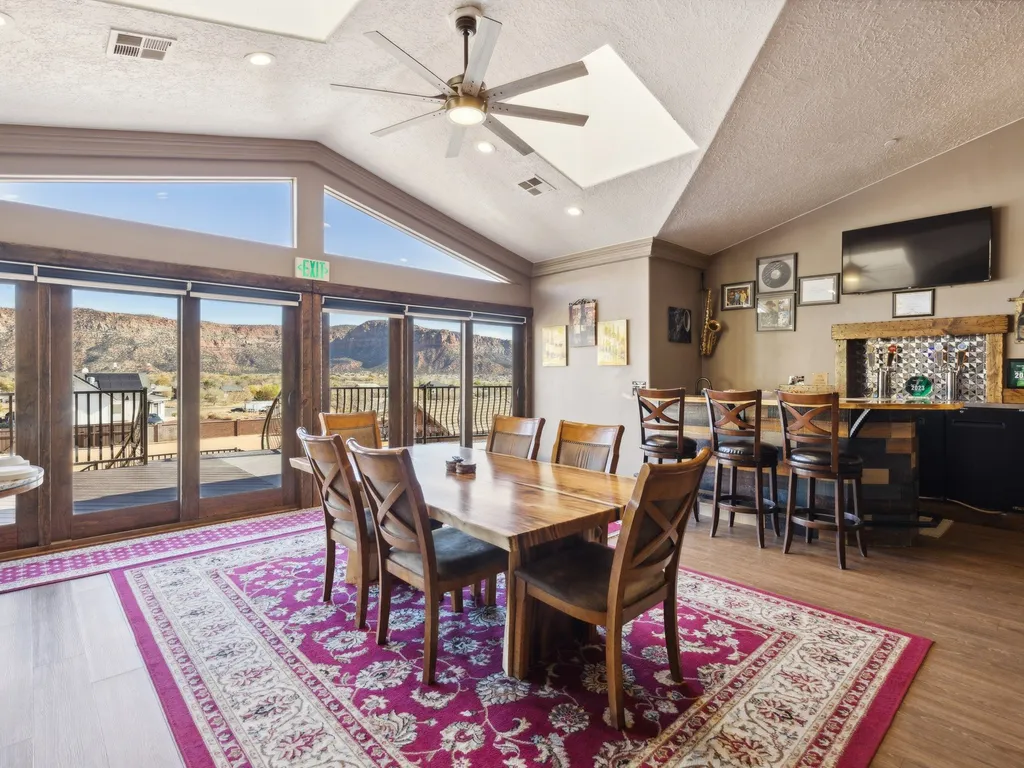
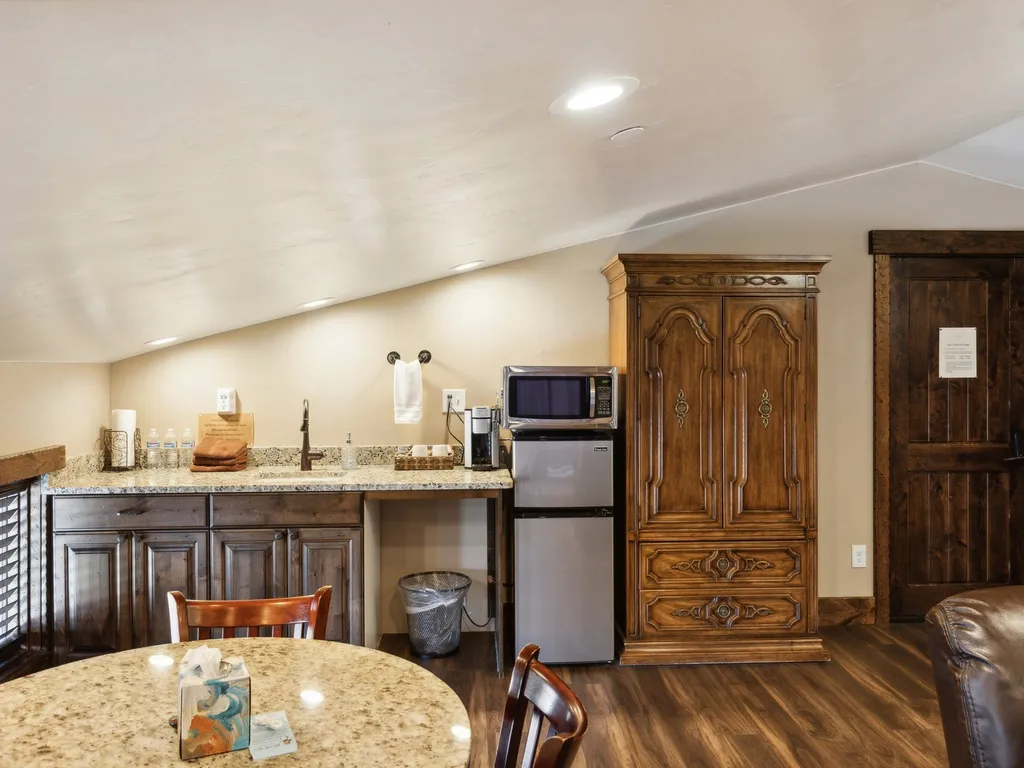
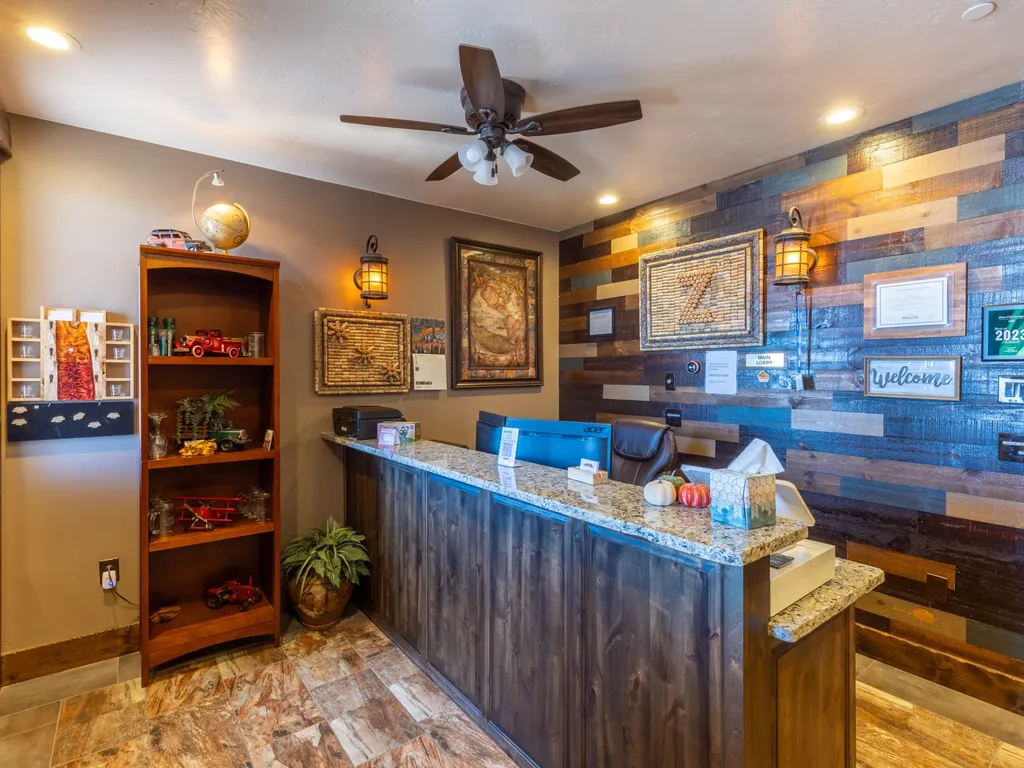
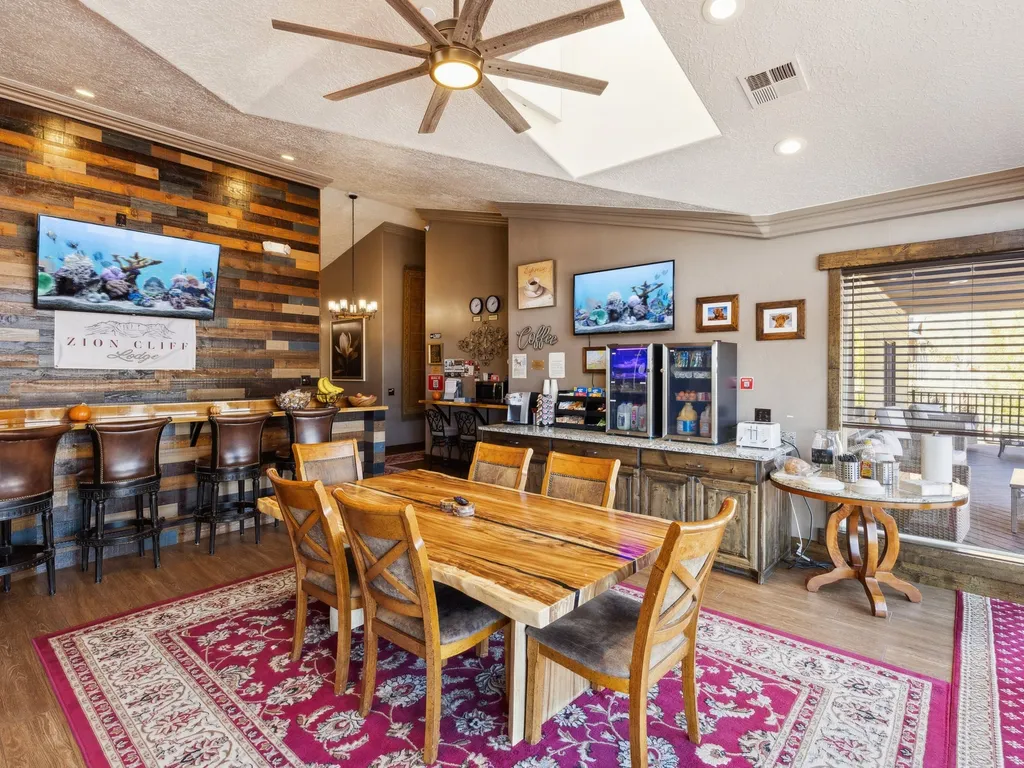
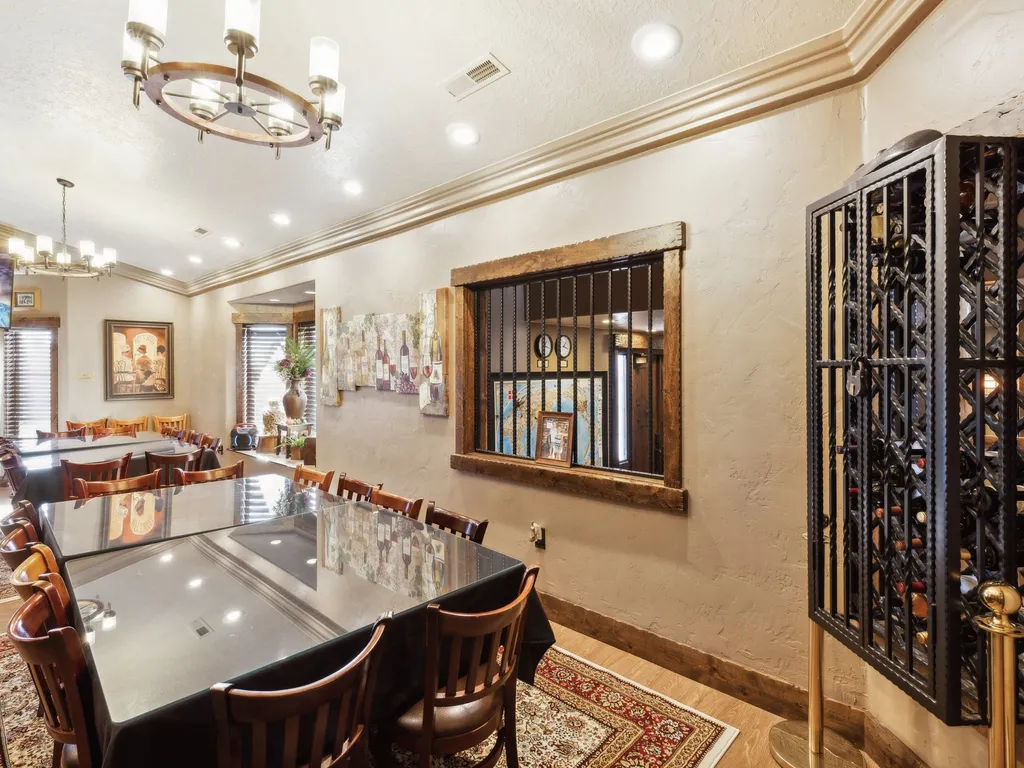
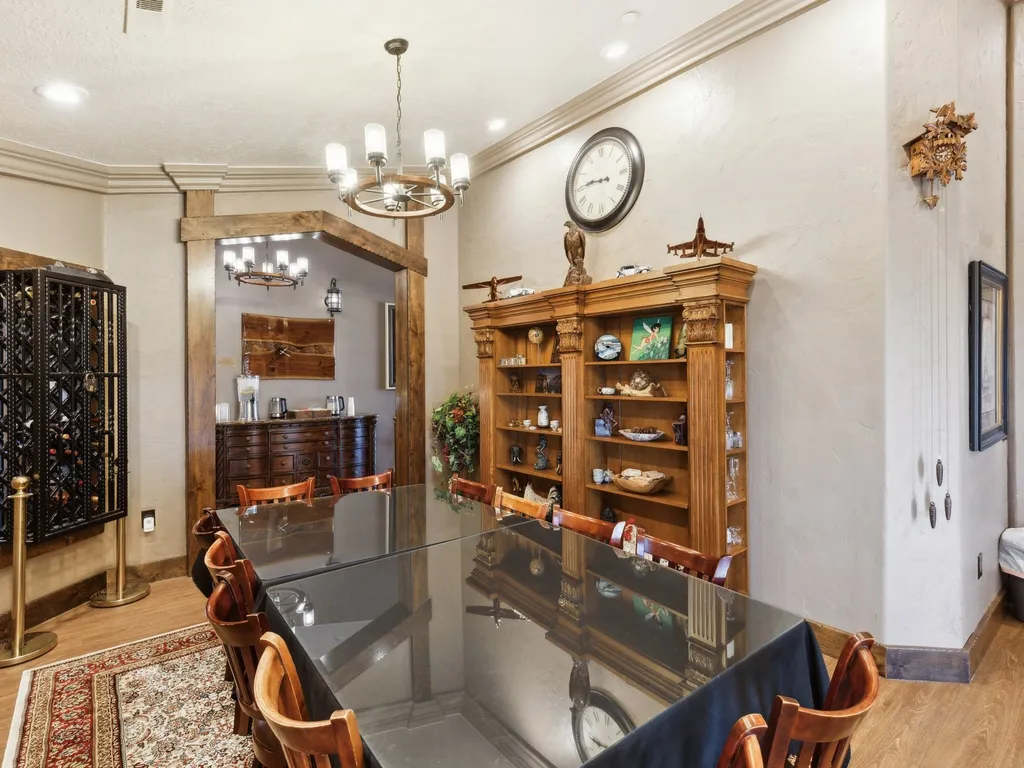
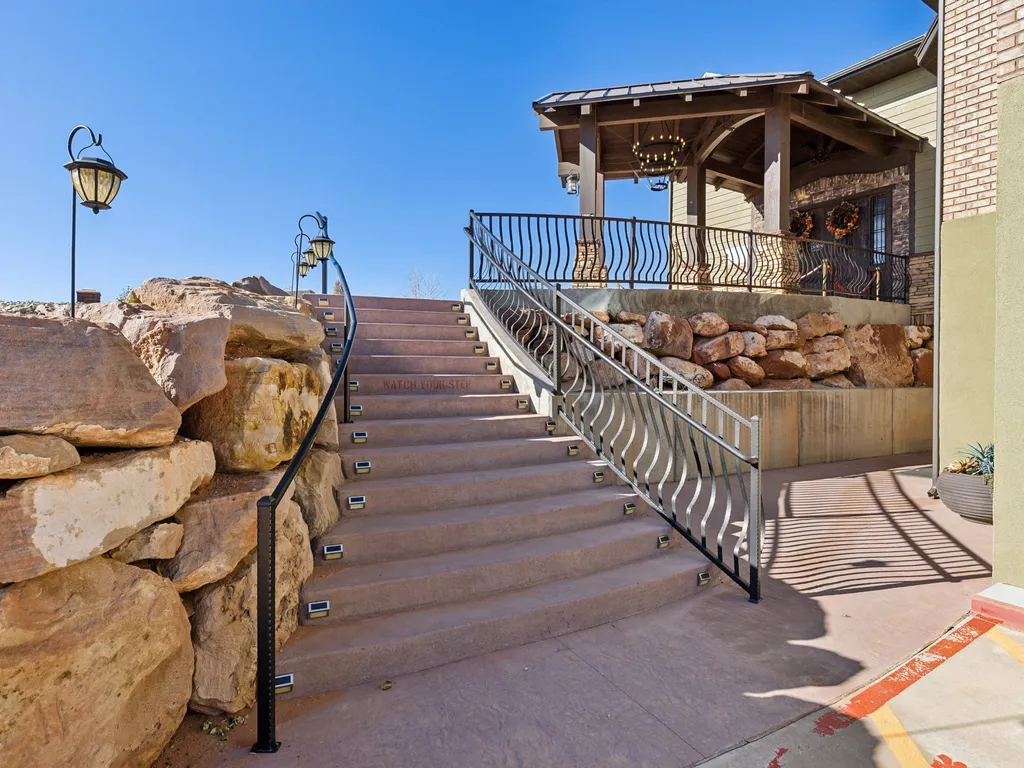
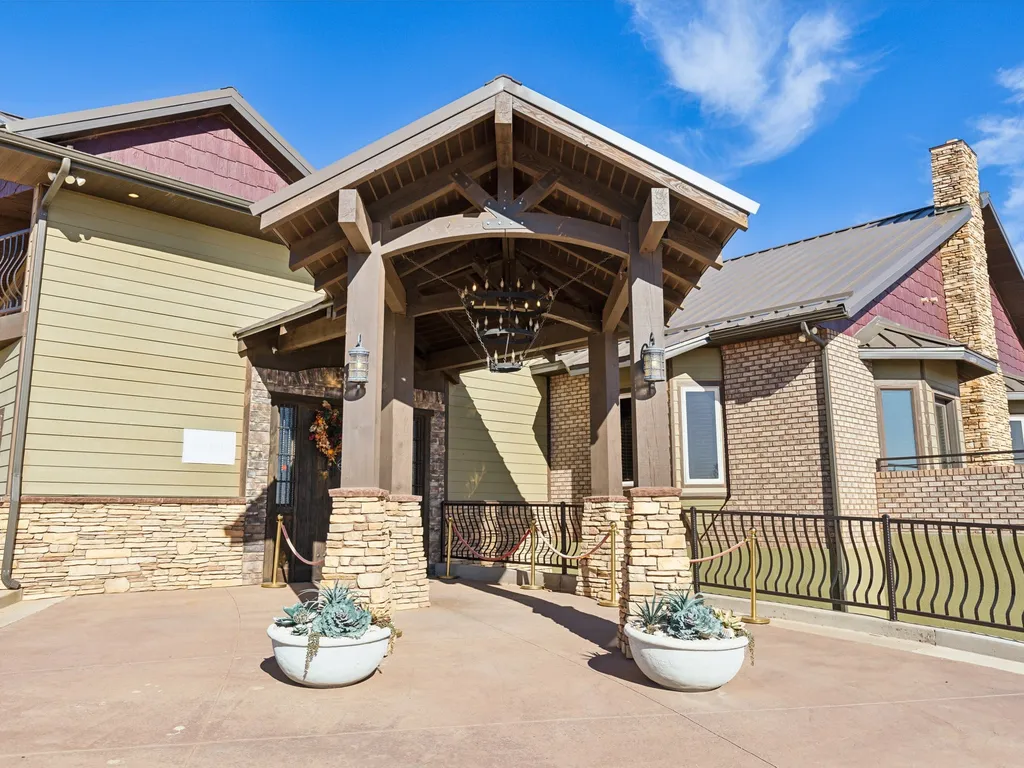
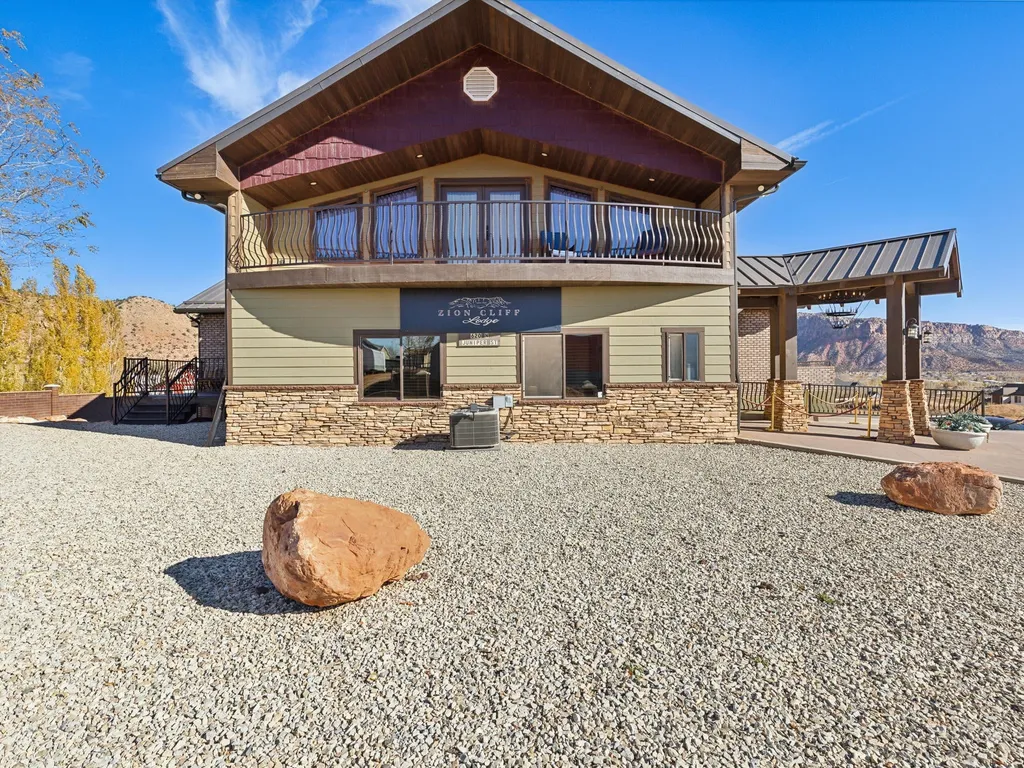
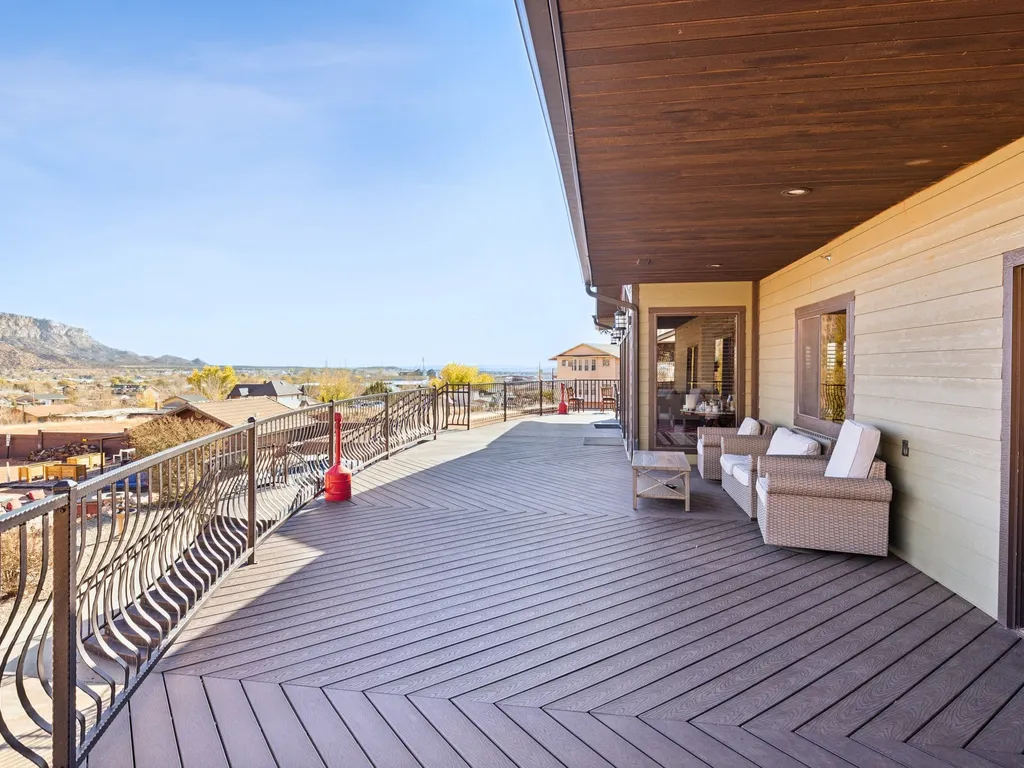
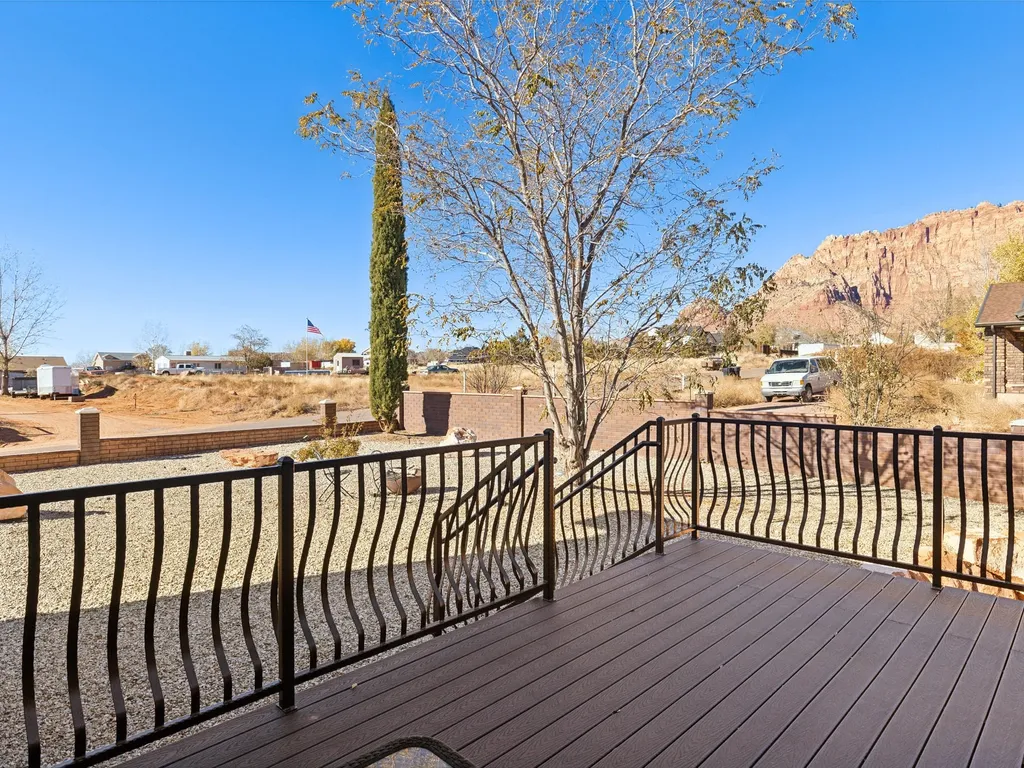
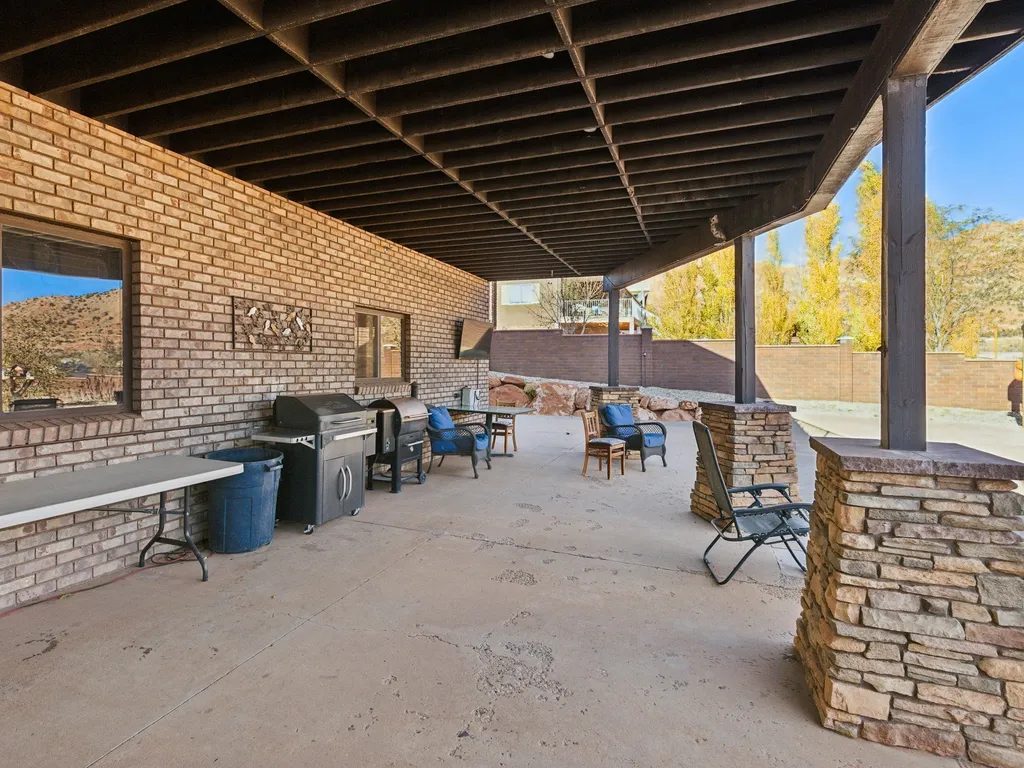
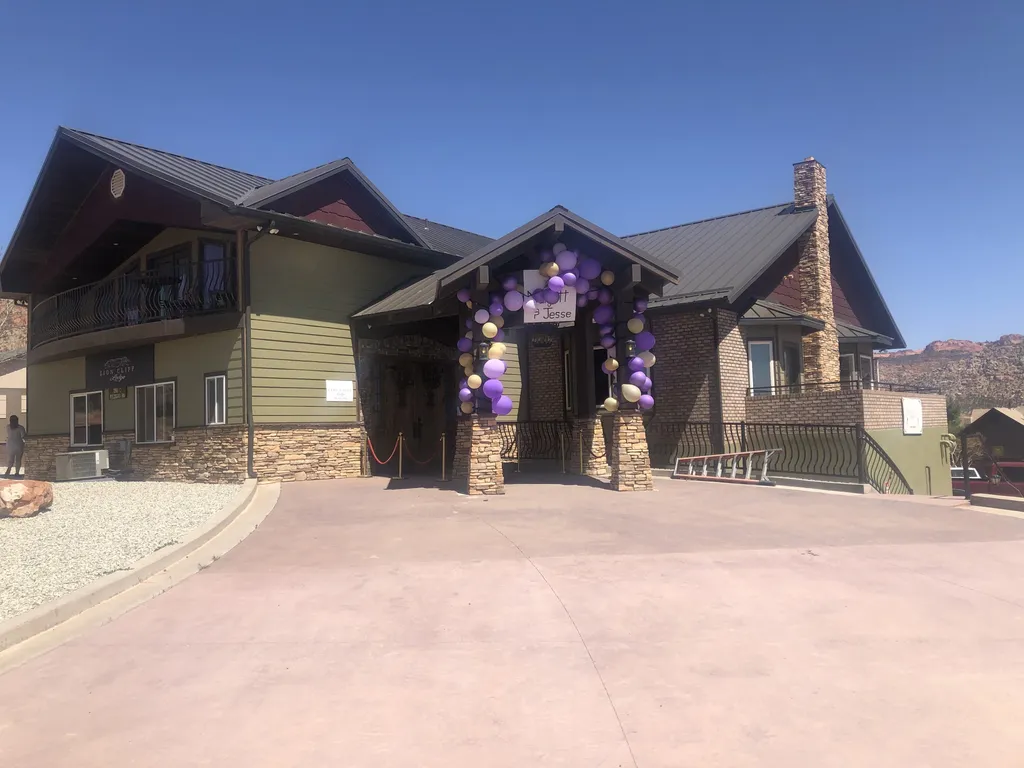
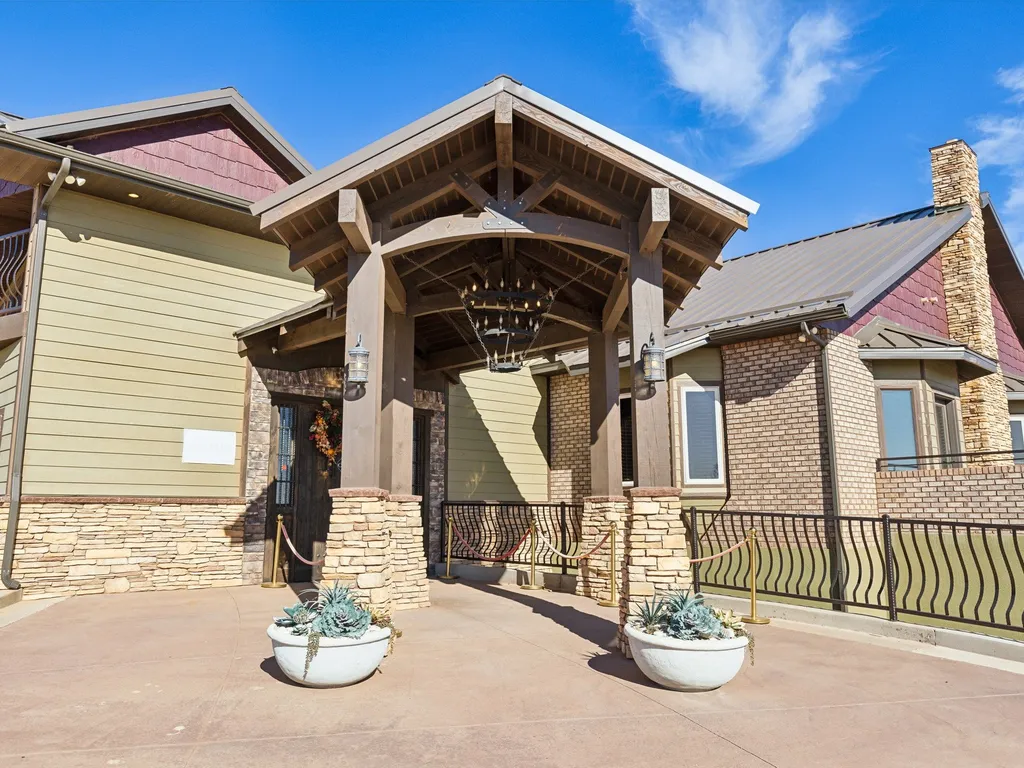
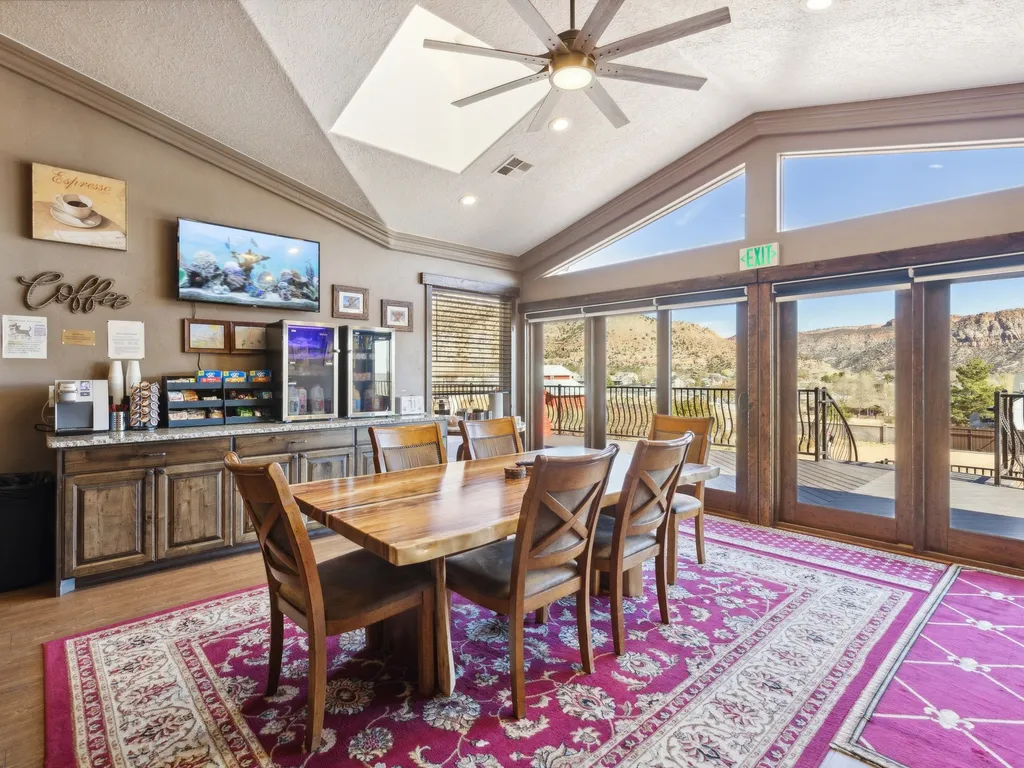
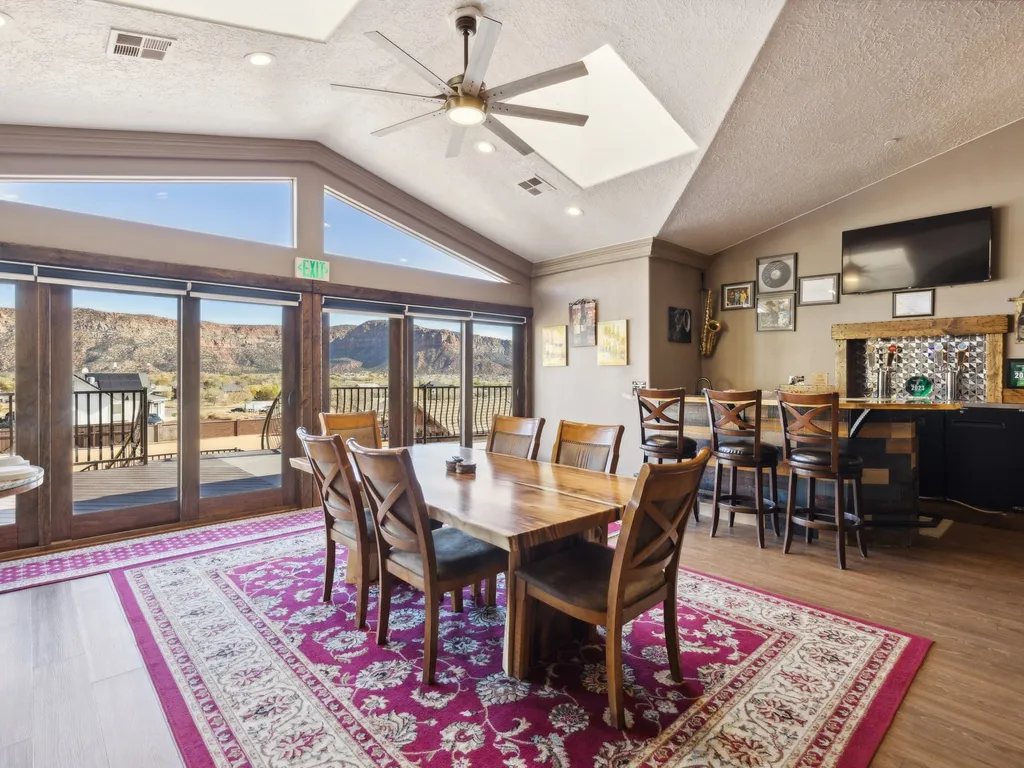
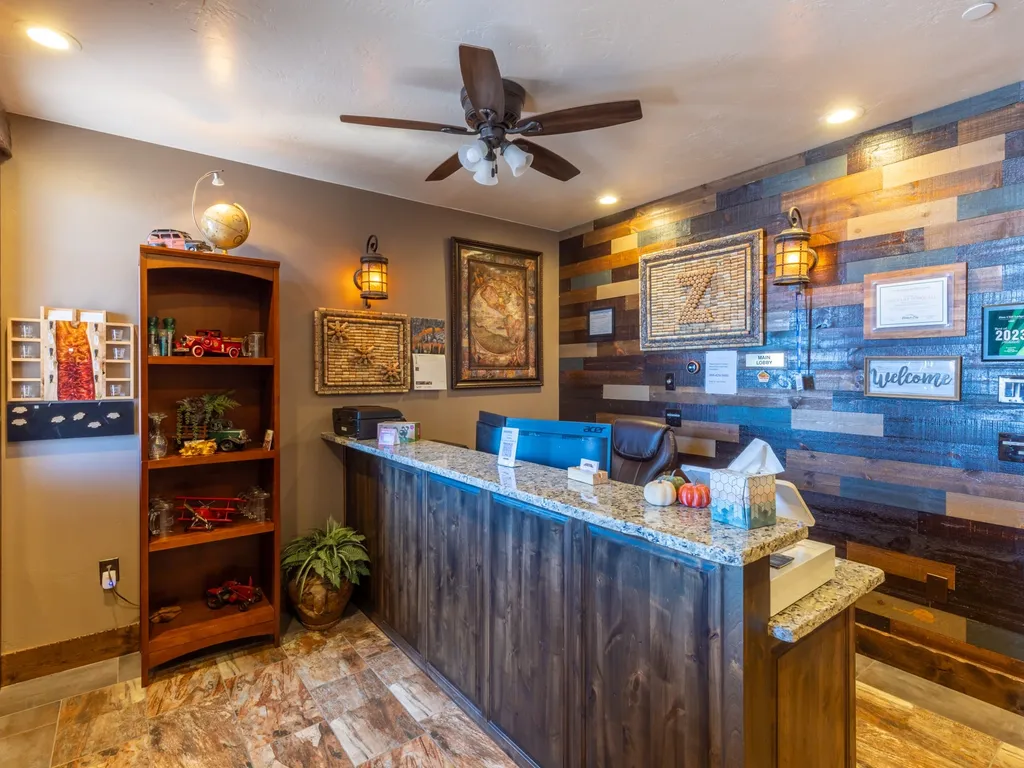
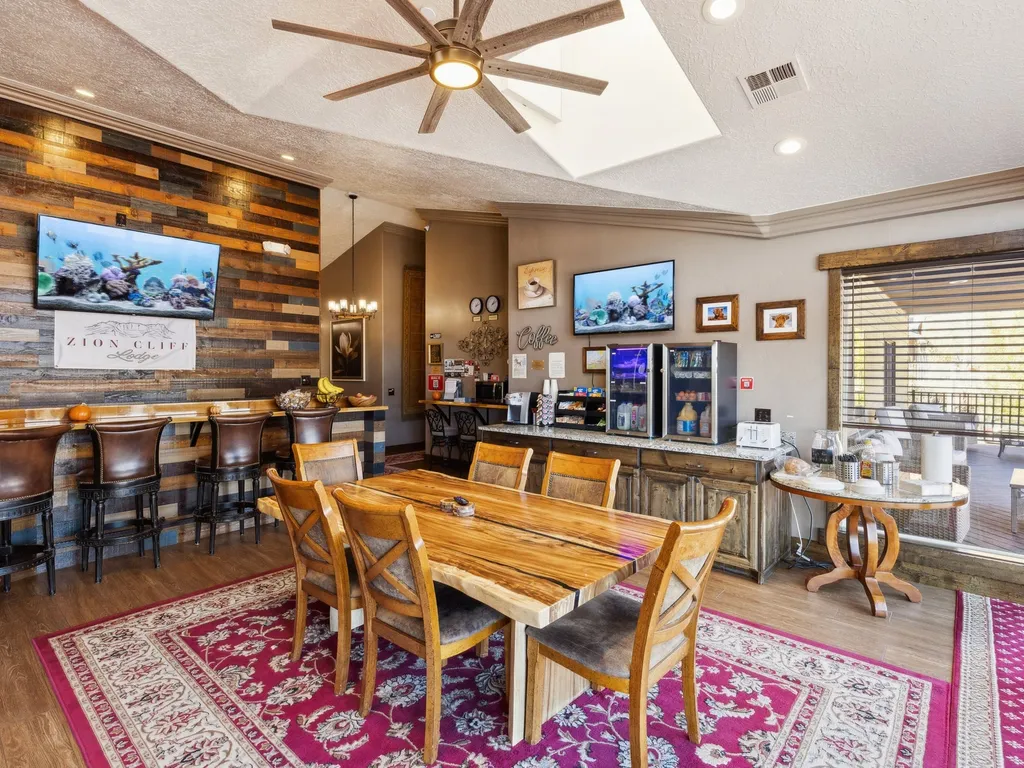
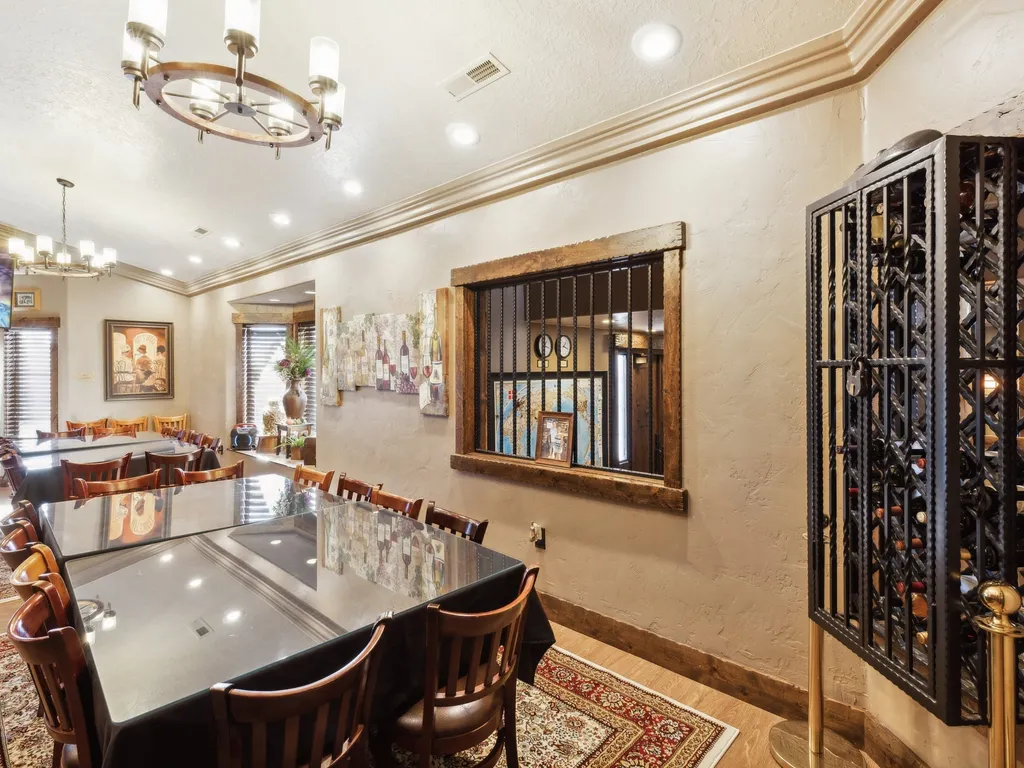
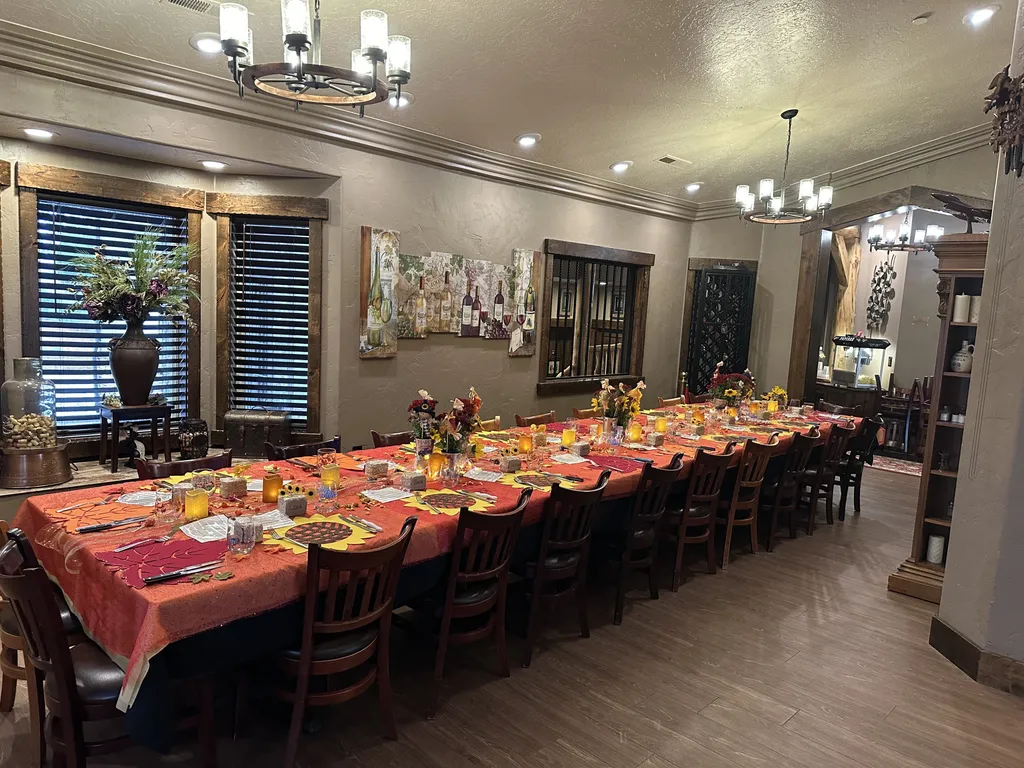
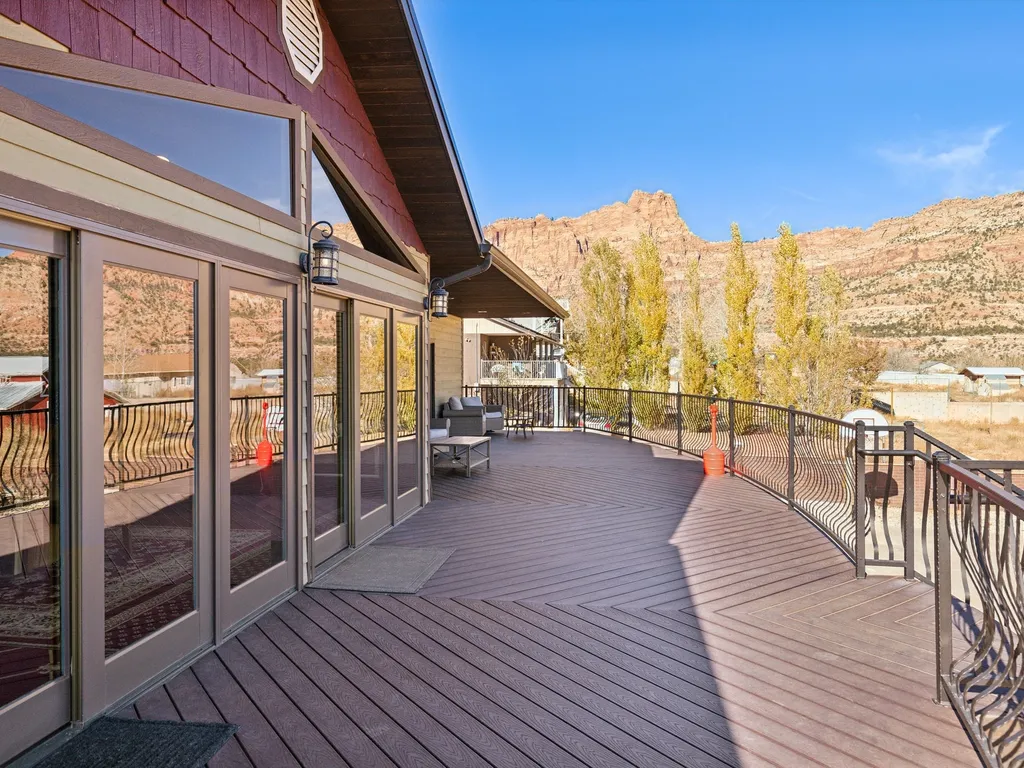
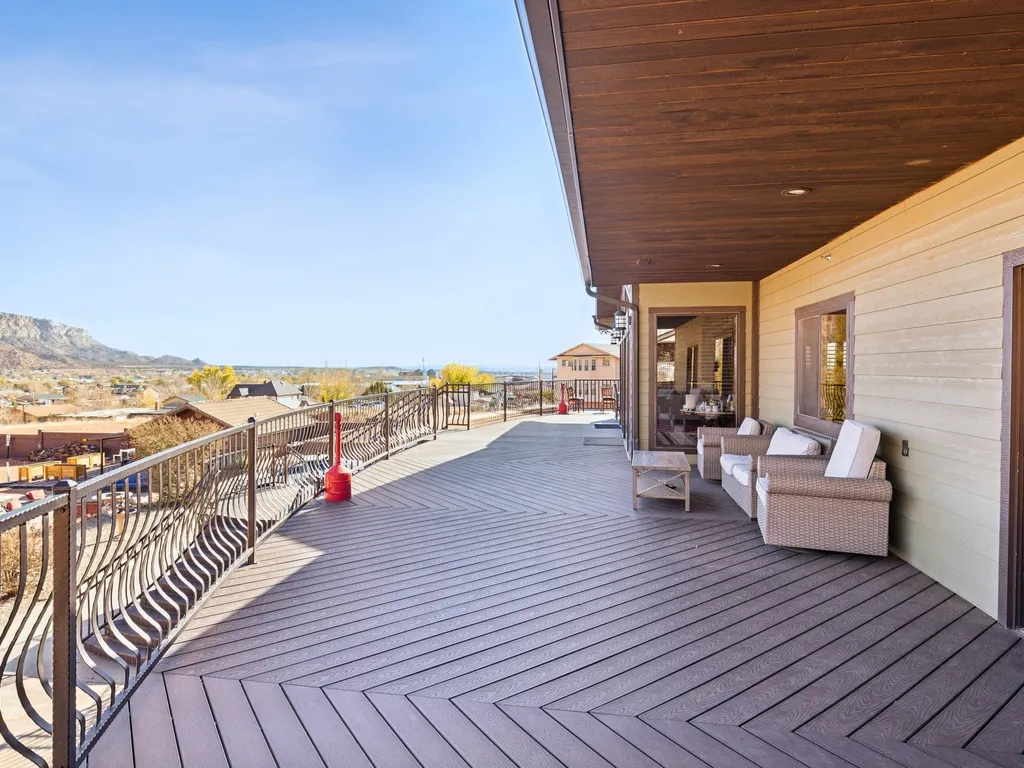
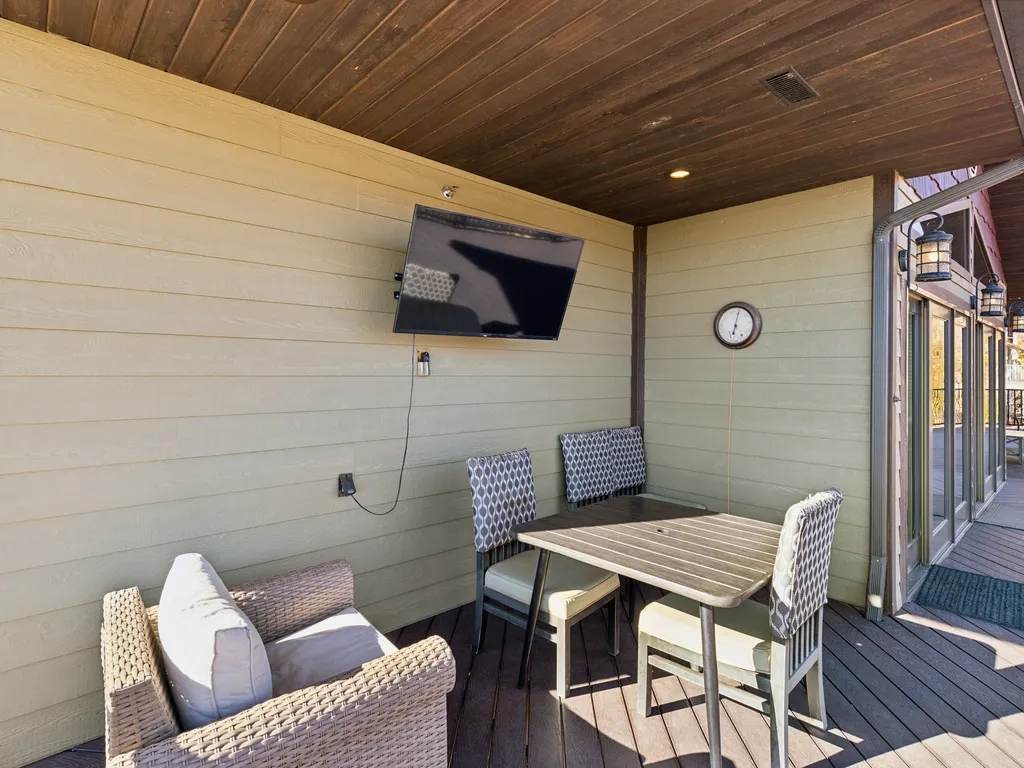
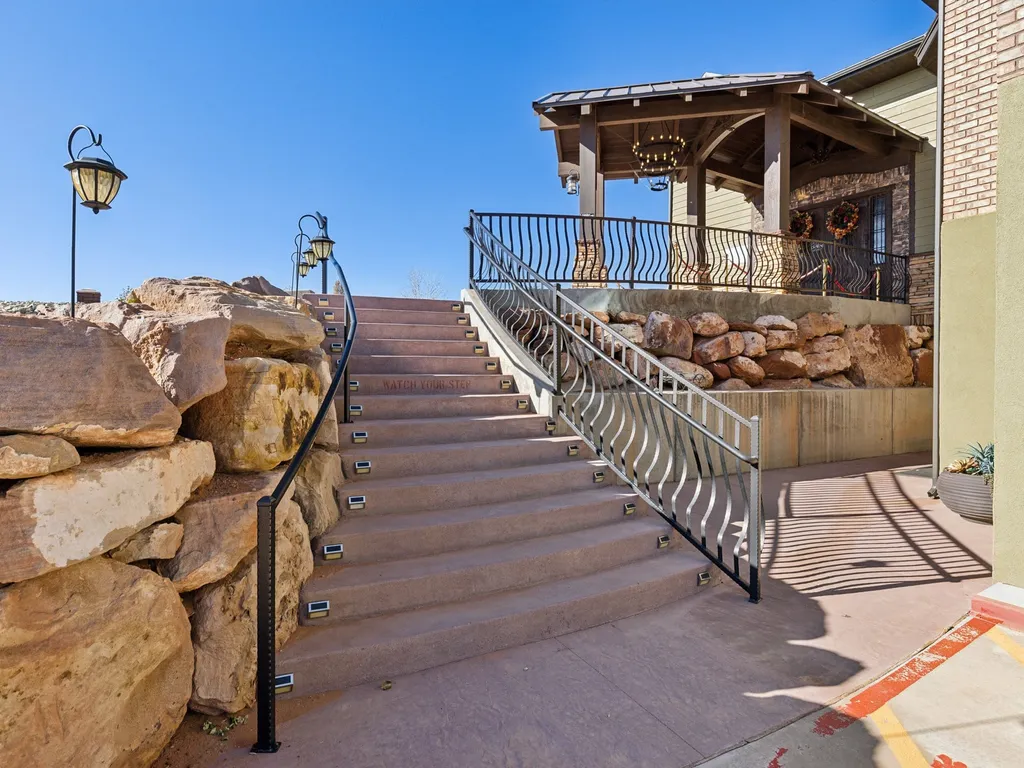
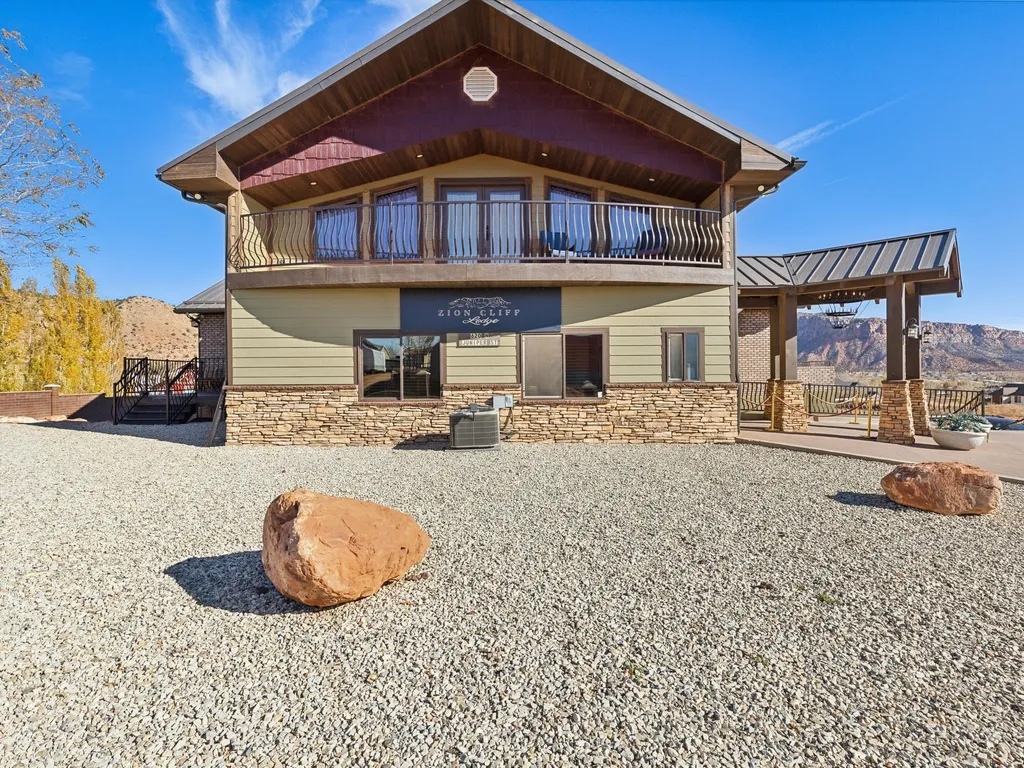
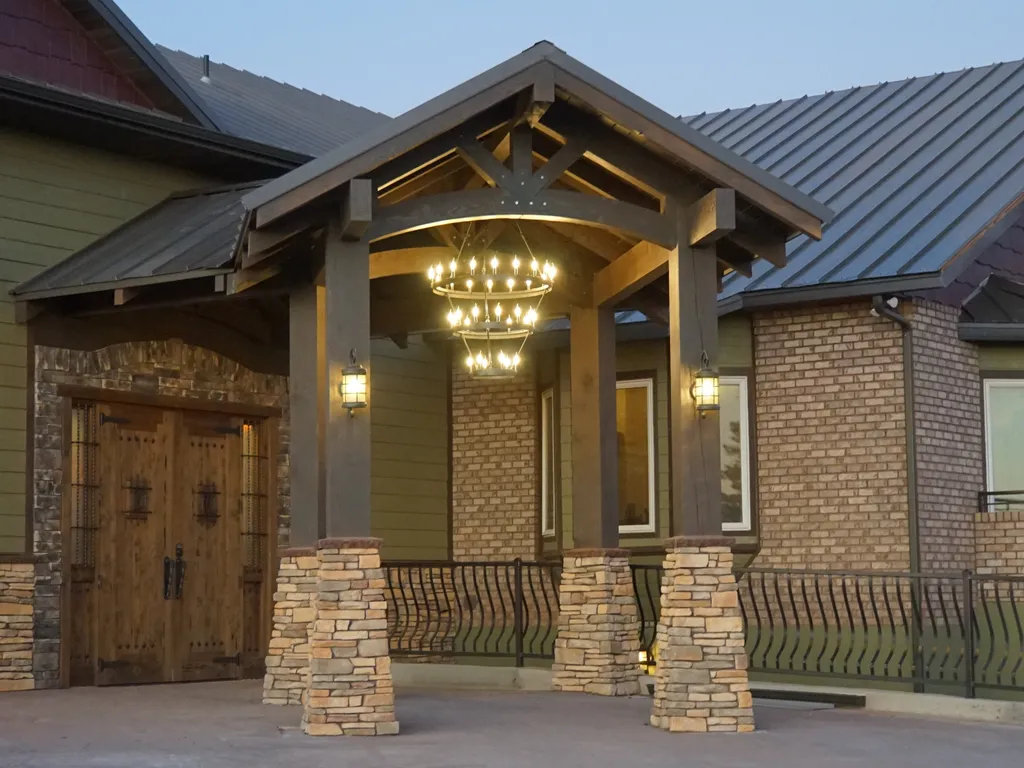
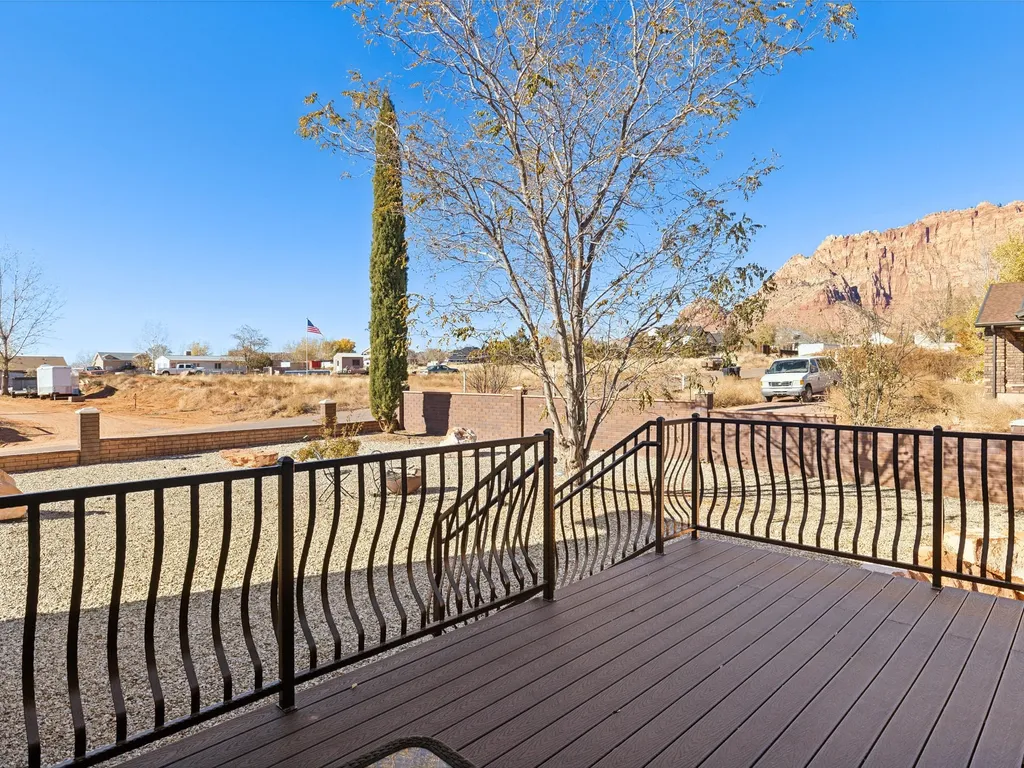
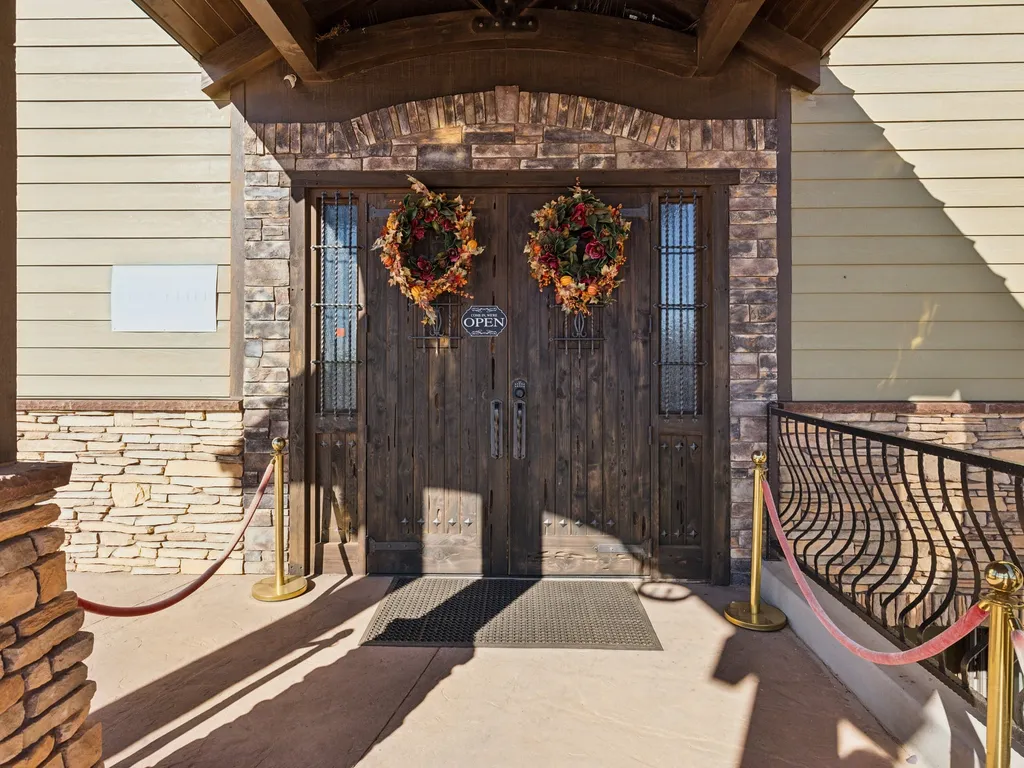
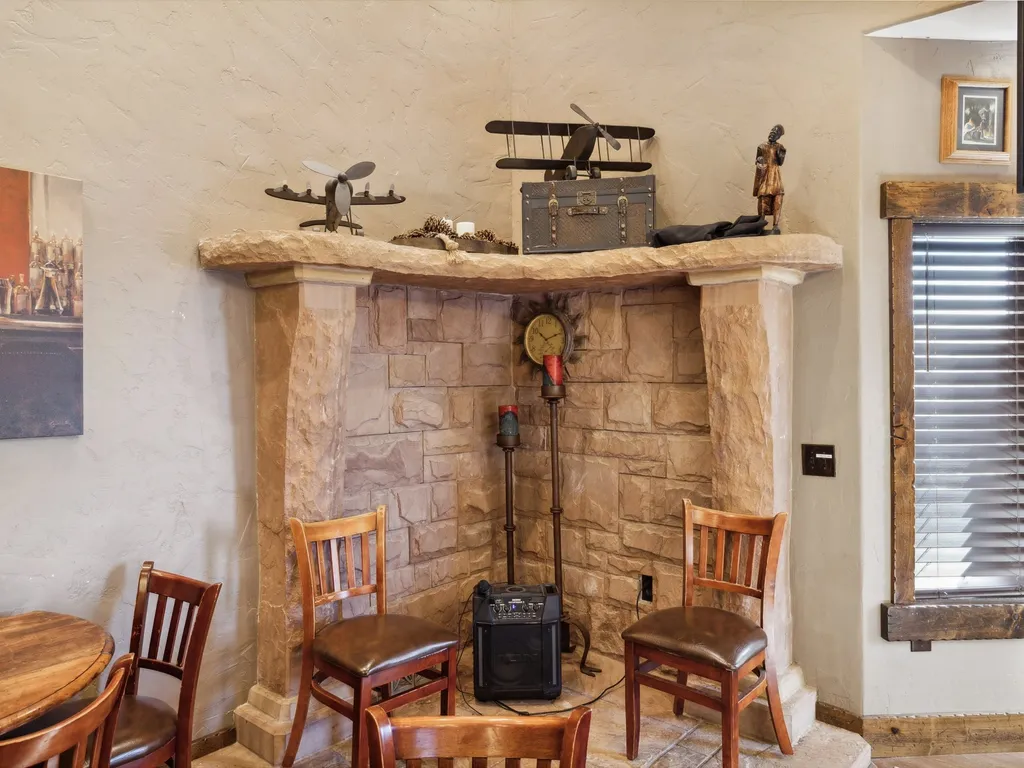
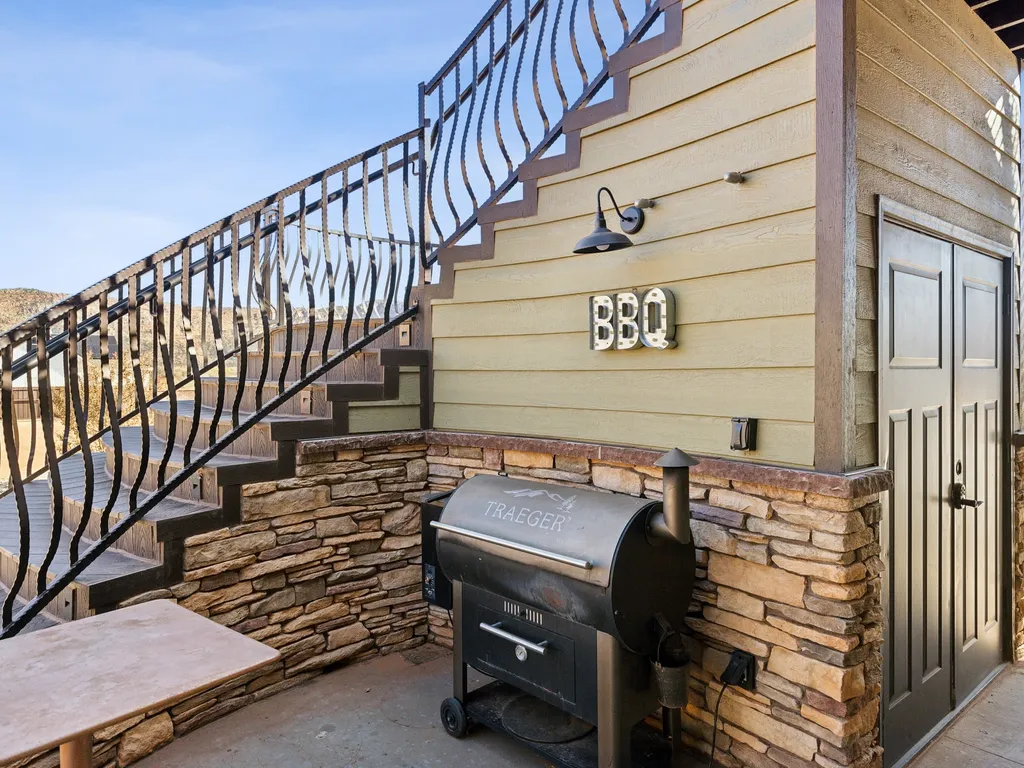
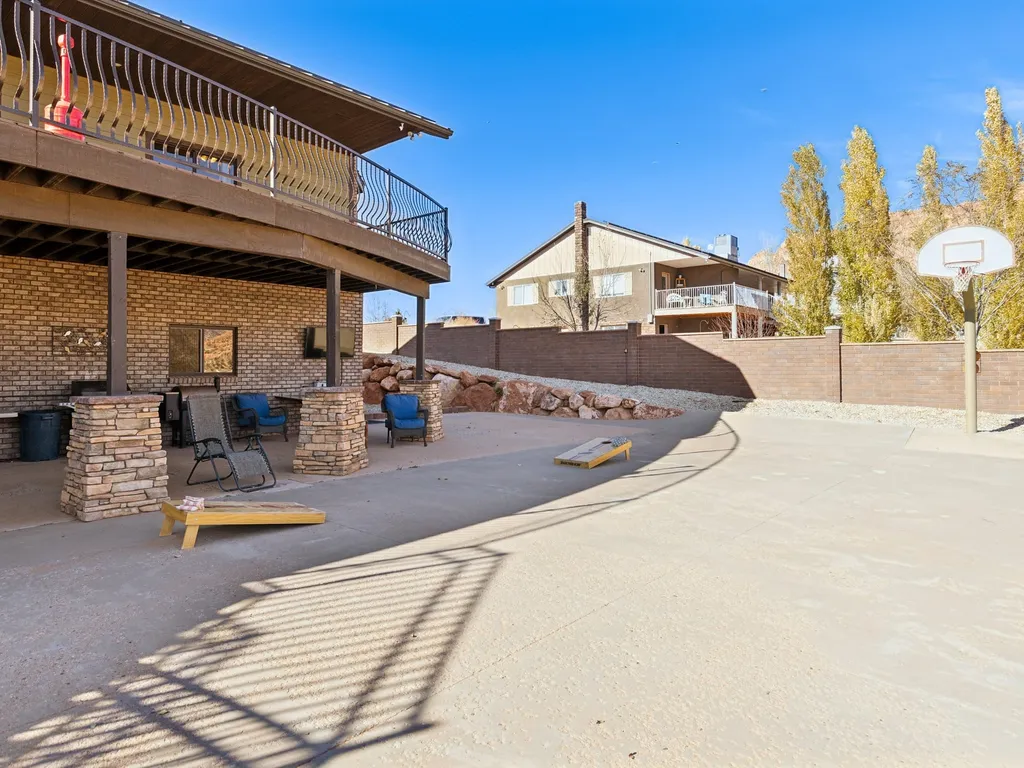
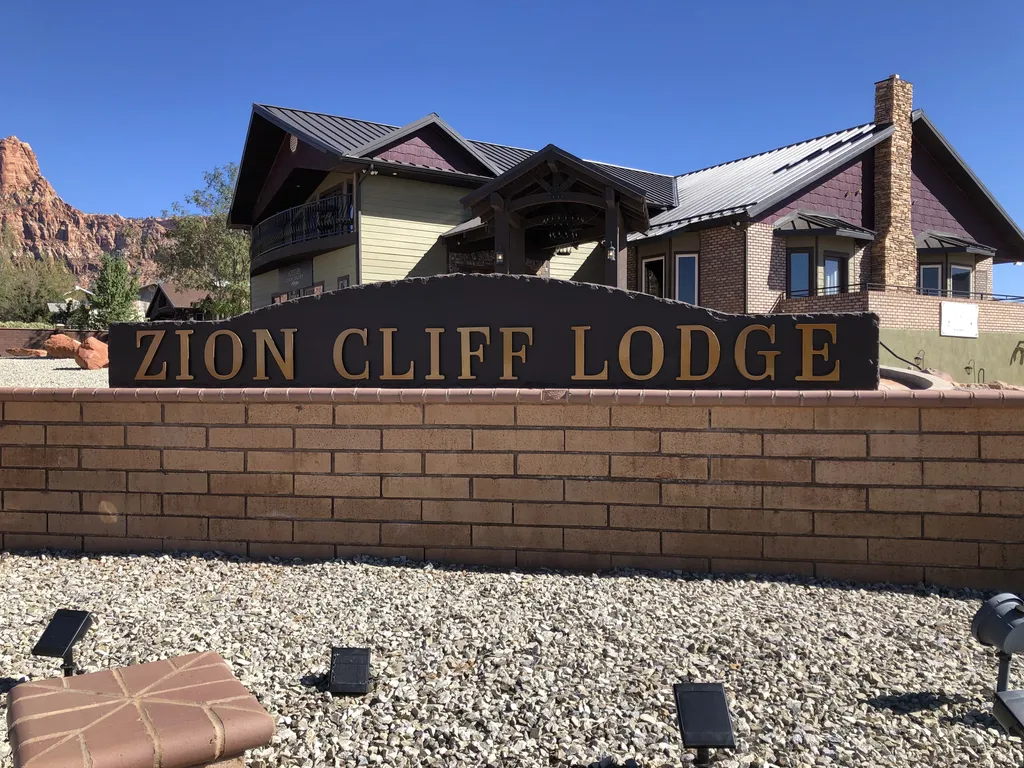
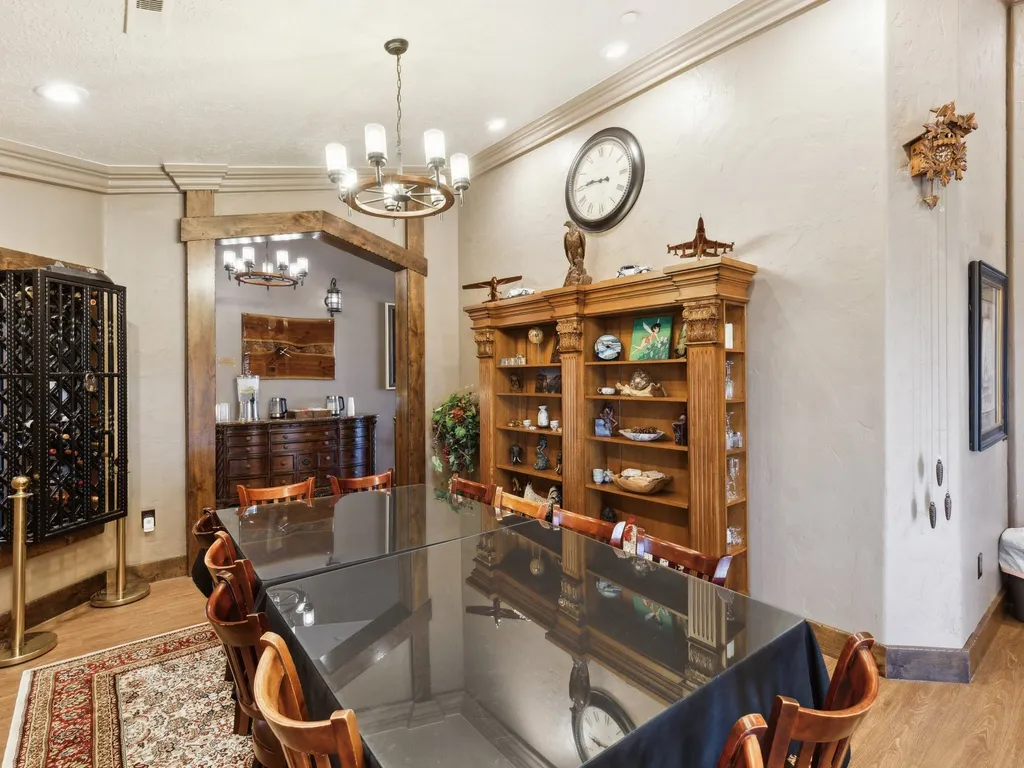
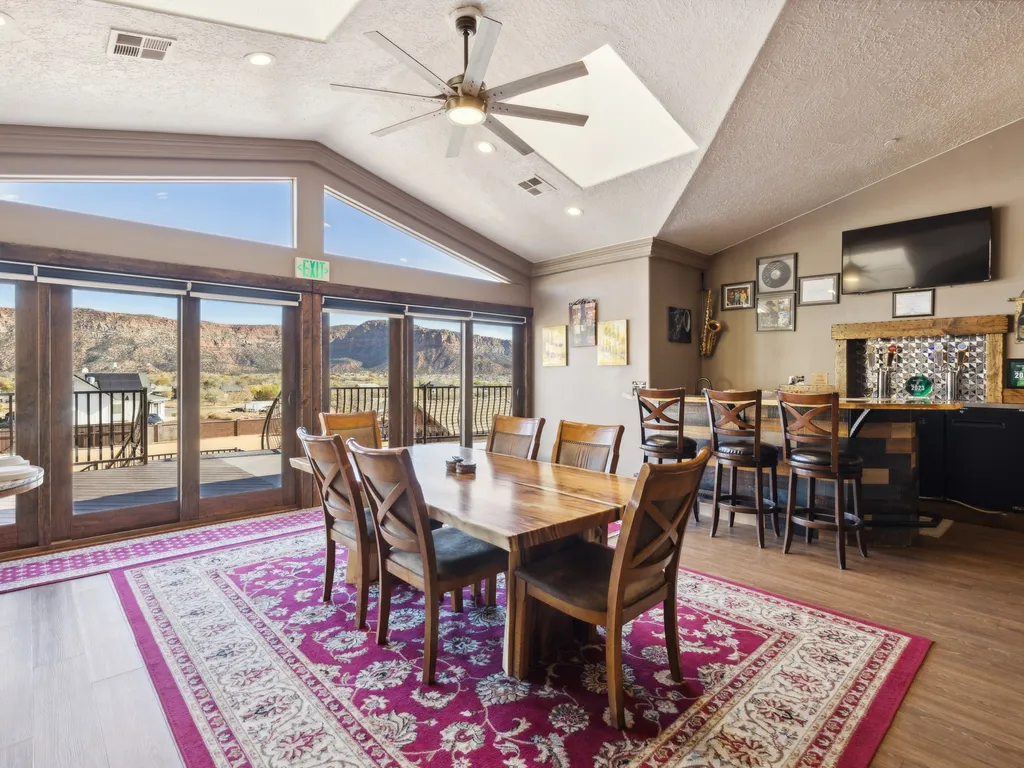
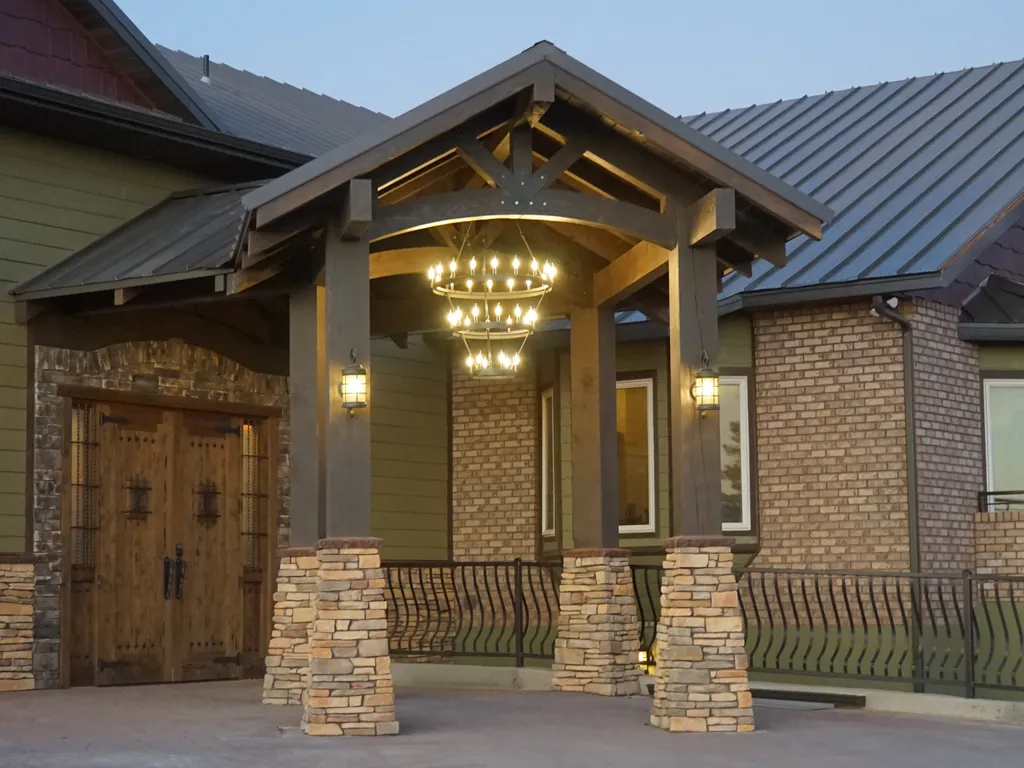
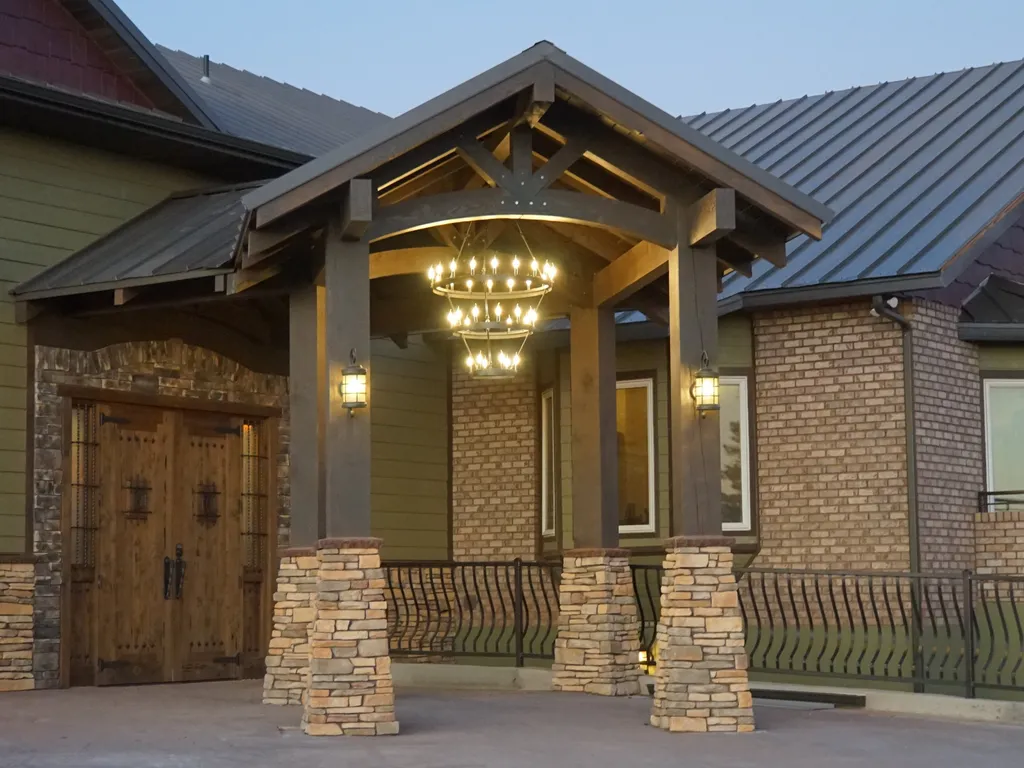
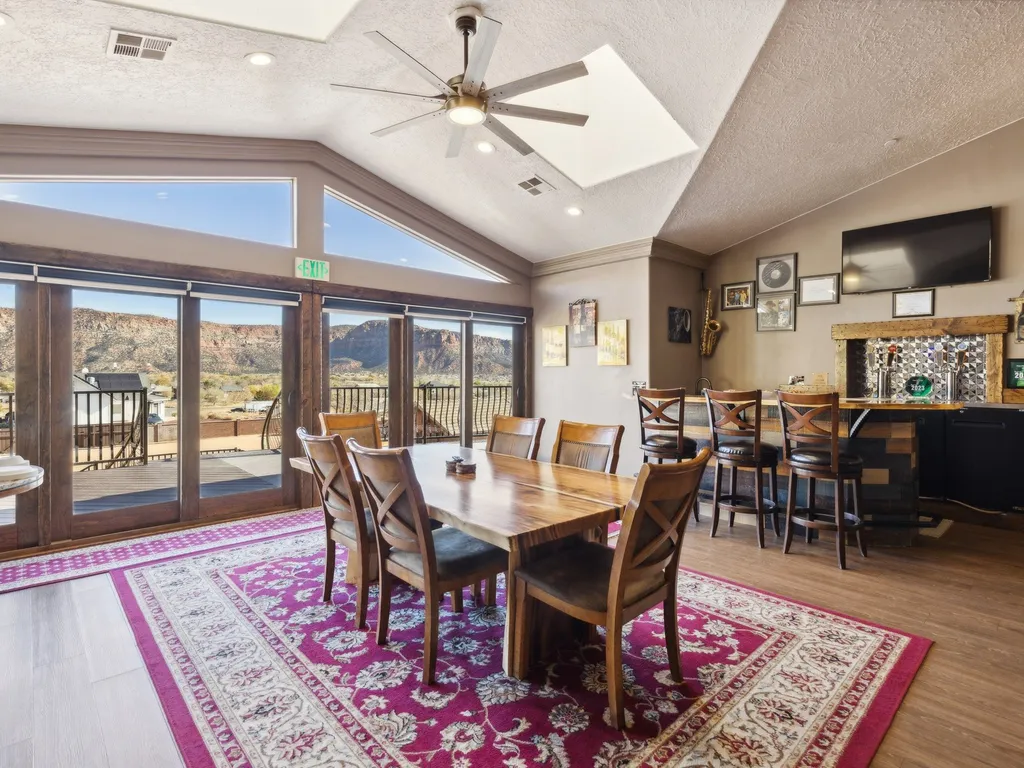
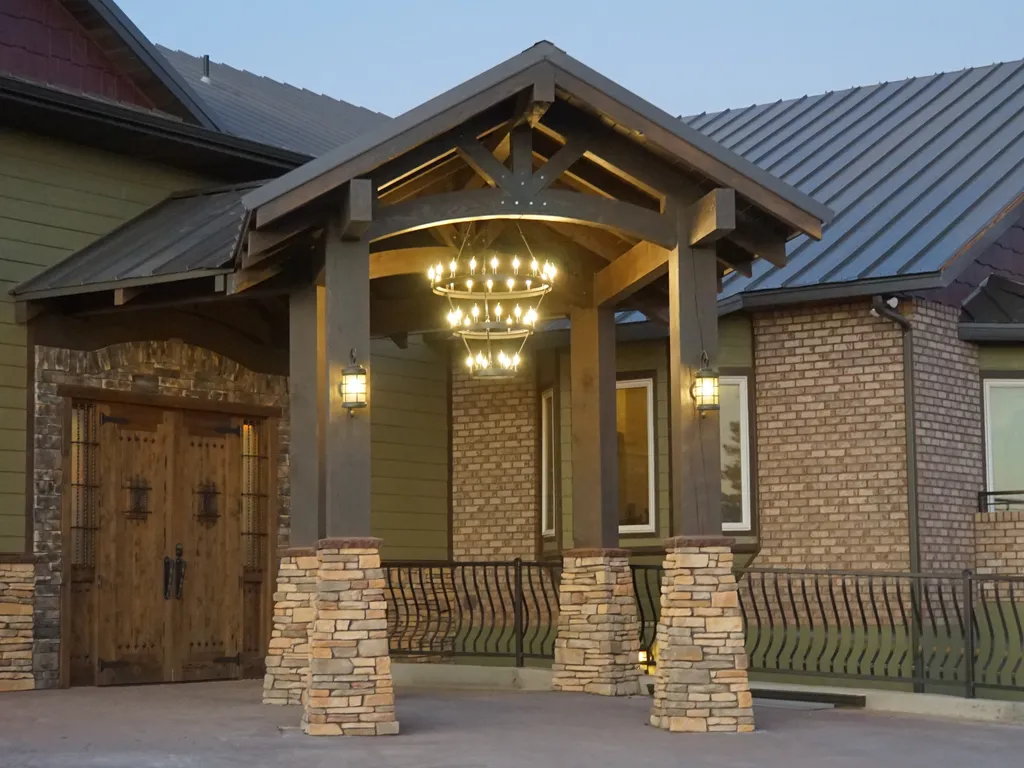
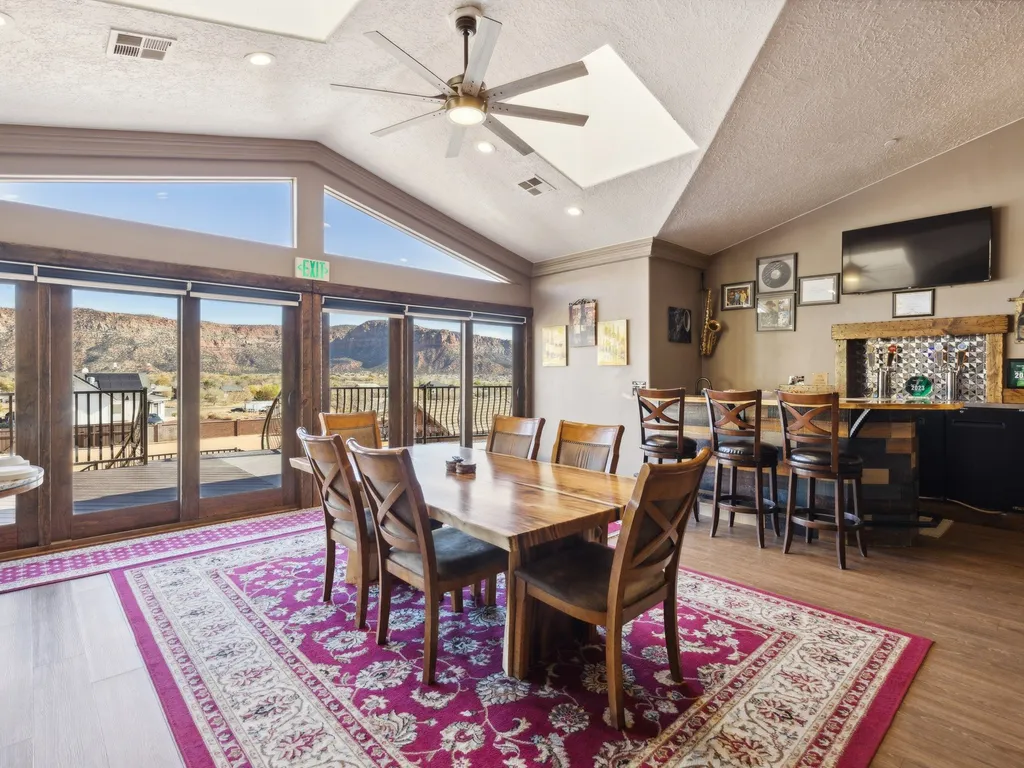
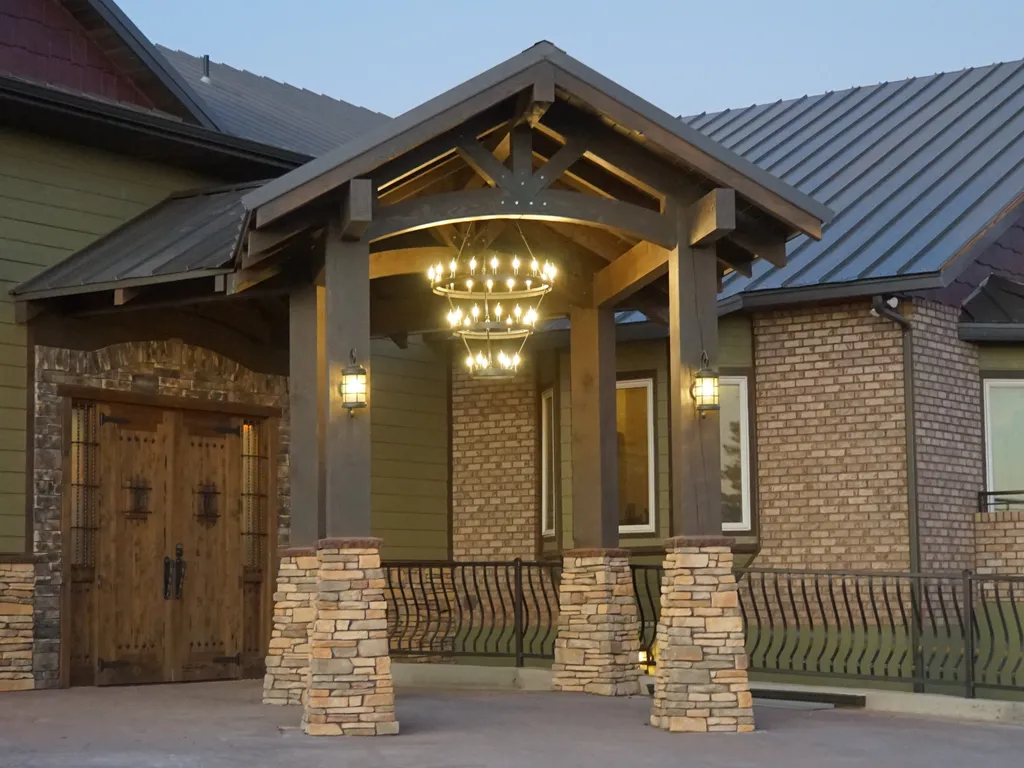
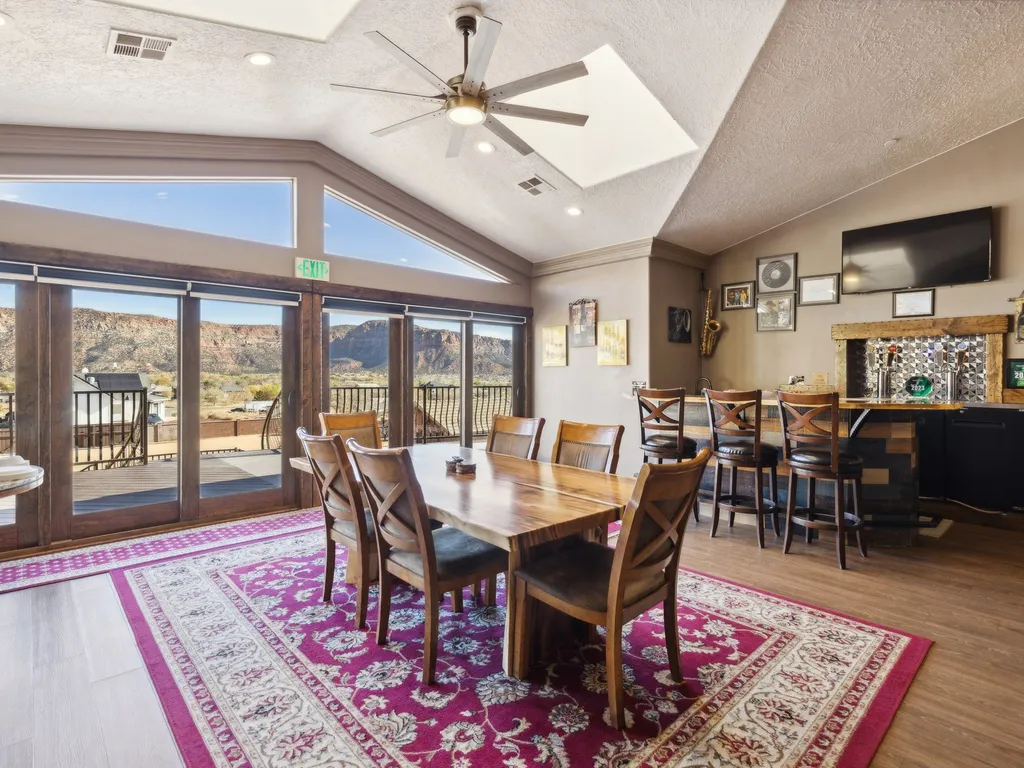
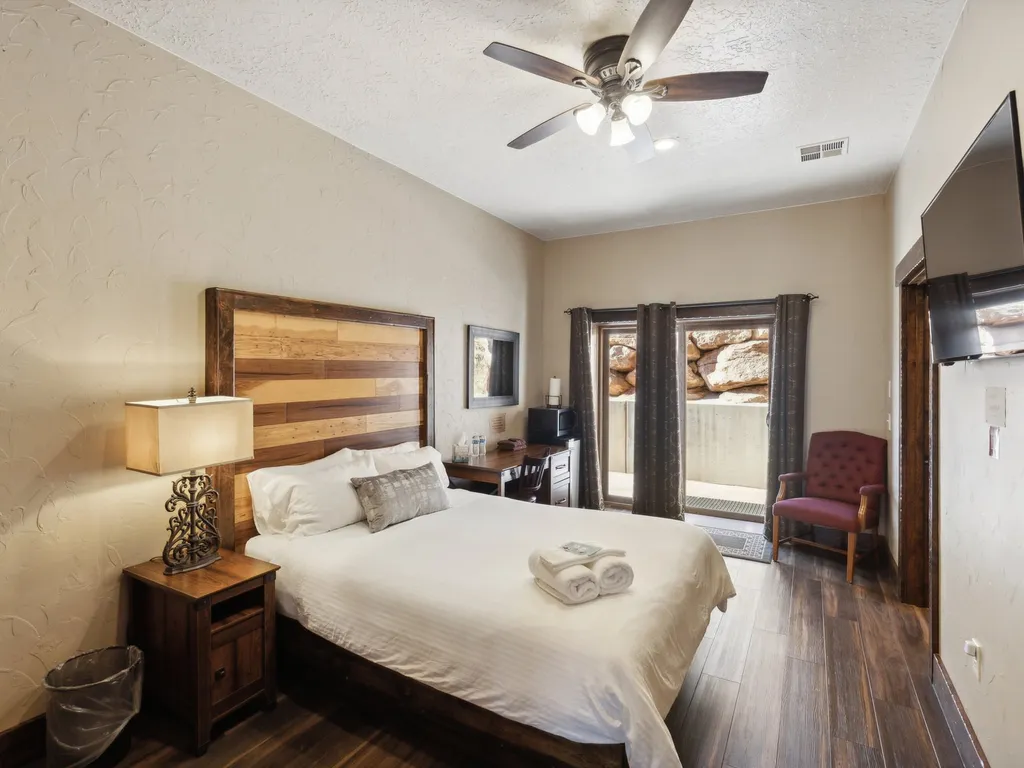
 Hotel Room54 mi1 / 53Photo 1 of 53


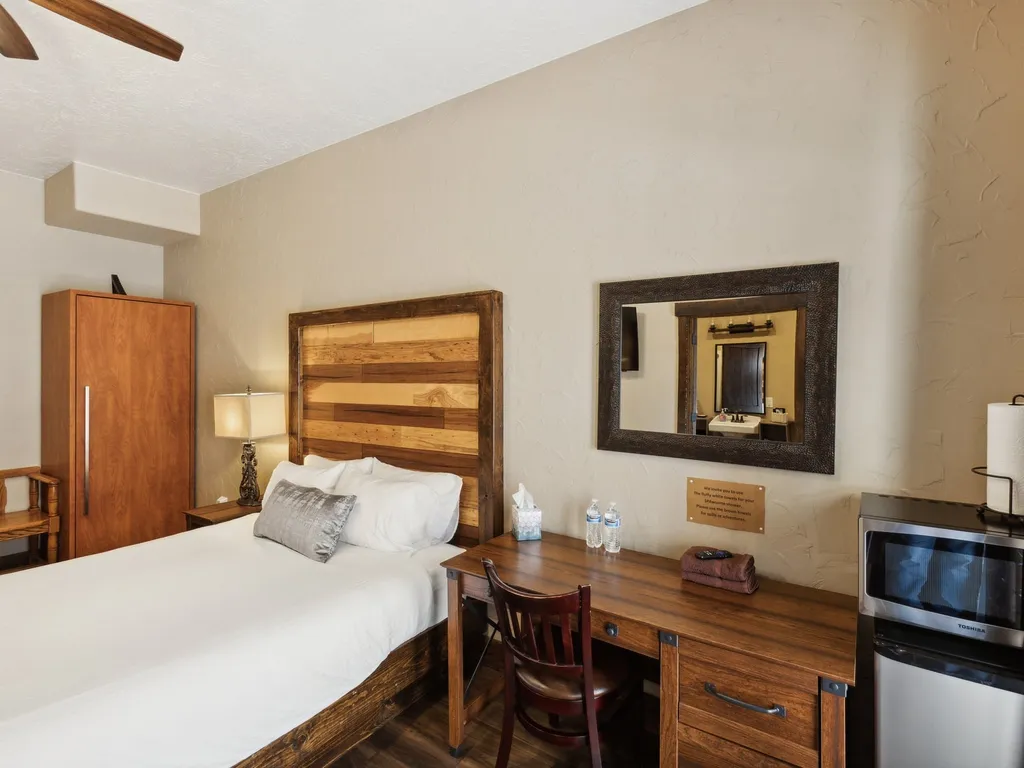


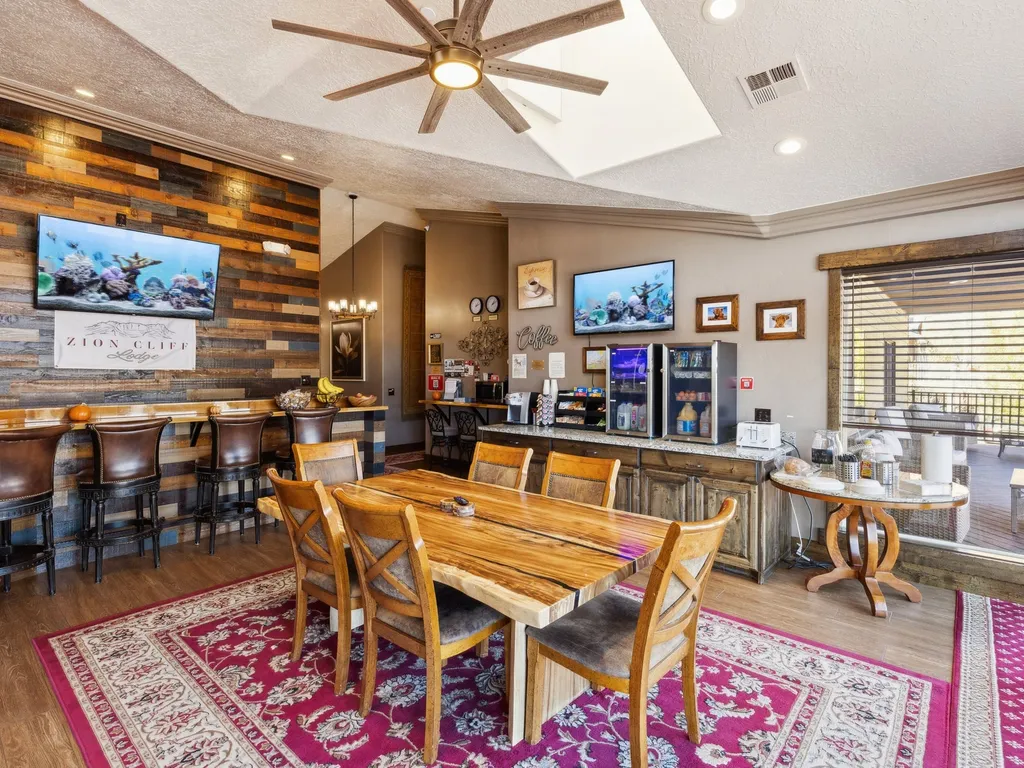


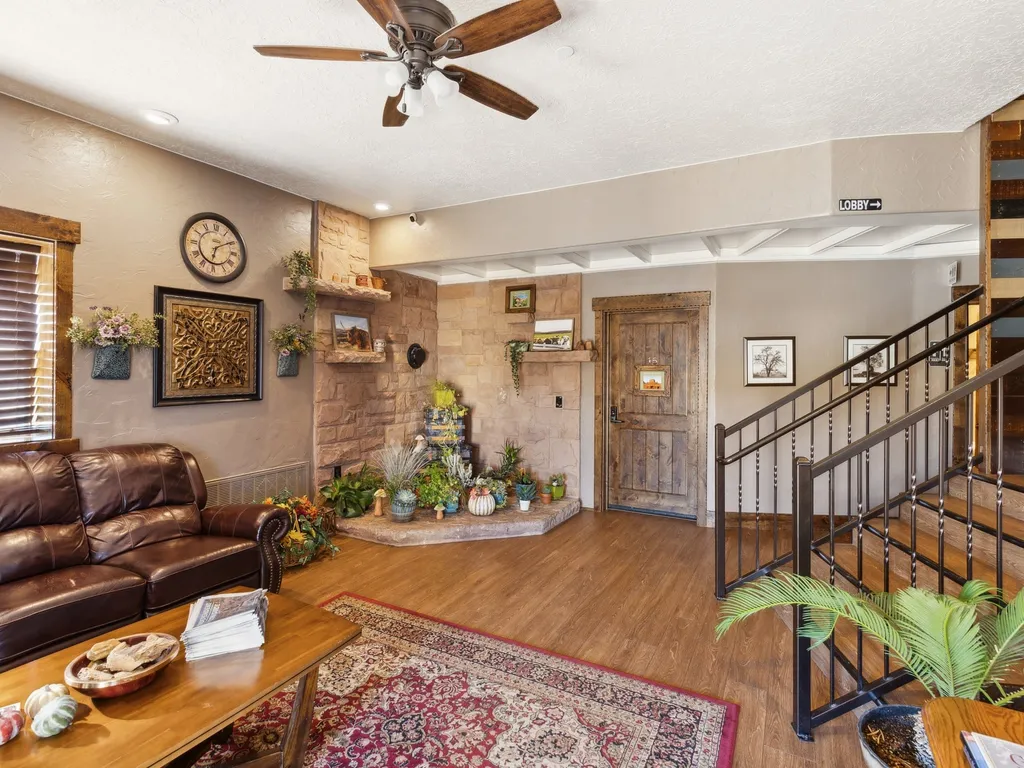


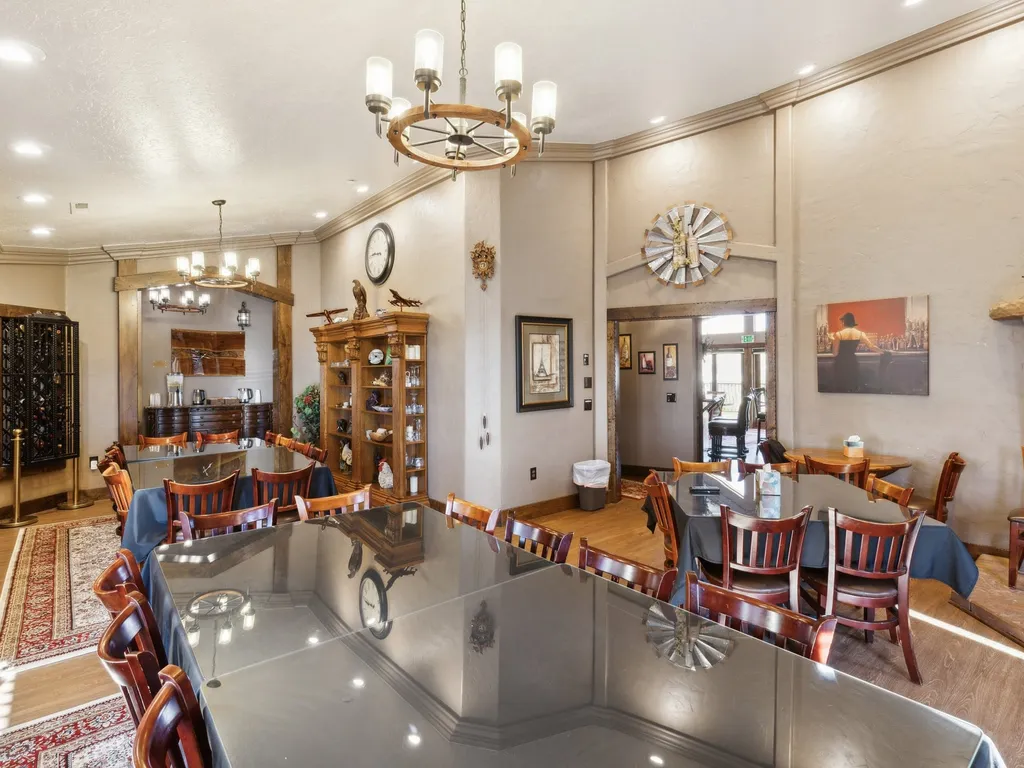


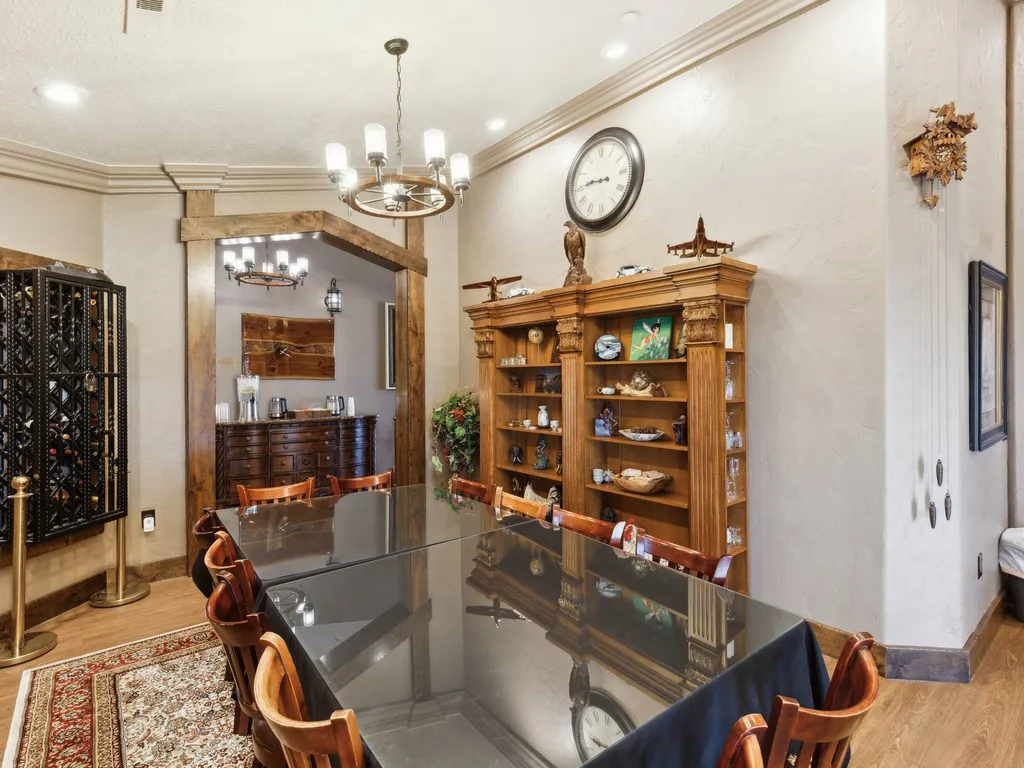

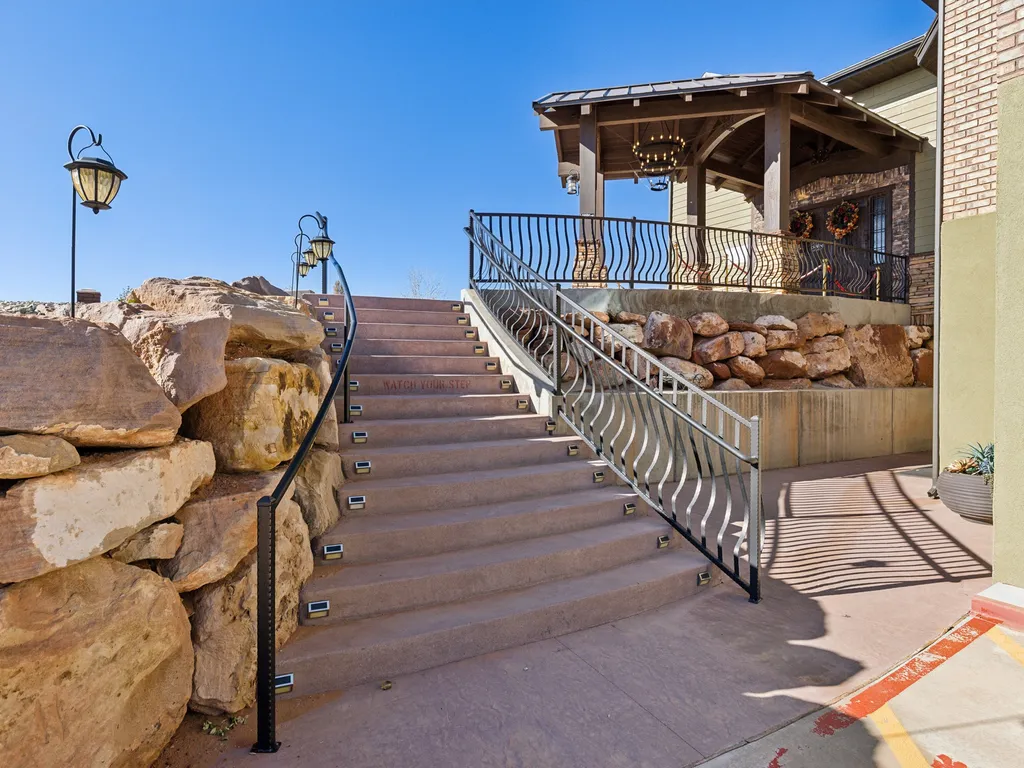
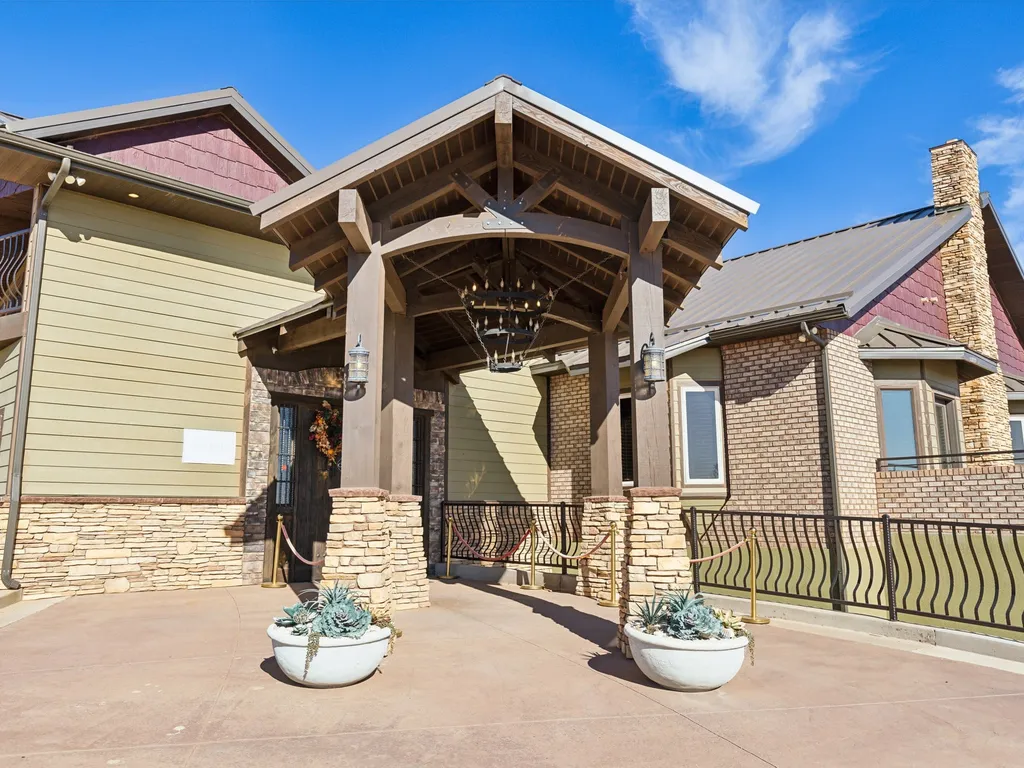


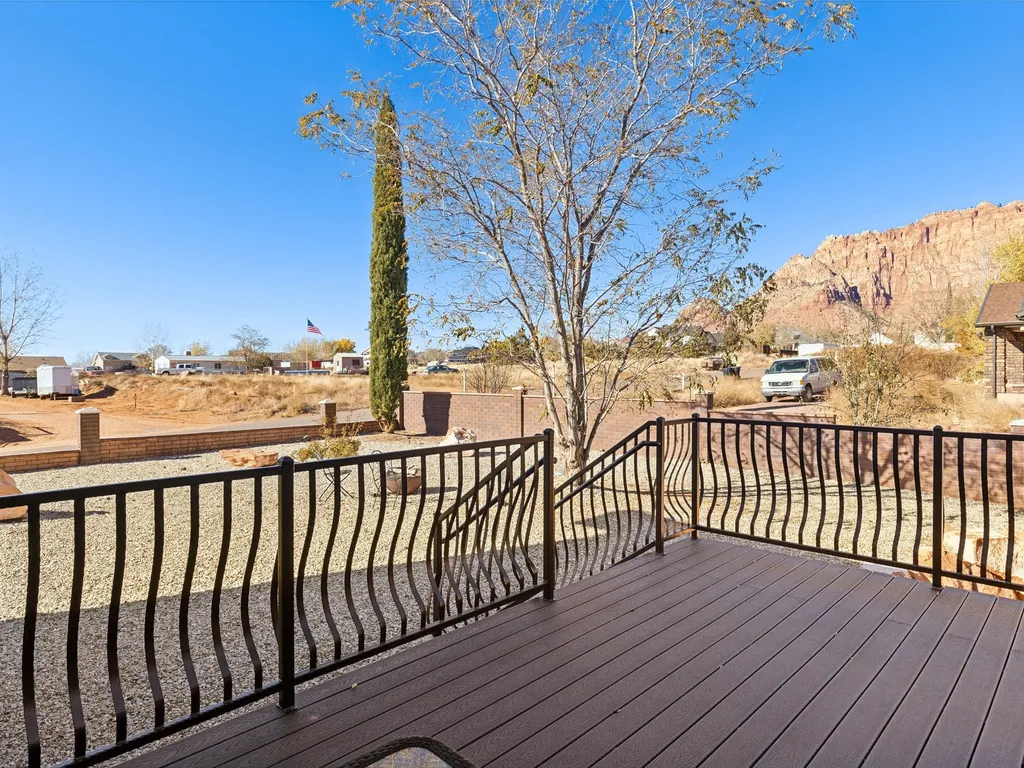
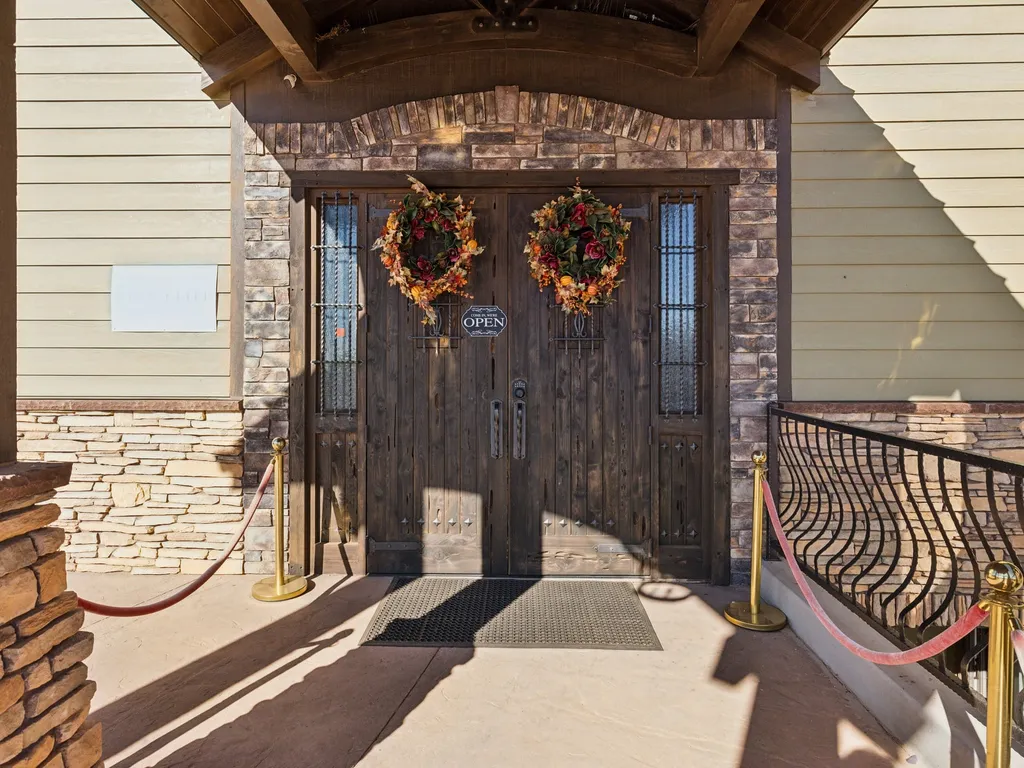

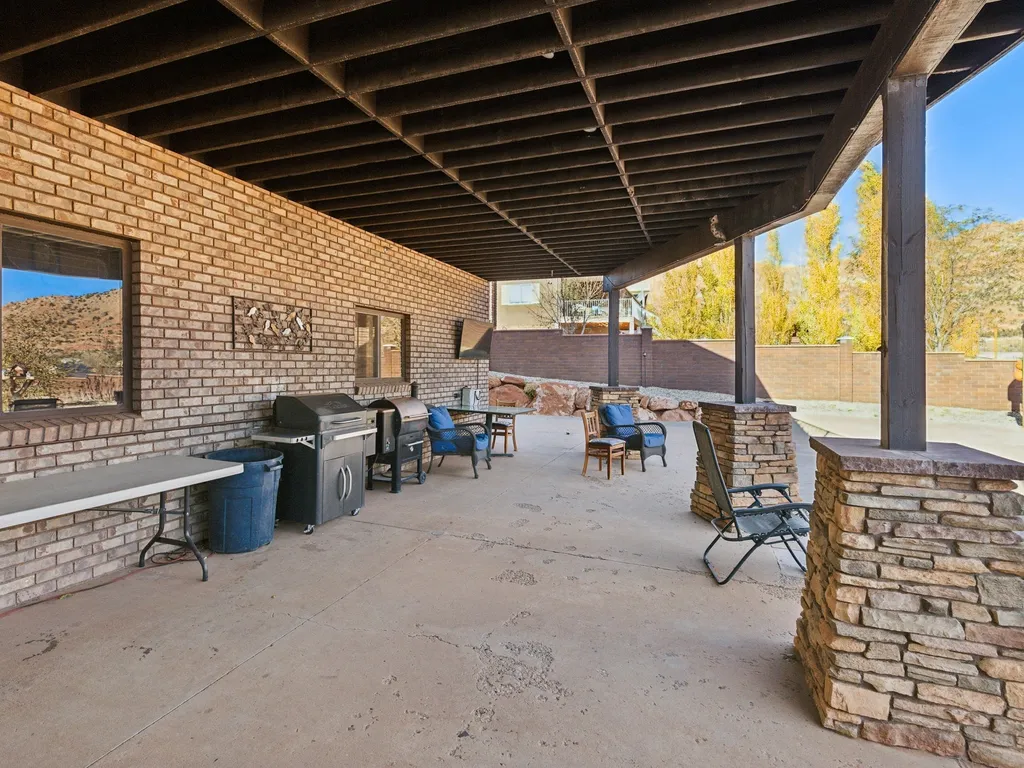


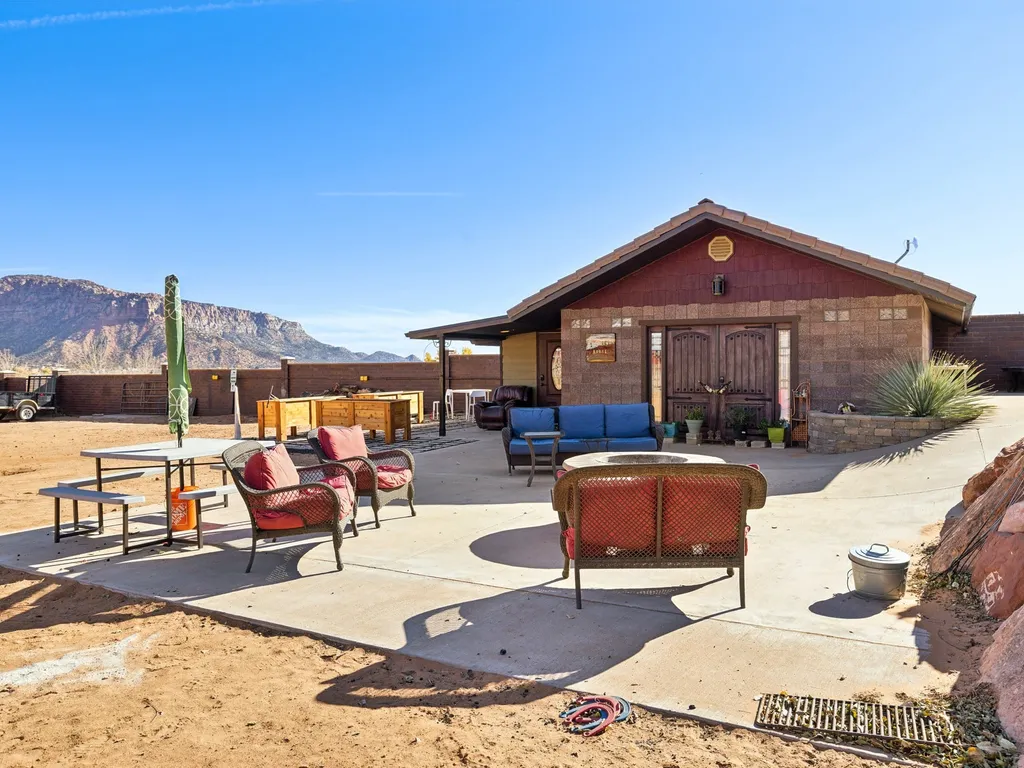

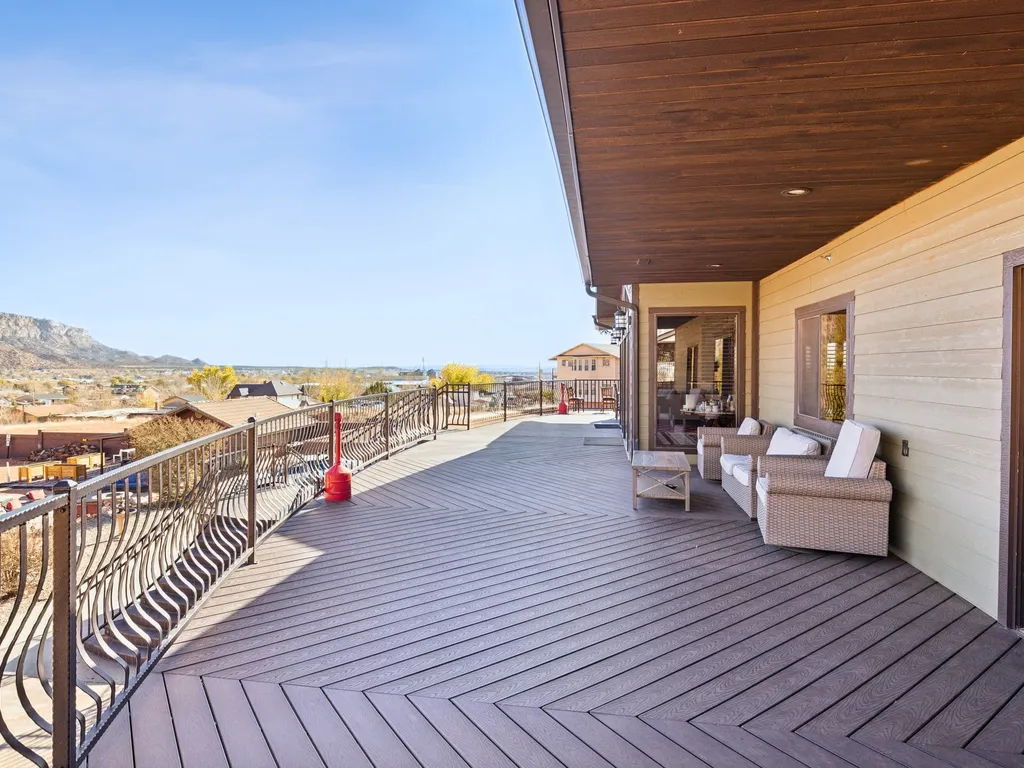


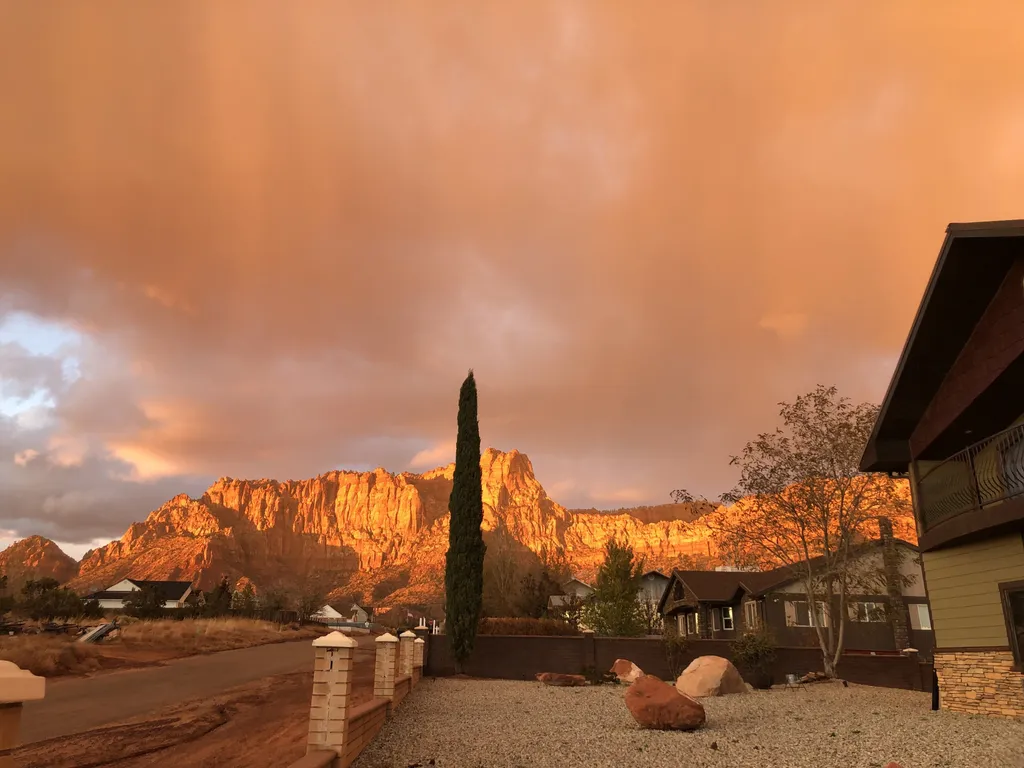


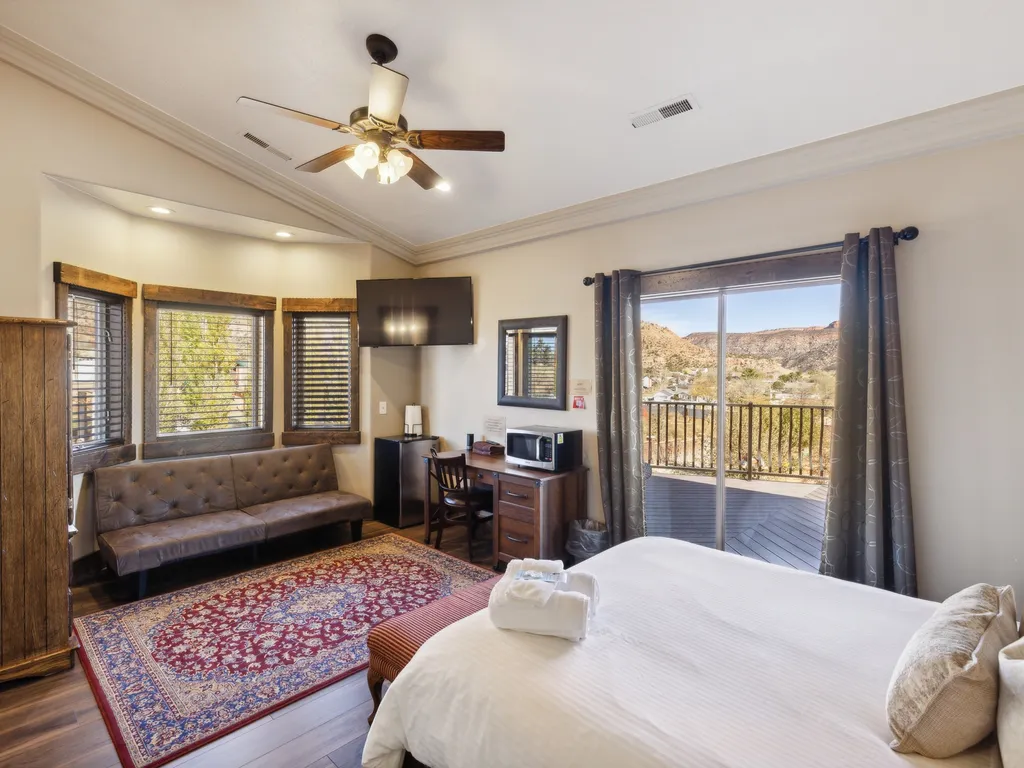
Room 15- Monument Valley
- Free Cancellation

The Havasupai ("the people of the blue-green water") Tribal Reservation sits in a side canyon of the Grand Canyon, eight miles southwest of the South Rim. The reservation's headline attraction is a chain of five travertine waterfalls — Fifty Foot, Navajo, Havasu, Mooney, and Beaver — that plunge over orange limestone into pools the color of swimming-pool tile. Access is by 10-mile one-way hike, mule, or helicopter from Hualapai Hilltop, and only with an advance permit (3-night minimum, ~$455+ per camper, lottery release). Closed February through January 31 outside reservation season.
The Havasupai Indian Reservation is the sovereign land of the Havasupai Tribe — about 188,000 acres on the Grand Canyon's southwestern flank, occupied by Havasu 'Baaja for at least 800 years and recognized by treaty in 1882. The village of Supai (population ~200) sits 8 miles down a side canyon at 3,200 feet, two miles upstream of the first major falls. It's one of two settlements in the United States that still receives mail by pack mule — there are no roads in.
The five named waterfalls all plunge over travertine over a 3-mile stretch downstream of Supai: Fifty Foot Falls and Navajo Falls (the upper pair, partially rerouted by 2008 floods), then Havasu Falls (the postcard one — a single 100-foot drop into a wide turquoise pool, two miles from Supai), Mooney Falls (the tallest, 200 feet, descended via a chain-and-stake route through travertine tunnels), and Beaver Falls (a multi-tier set 2 miles past Mooney, near the Colorado River). The water's color comes from dissolved calcium carbonate; concentrations vary with rainfall and temperature.
Getting in: 8 miles of switchbacks from Hualapai Hilltop down to Supai, then 2 miles to the campground above Havasu Falls — 10 miles total each way. Most hikers take 4–6 hours descending, 6–9 hours climbing out. Mule packing is available (your gear, not you); helicopters fly limited days at separate cost. The campground has spring-fed water taps and composting toilets. The lodge in Supai has 25 rooms with private baths but no air conditioning. Summer monsoon season (July–September) carries genuine flash-flood risk — the 2008 flood reshaped Navajo Falls overnight; the 2018 flood evacuated 200 people.
A short loop through the exhibits, encounters, and shows that make this stop worth a half-day on its own.
The 100-foot signature drop two miles below Supai, falling into a 100-yard-wide pool of mineral-blue water against orange travertine. The campground sits a quarter-mile upstream — most visitors swim here daily. A short ladder section to the right of the falls leads to a hidden cave grotto behind the curtain.
The tallest waterfall on the reservation at about 200 feet, named for prospector D. W. Mooney who fell to his death in 1882. Descended via a chain-and-rebar route through two travertine tunnels and down a near-vertical wet wall — not for visitors with vertigo, sketchy in rain, but the only way to reach Beaver Falls beyond.
A multi-tier set of cascades 4 miles below the campground (2 miles past Mooney) through travertine pools and overhanging willows. Day-hike only — no camping, last entry typically 1:30 PM (mandatory return-by time set seasonally). The most pristine and least-crowded falls on the reservation.
The only land access — 65 miles north of Peach Springs, AZ, at the end of Indian Route 18 (paved, 60 miles, no services). Free parking lot at 5,200 feet; trail descends 2,400 feet to Supai over 8 miles, mostly along a dry sandstone wash with switchbacks in the first 1.5 miles.
The 25-room Havasupai Lodge in Supai village offers private baths, two beds per room (max 4 guests), and shoulder access to the falls — no AC, no TV, no Wi-Fi. The campground sits 2 miles past the village above Havasu Falls along Havasu Creek — composting toilets, drinking-water taps, no pre-assigned sites; first-come within the permit area.
Pack mules carry gear (not riders) between Hualapai Hilltop and Supai/campground for $200 each way per mule (each mule carries up to four 32-pound bags). AirWest Helicopters runs flights to and from Supai on limited days (typically Sun/Mon/Thu/Fri in season) — $85 each way, first-come, weight-restricted, weather-cancellable, residents board first.
Havasu Canyon is exposed to flash floods from the 3,000-square-mile Cataract Canyon drainage upstream — major events in 2008 (rerouted Navajo Falls), 2010, and 2018 (200-person evacuation). Monsoon season is July–September; campers monitor weather, stay above flood-line at night, and follow evacuation guidance from the Havasupai Tourism Office.
Permits release February 1 at 8:00 AM Arizona time on havasupaireservations.com and sell out within hours. The January presale (registration ~$15 per permit) gives advance random allocation before public release. Campground permits cap at 12 people per trip leader for 3 nights; lodge bookings cap at 3 rooms (12 people).
Reservation season runs February 1 through November 30 for the campground; lodge season runs April 1 through November 30. Closed December and January. All visitors must hold an advance permit — there are no day-use, walk-in, or overnight permits issued at the trailhead. The Hualapai Hilltop trailhead opens 24 hours; most hikers leave between 4:00 AM and 6:00 AM to descend before midday heat.
Note · All hikers must enter the reservation by 12:00 noon on their first permit day. Permits are non-transferable, non-refundable, and require a government photo ID matching the Permit Authorized Trip Lead (PATL) on file.
Per-person admission. Buy in advance to skip the gate line.
Permits release annually on February 1 at 8:00 AM Arizona time via havasupaireservations.com — they sell out within hours. The presale lottery (registered in early January) gives advance access. Campground permits are limited to 1 reservation (up to 12 people) per trip leader; lodge bookings up to 3 rooms / 12 people. Helicopter service operates limited days (typically Sunday/Monday/Thursday/Friday in season) at separate cost (~$85 each way) — book separately and weight-restricted. America the Beautiful and National Park passes are NOT accepted; this is sovereign Havasupai land, not federal.
Reserve a permitHotel Room54 mi1 / 53Photo 1 of 53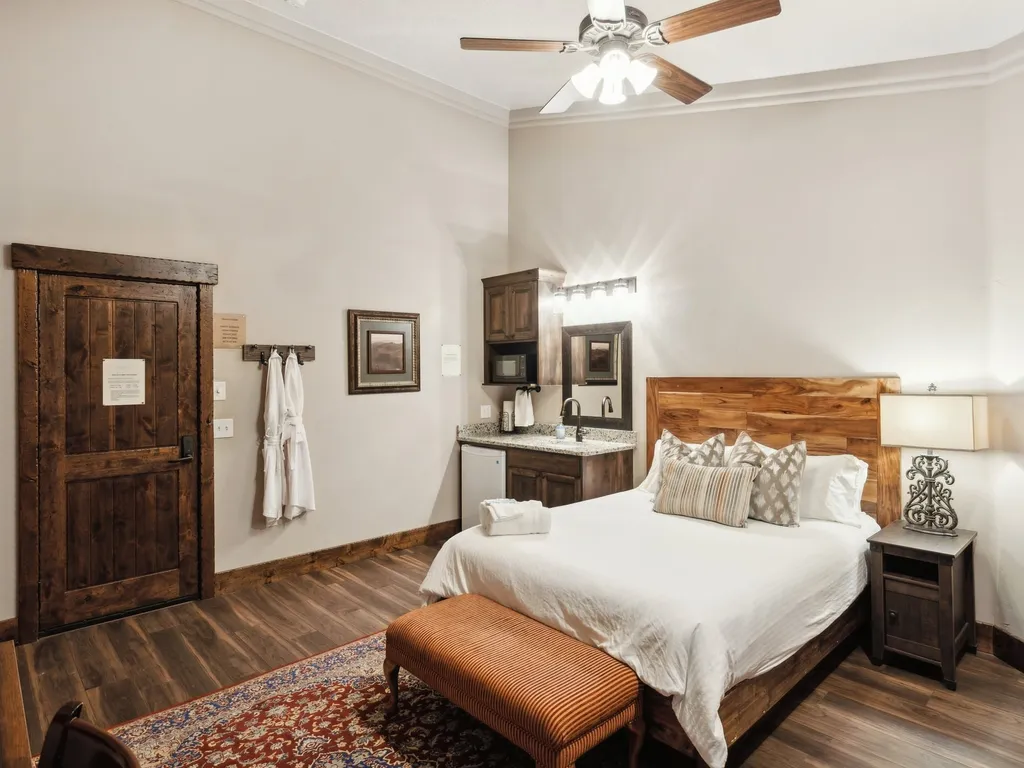 Hotel Room54 mi1 / 52Photo 1 of 52
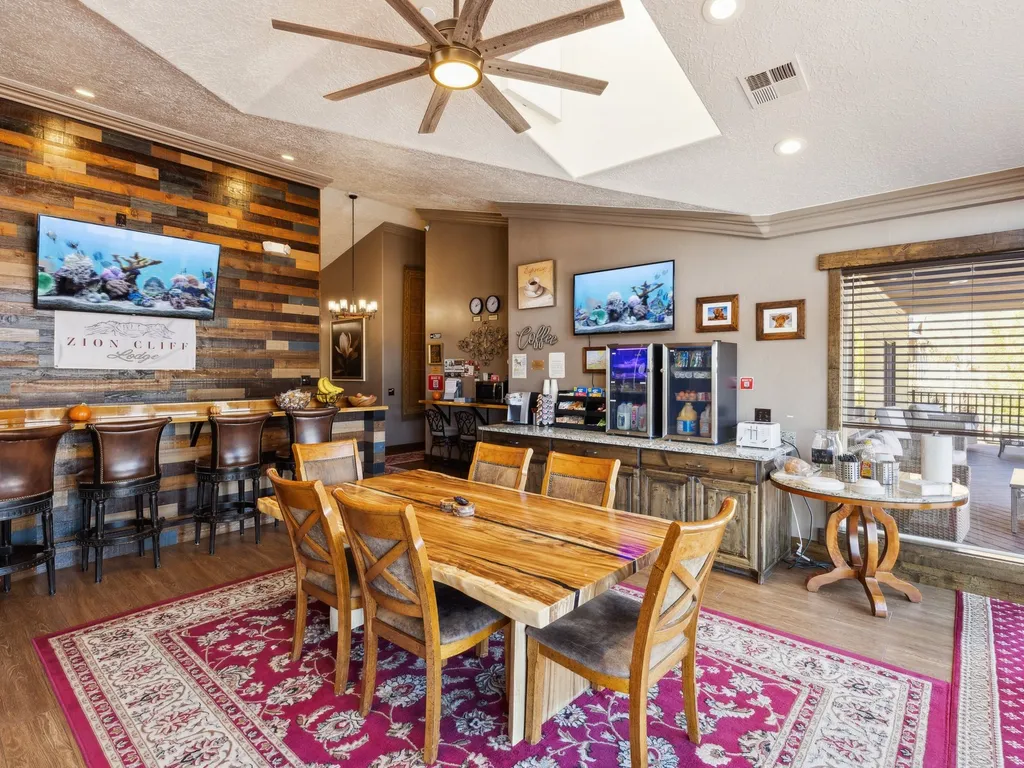 Hotel Room54 mi1 / 52Photo 1 of 52
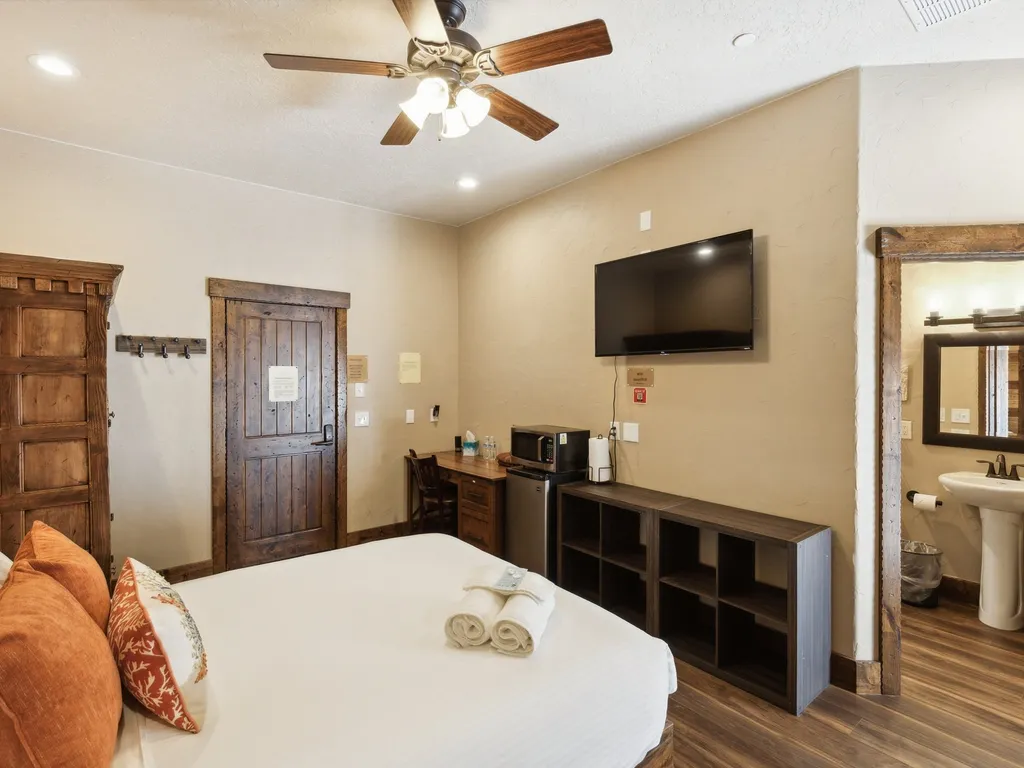 Hotel Room54 mi1 / 50Photo 1 of 50
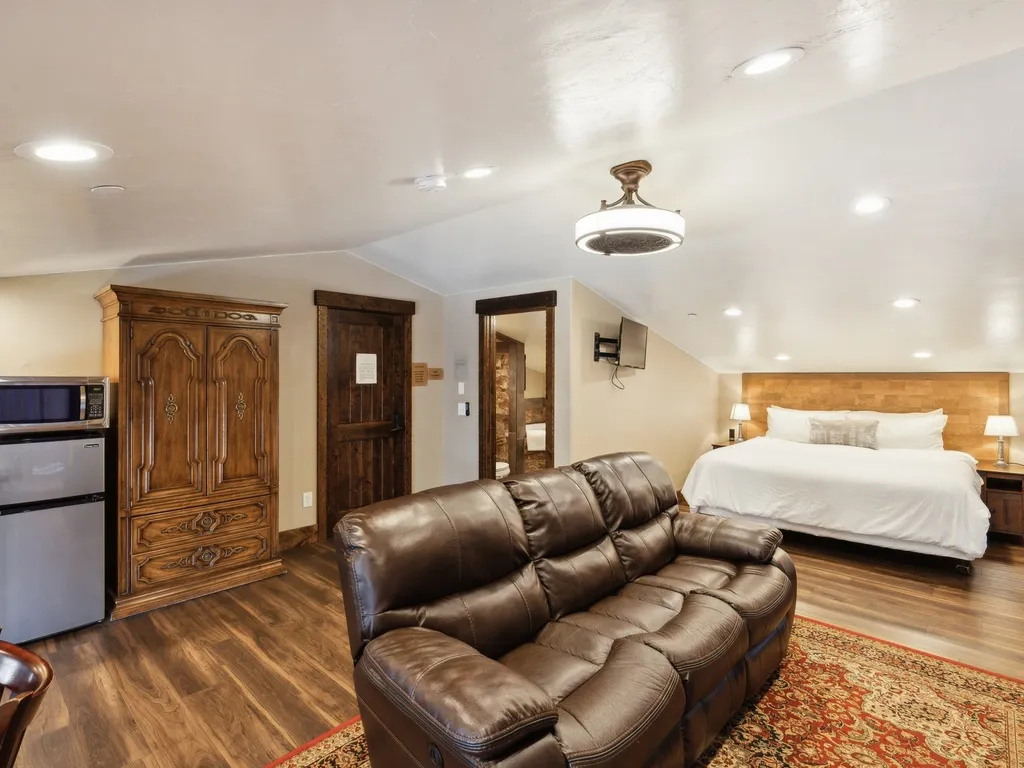 suite54 mi1 / 51Photo 1 of 51
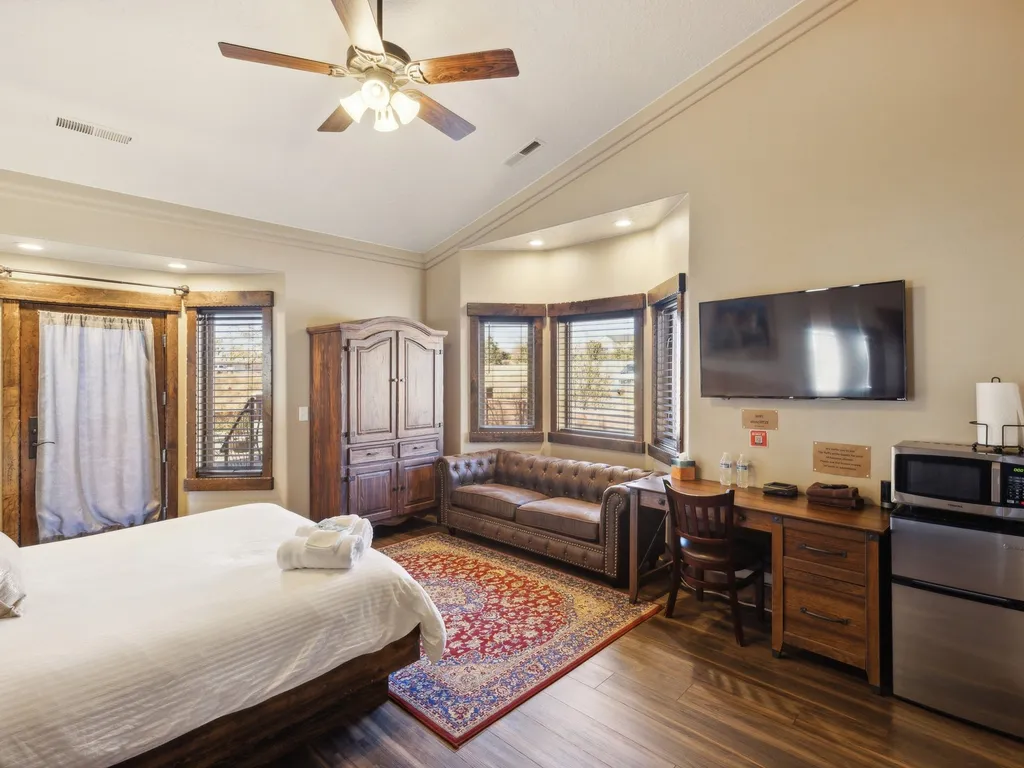 Hotel Room54 mi1 / 52Photo 1 of 52
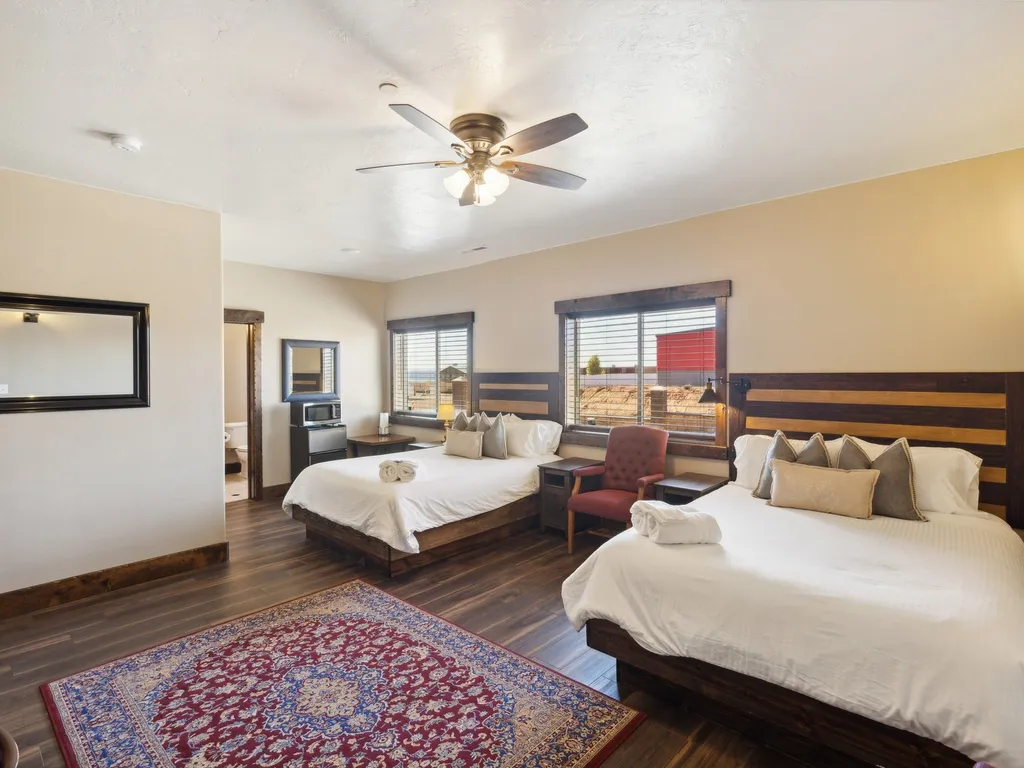 Hotel Room54 mi1 / 52Photo 1 of 52
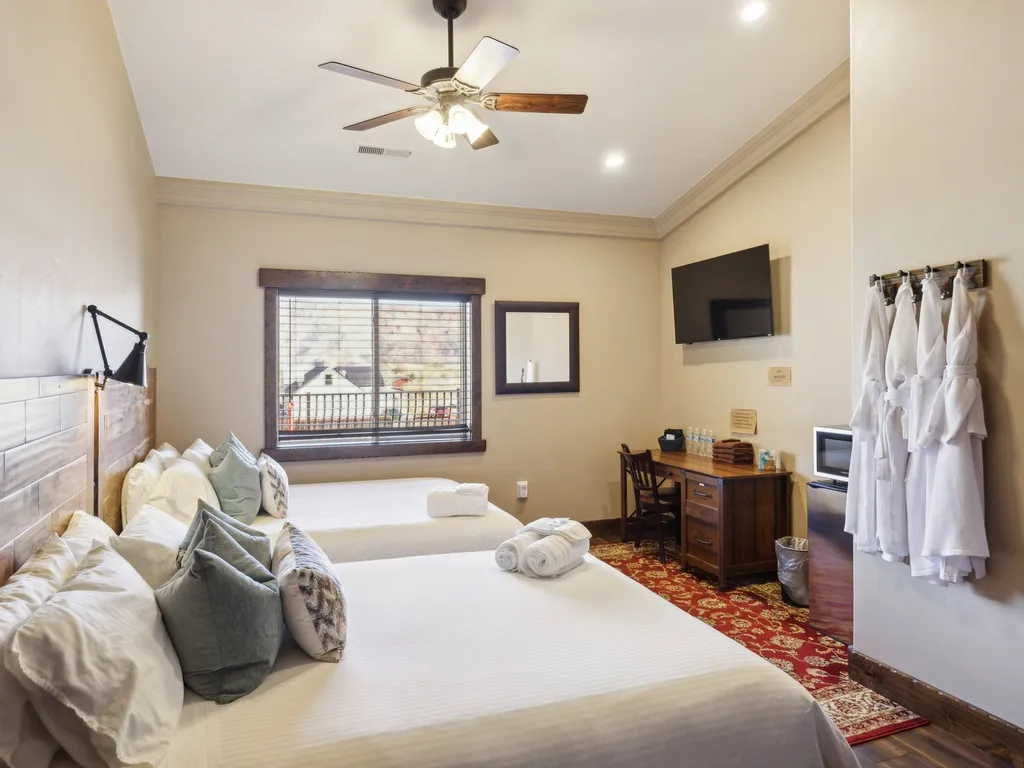 Hotel Room54 mi1 / 52Photo 1 of 52
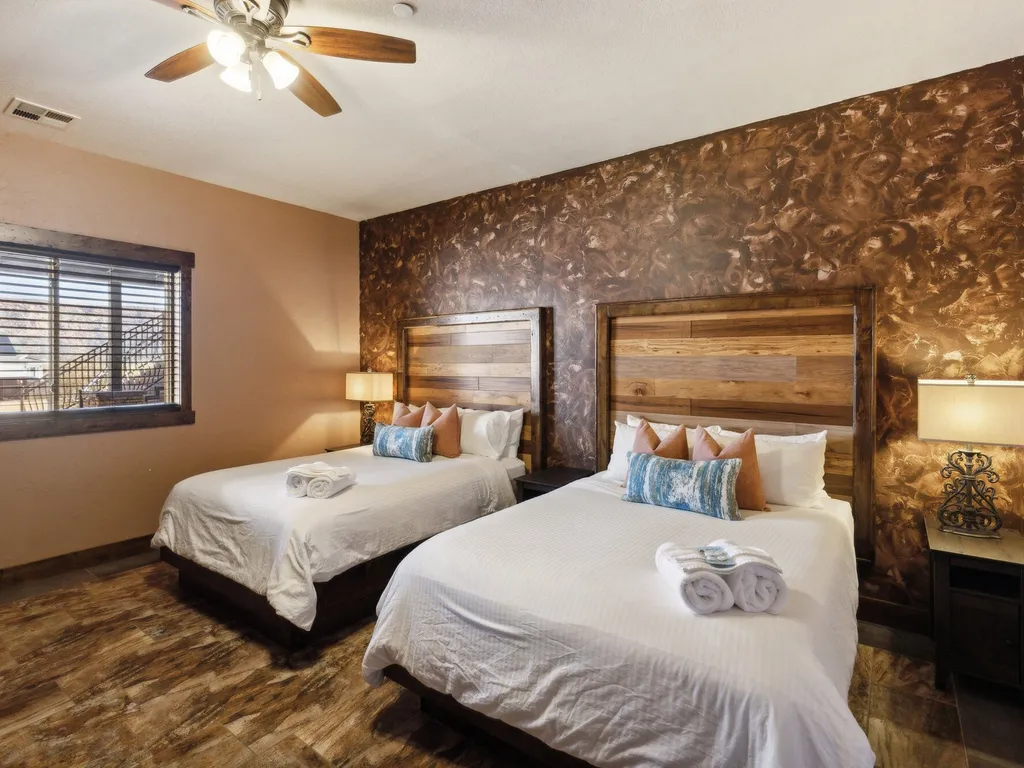 Hotel Room54 mi1 / 54Photo 1 of 54
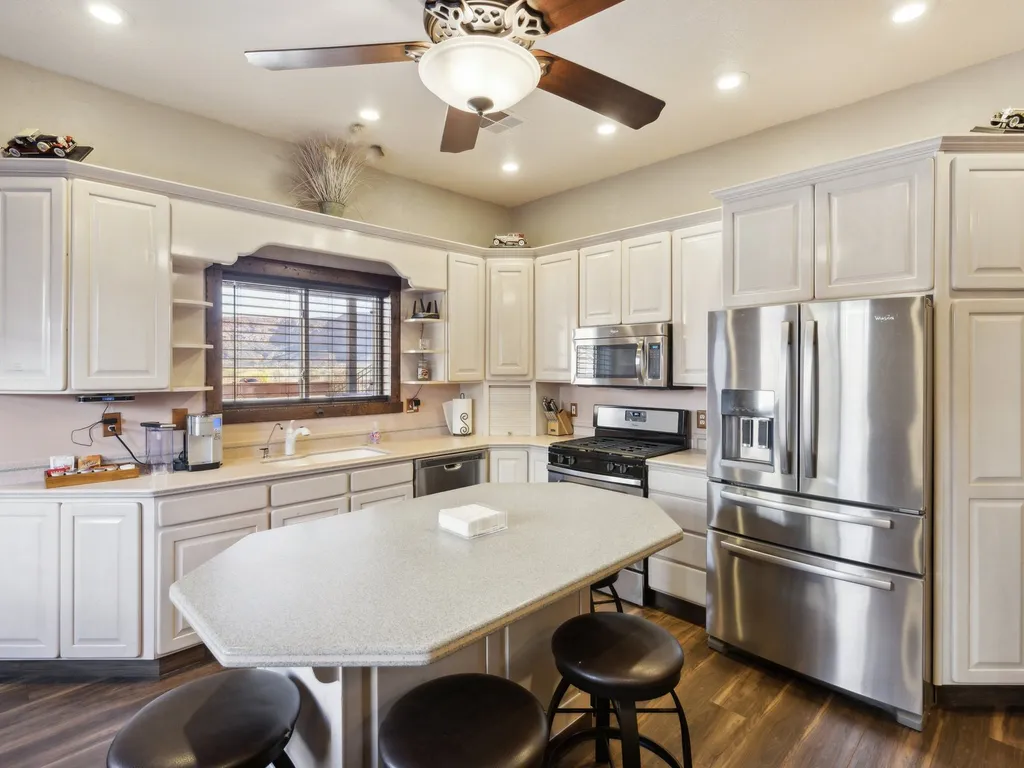 apts54 mi1 / 52Photo 1 of 52
 suite54 mi1 / 51Photo 1 of 51
 home67 mi1 / 87Photo 1 of 87