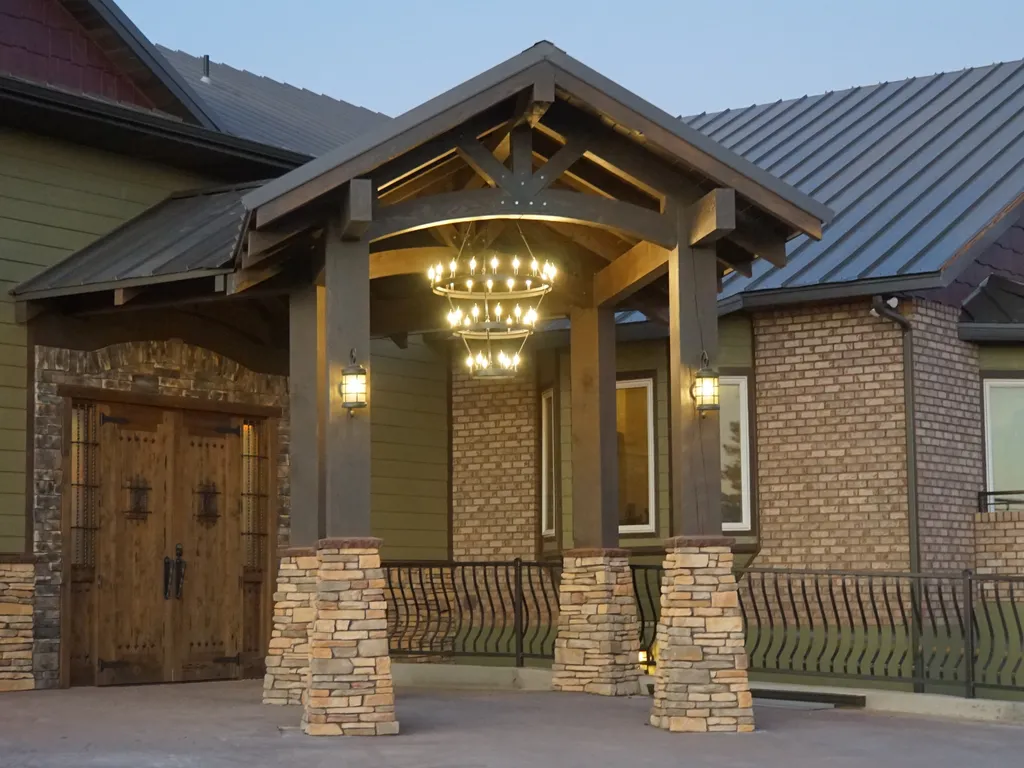
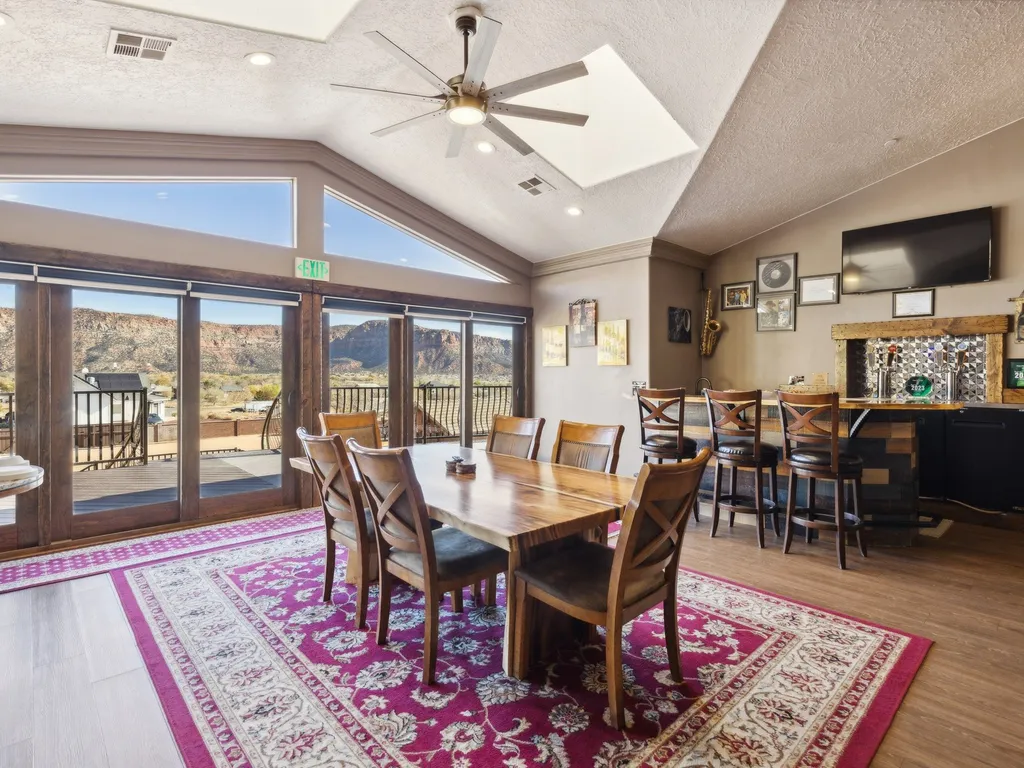
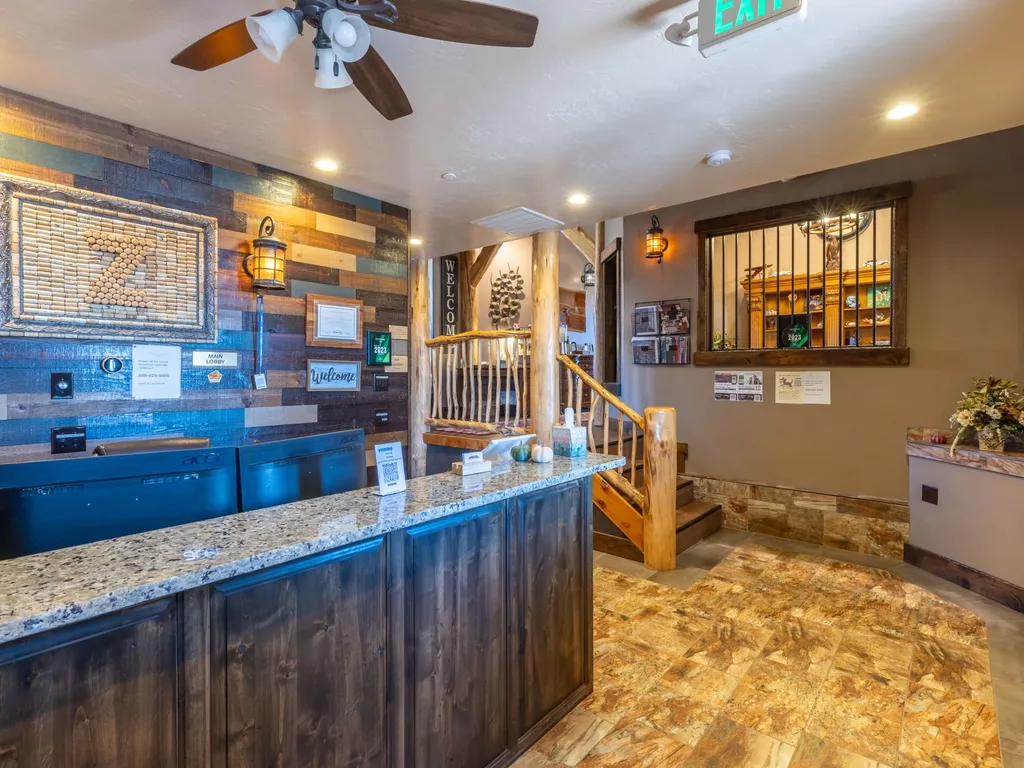
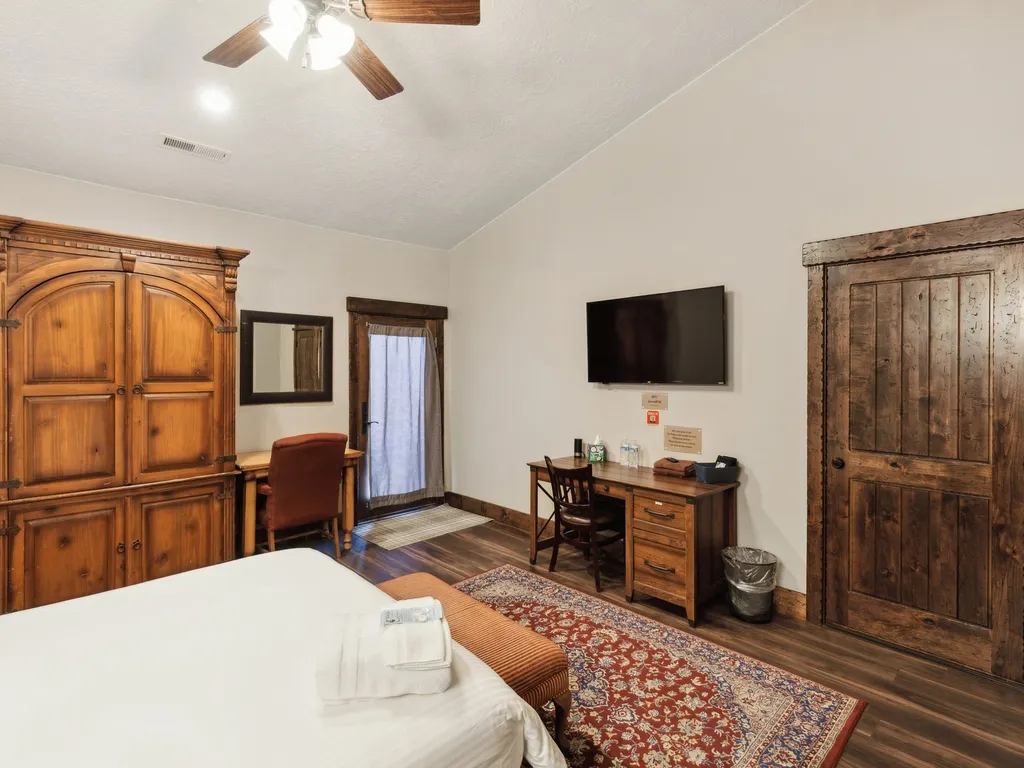
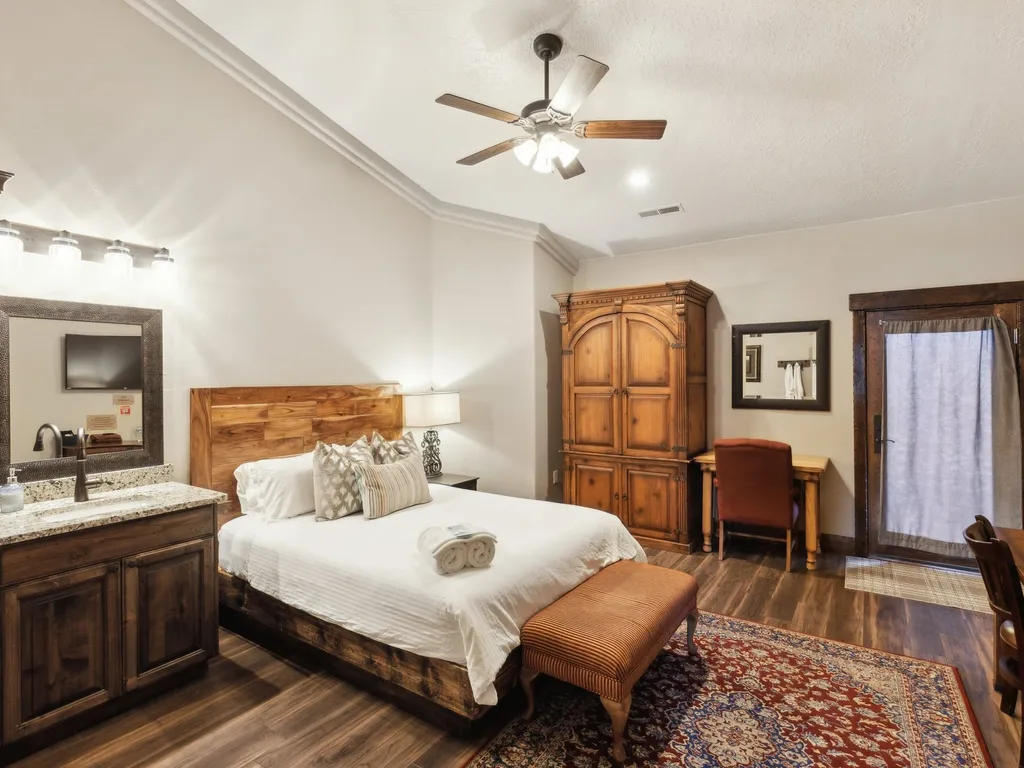
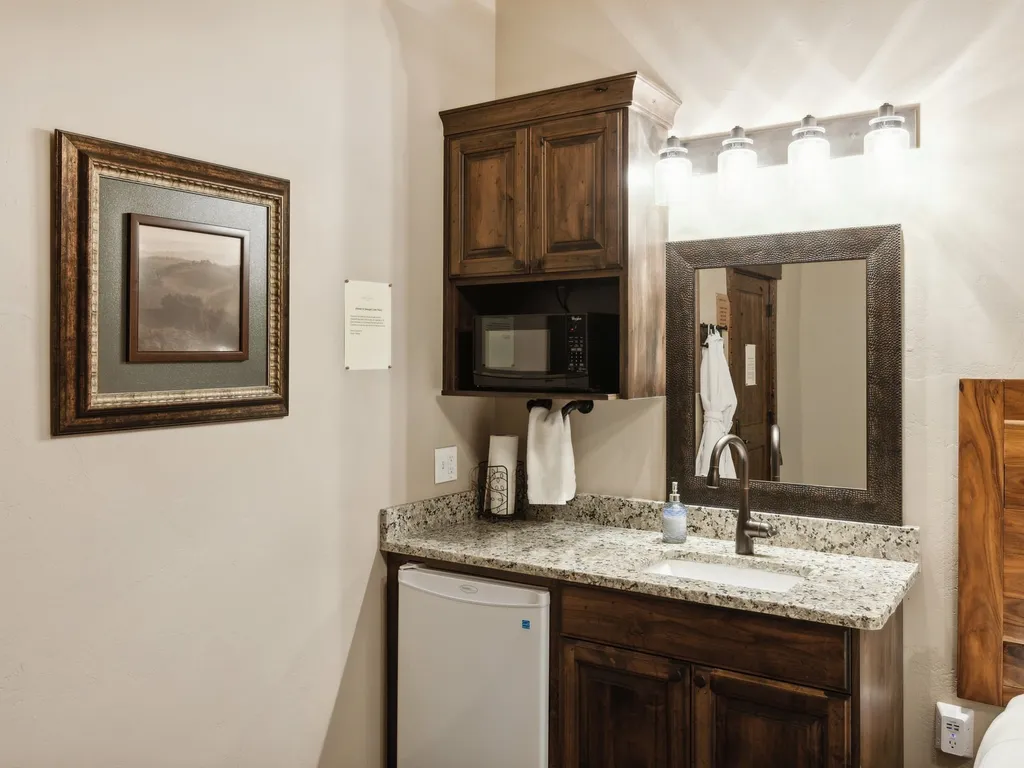
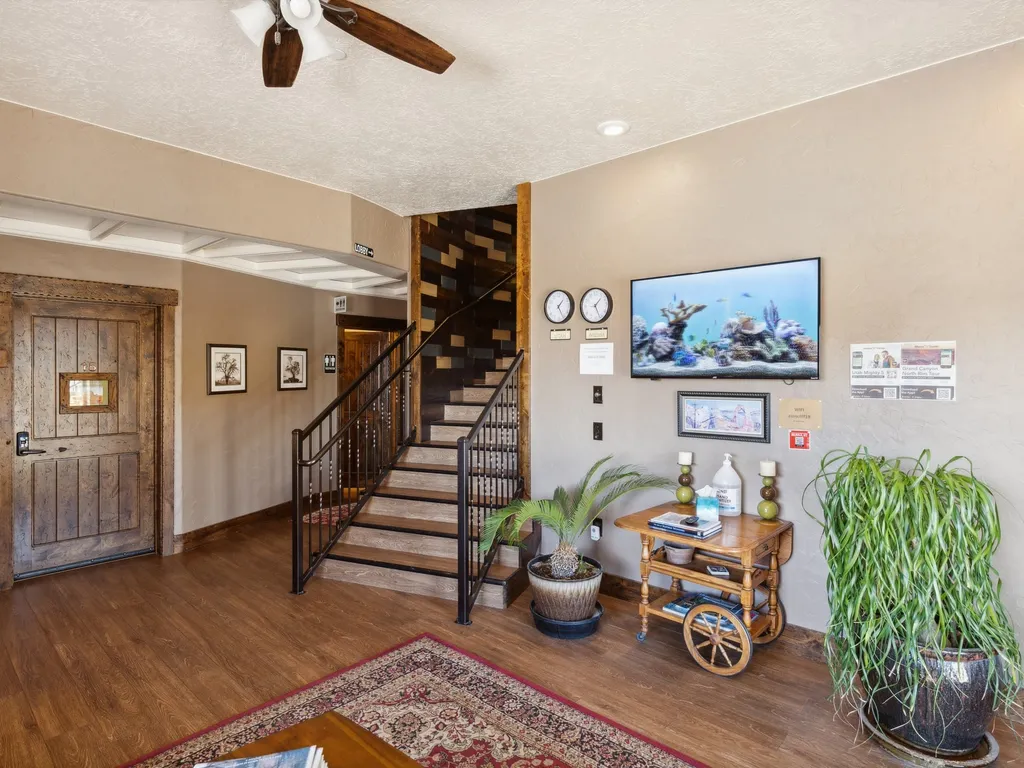
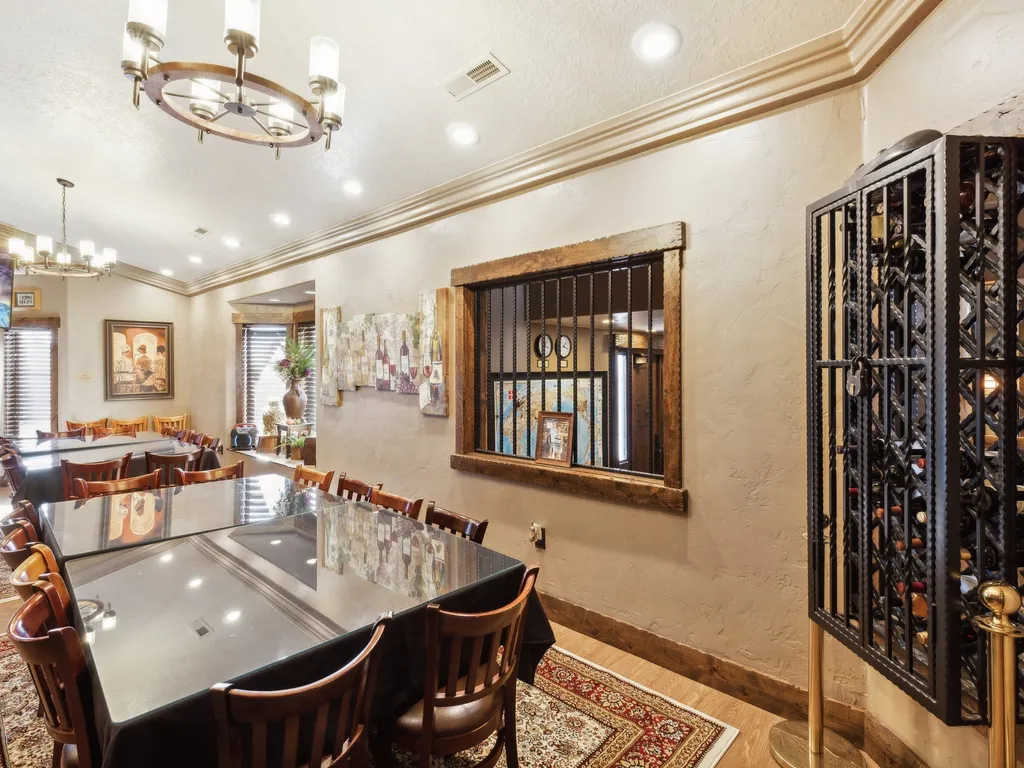
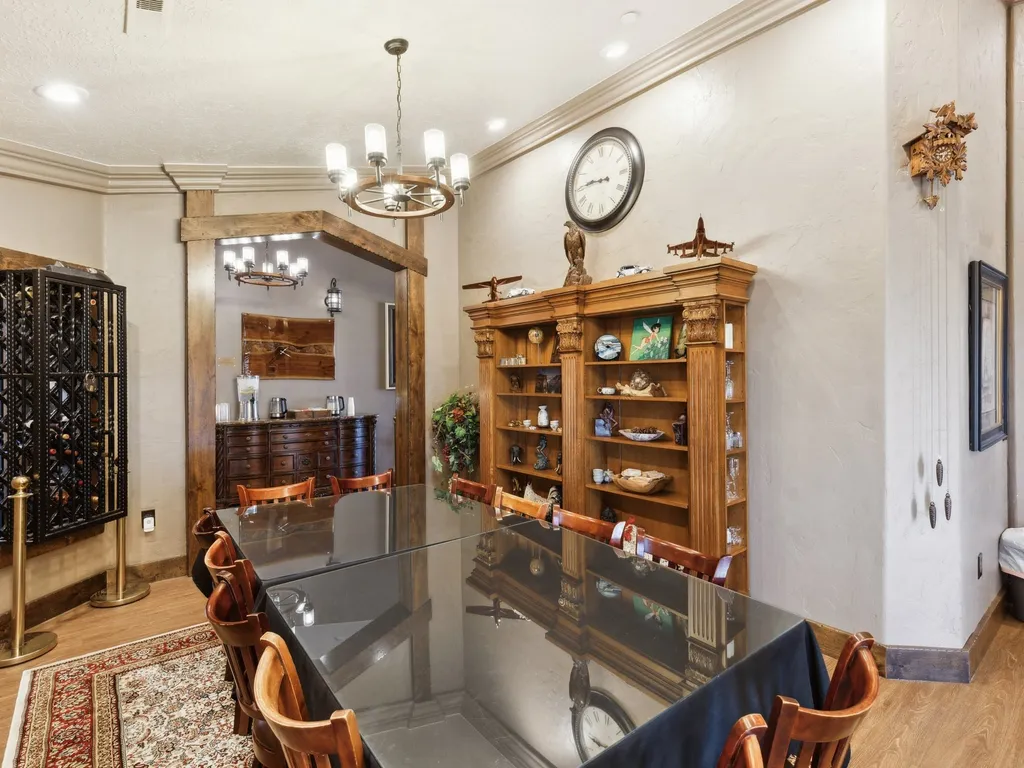
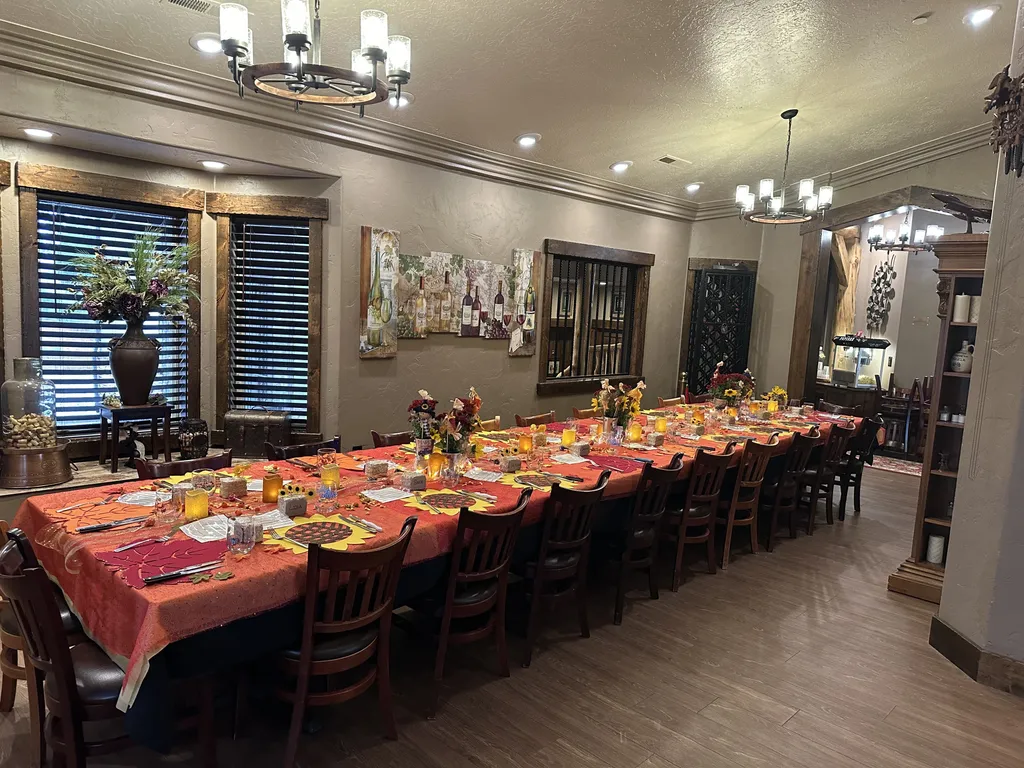
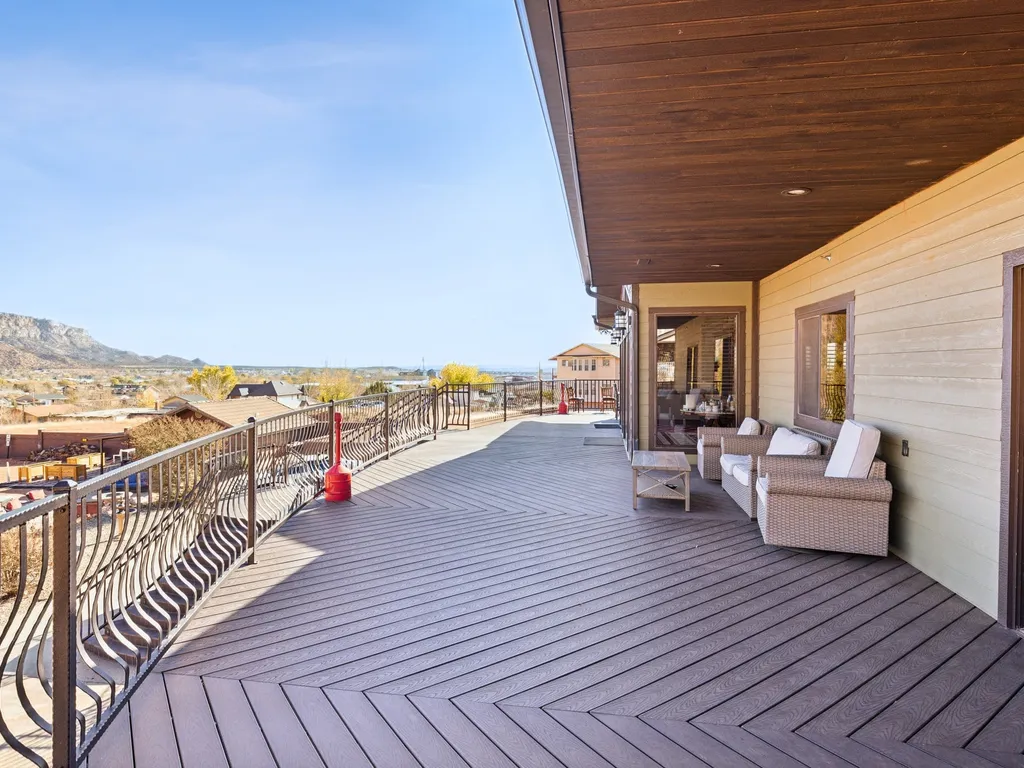
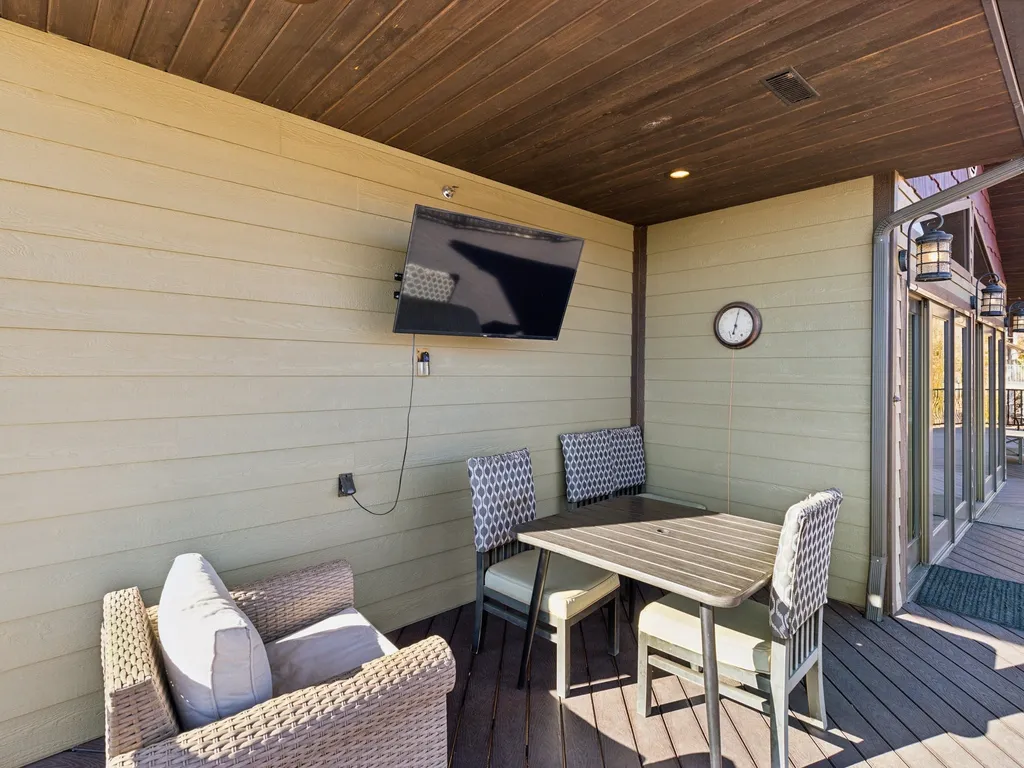
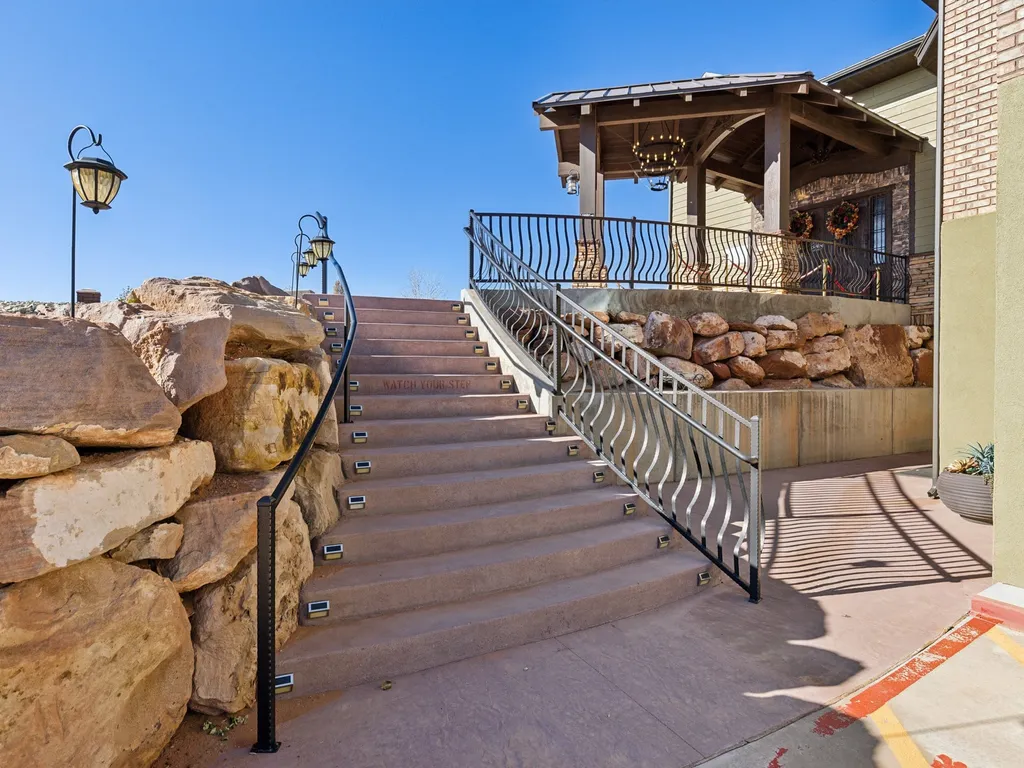
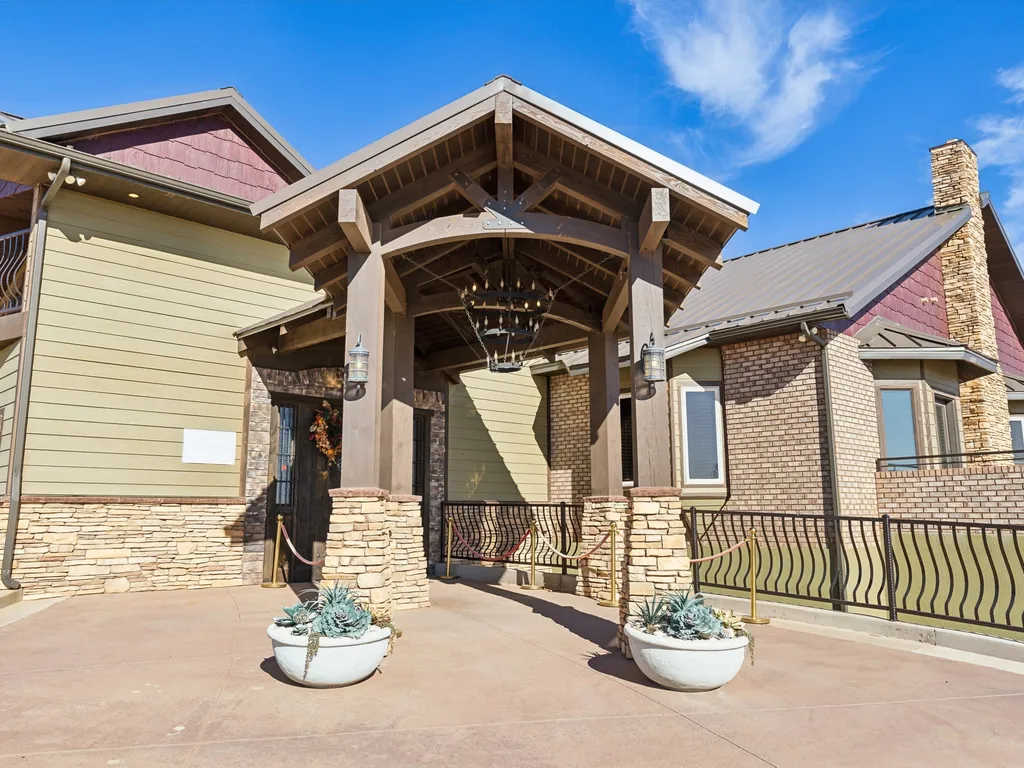
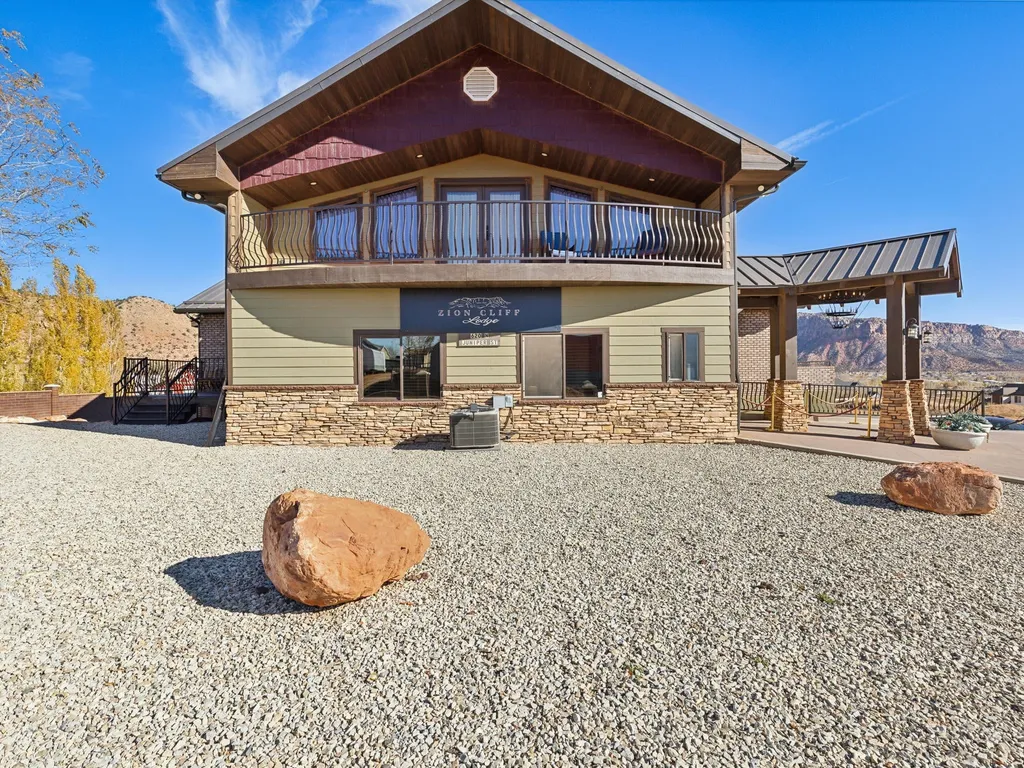
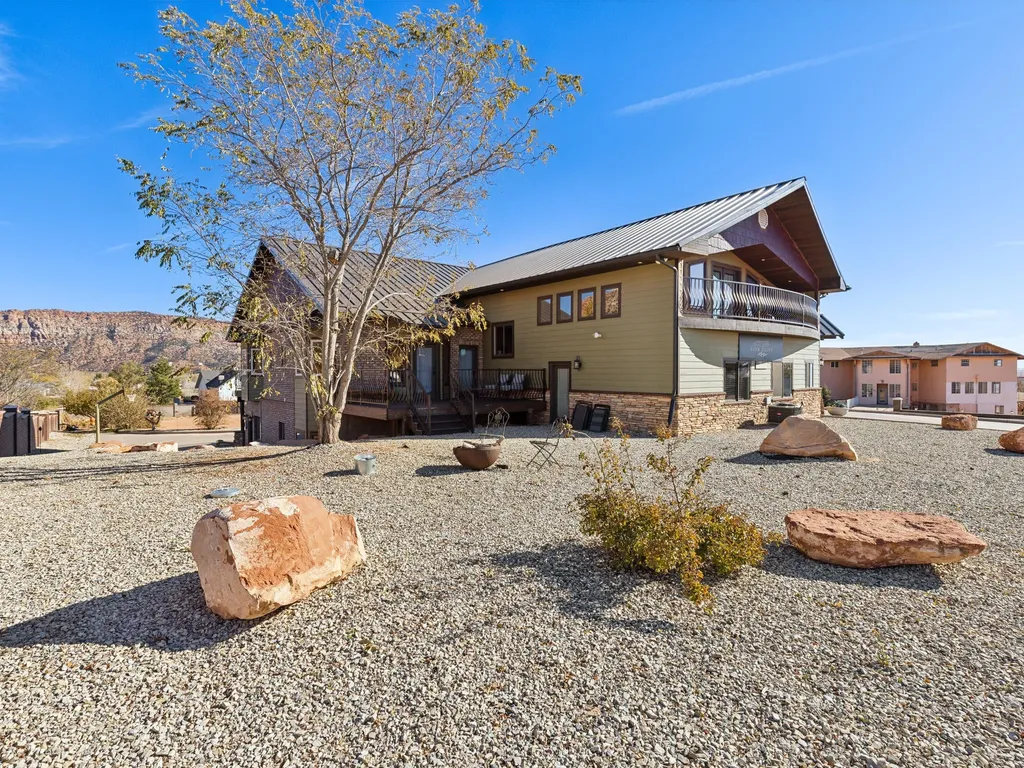
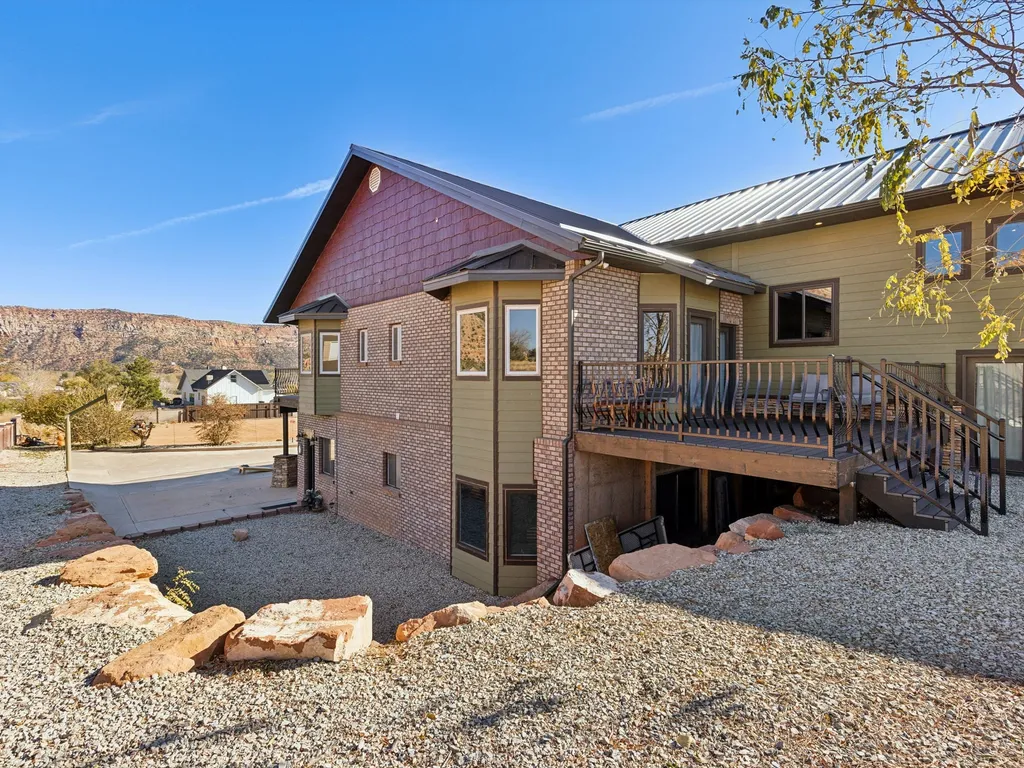
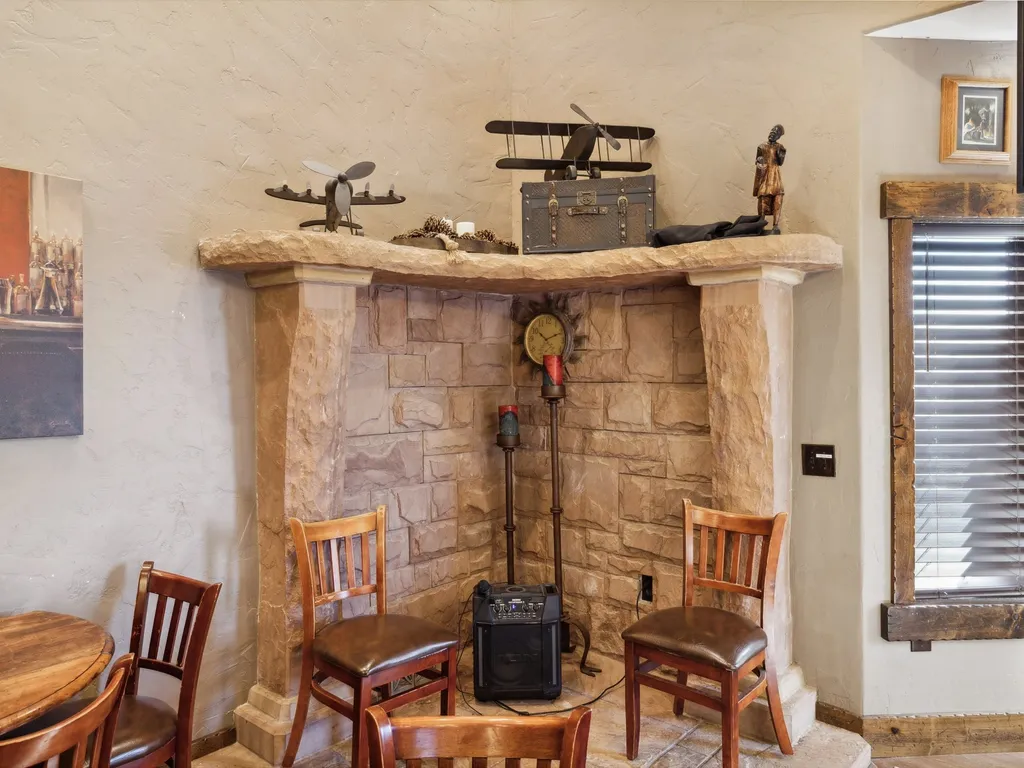
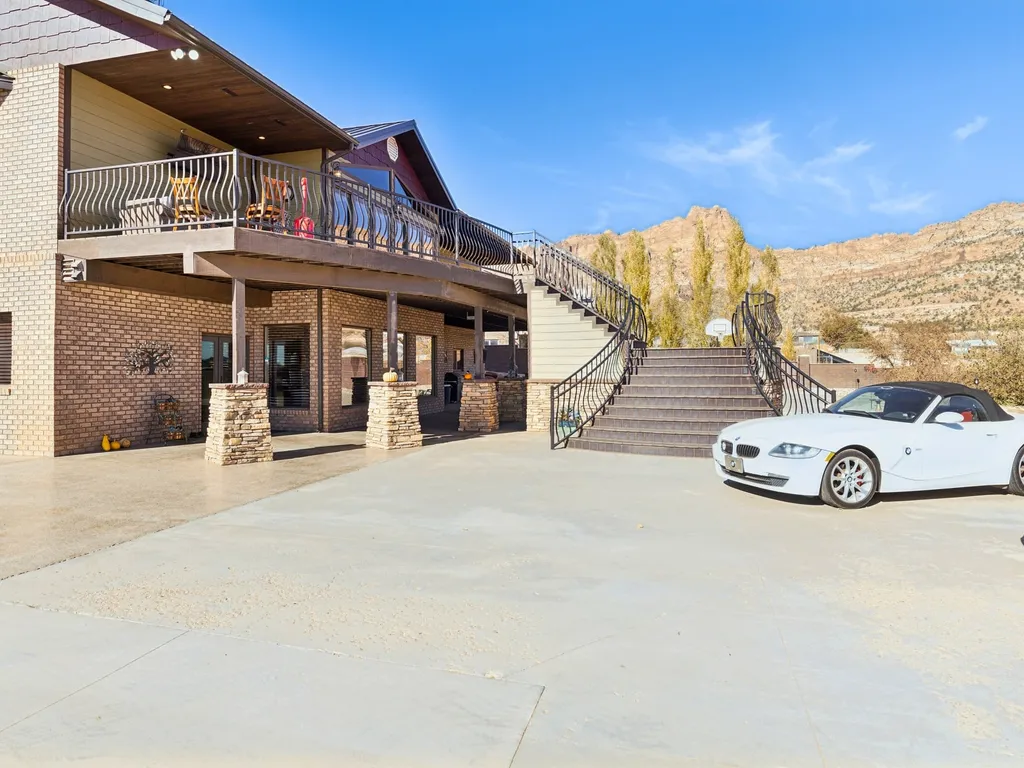
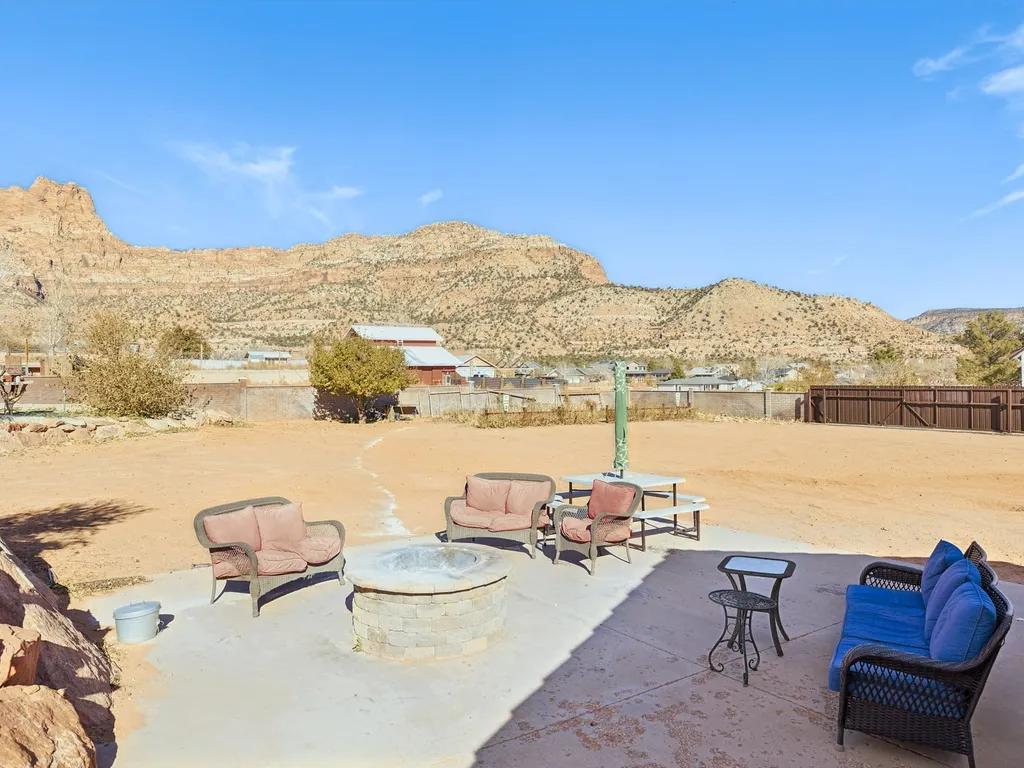
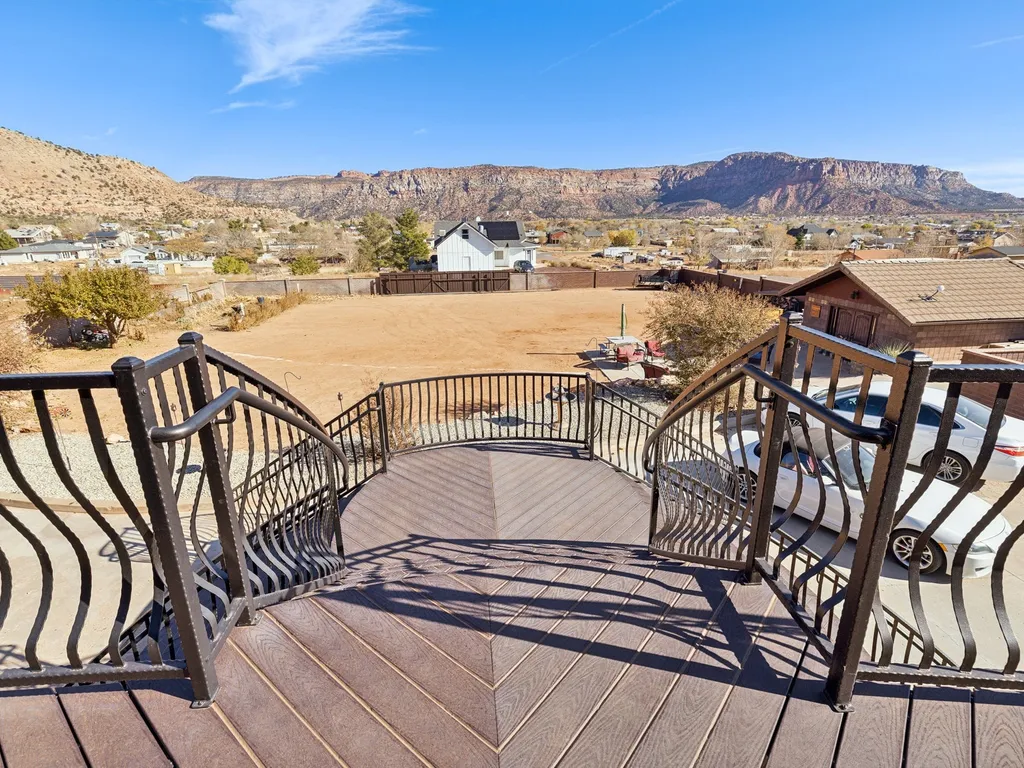
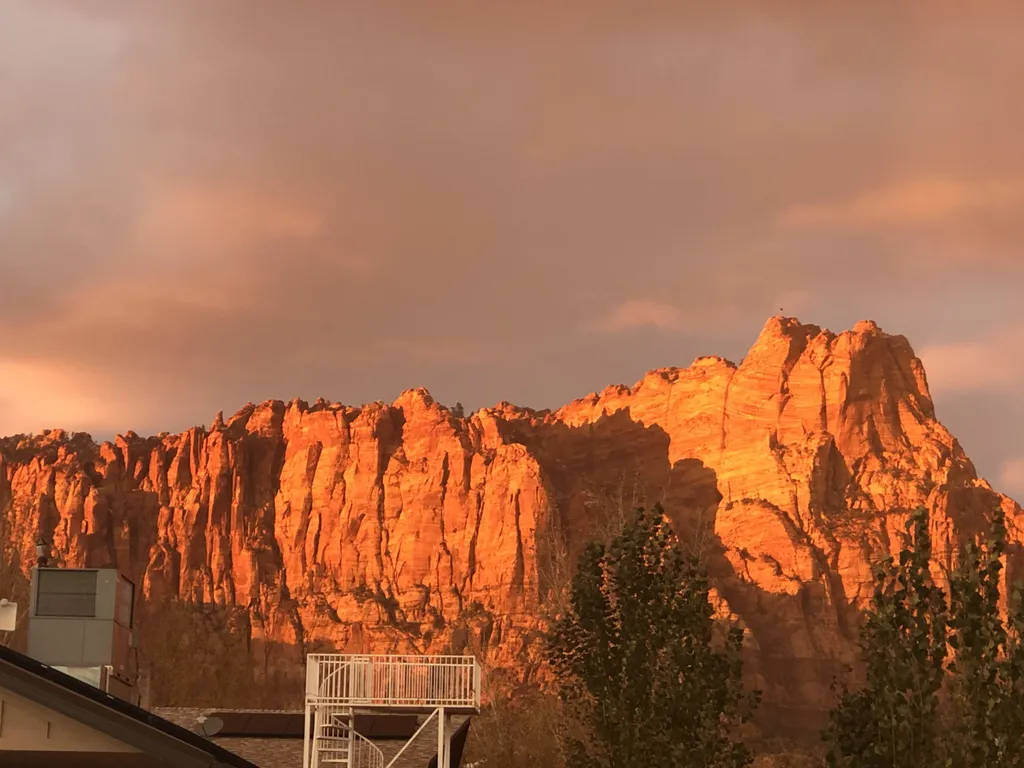
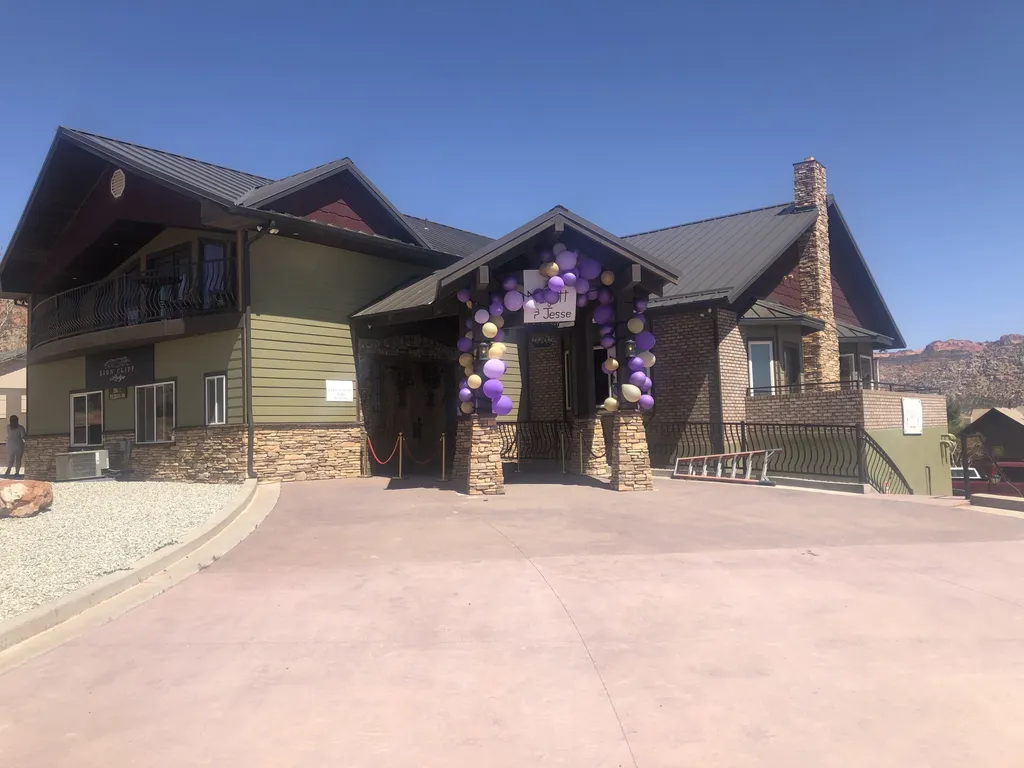
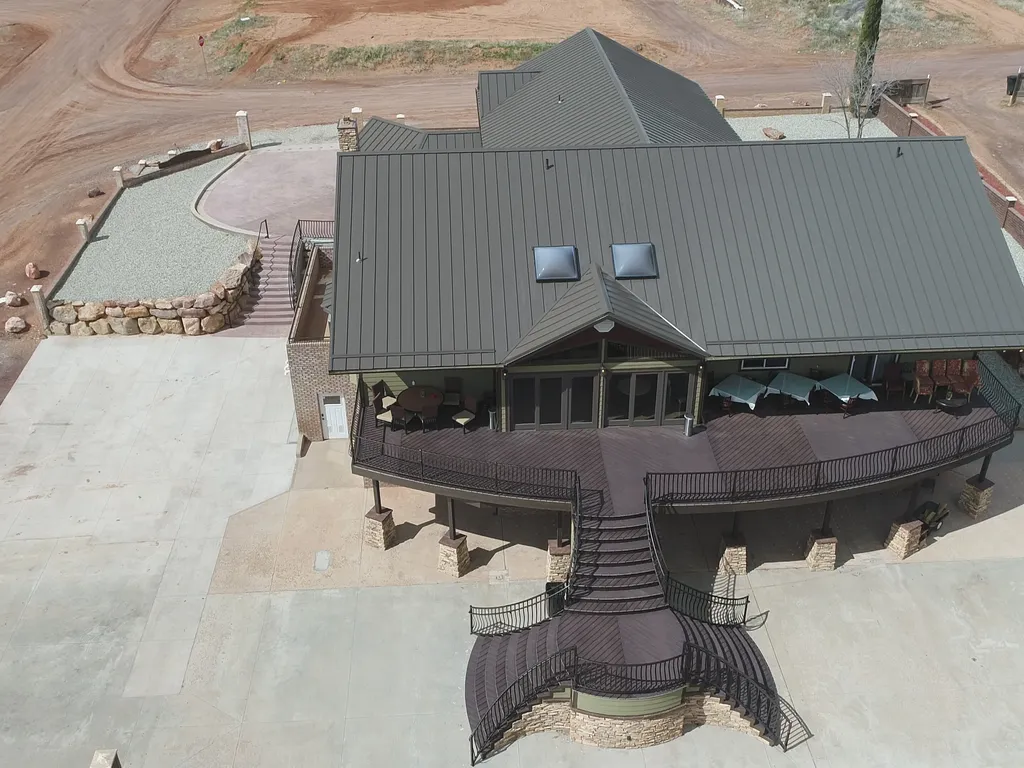
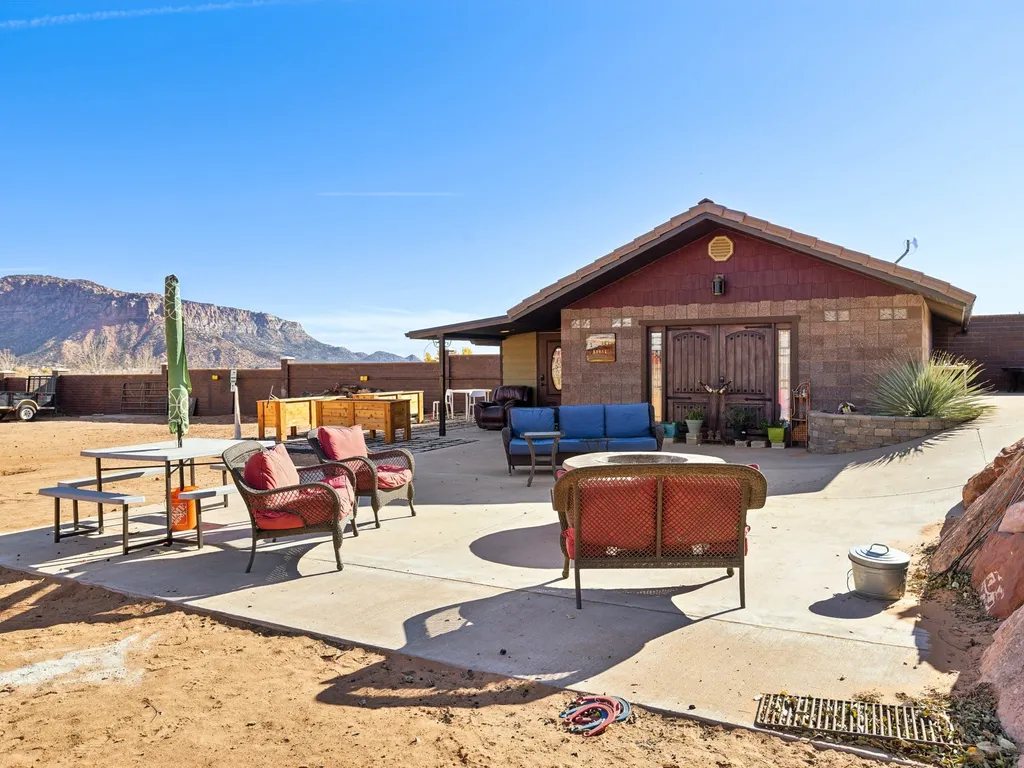
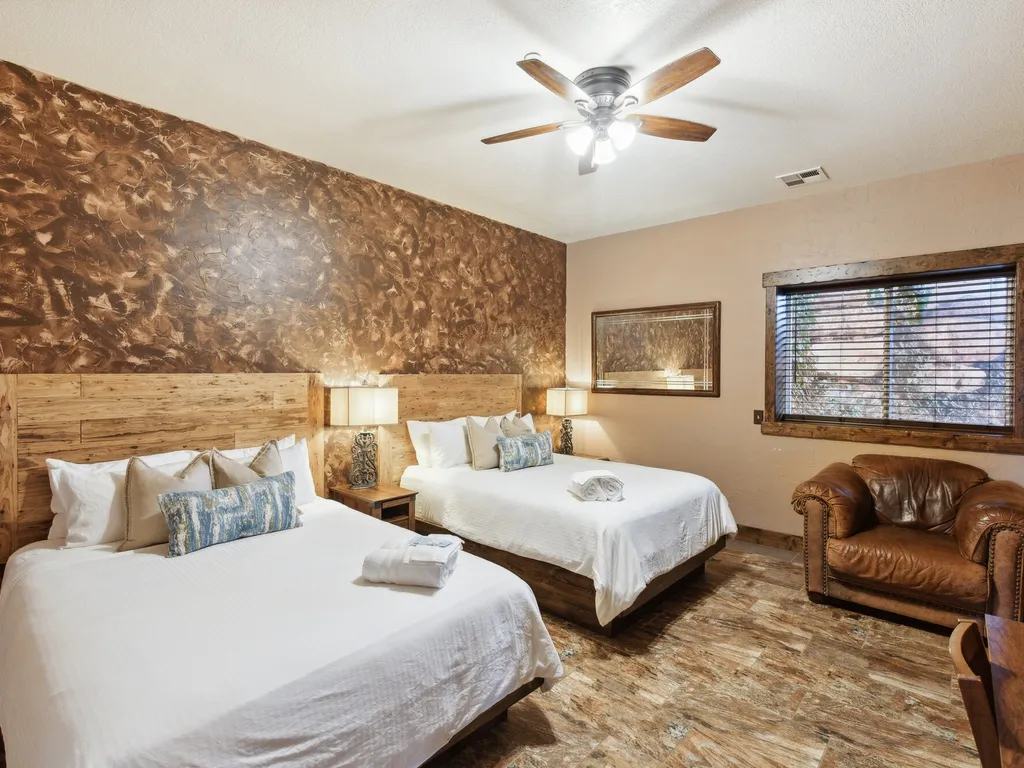
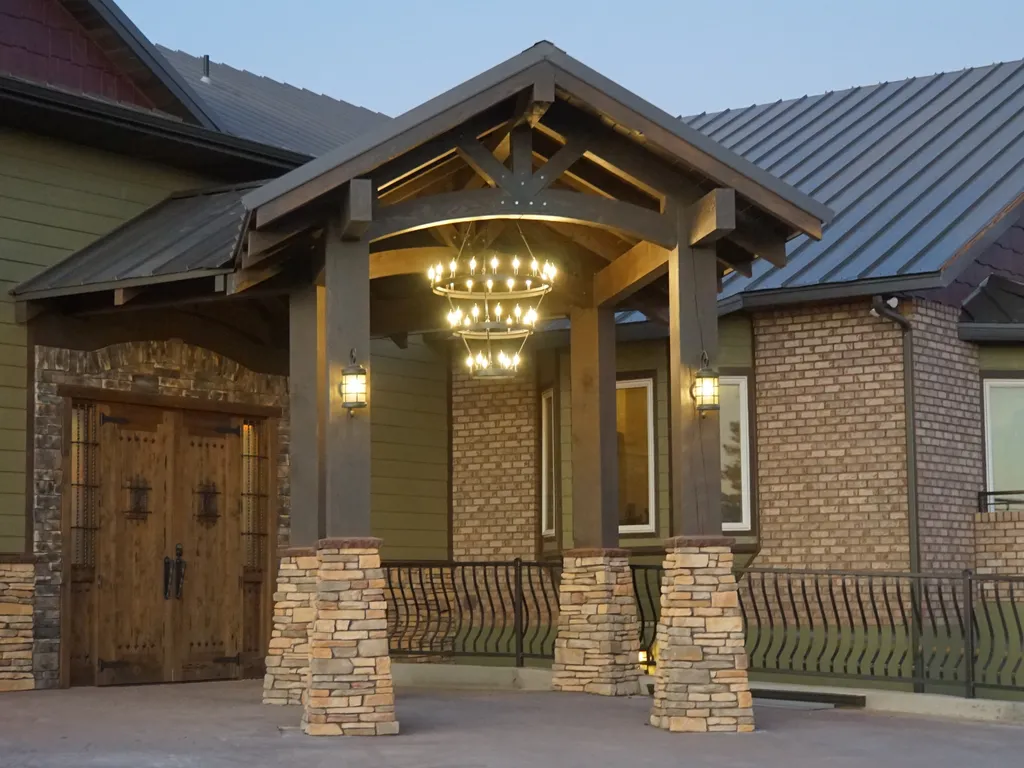
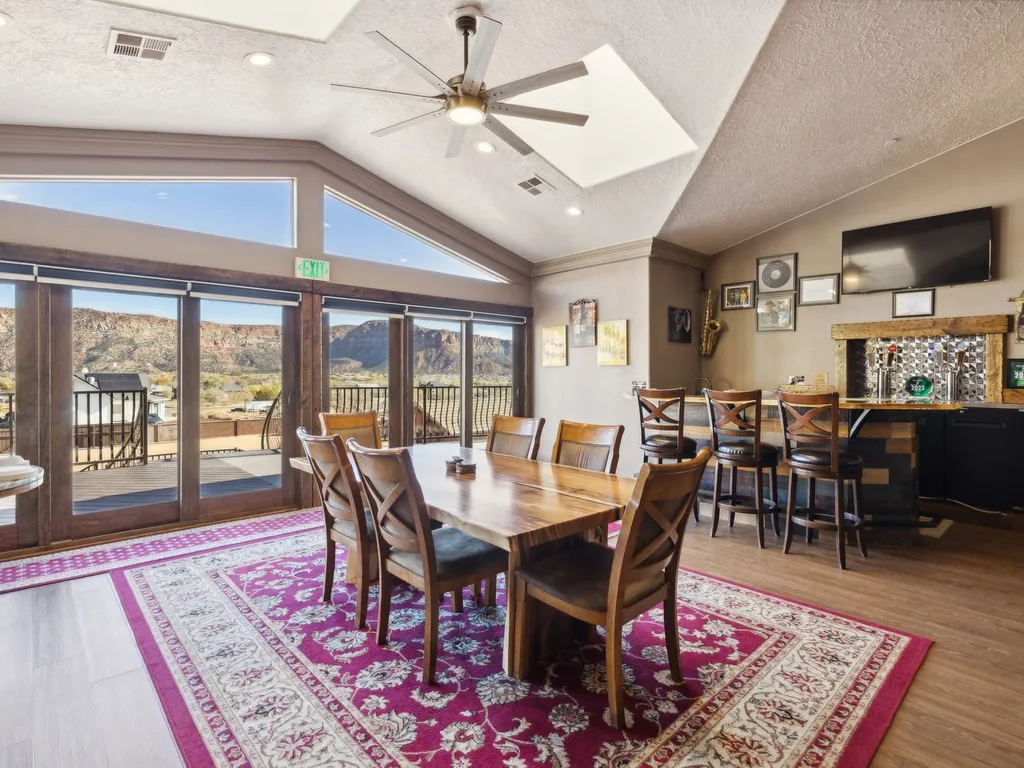
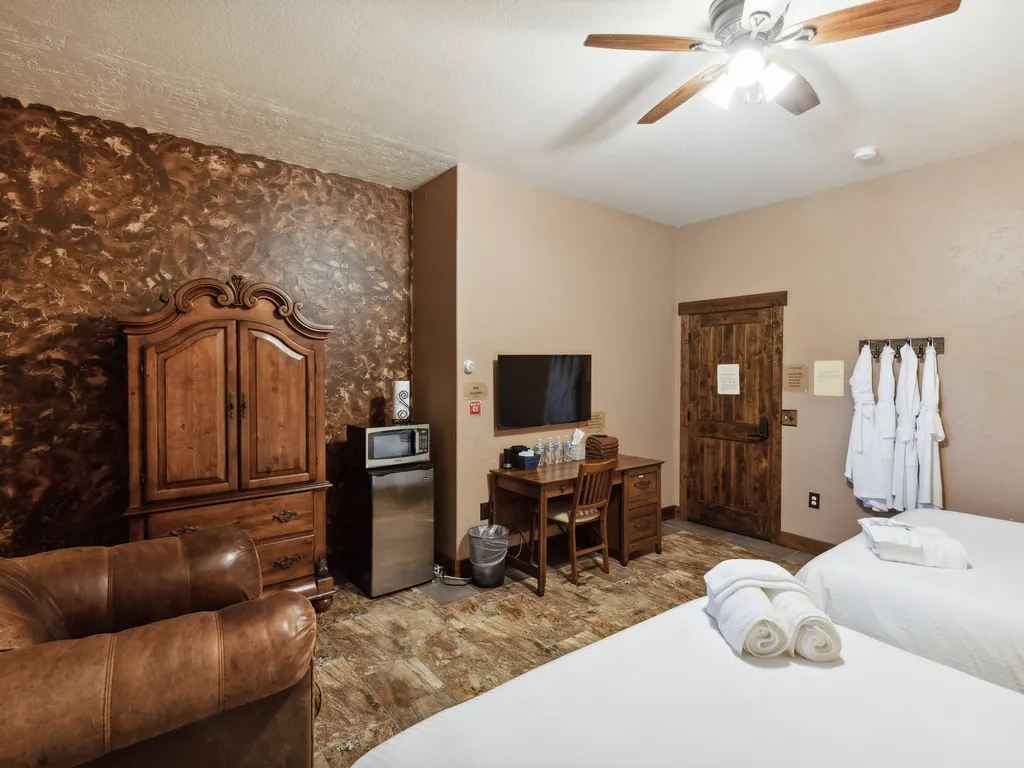
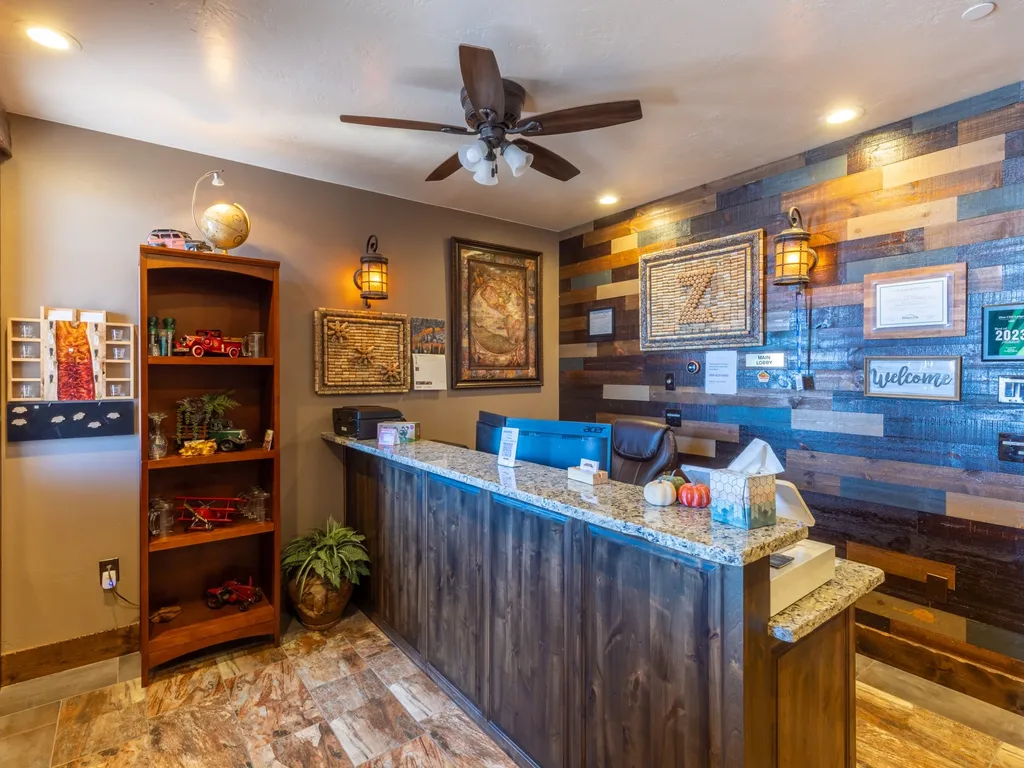
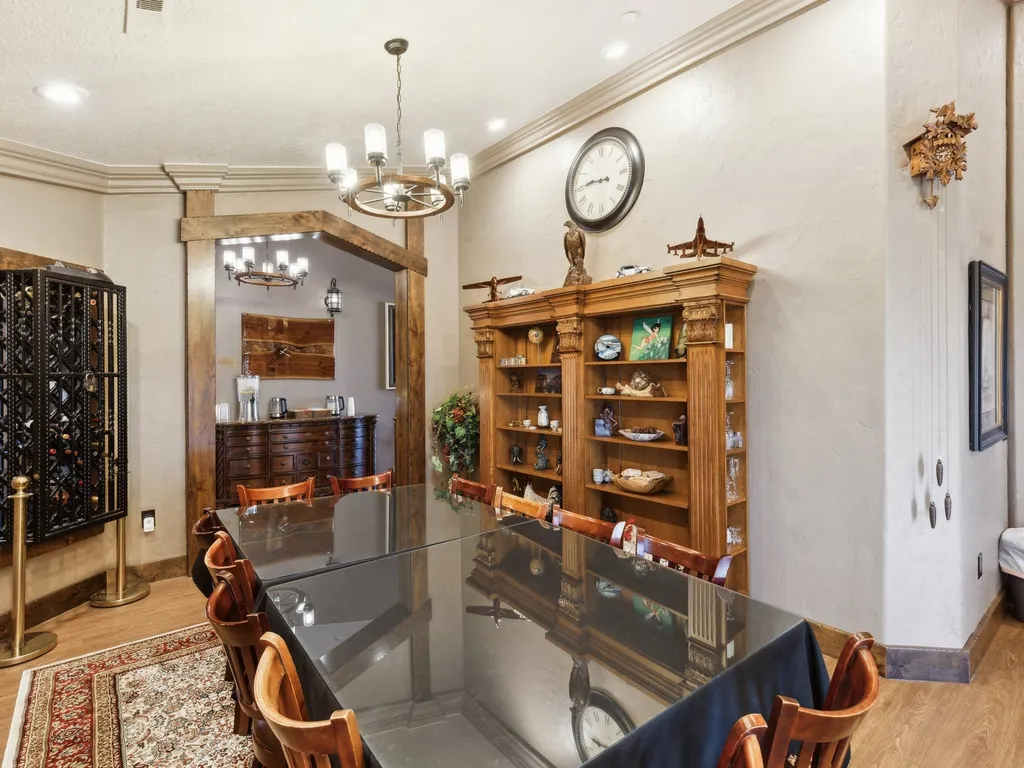
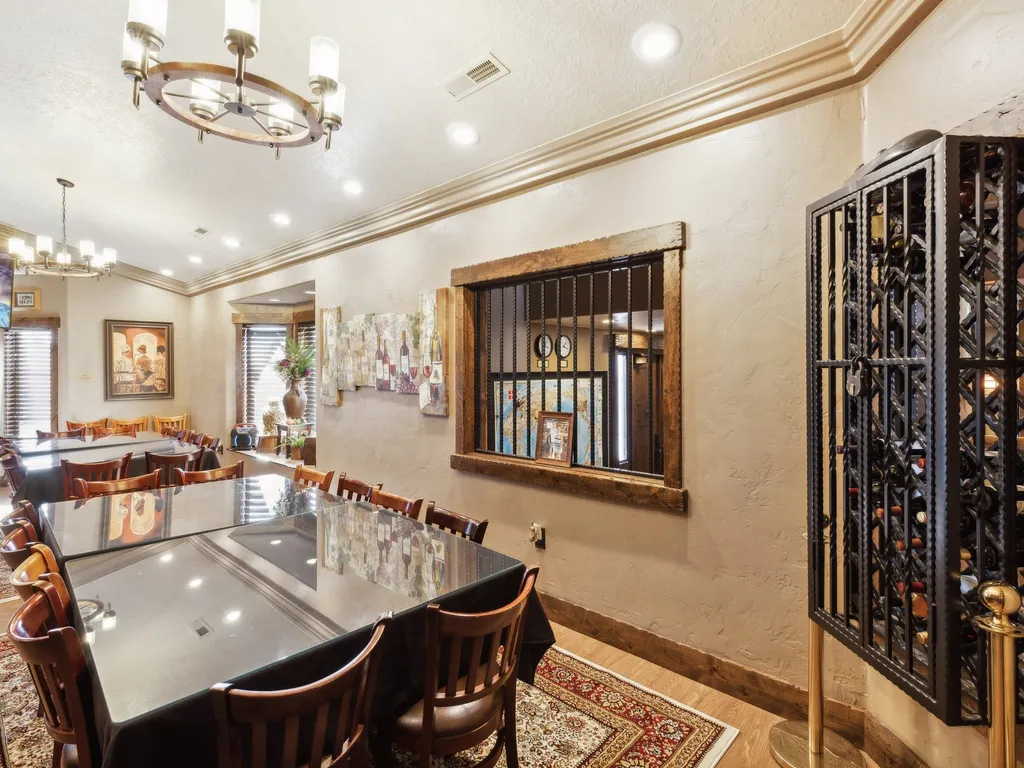
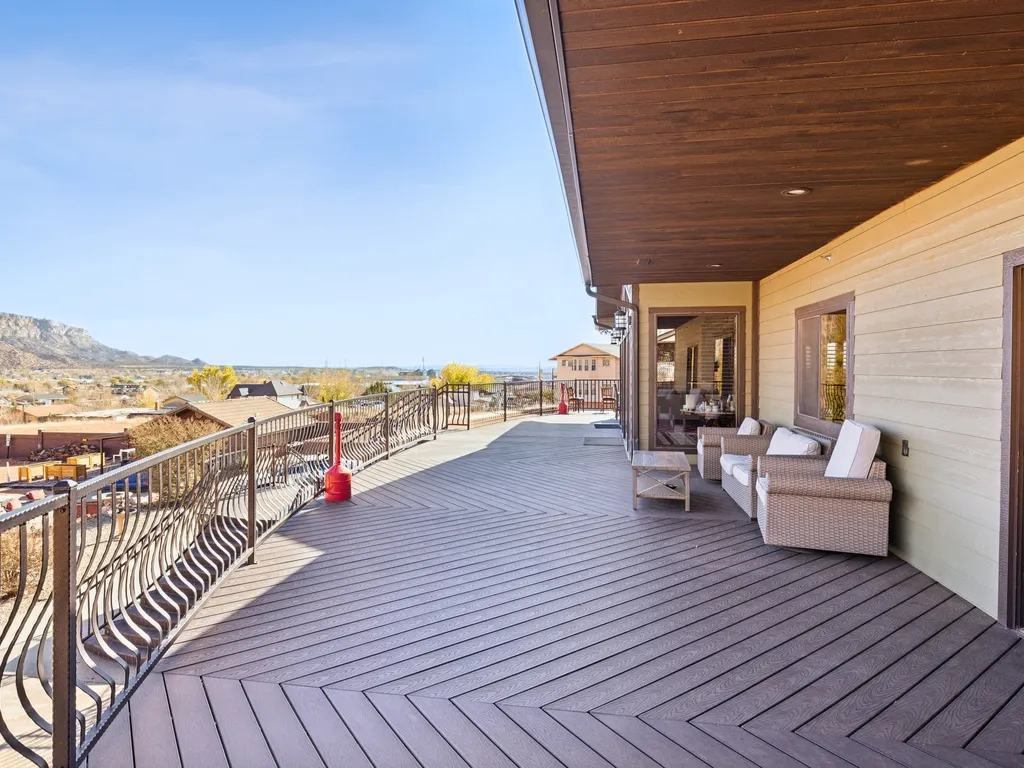
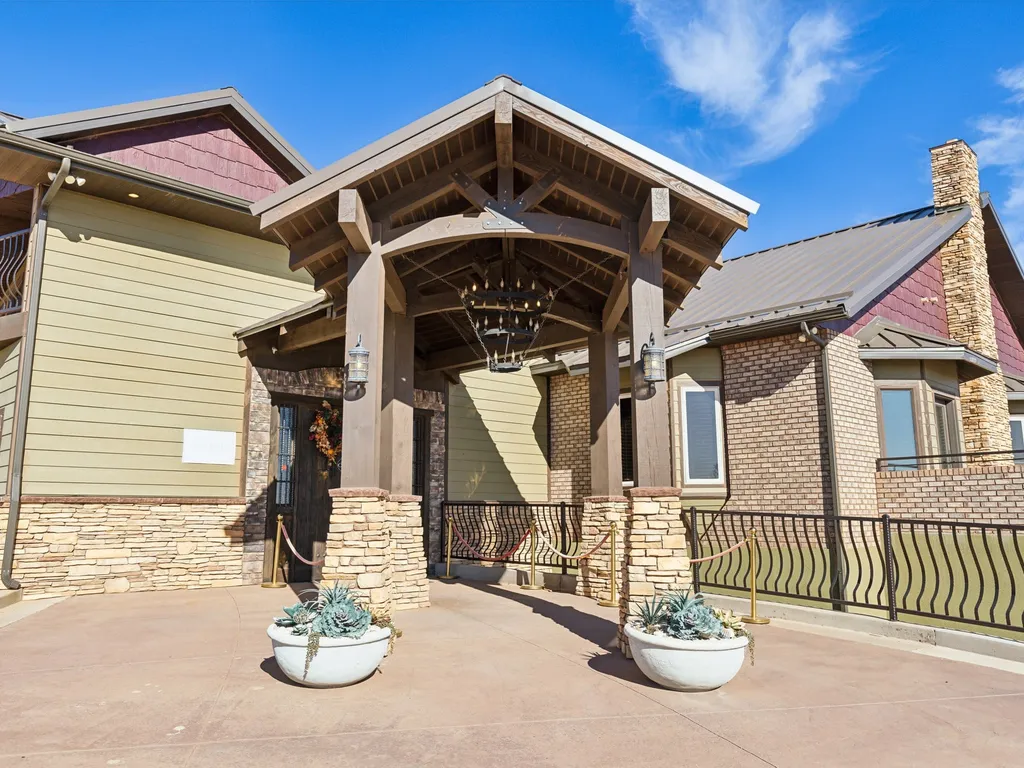
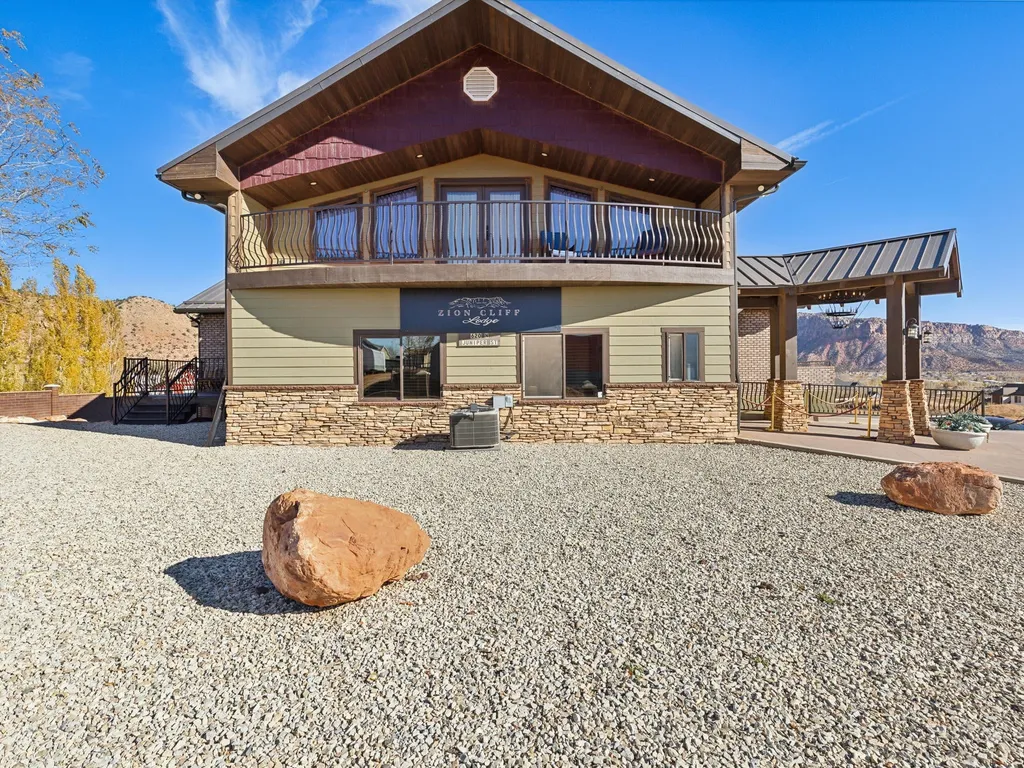
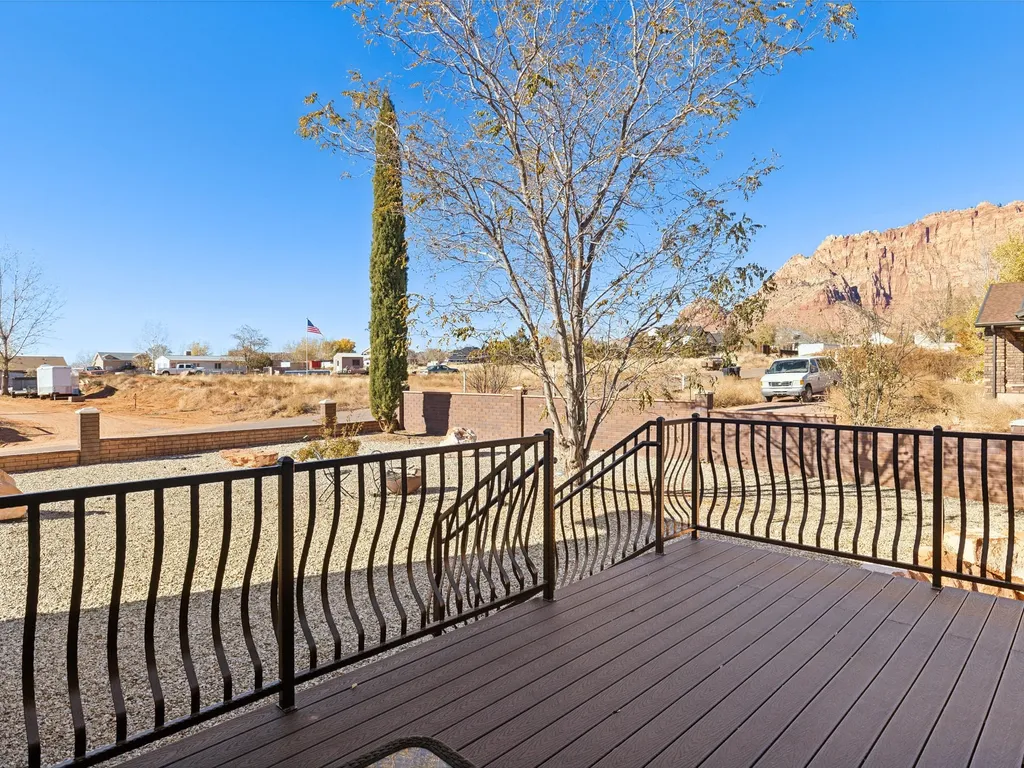
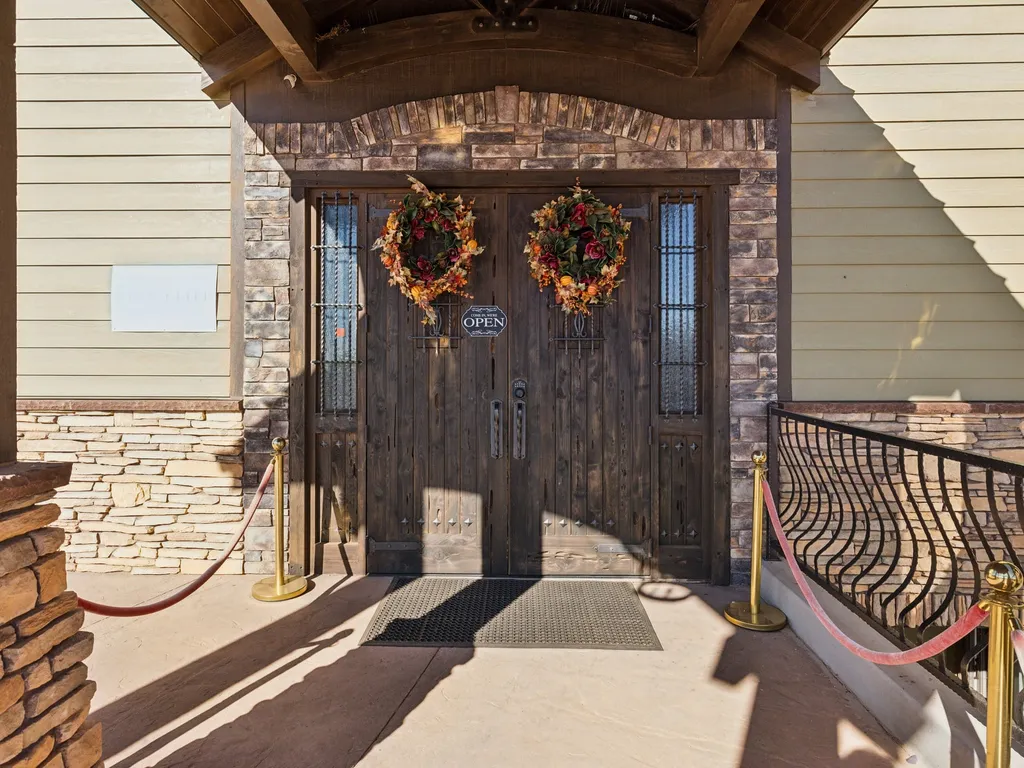
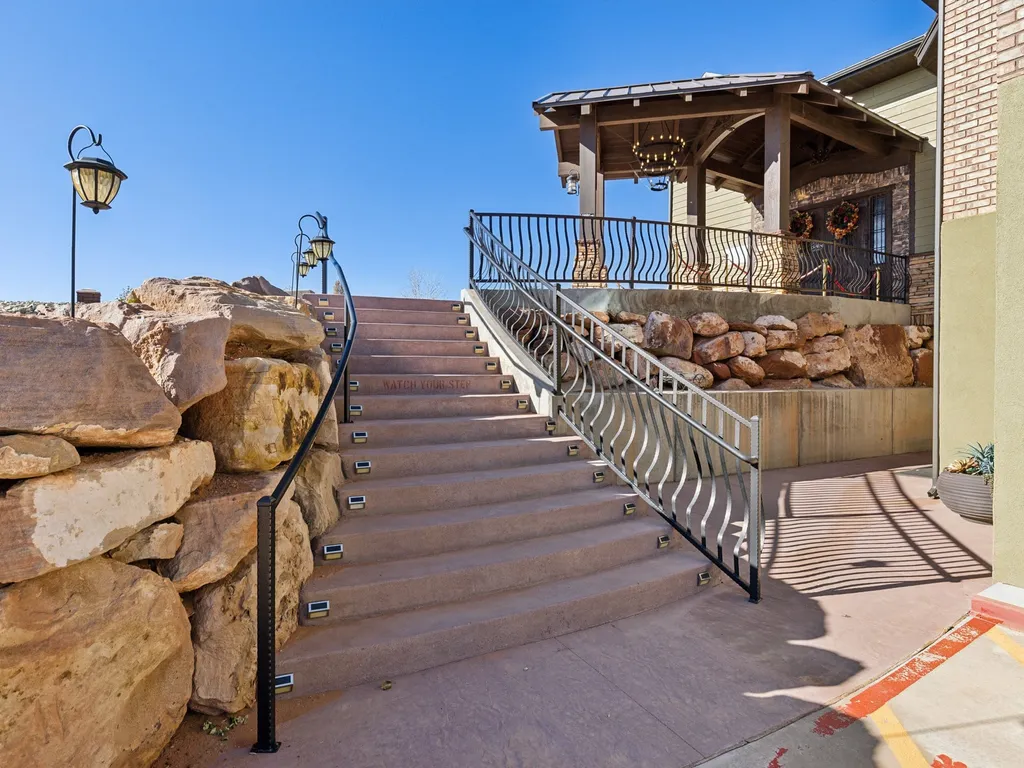
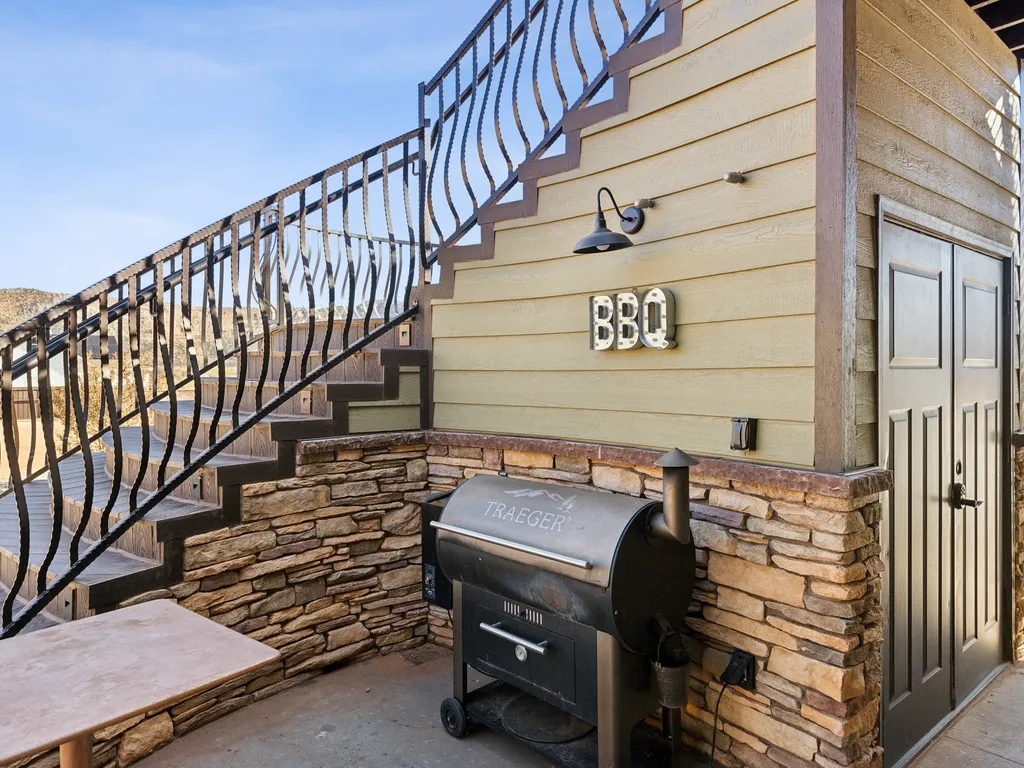
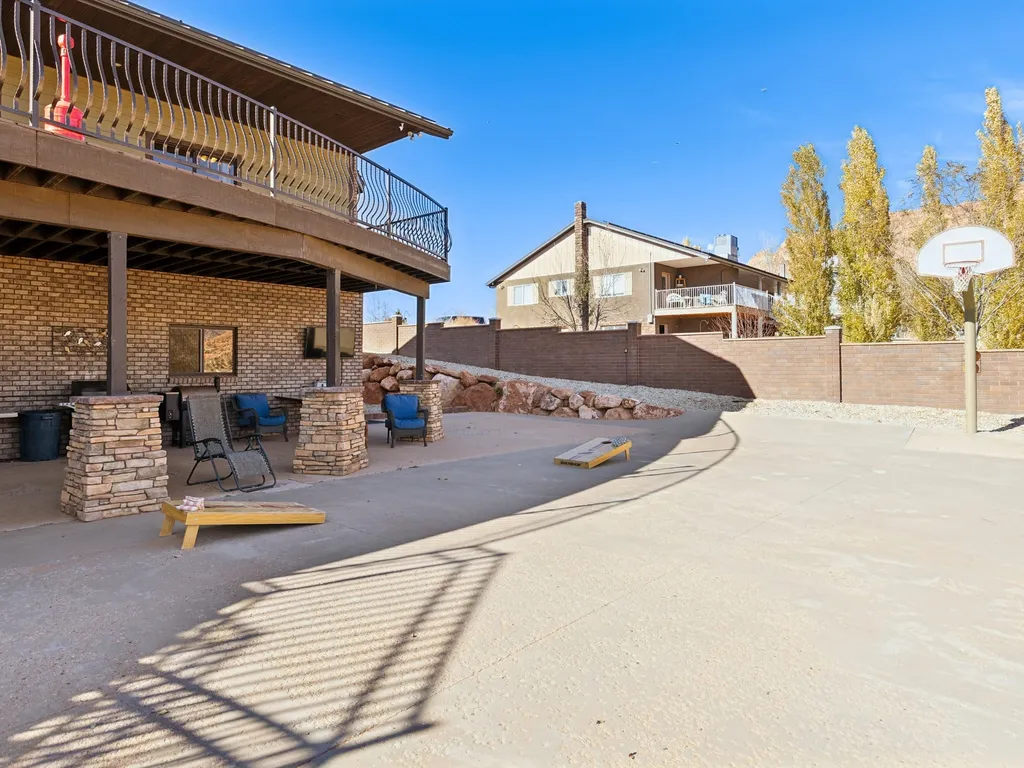
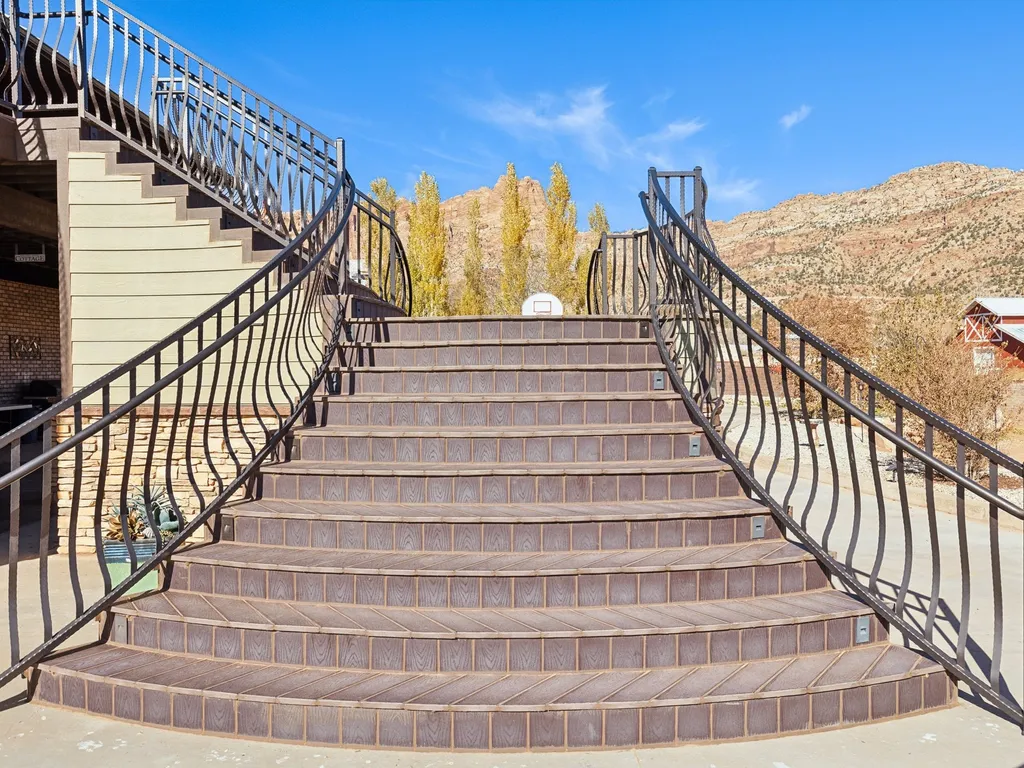
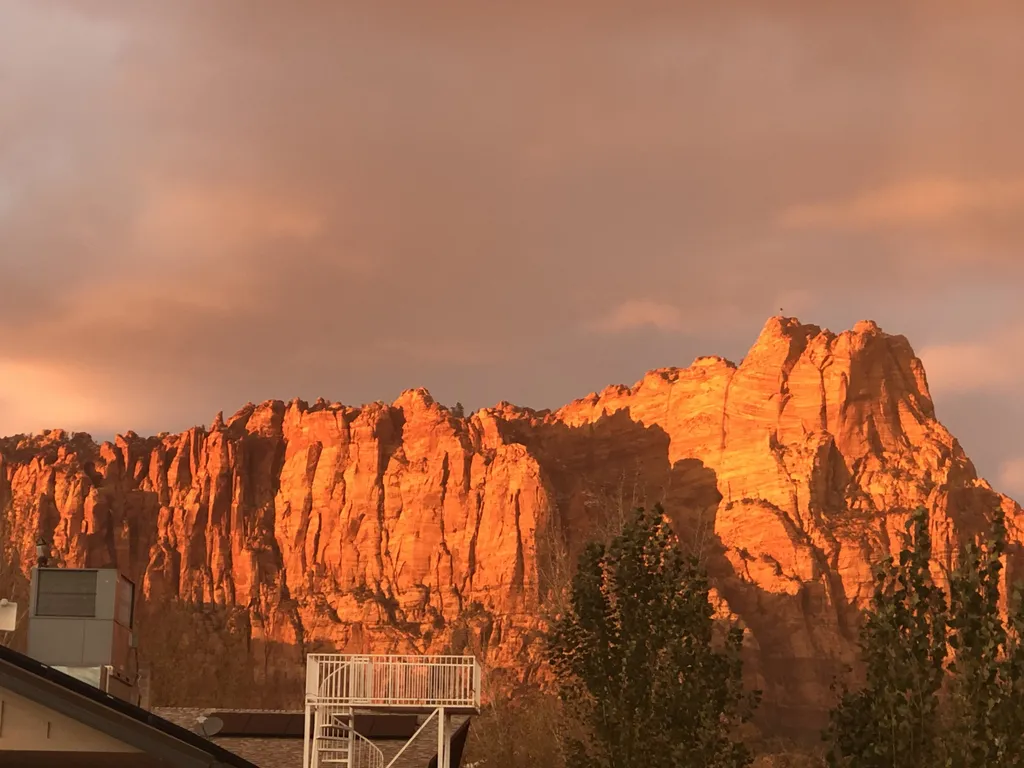
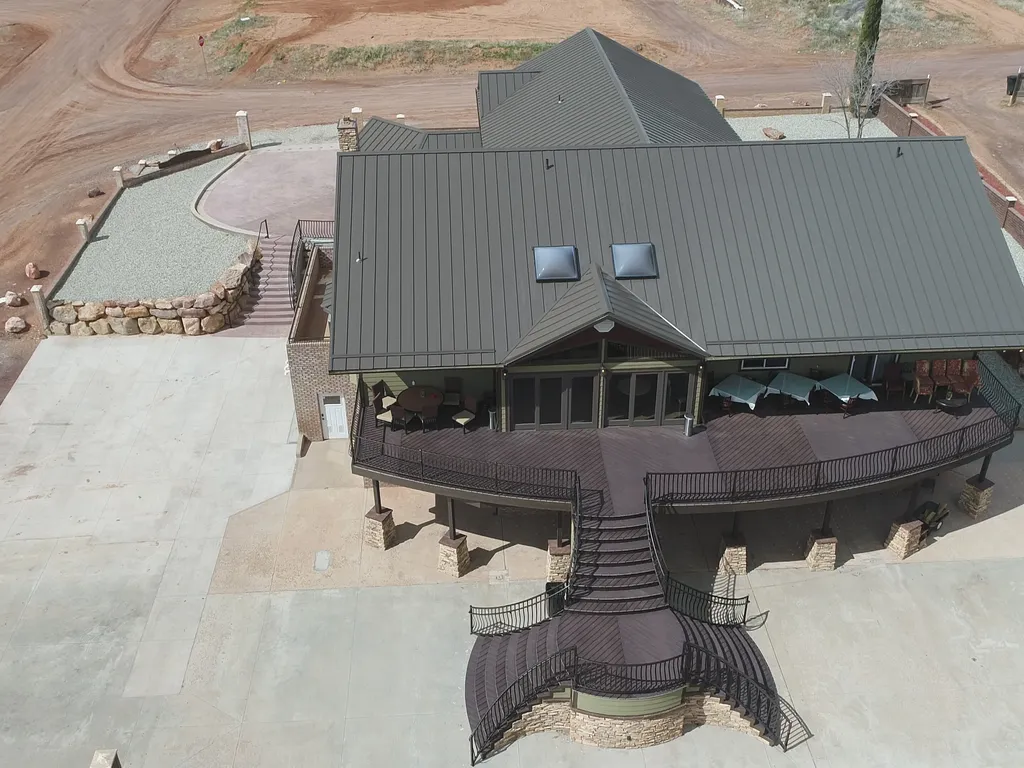
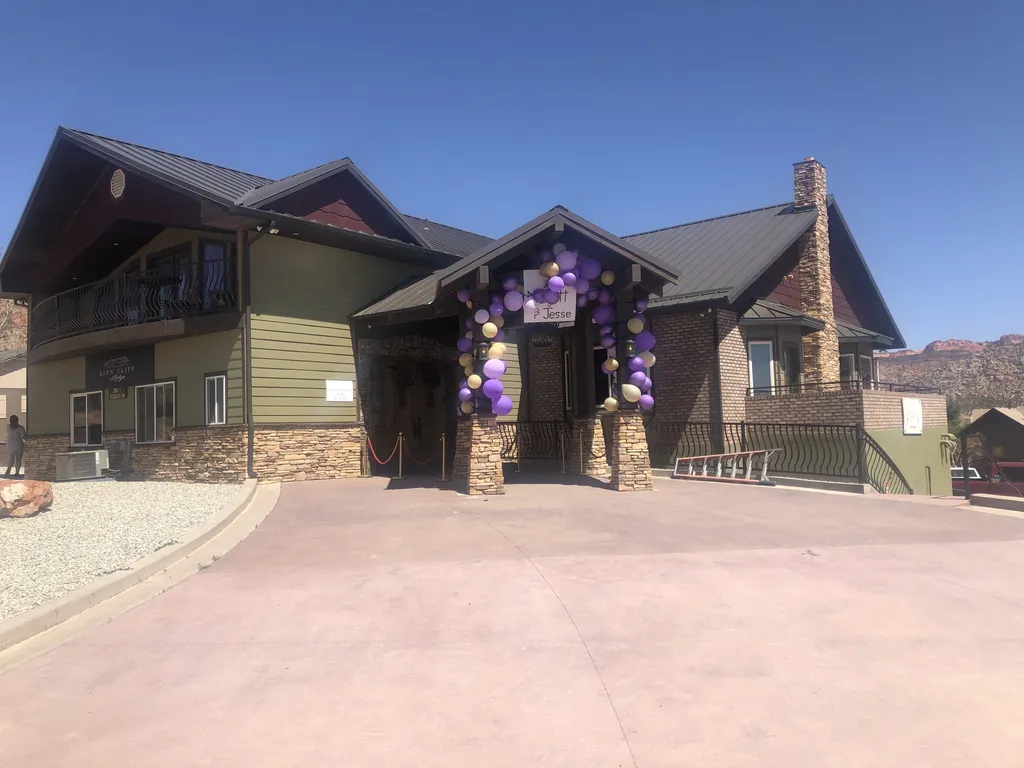
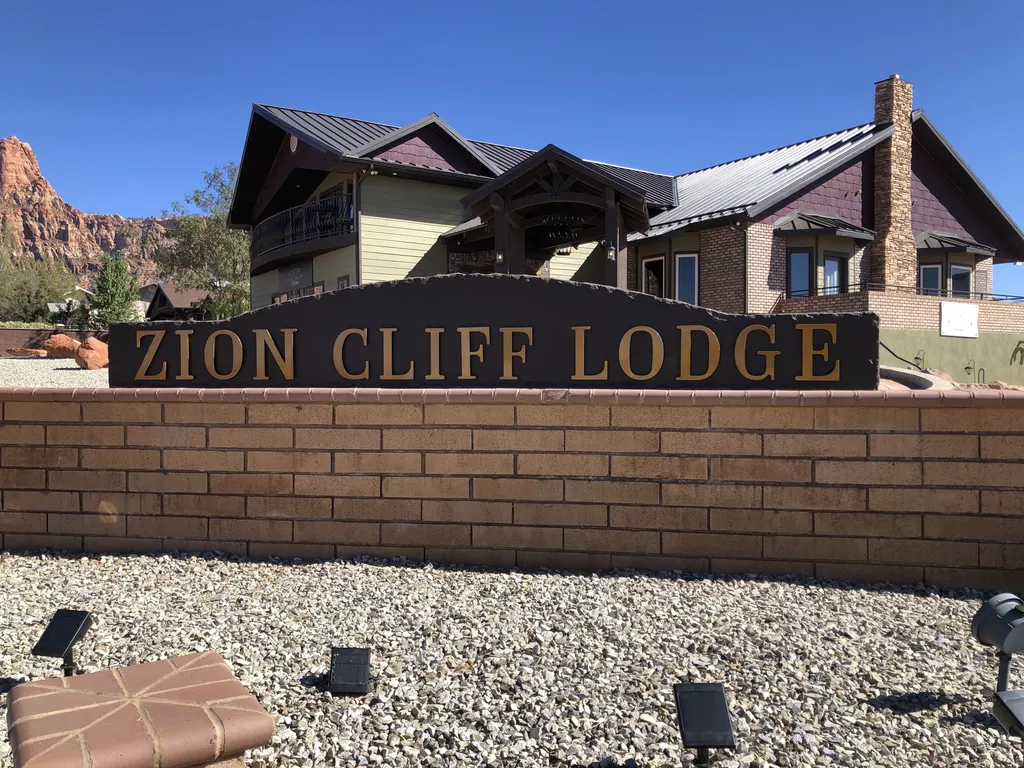
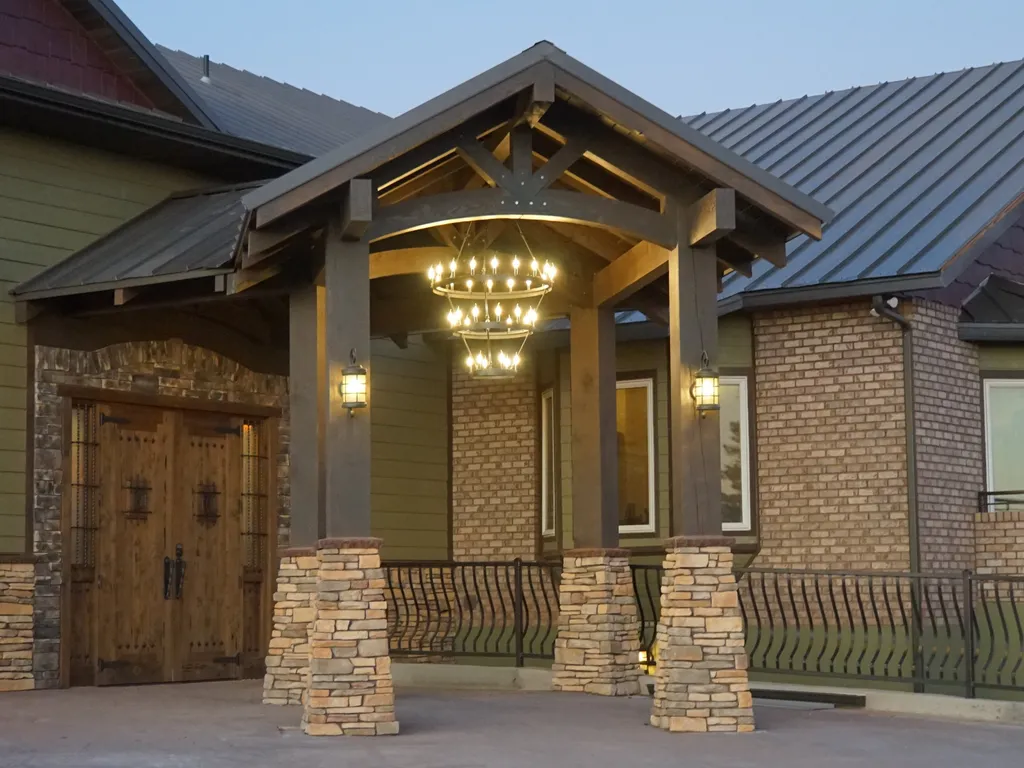
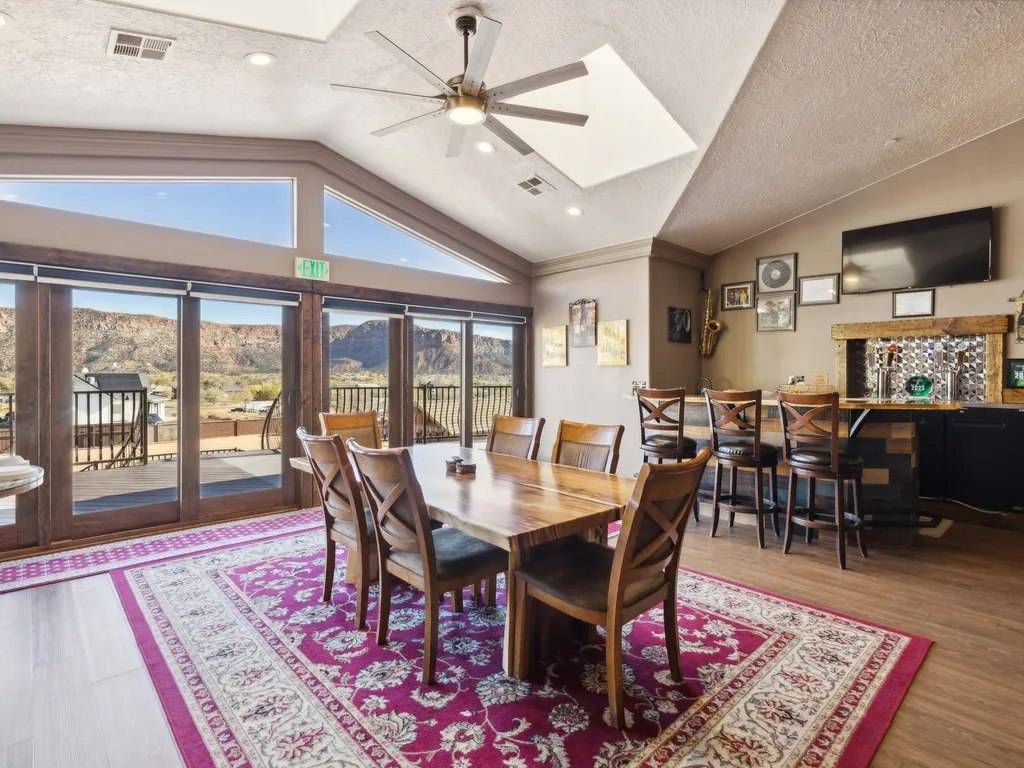
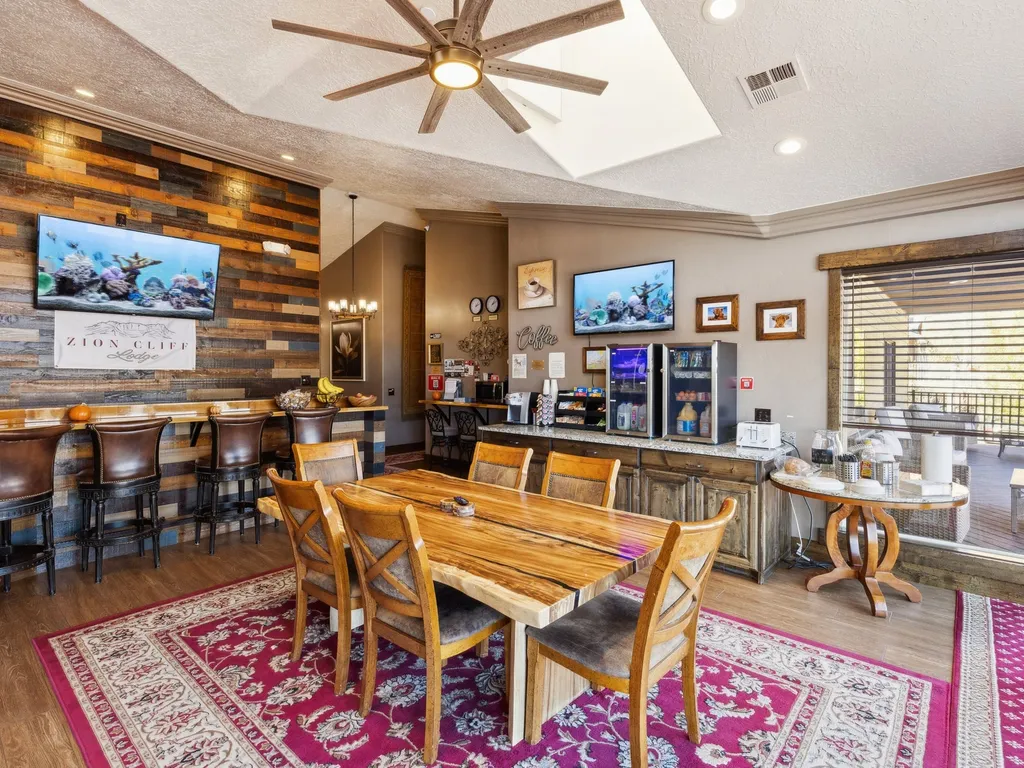
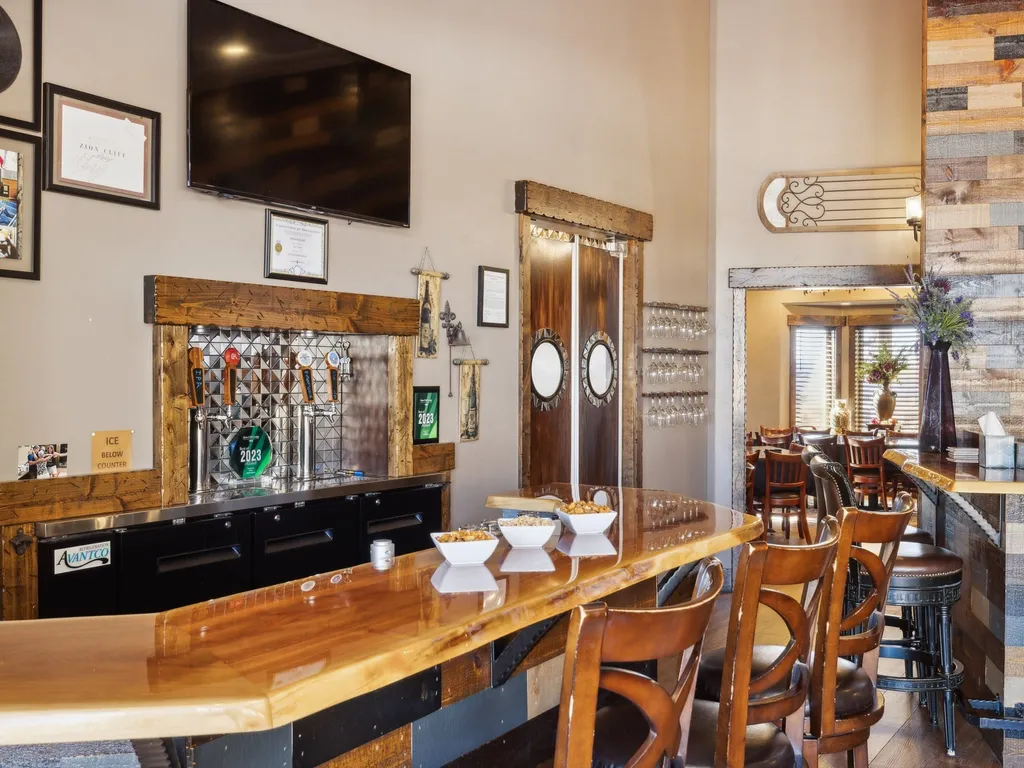
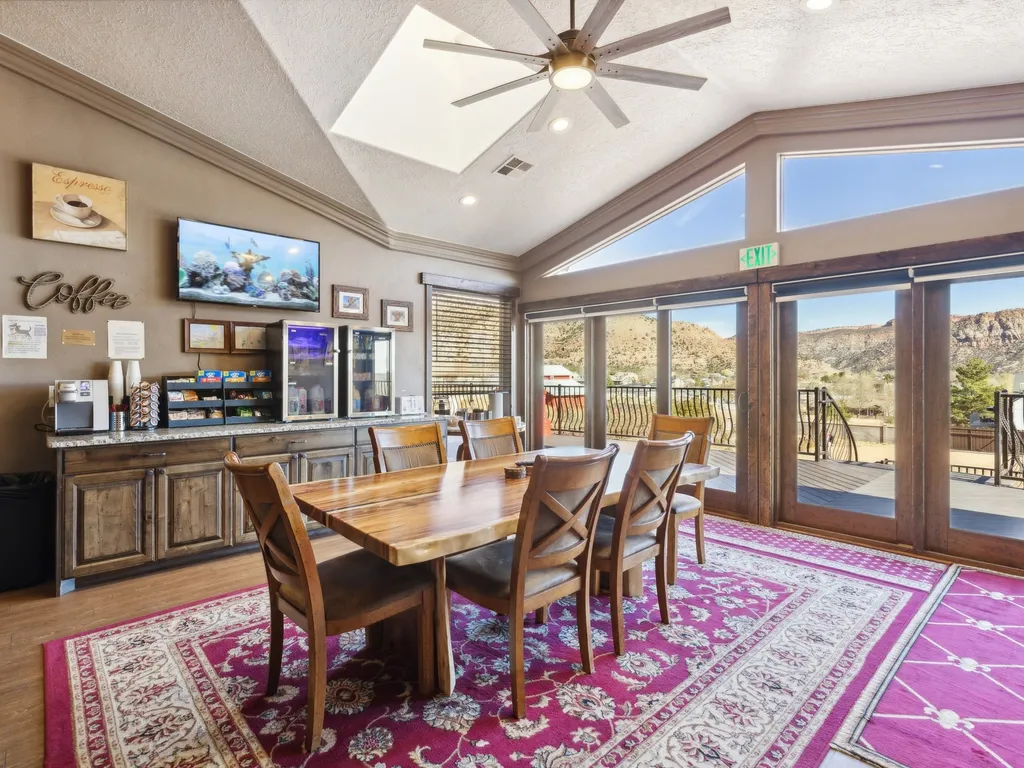
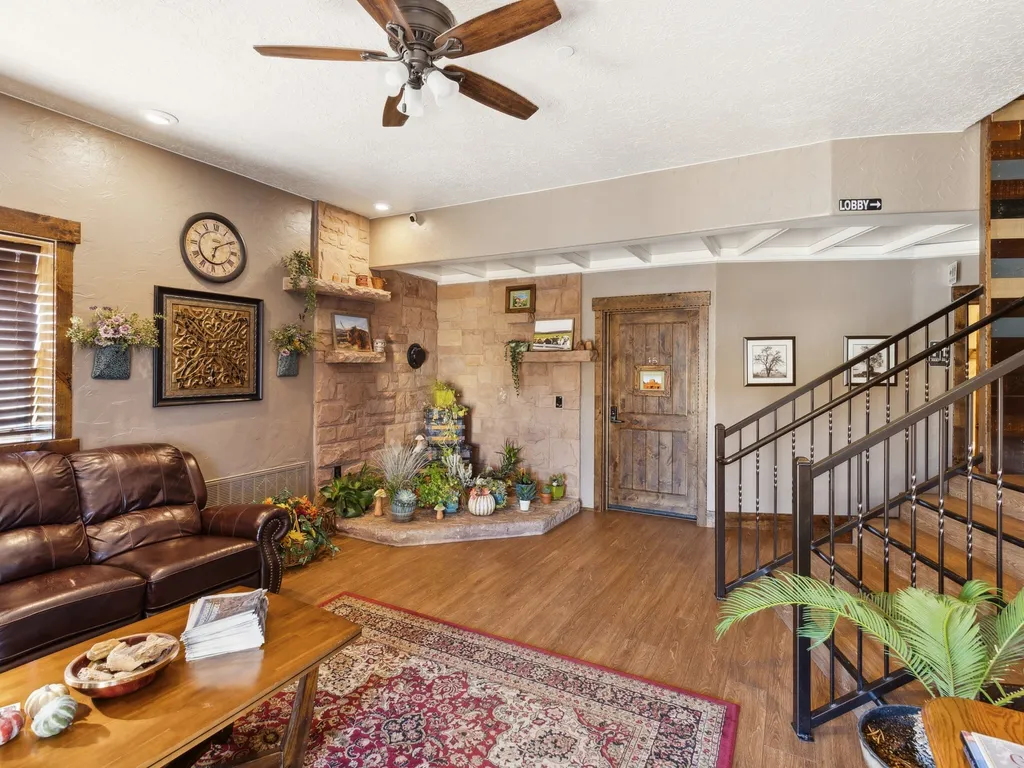
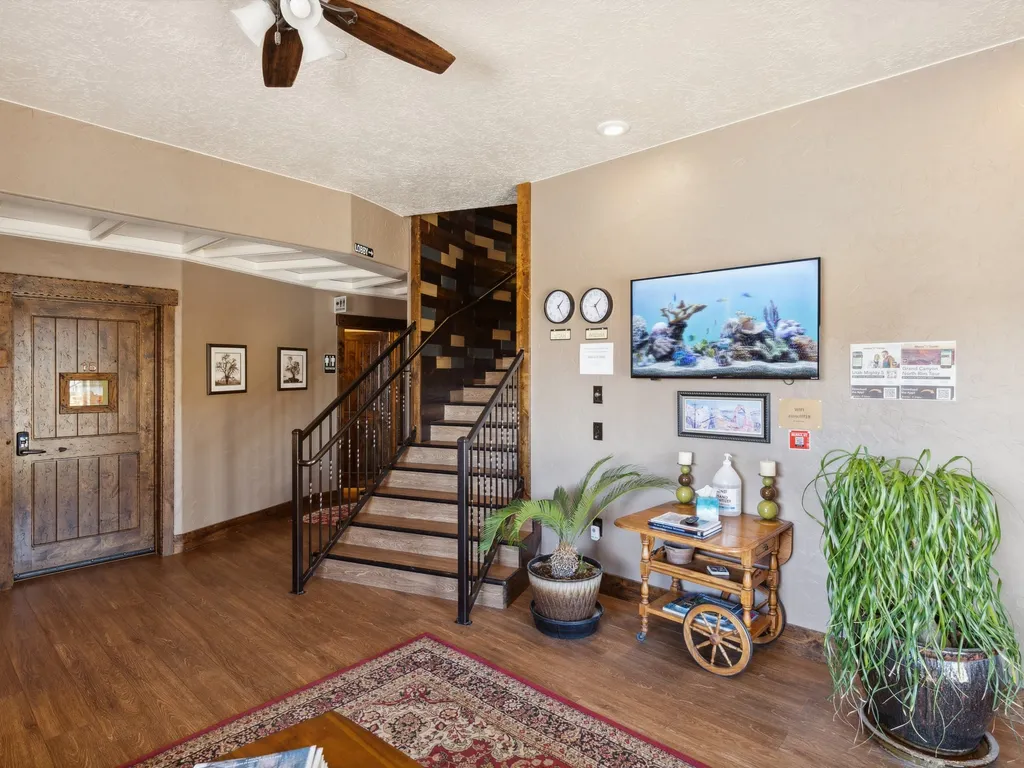
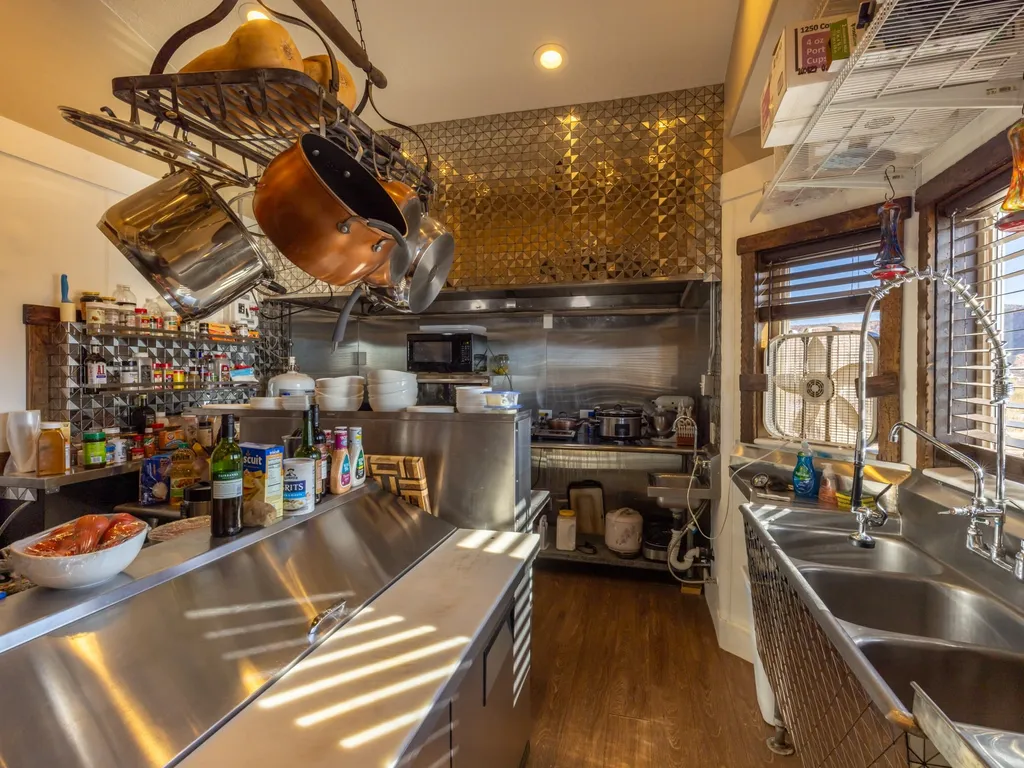
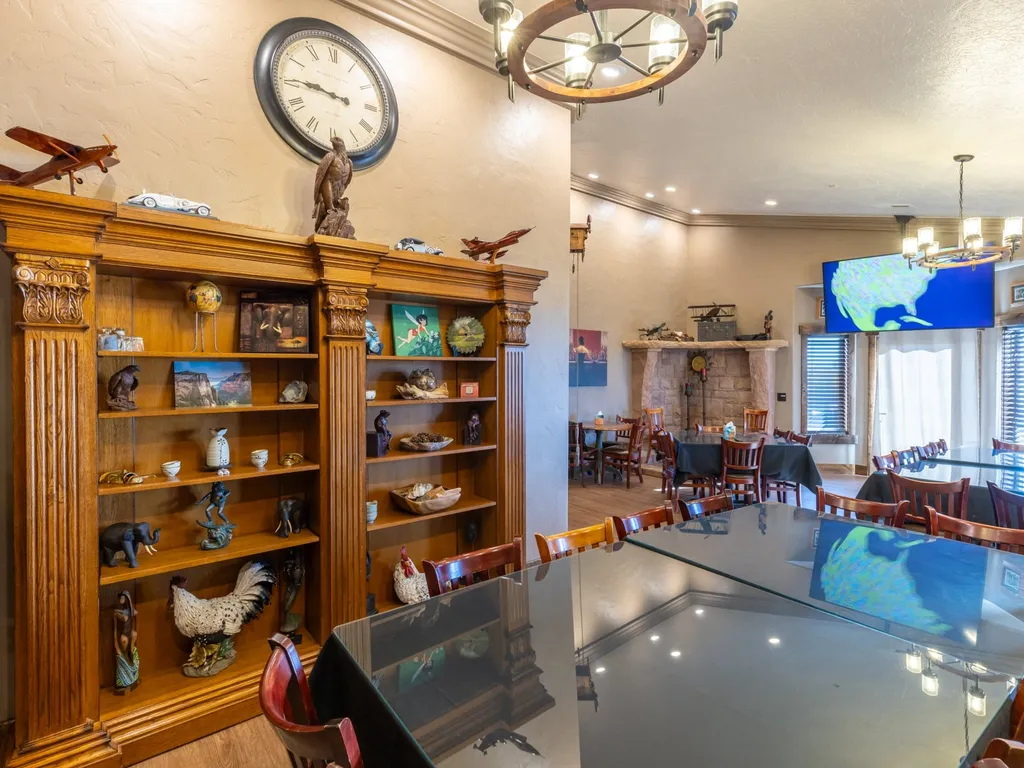
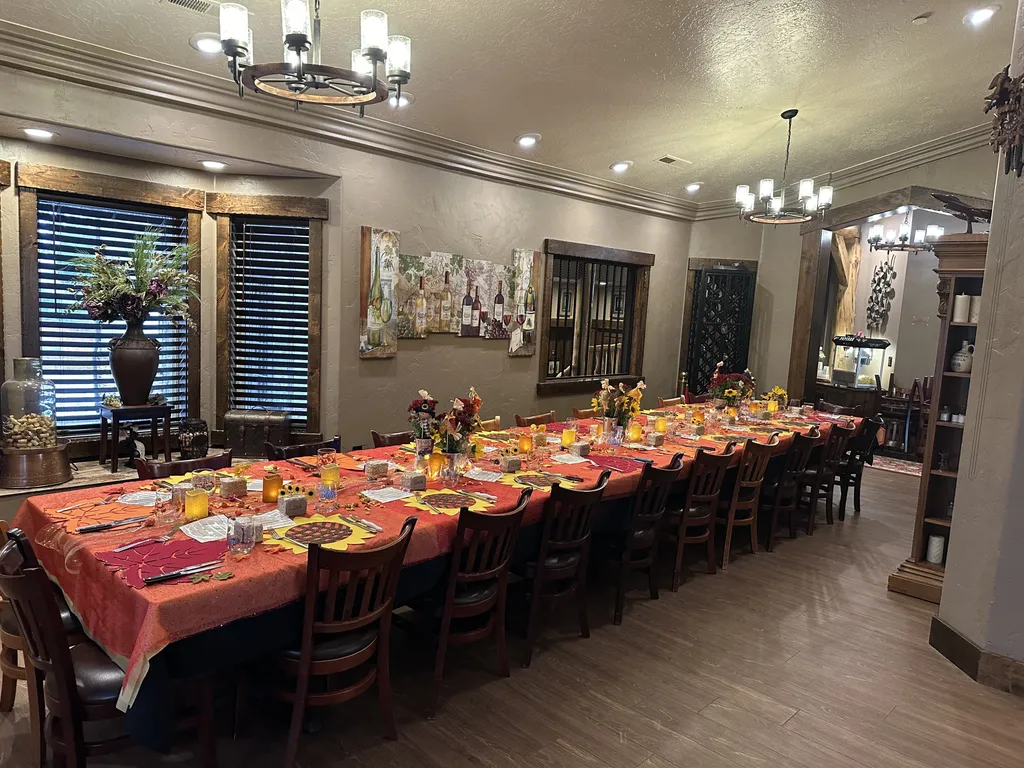
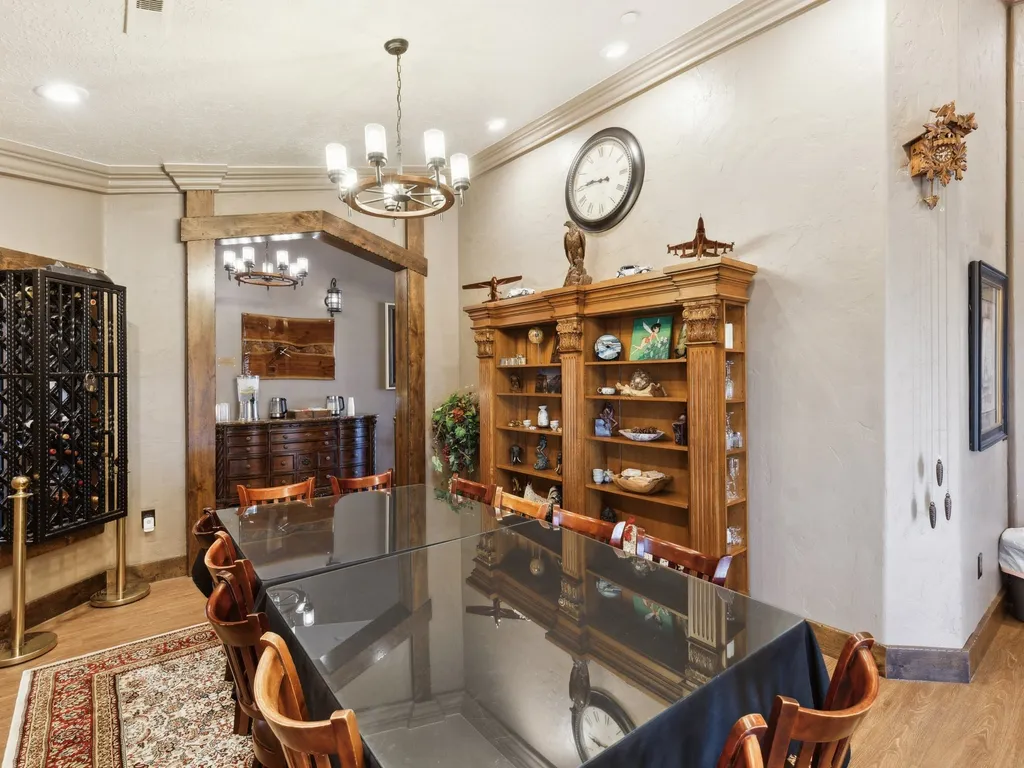
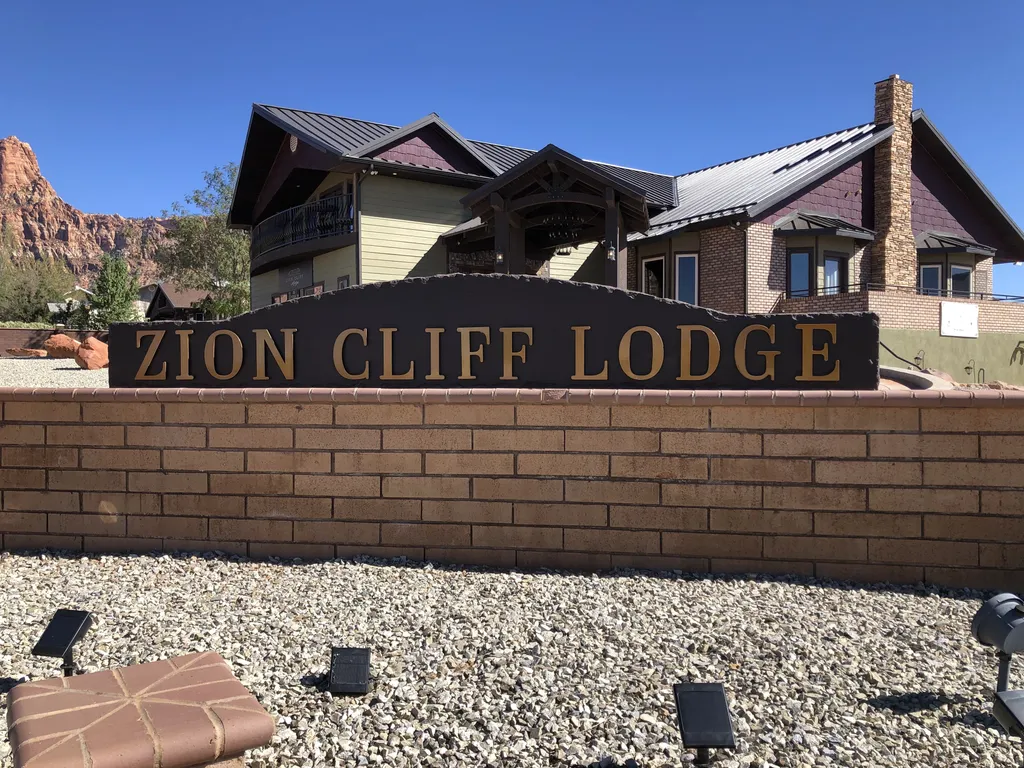
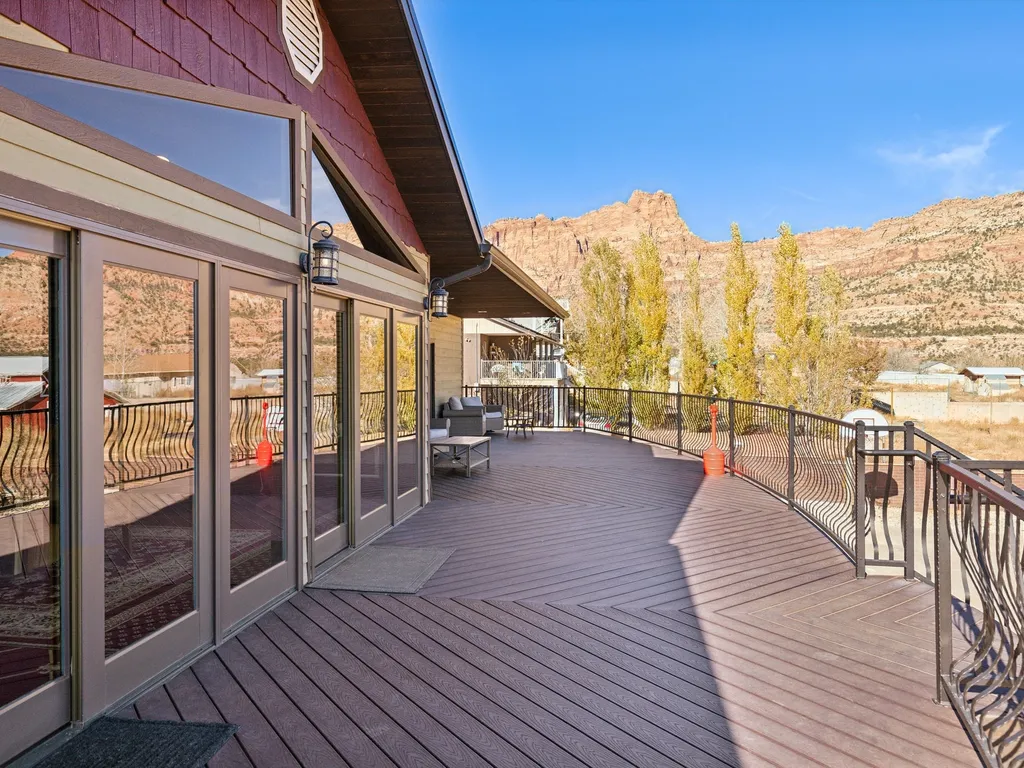
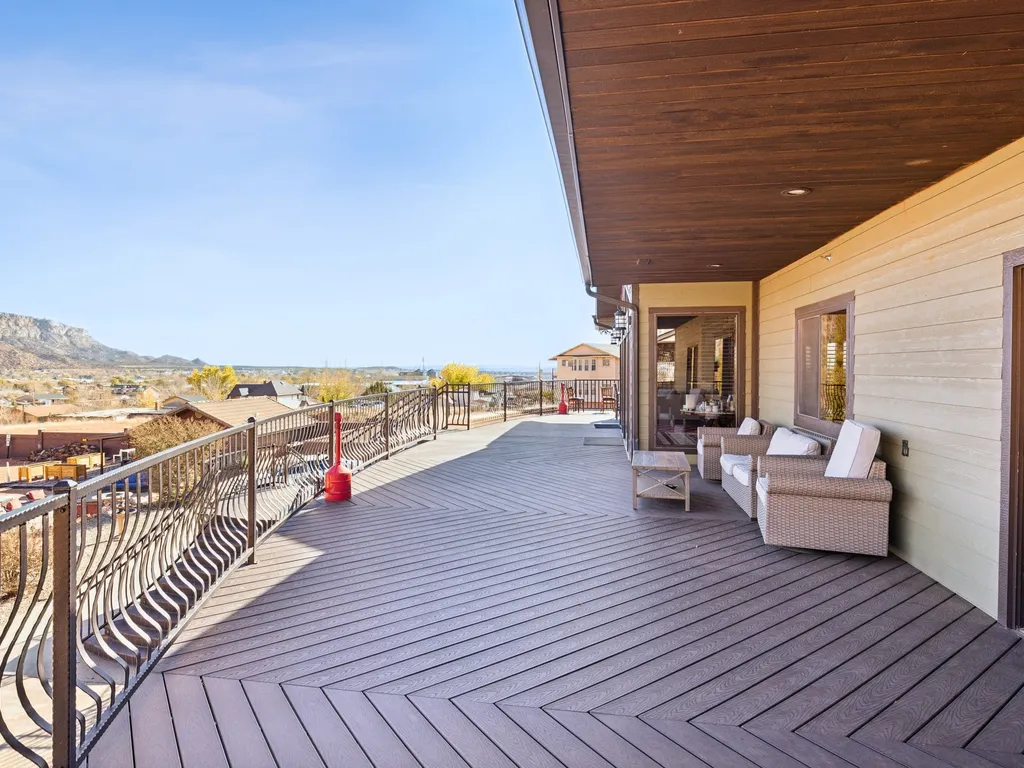
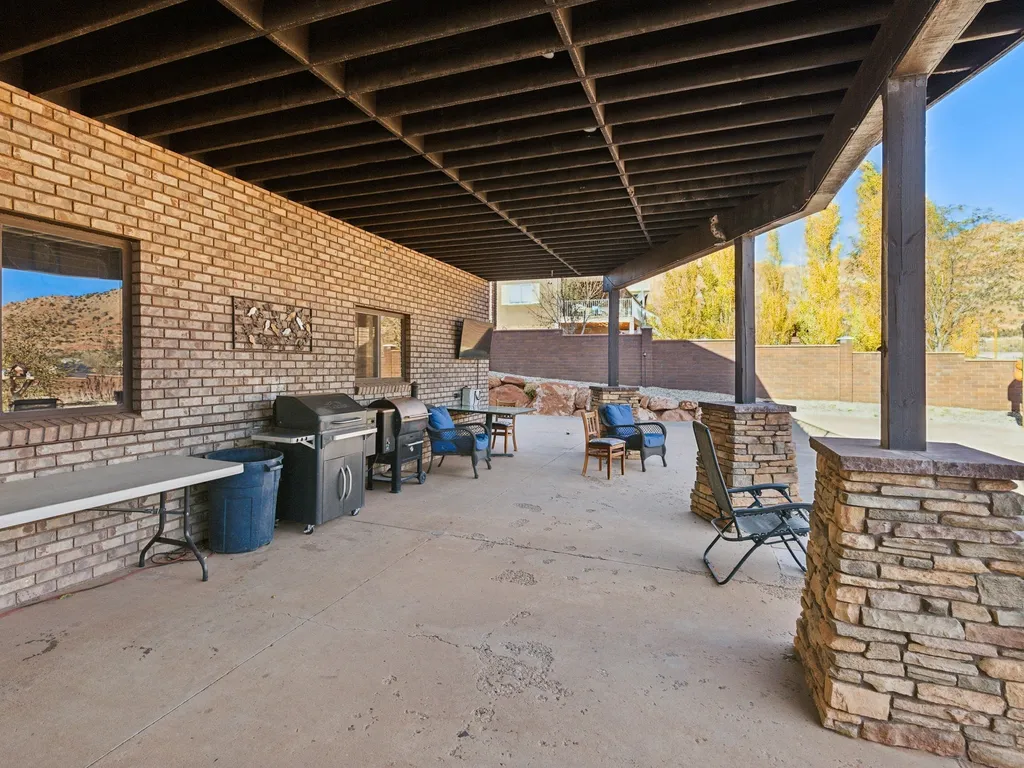
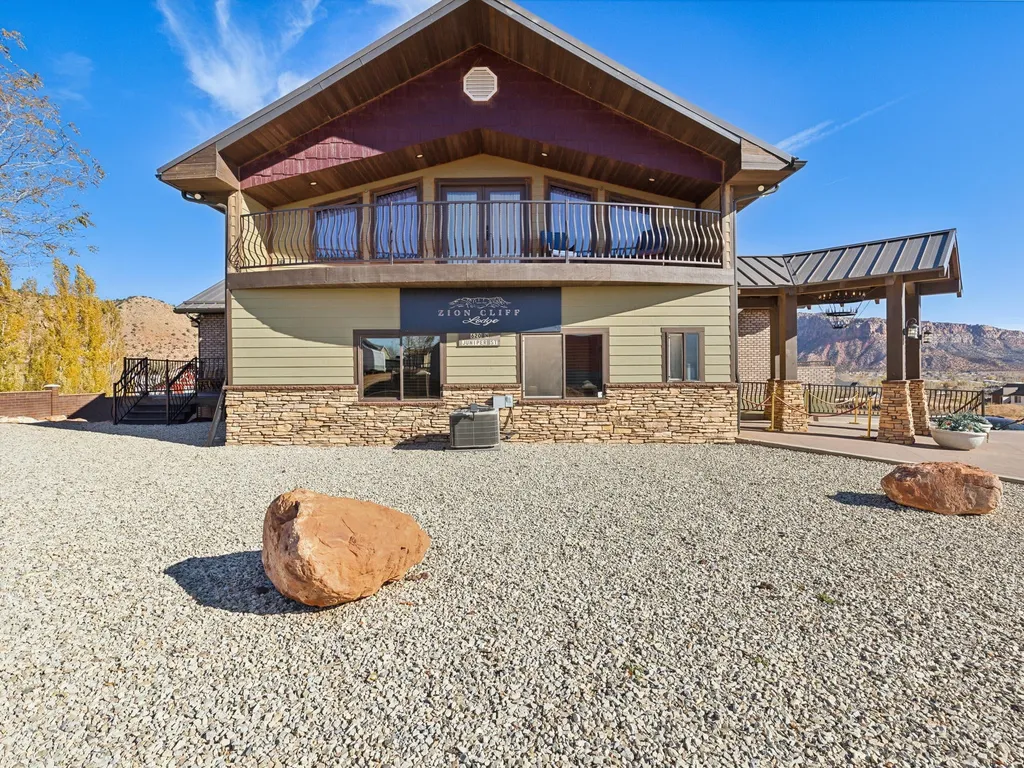
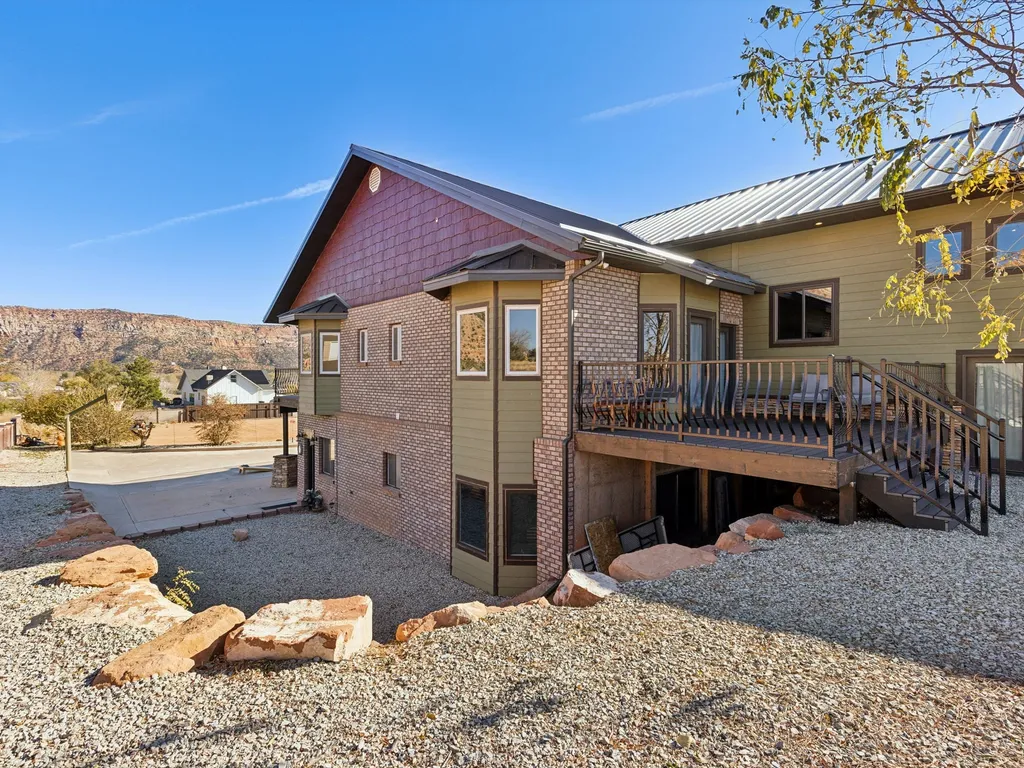
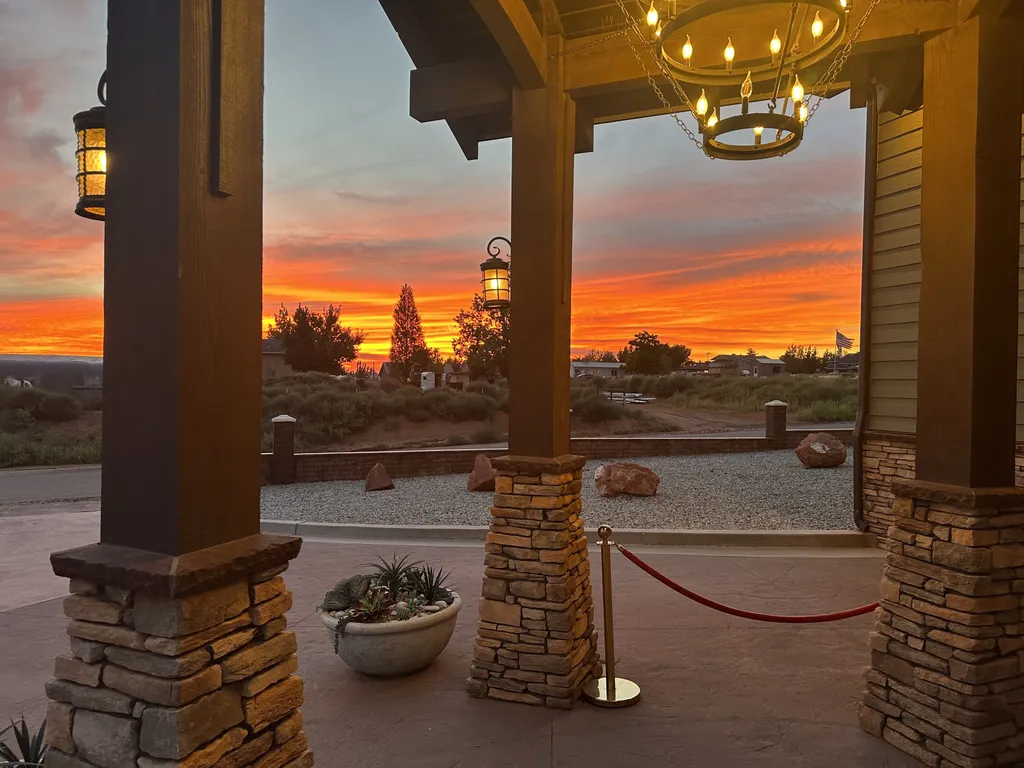
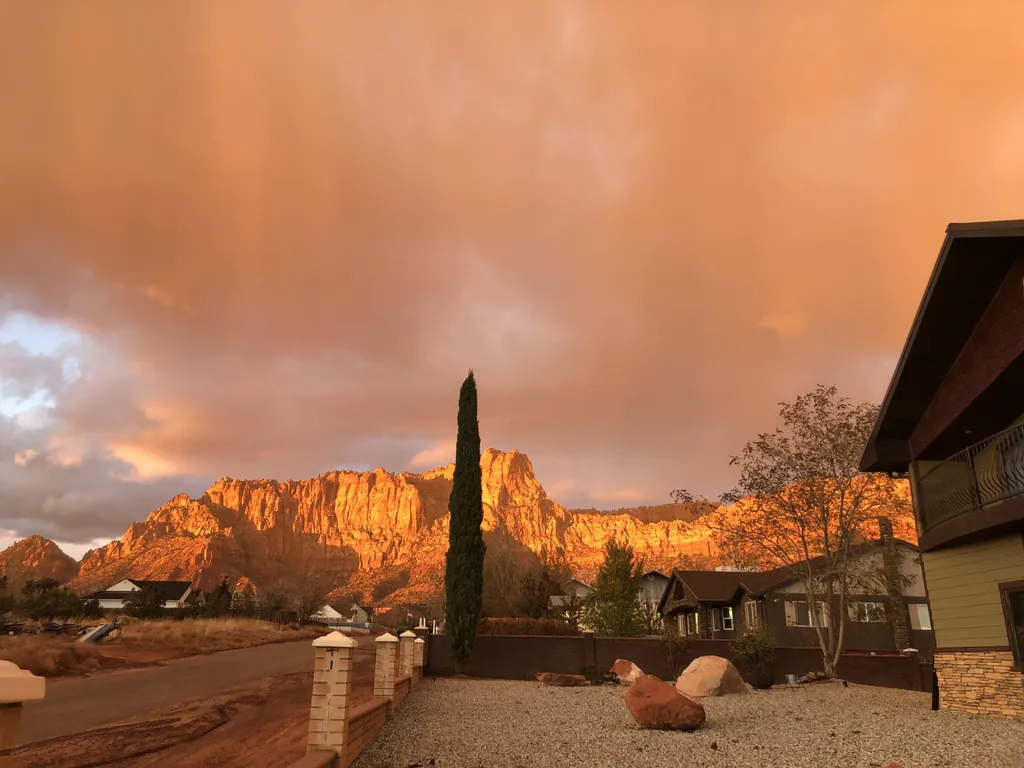
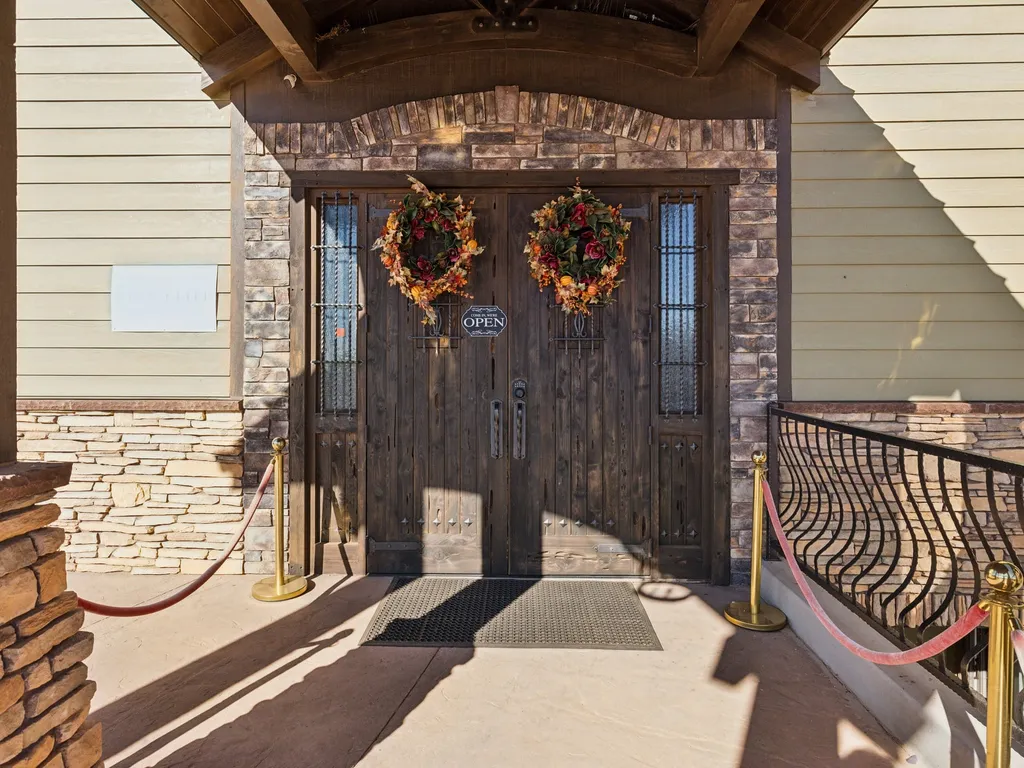
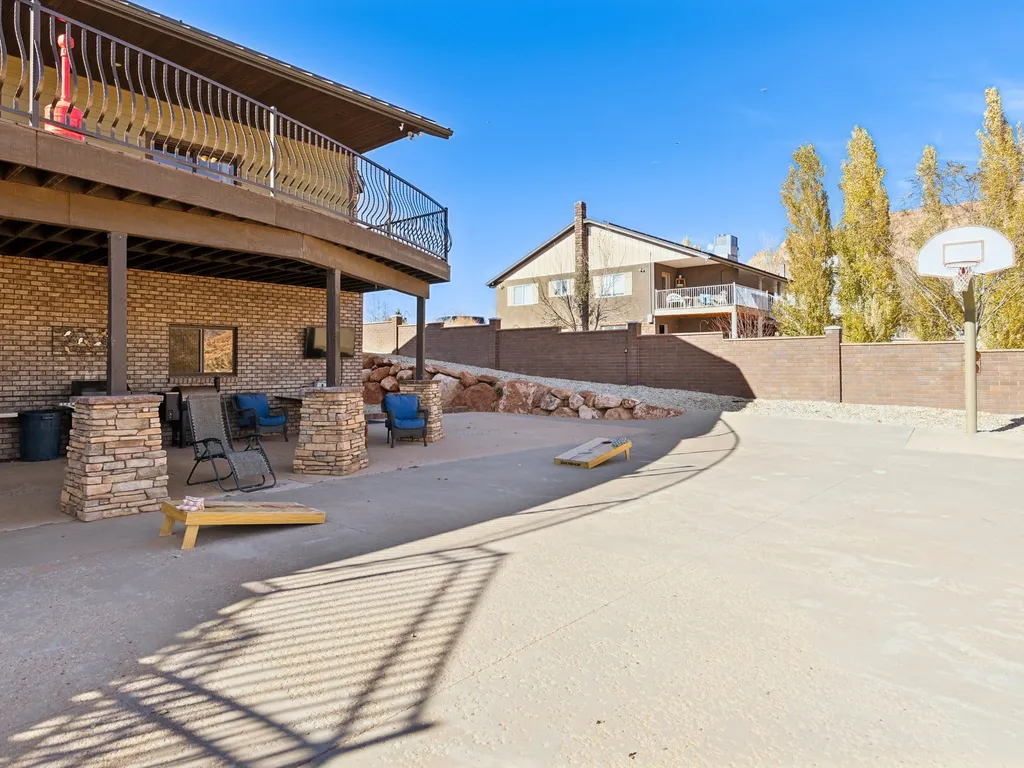
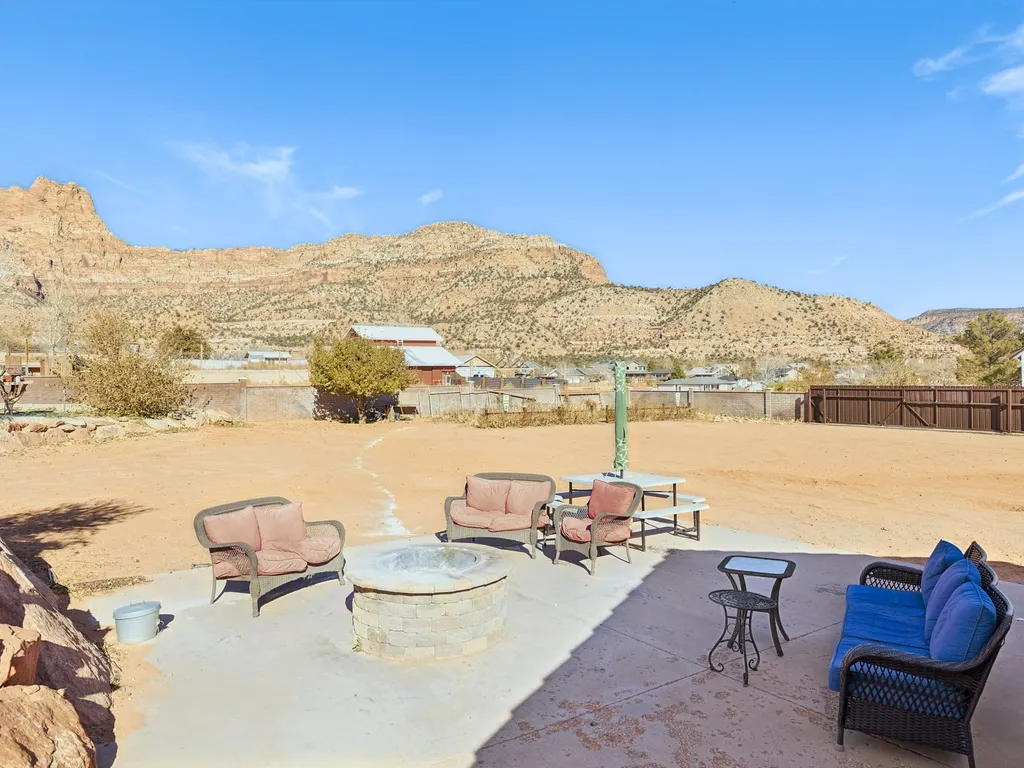
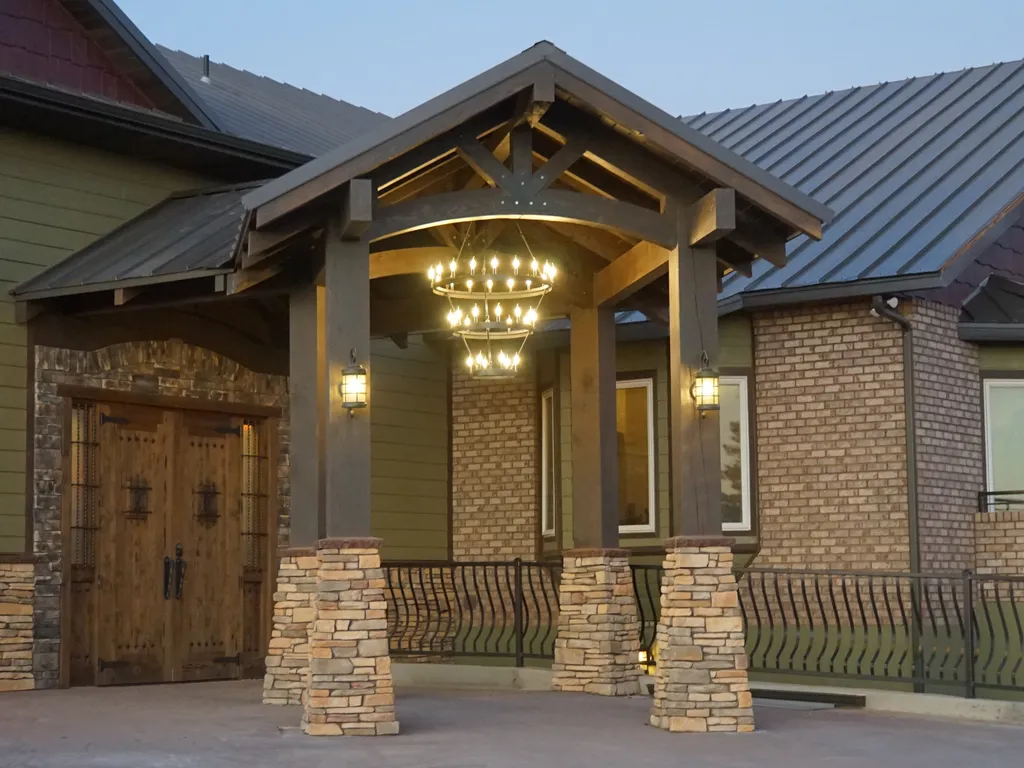
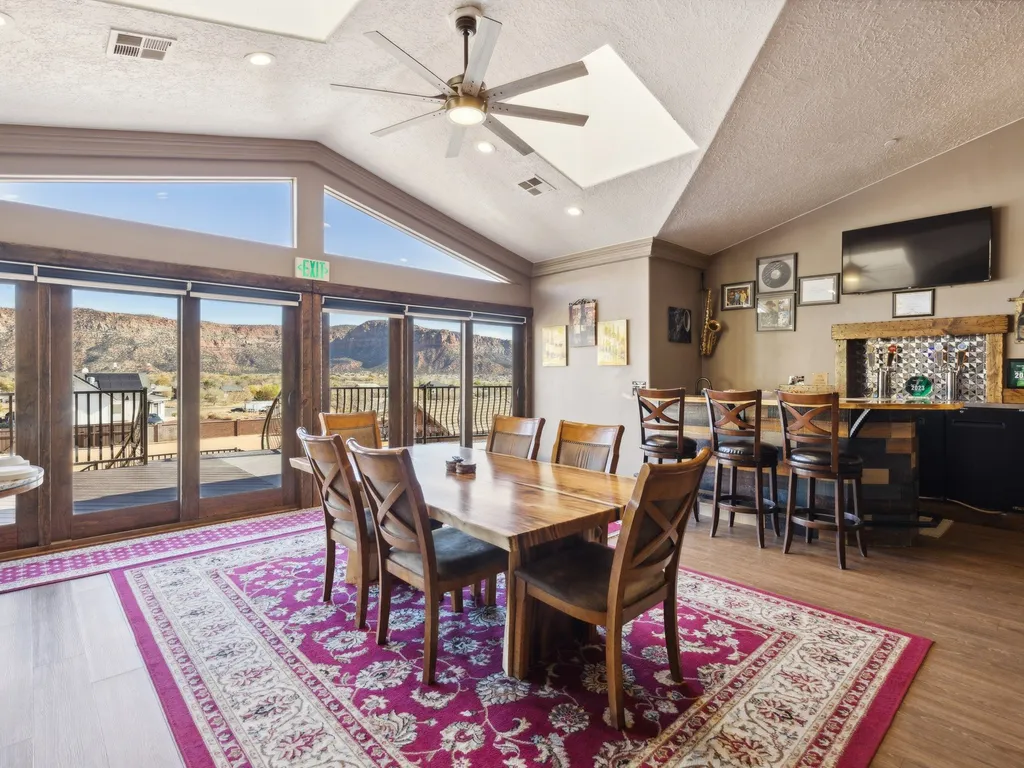
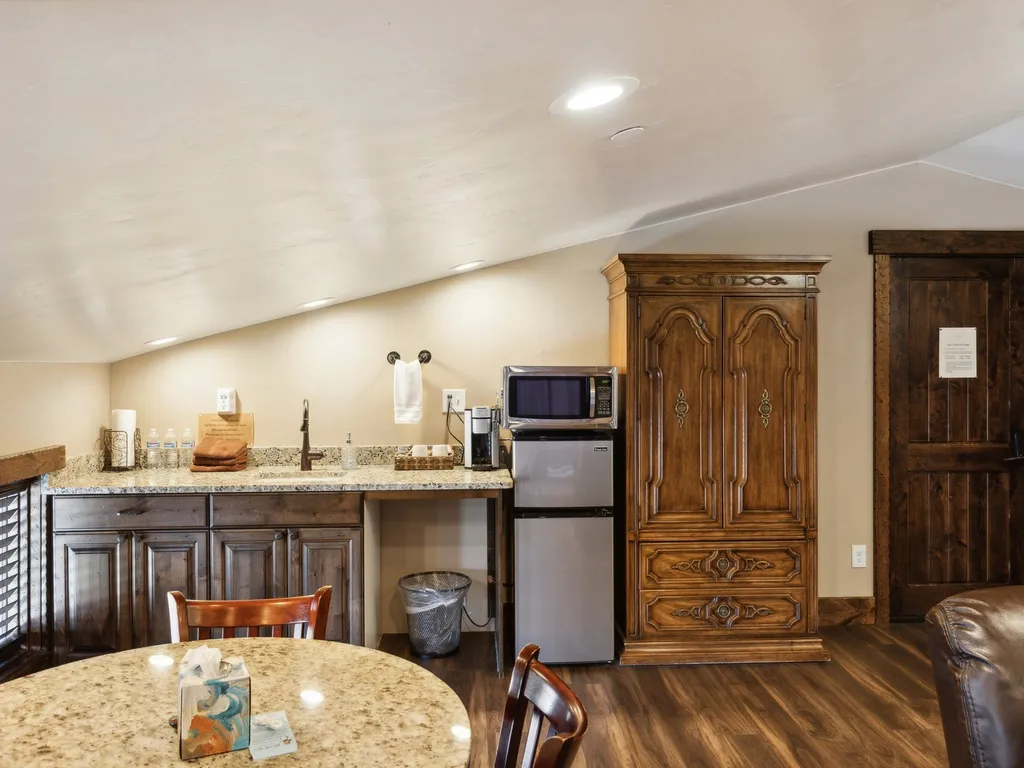
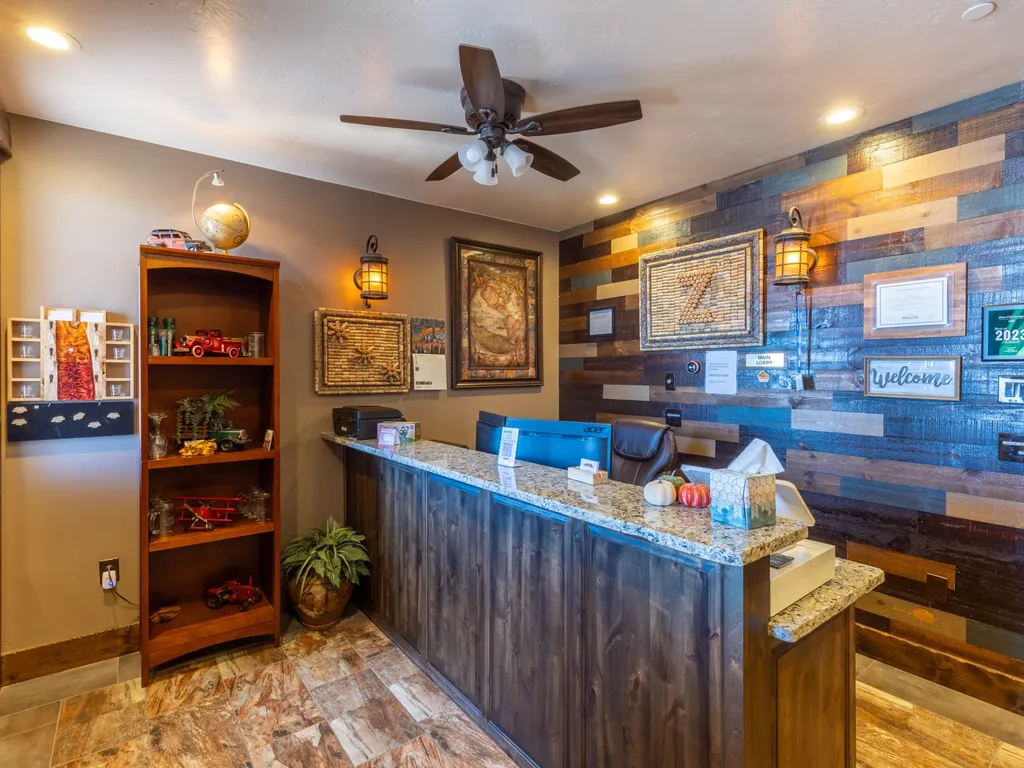
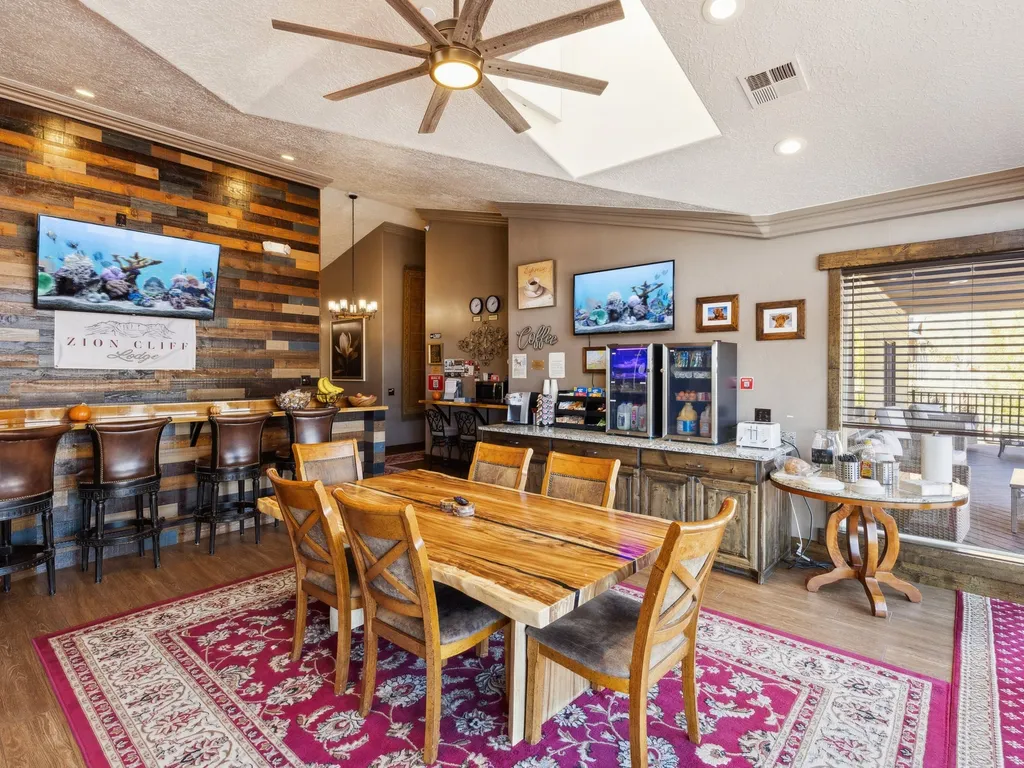
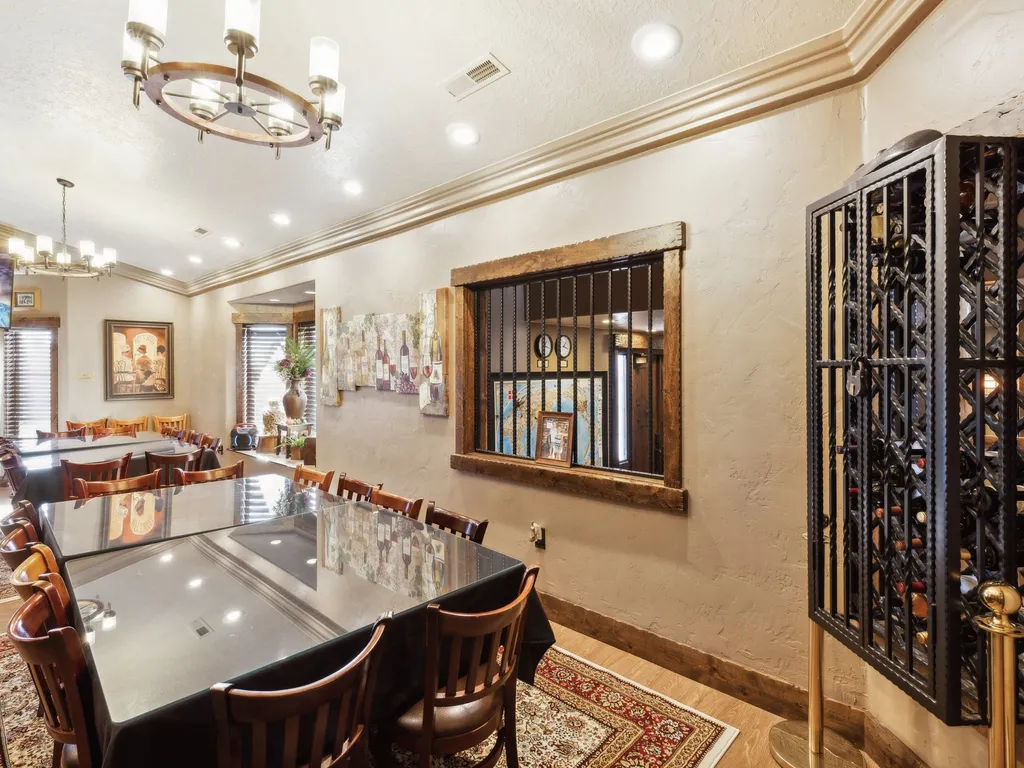
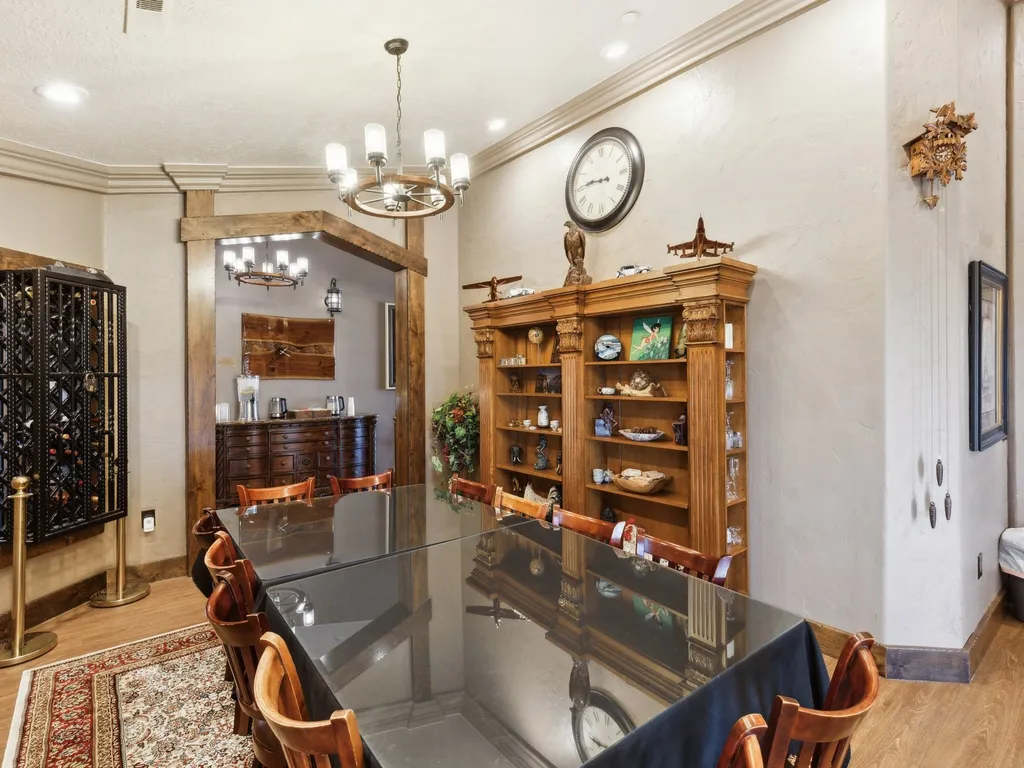
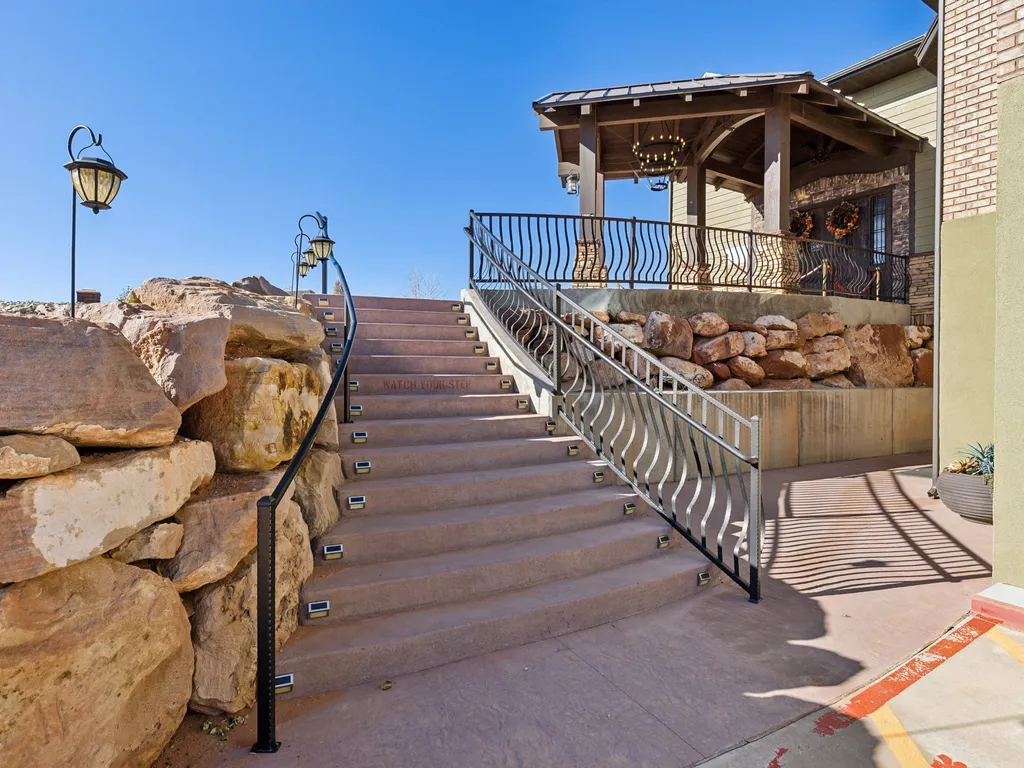
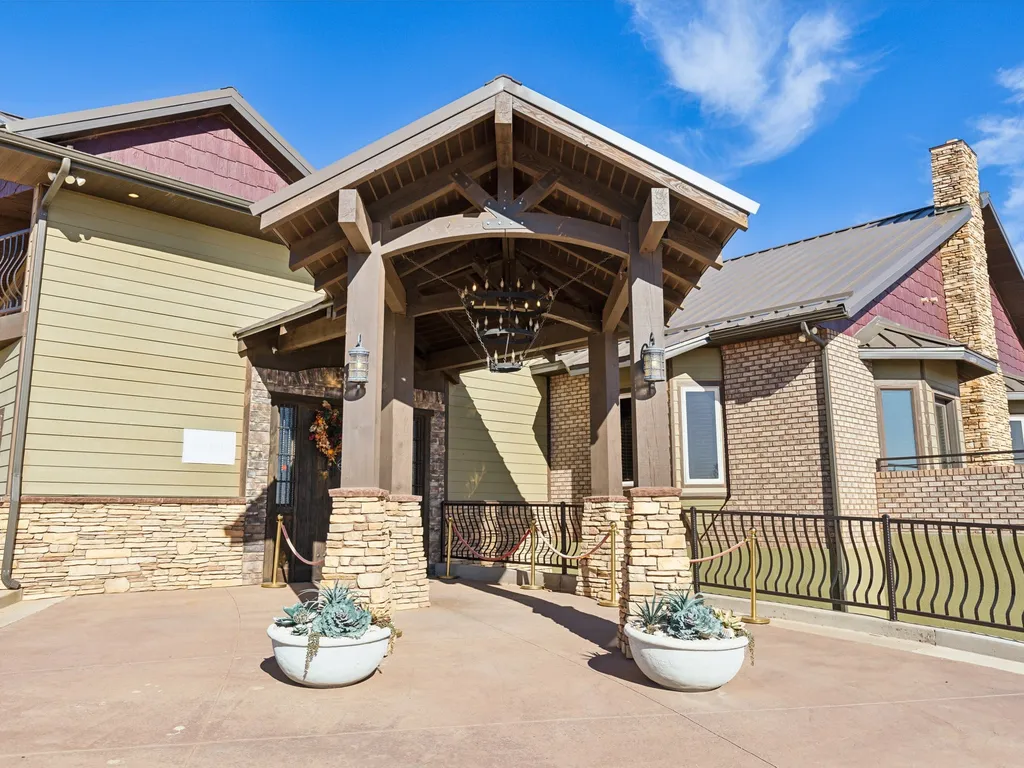
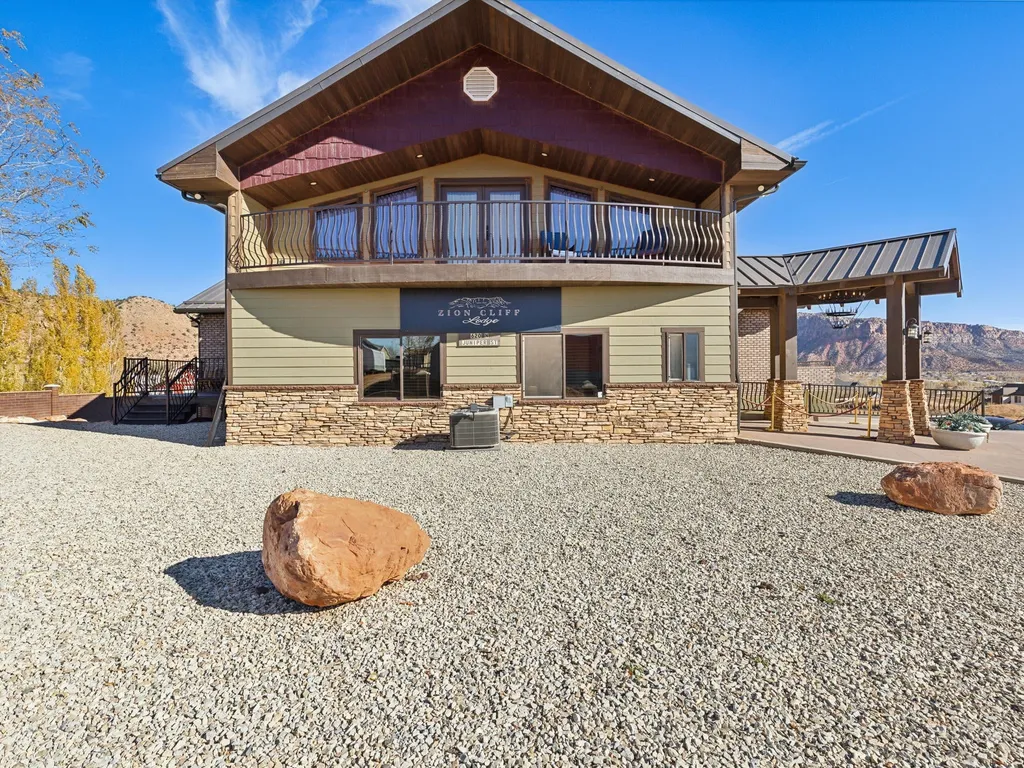
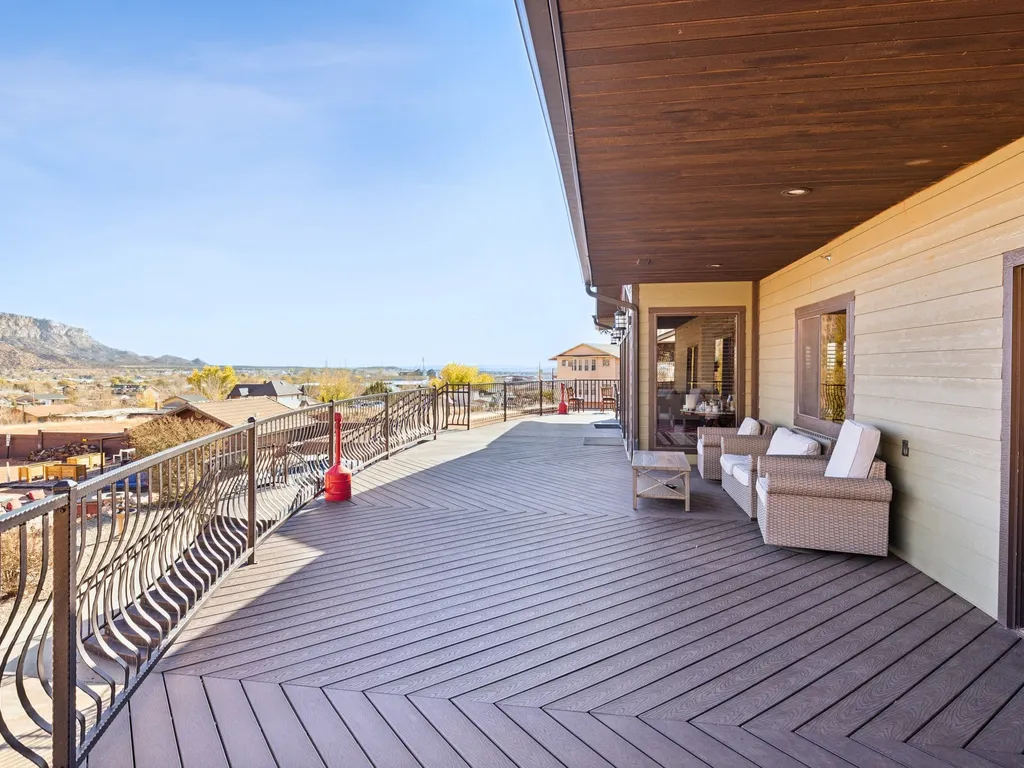
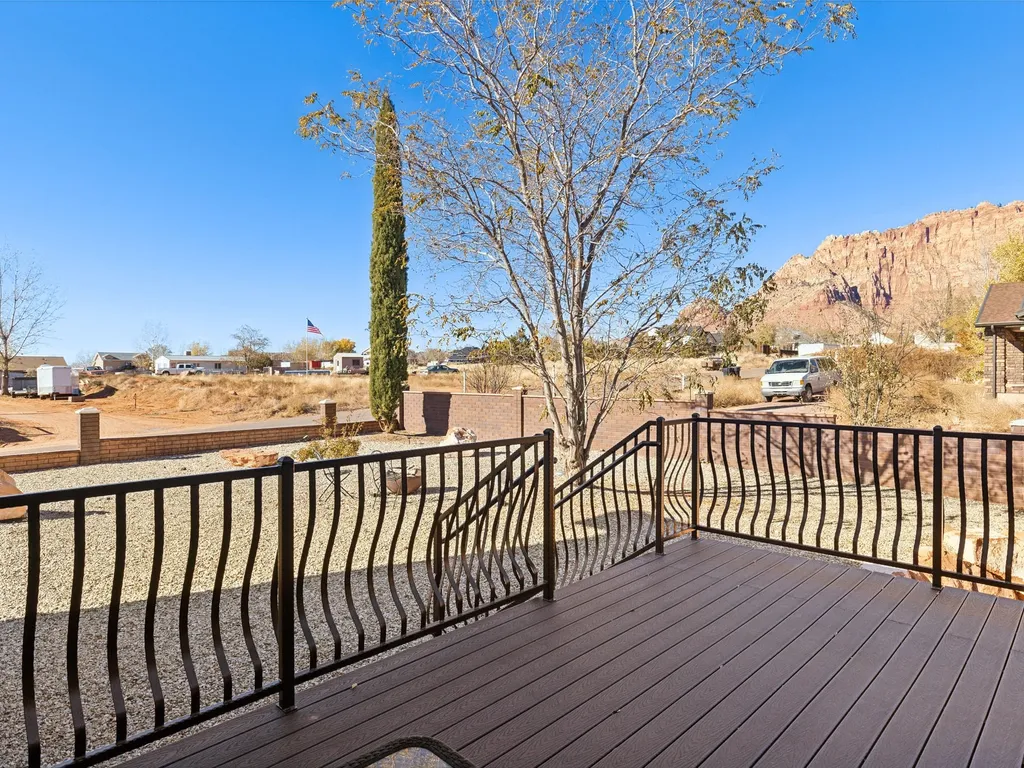
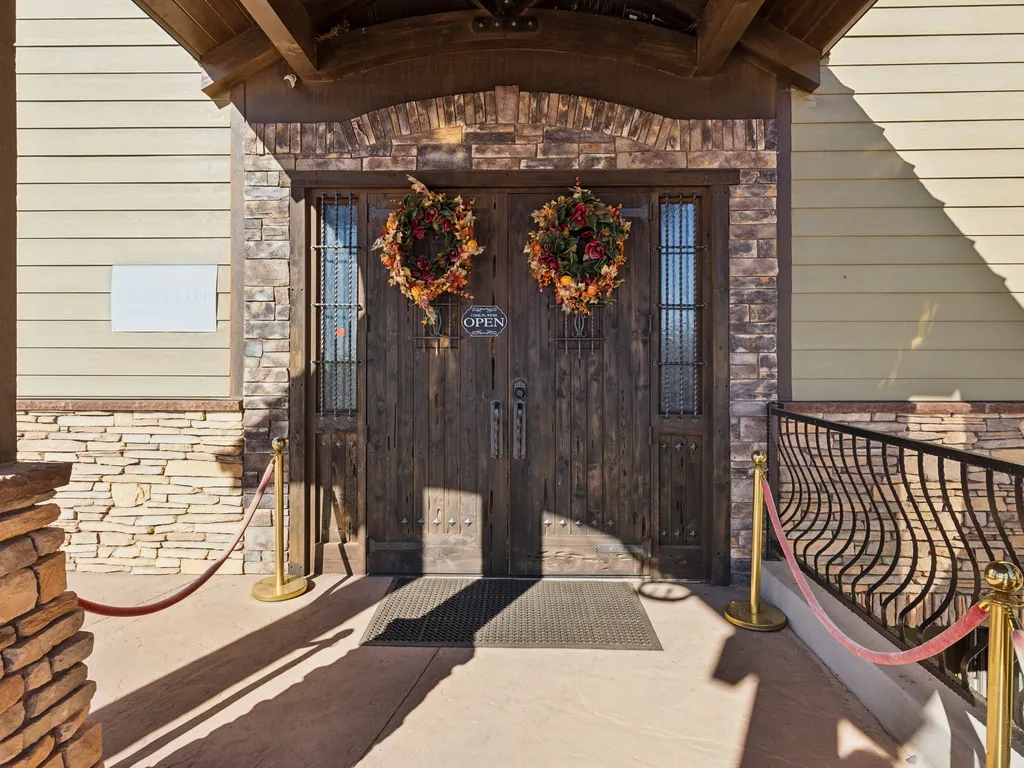
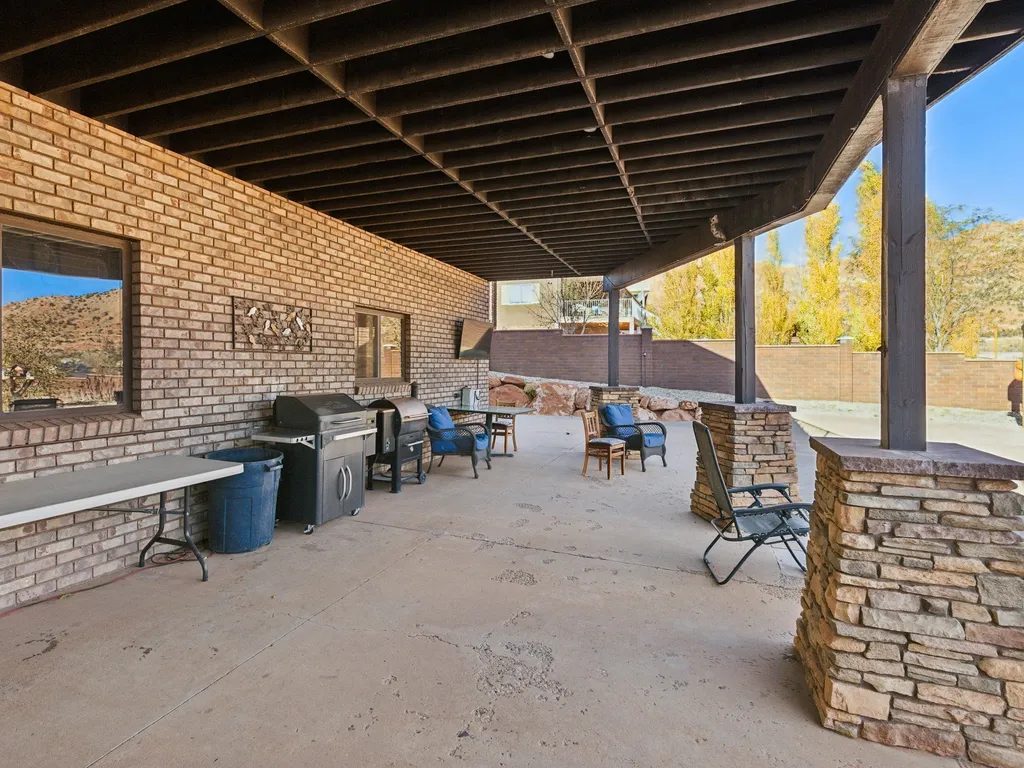
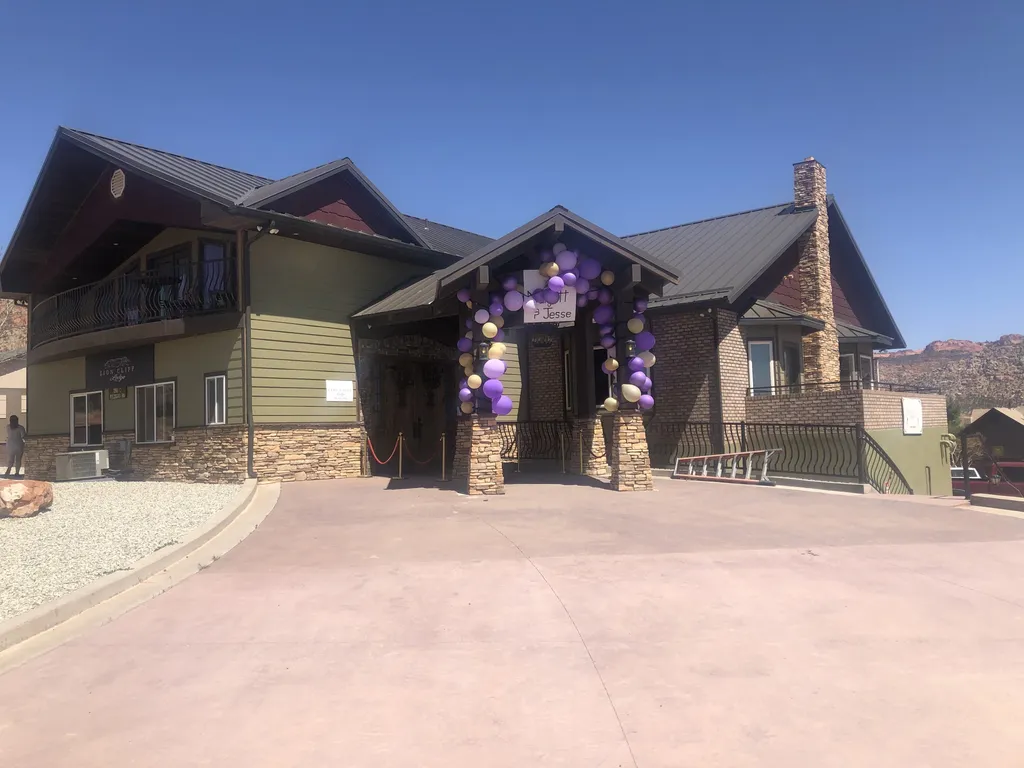
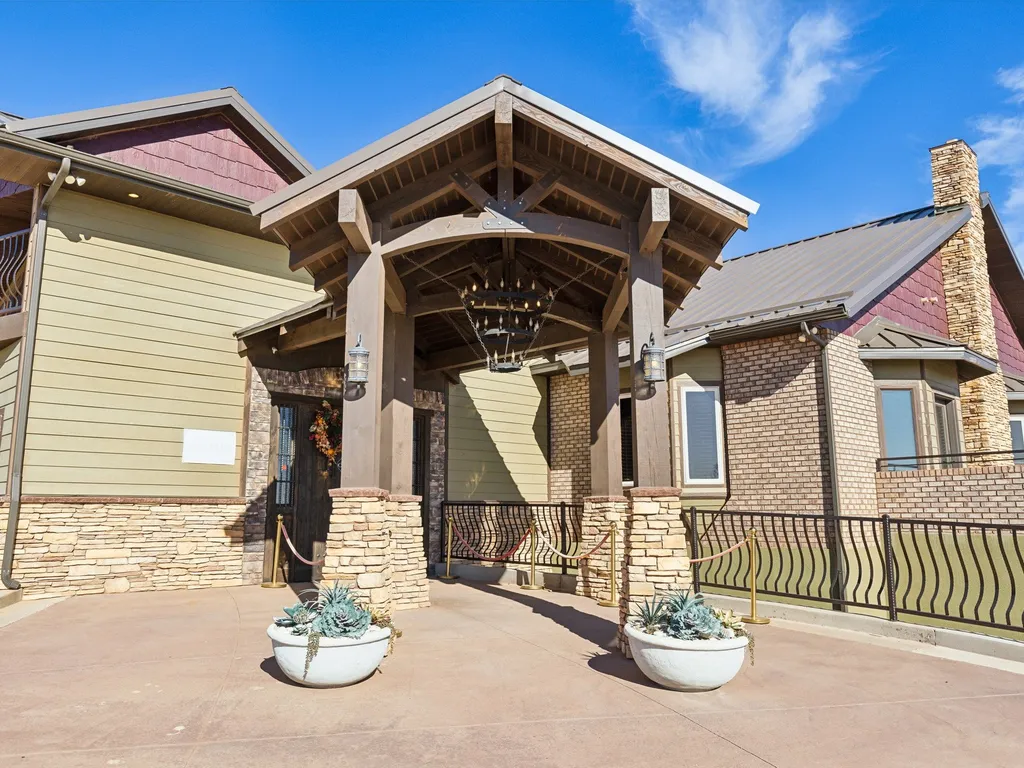
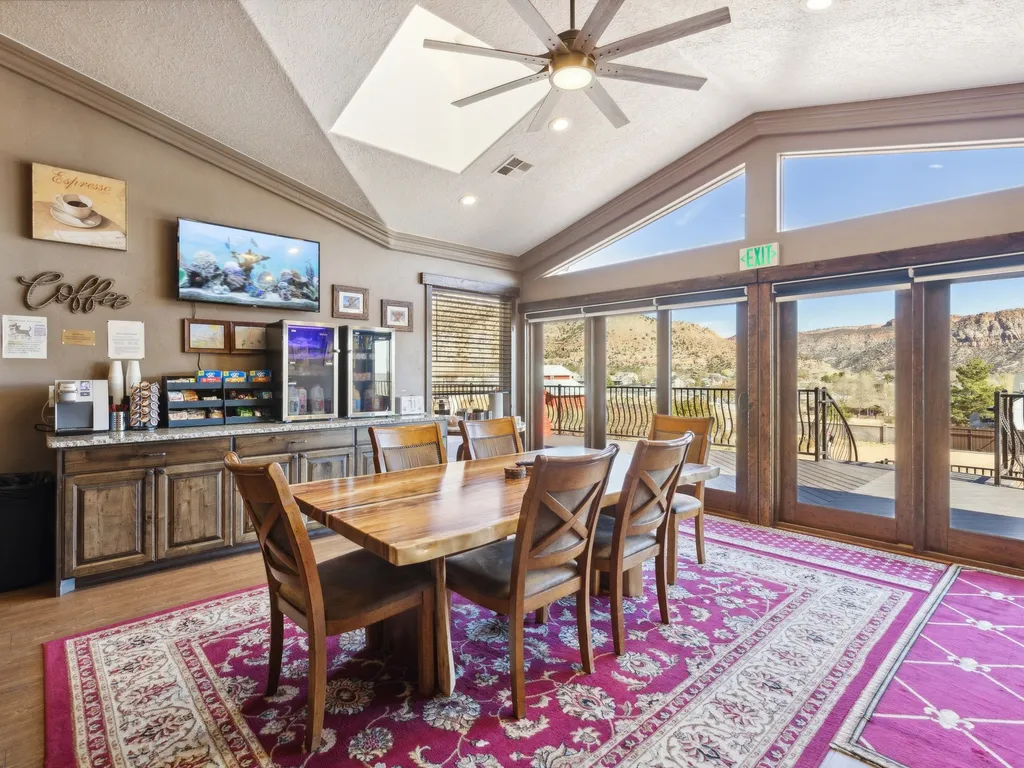
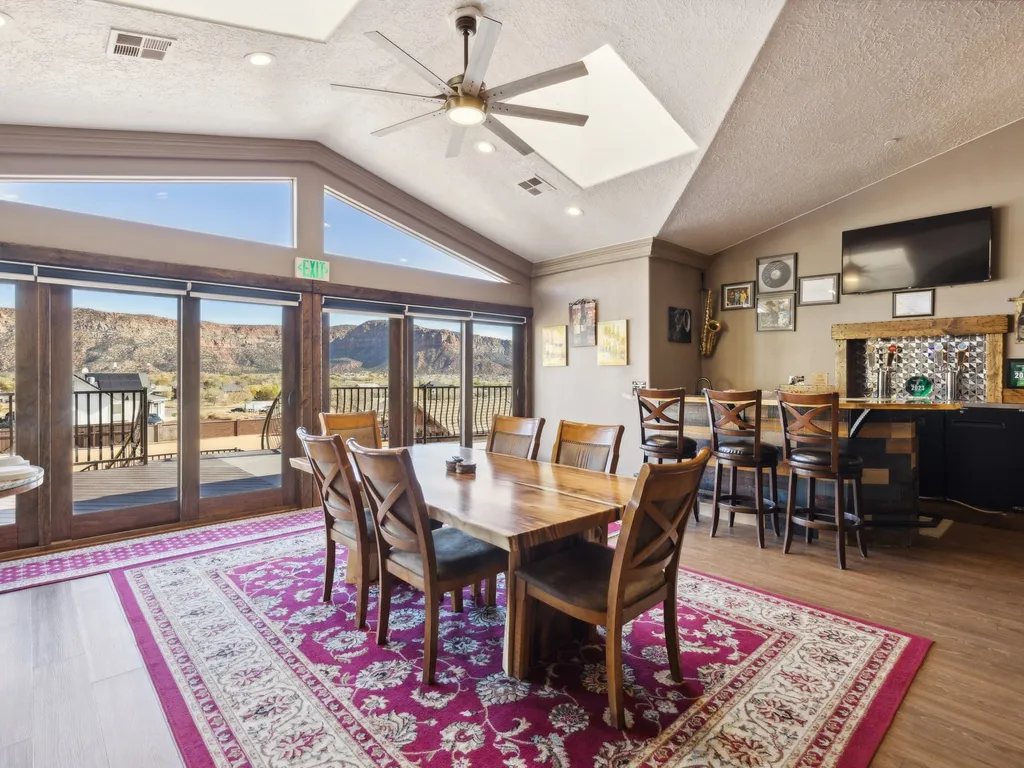
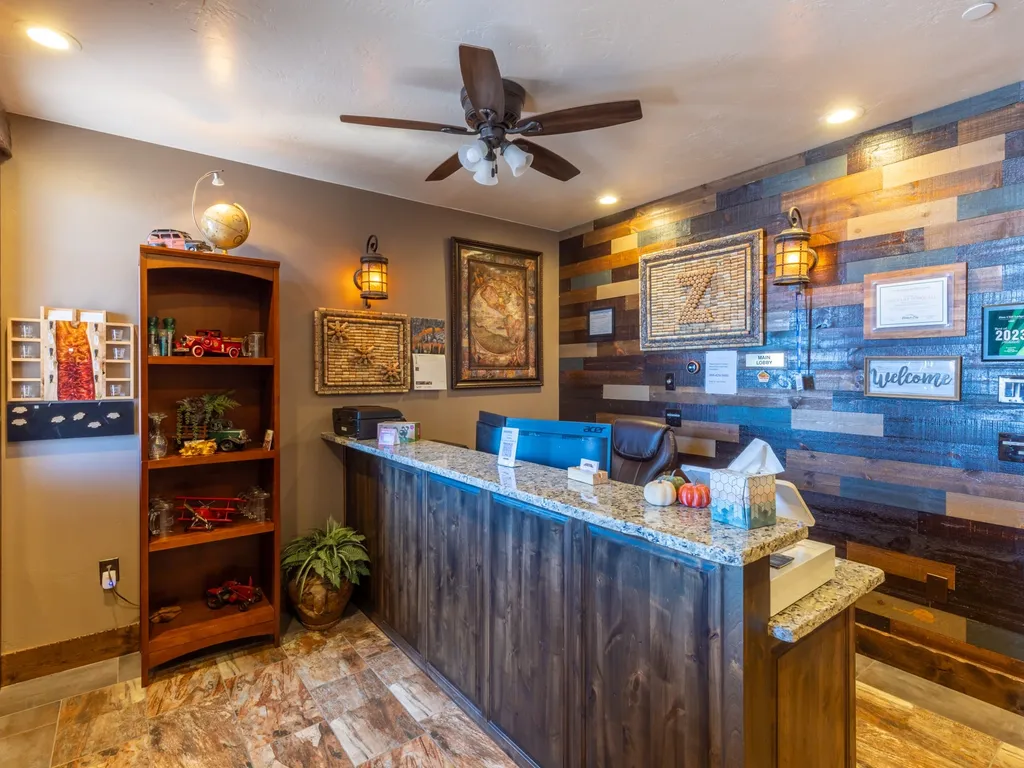
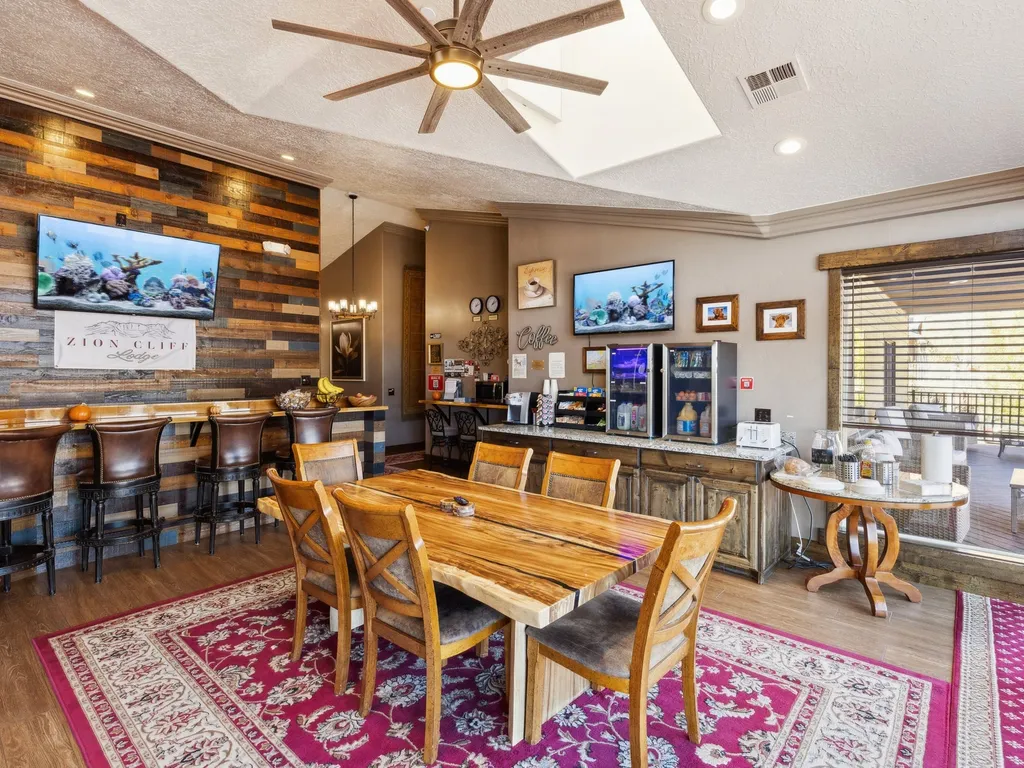
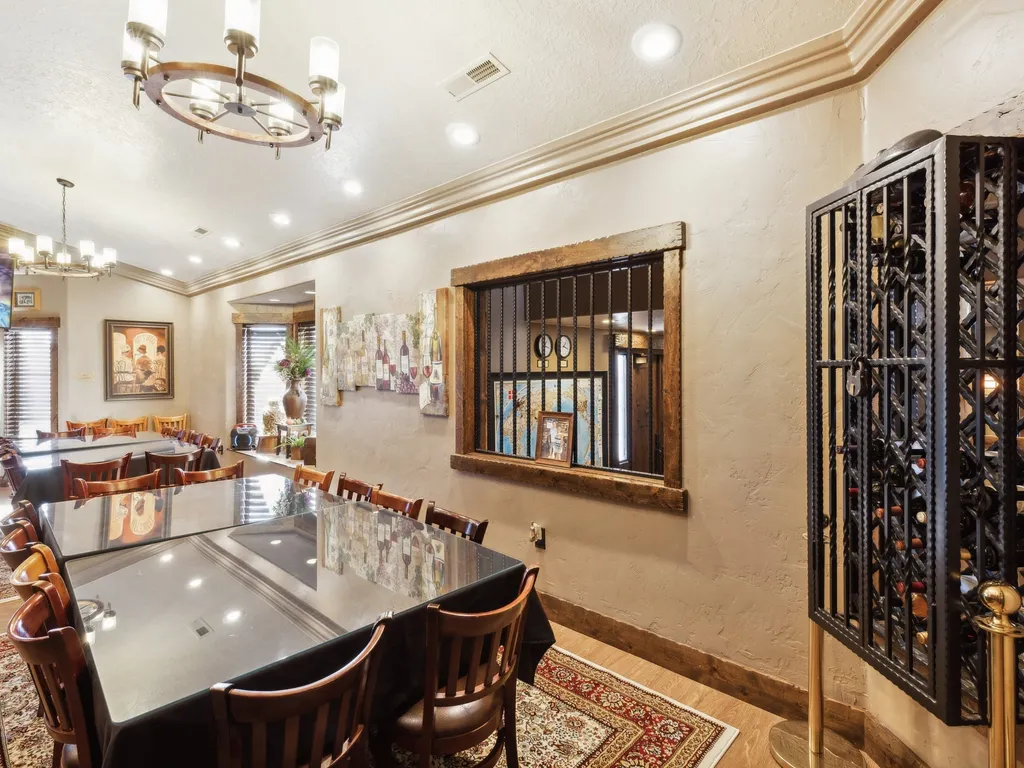
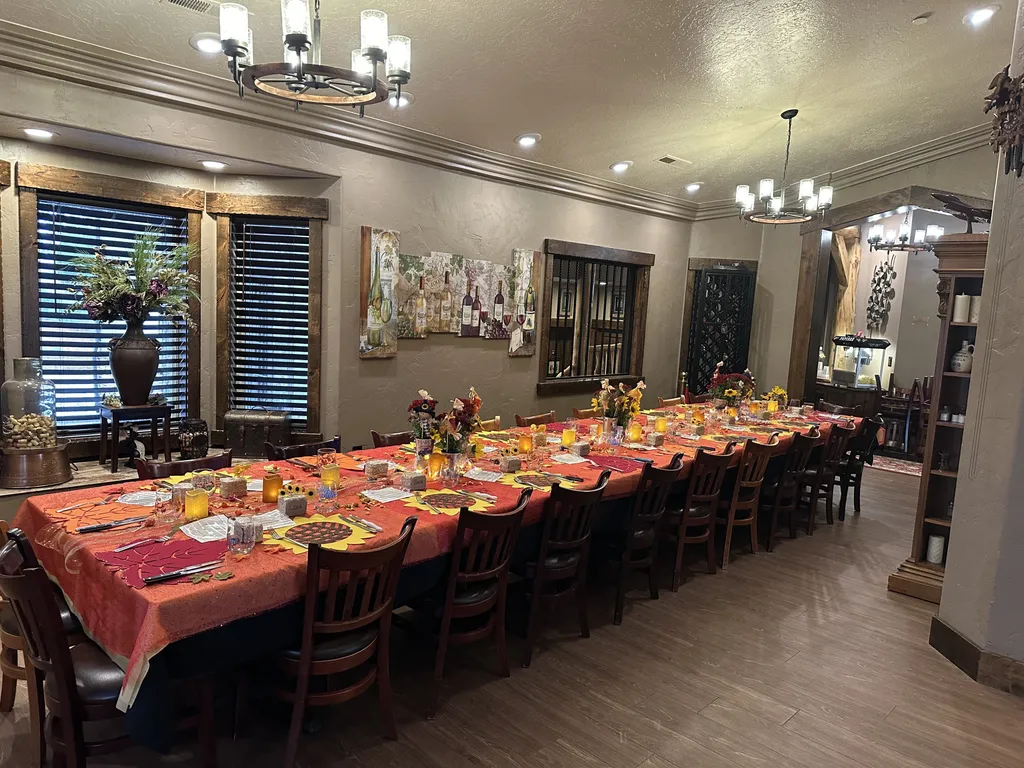
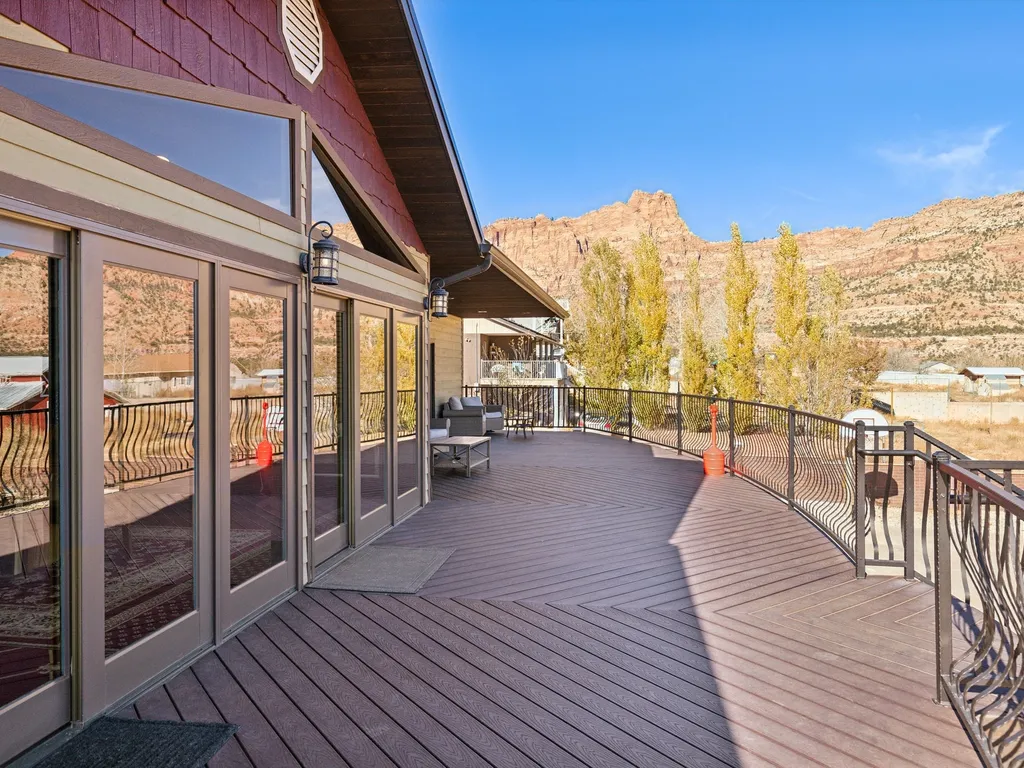
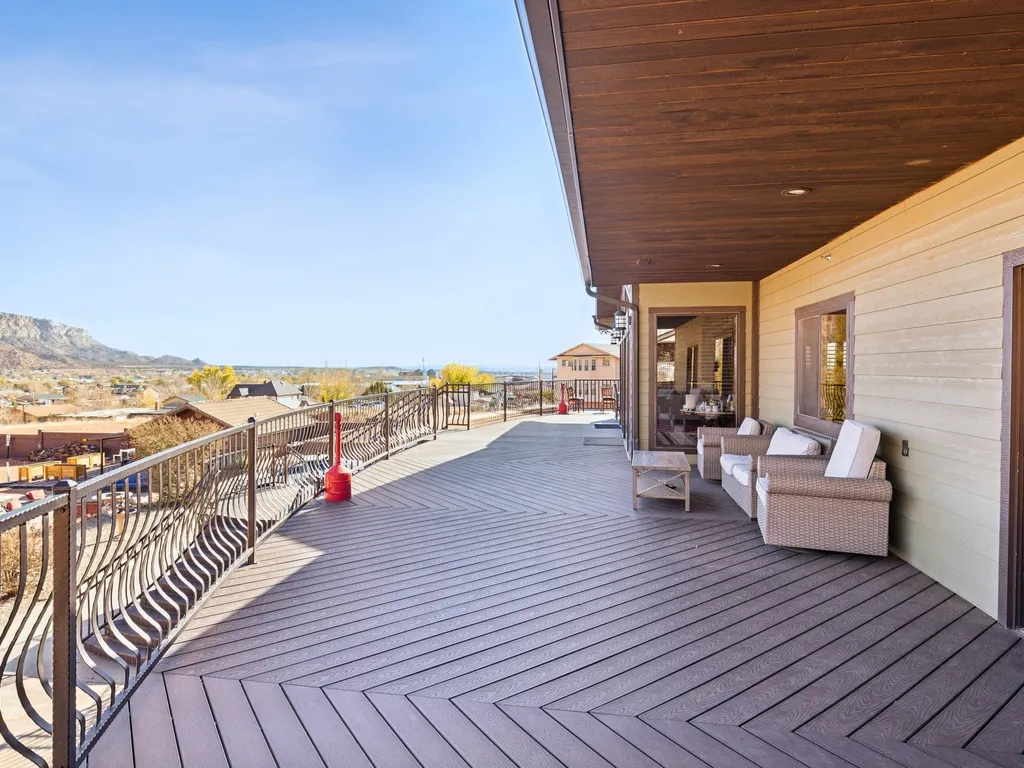
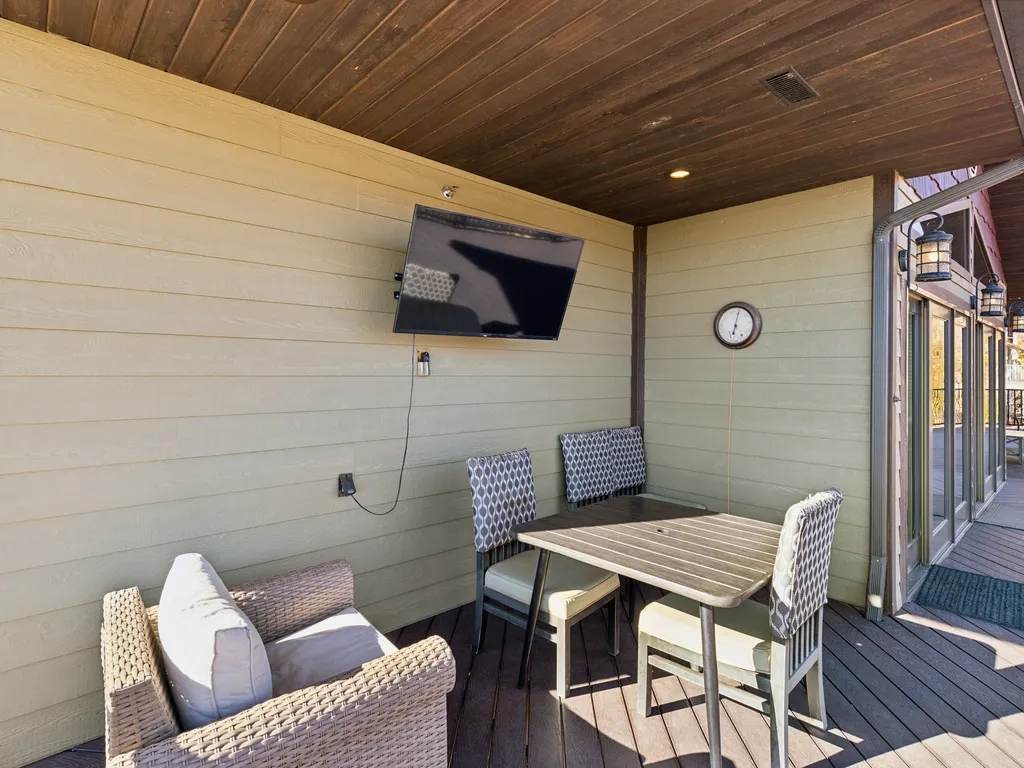
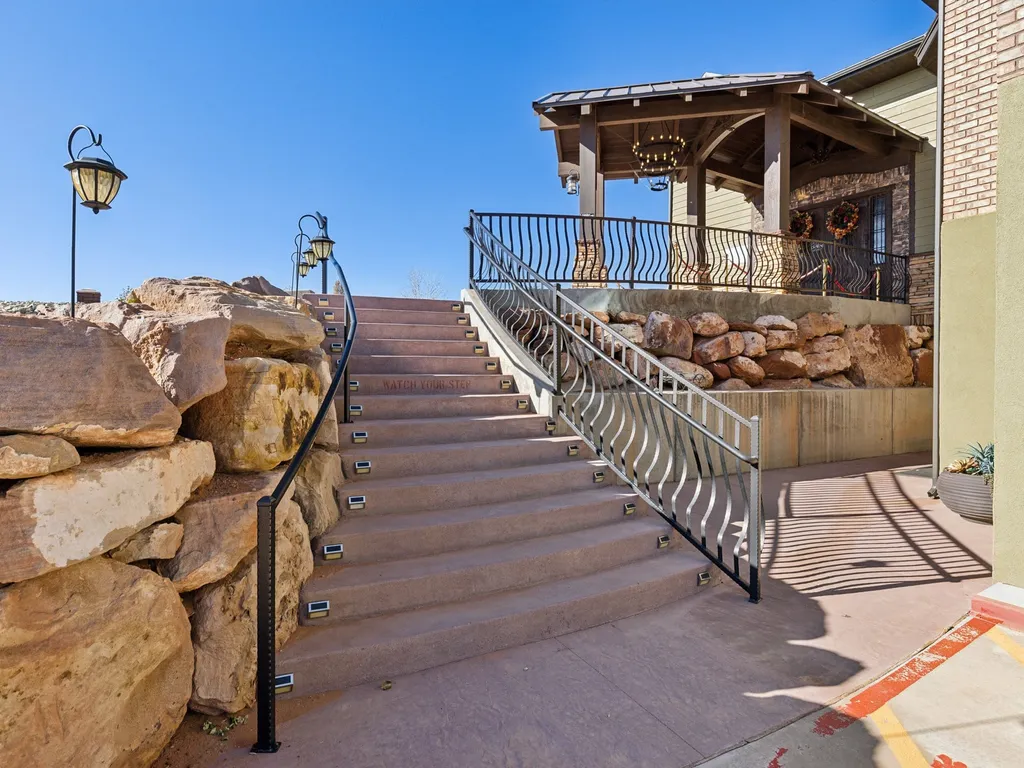
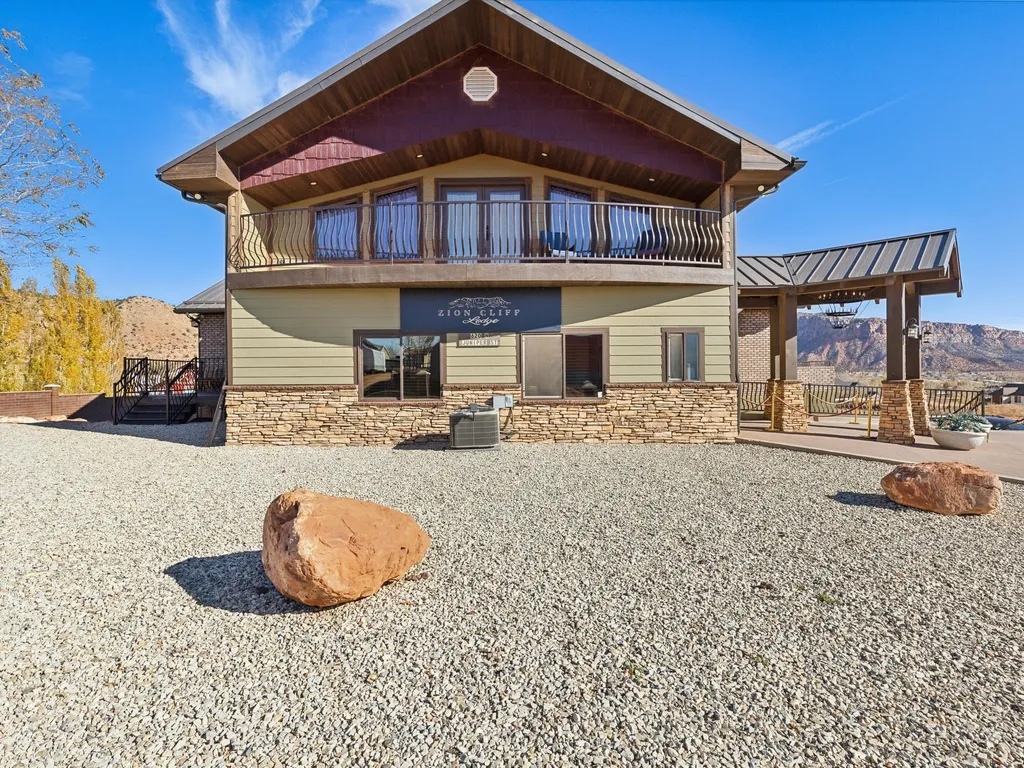
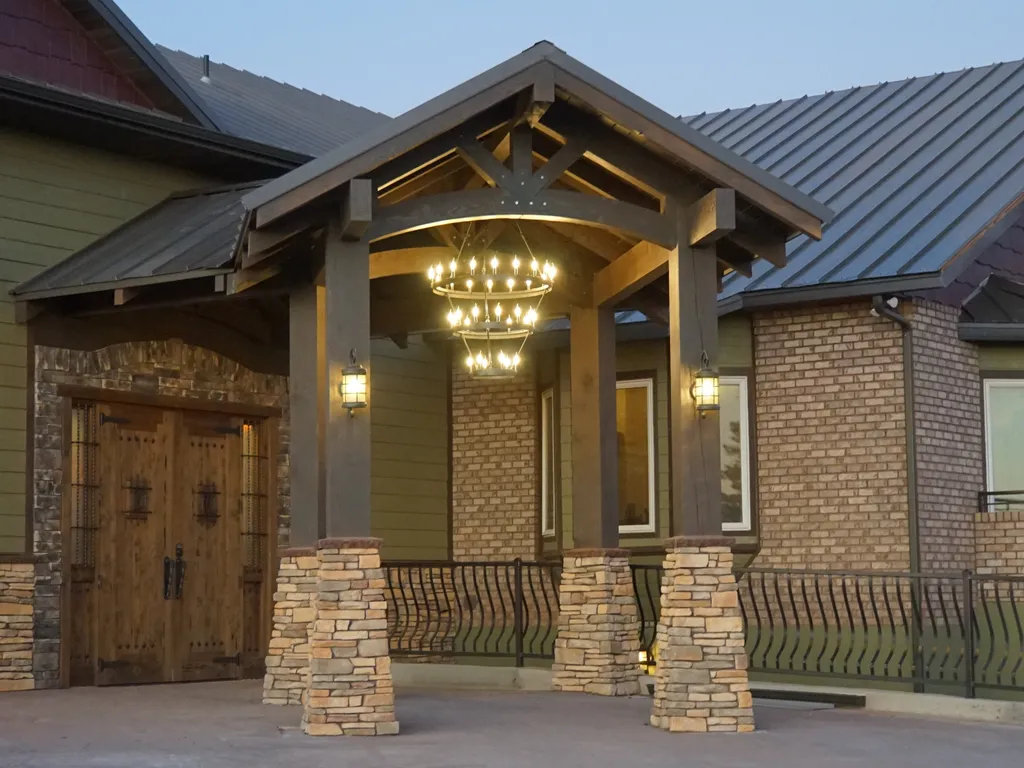
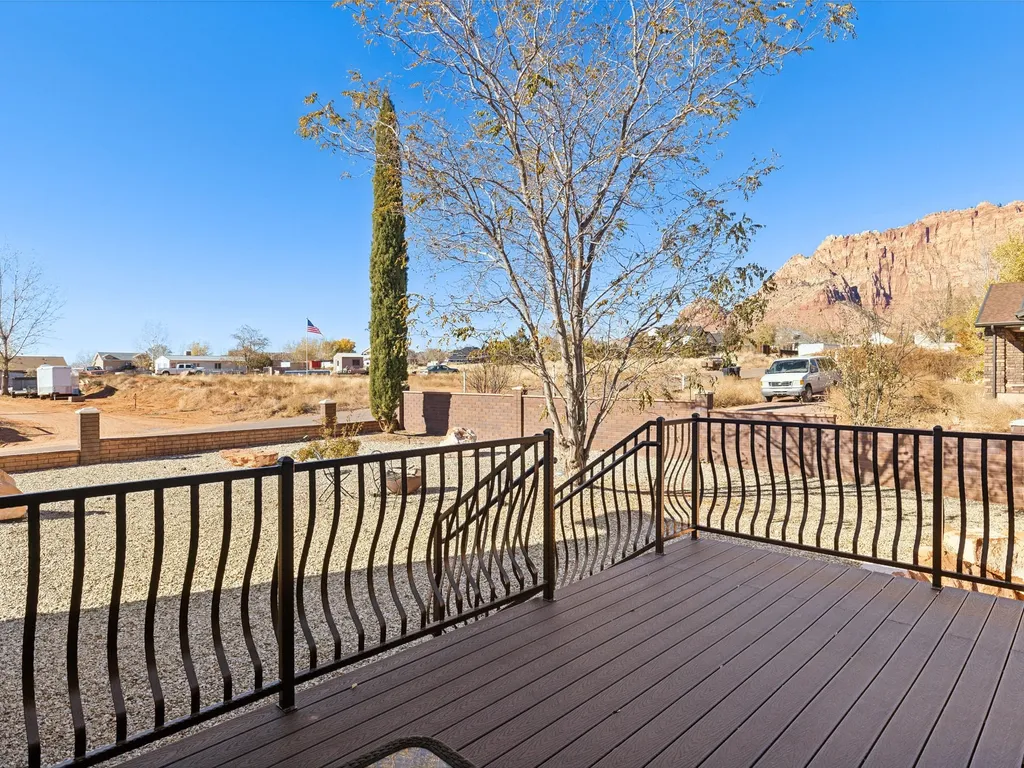
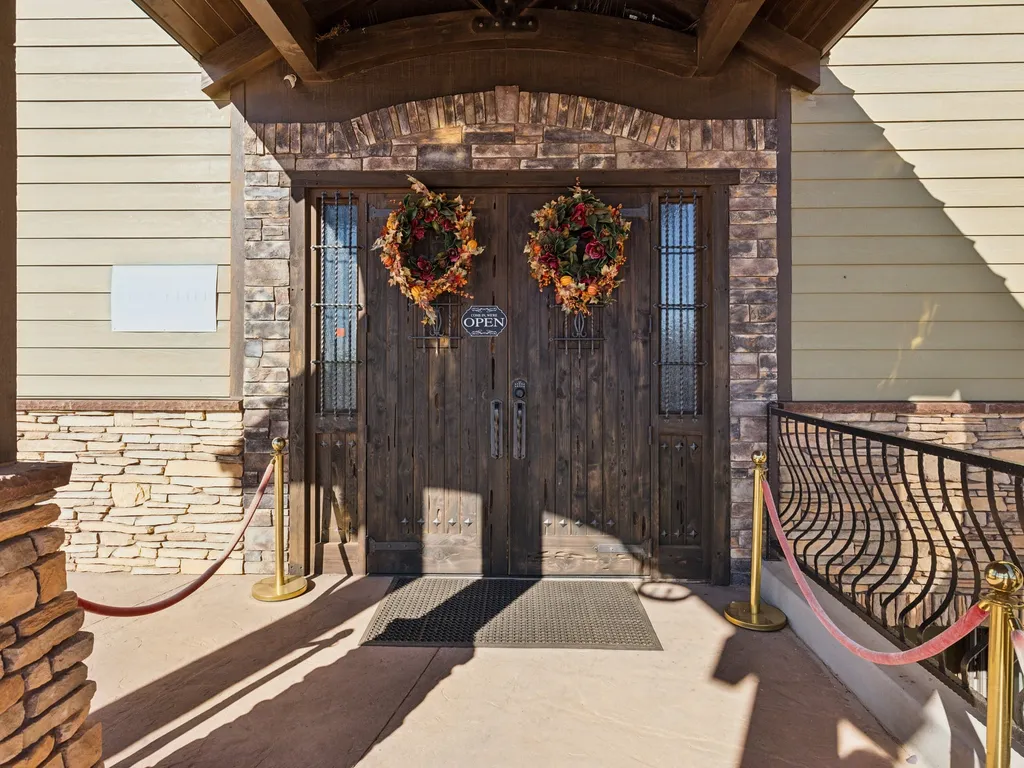
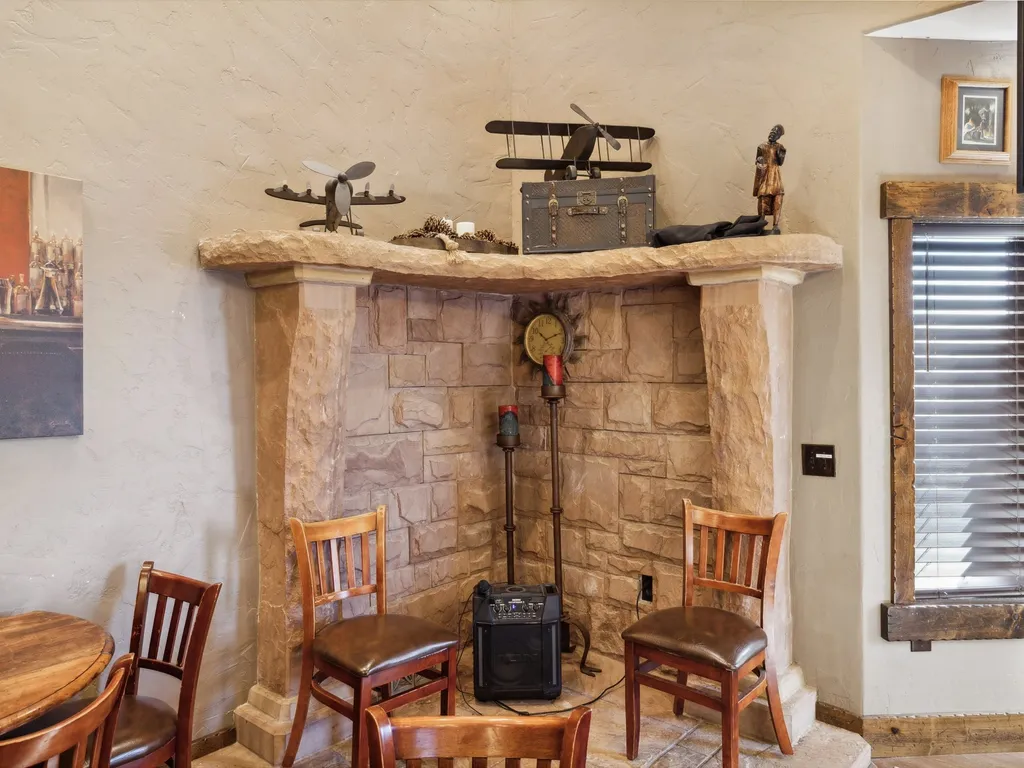
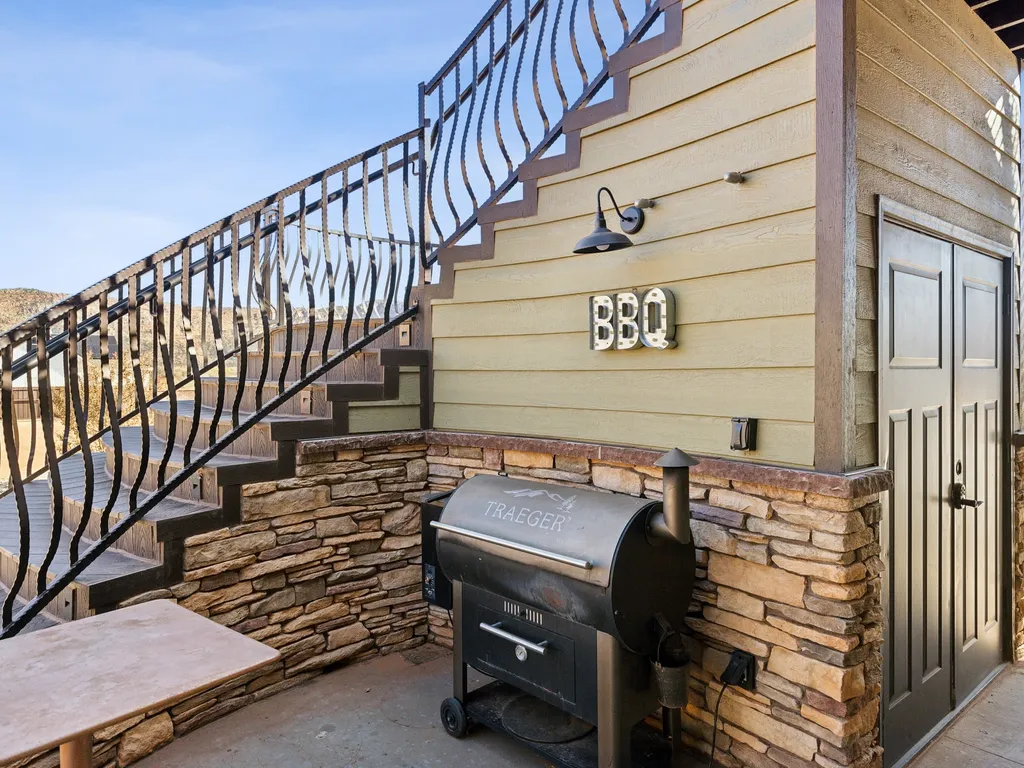
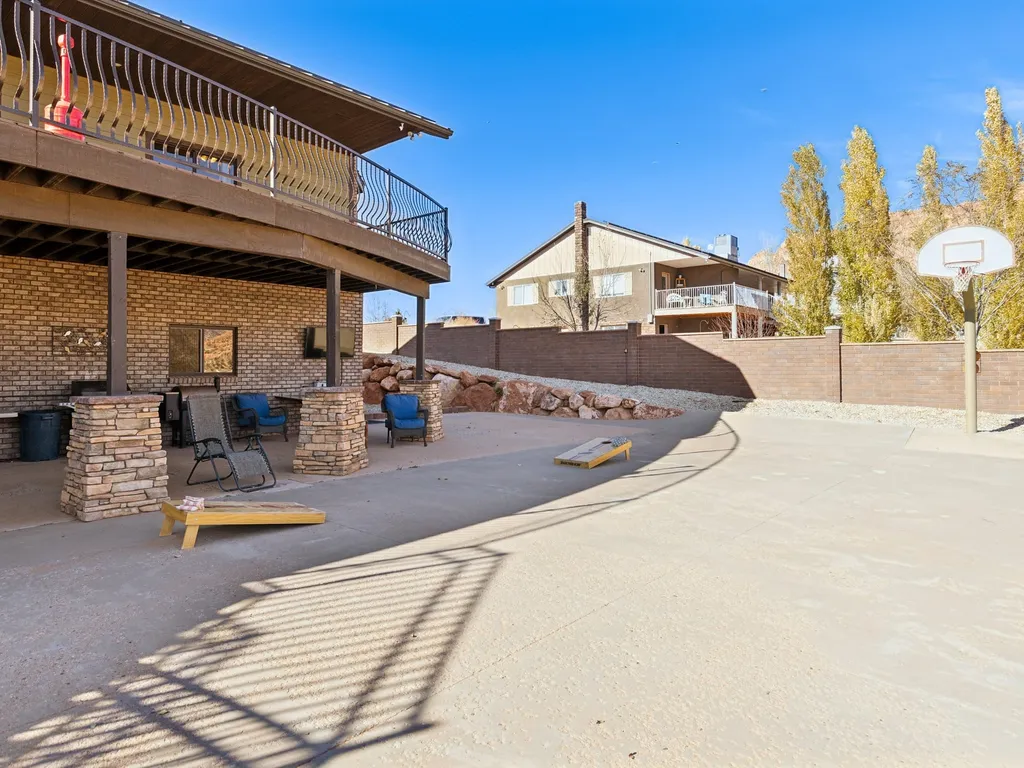
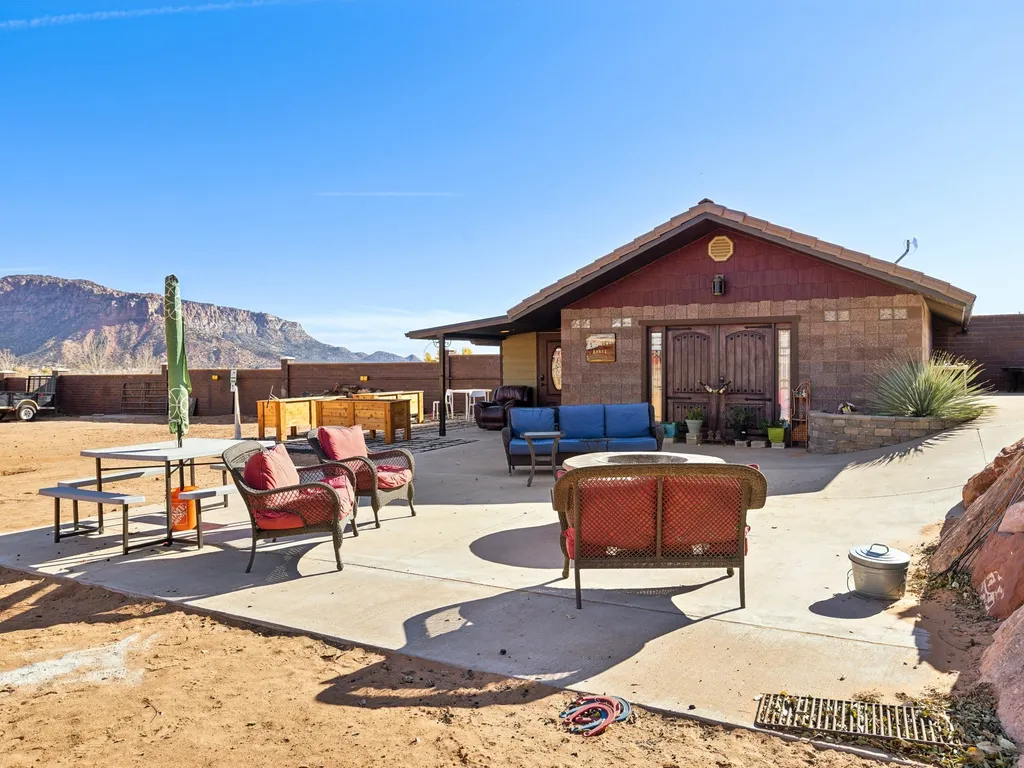
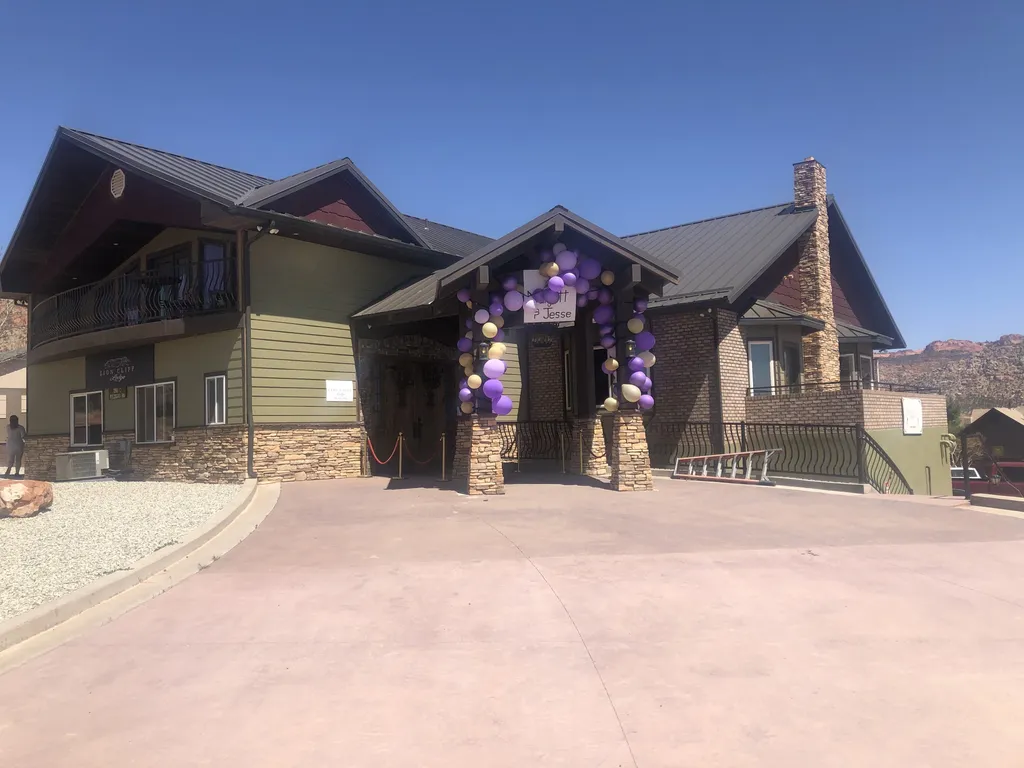
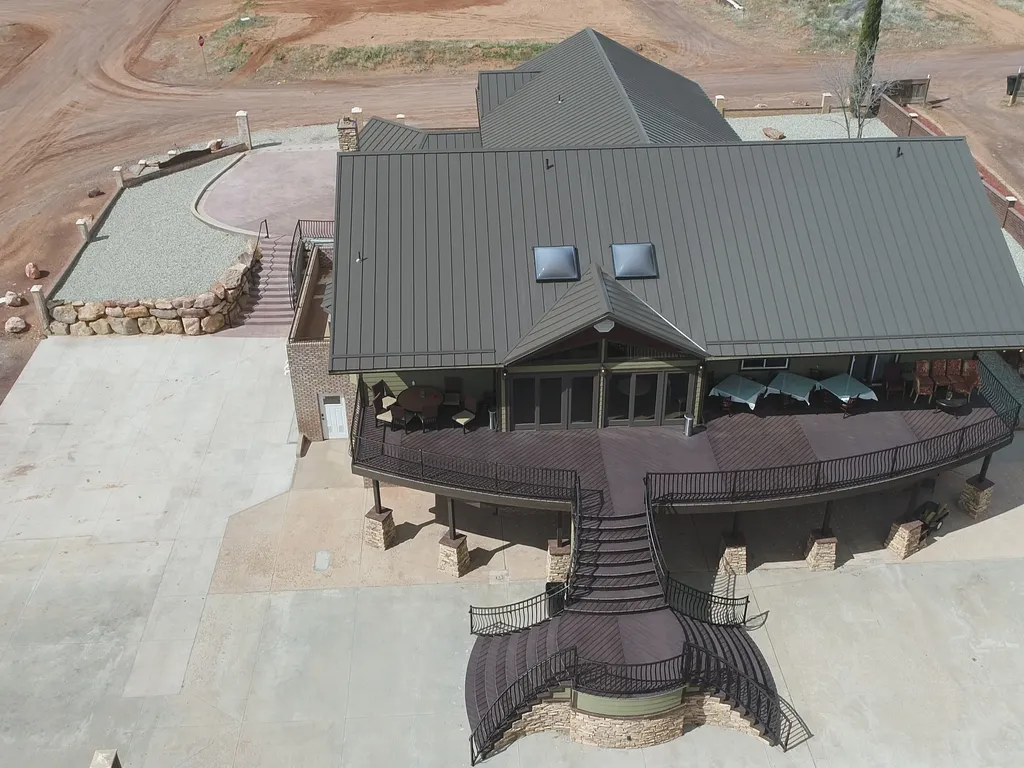
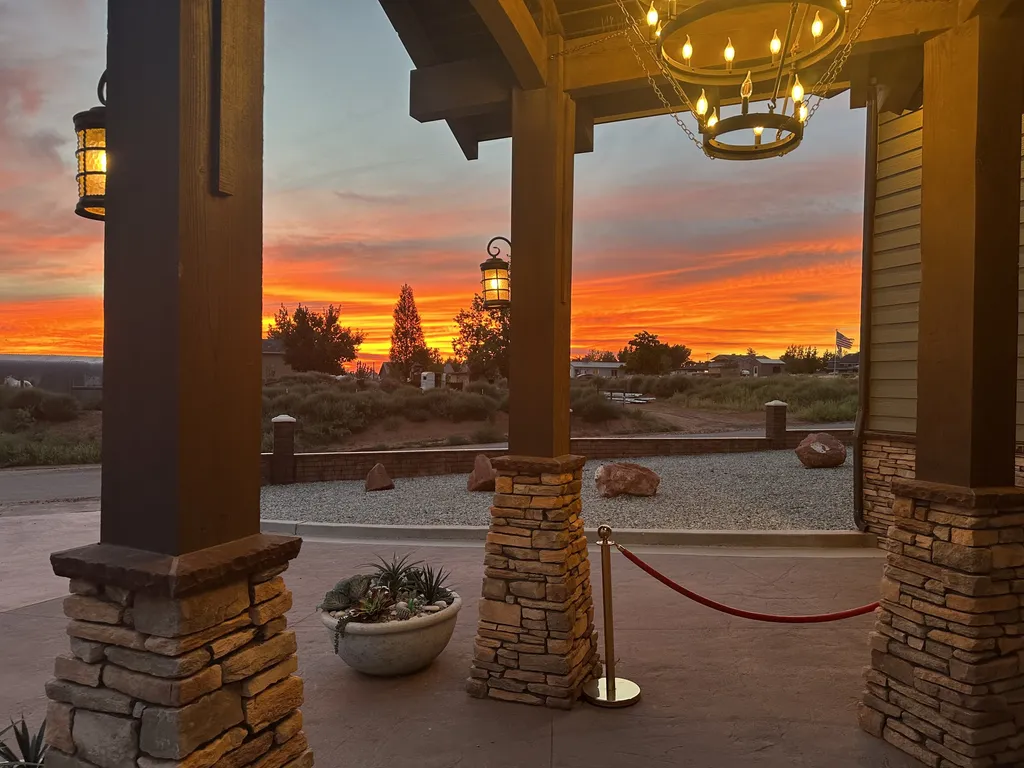
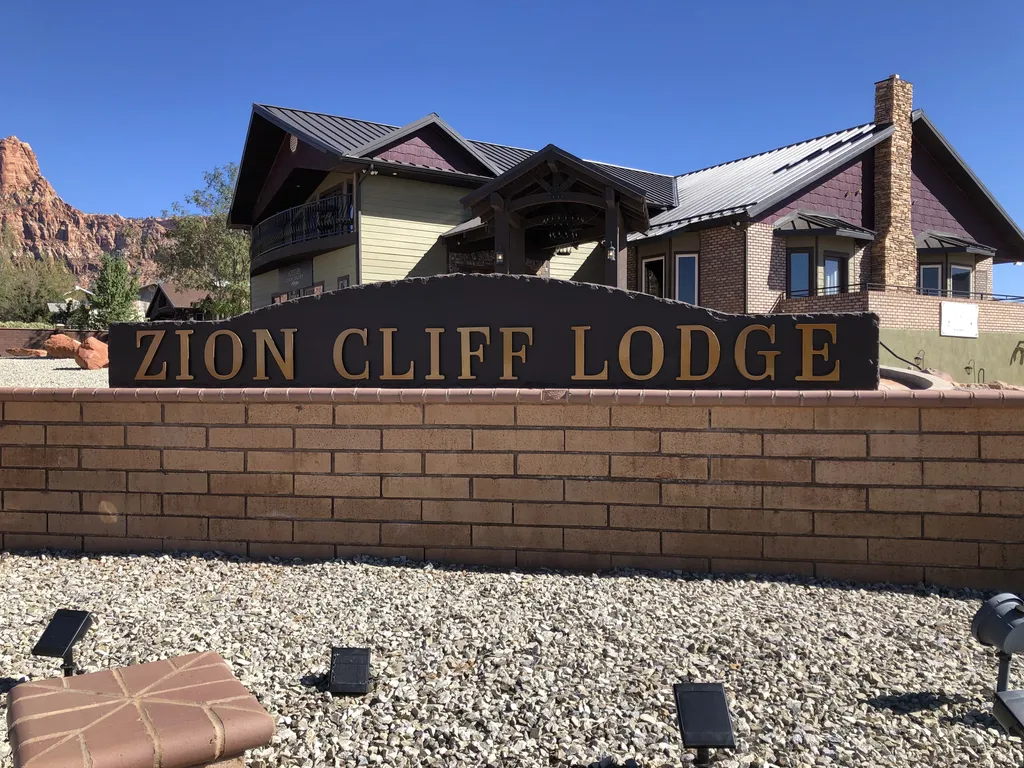
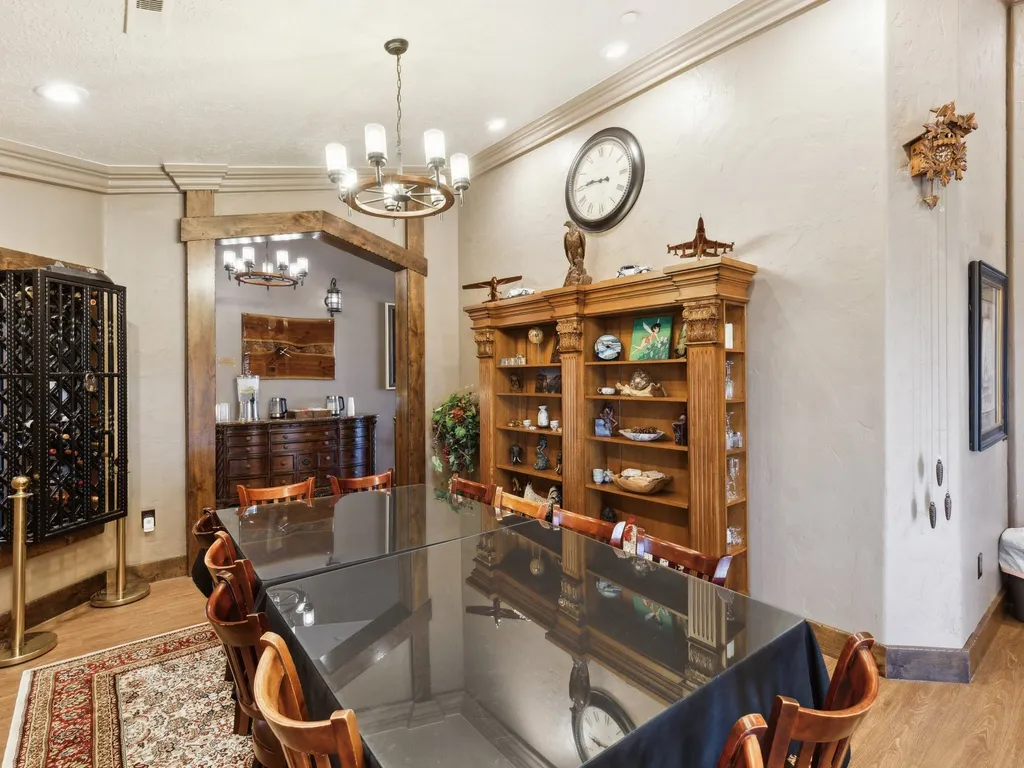
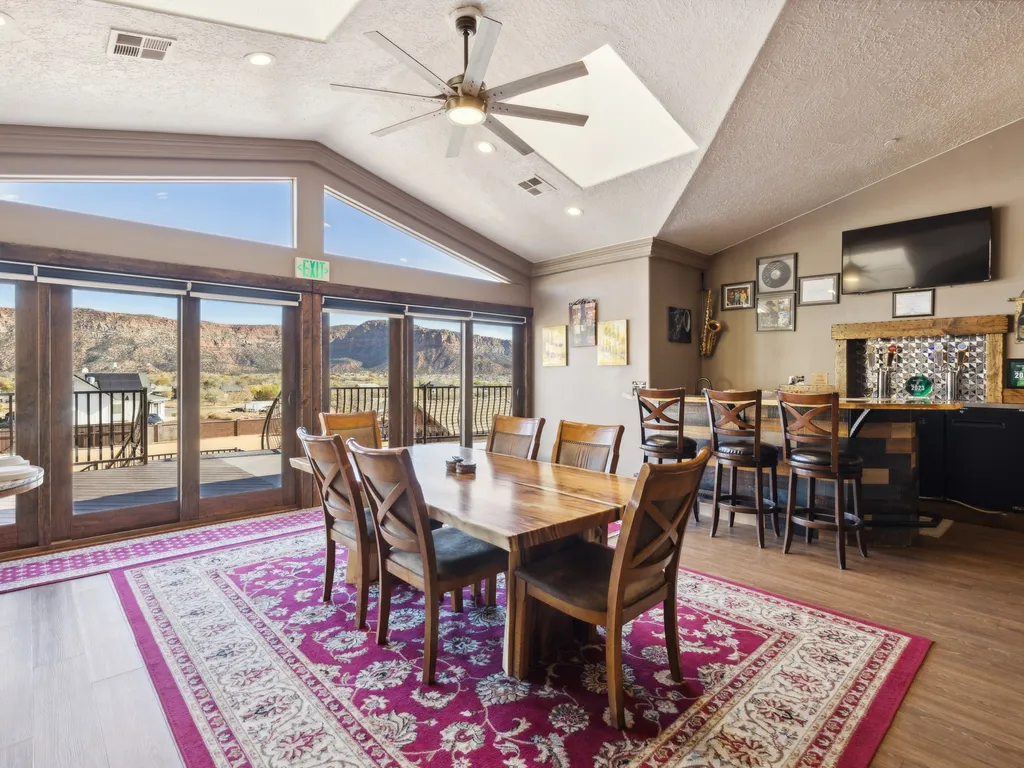
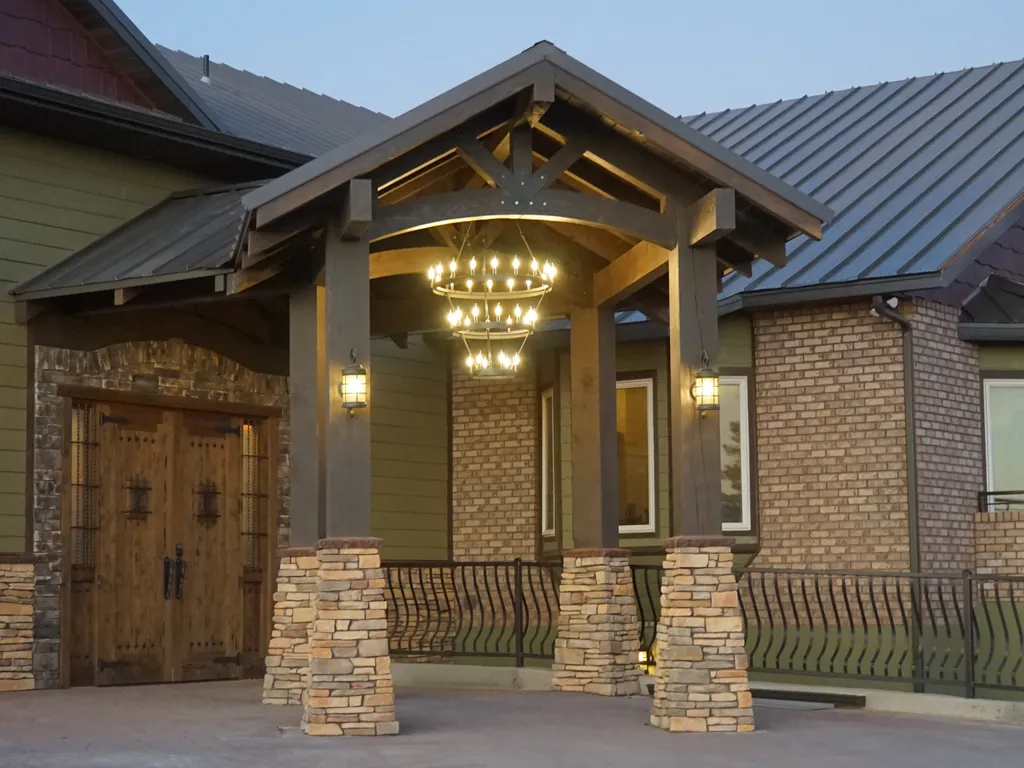
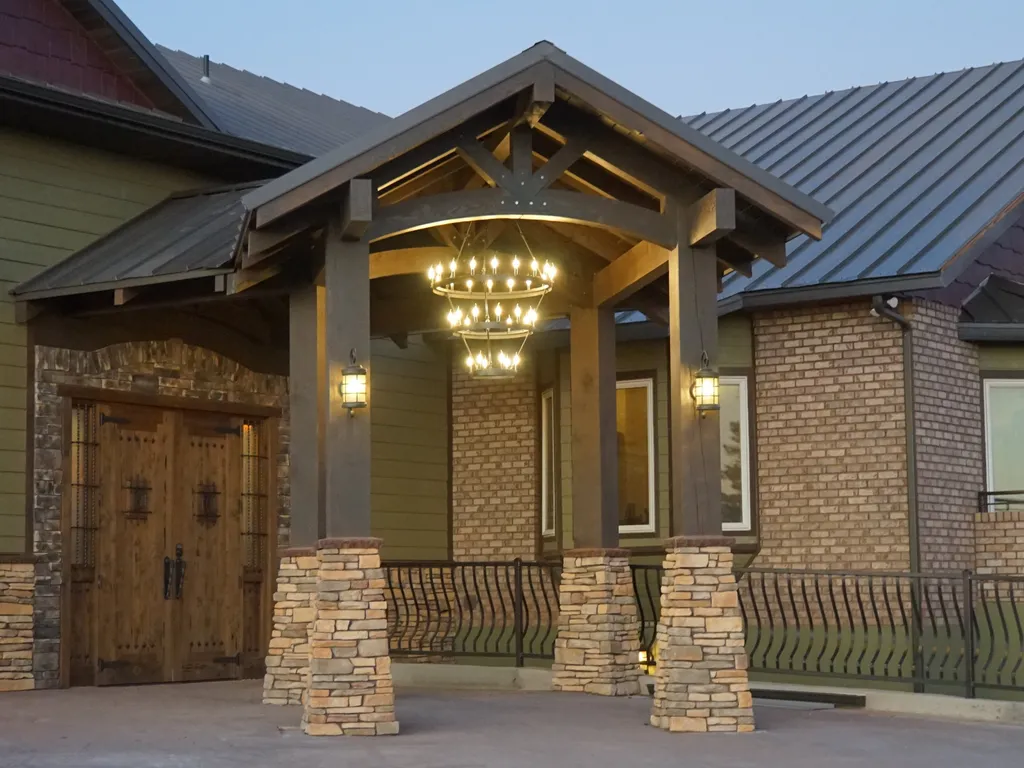
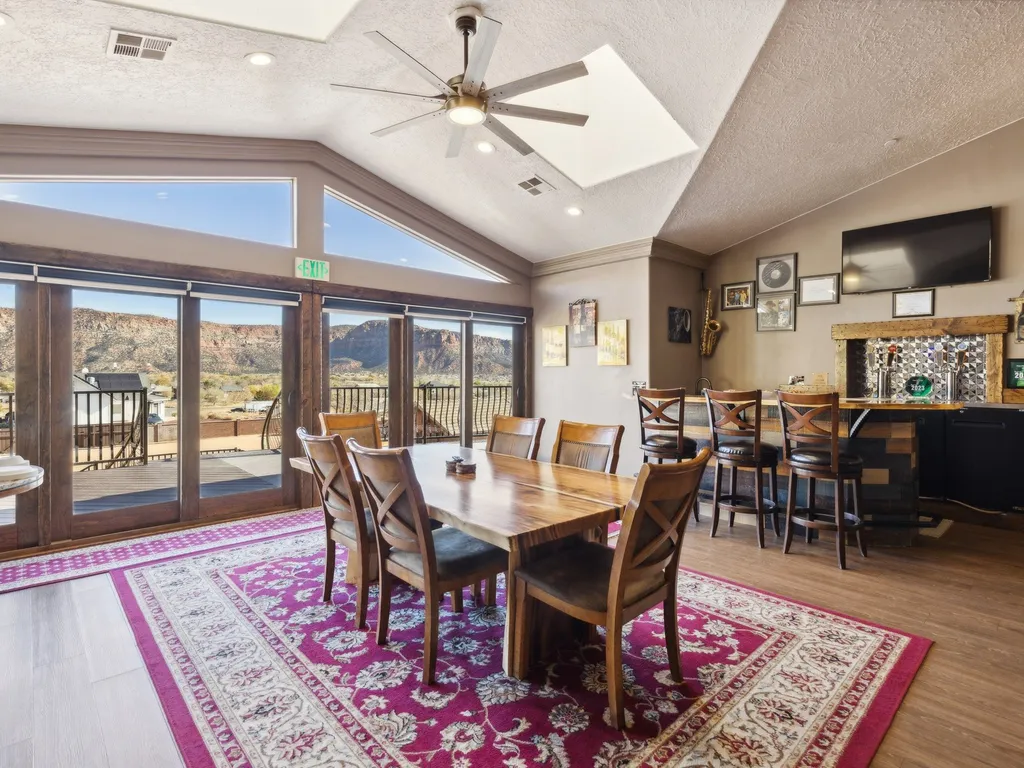
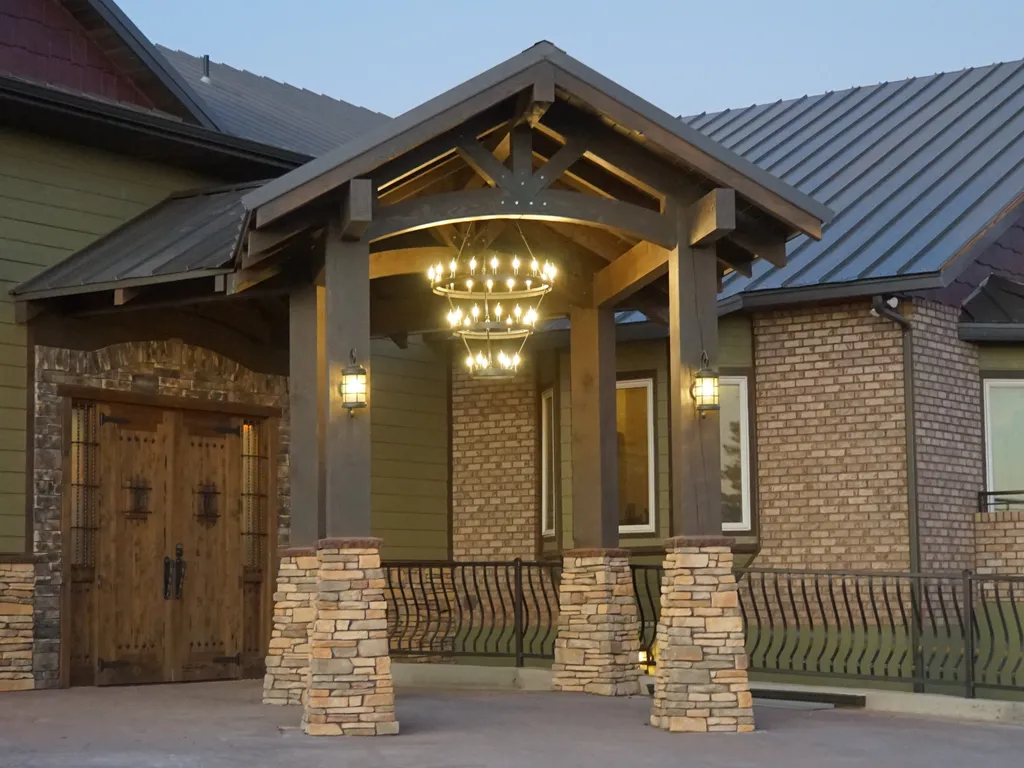
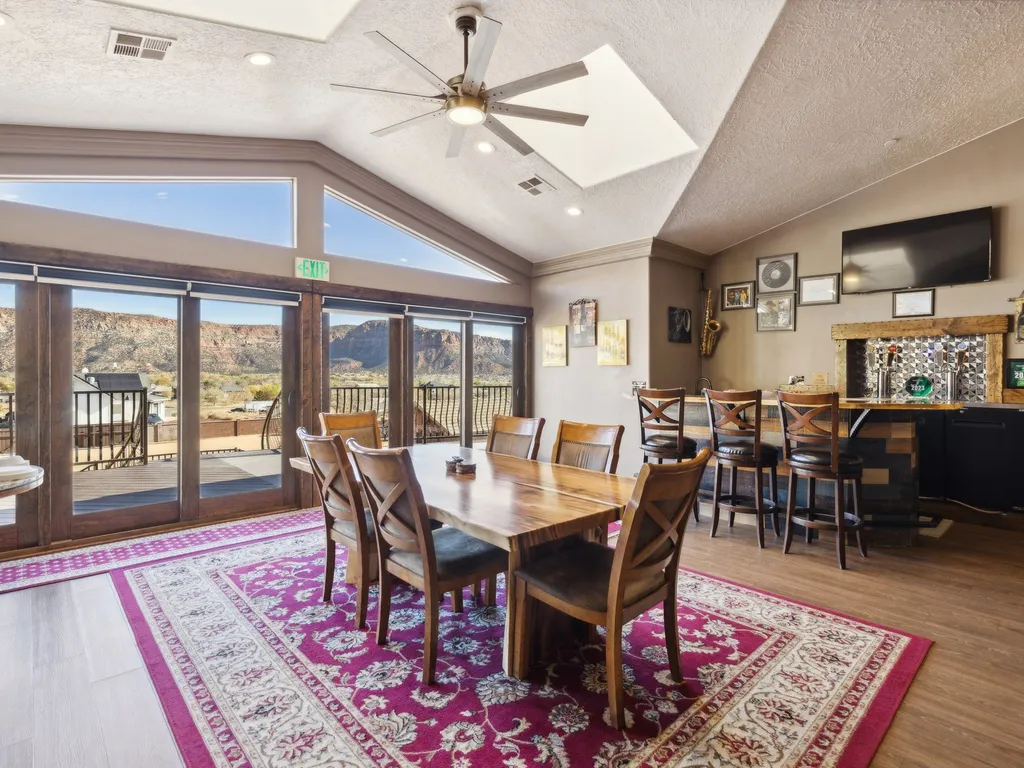
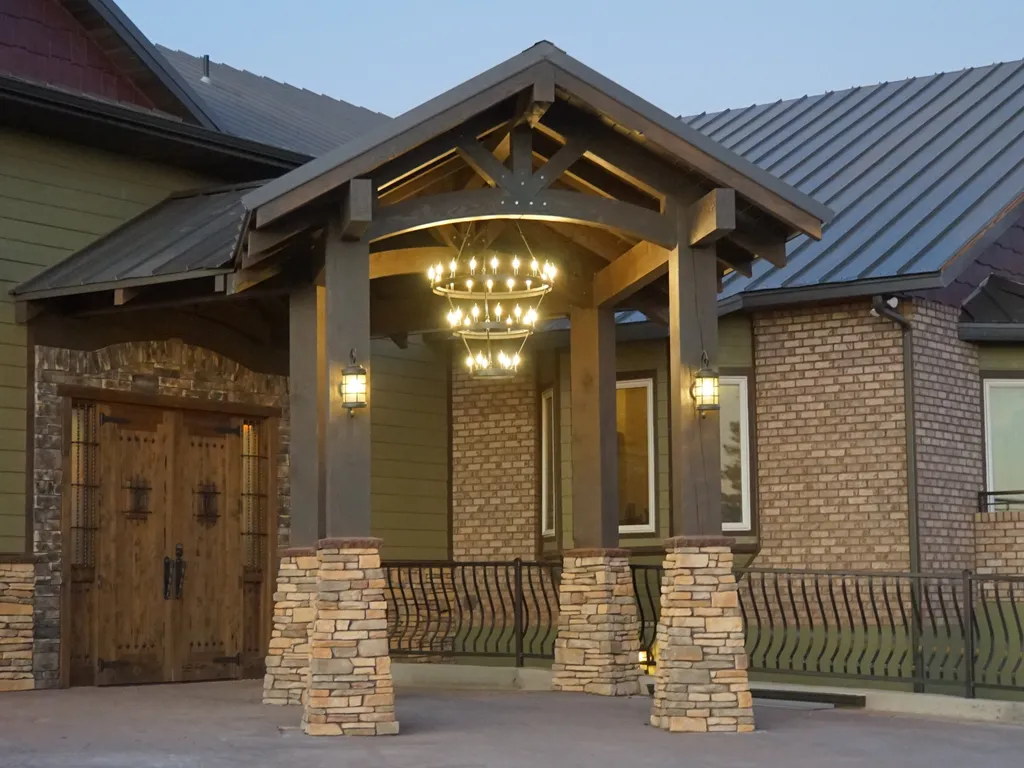
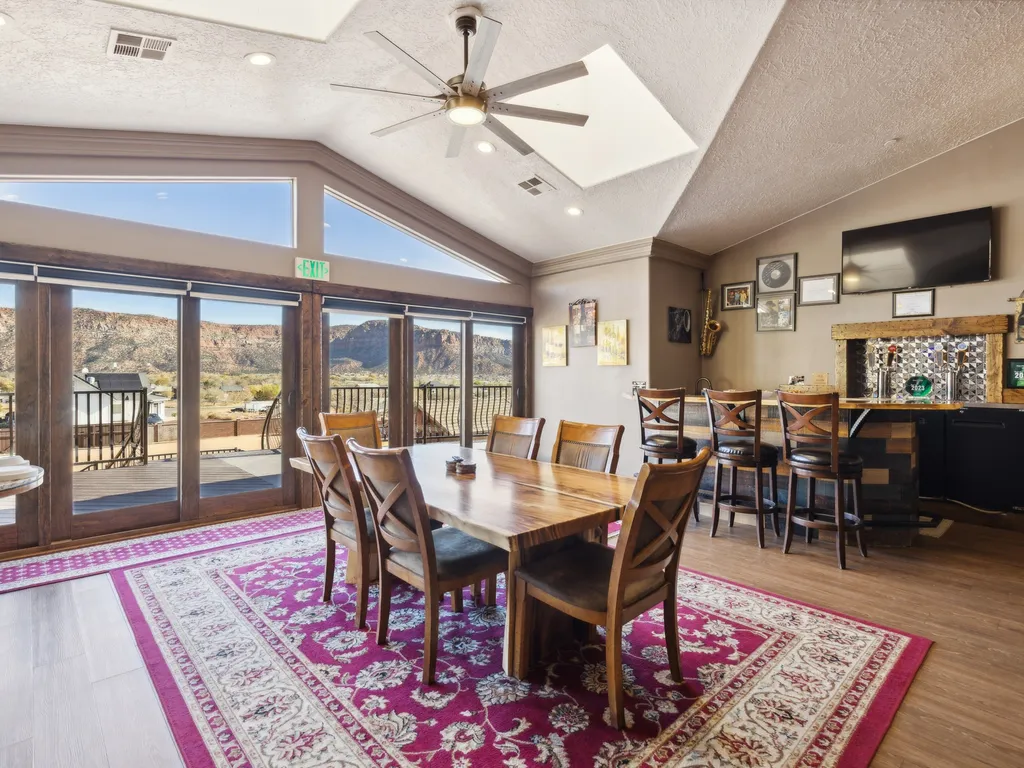
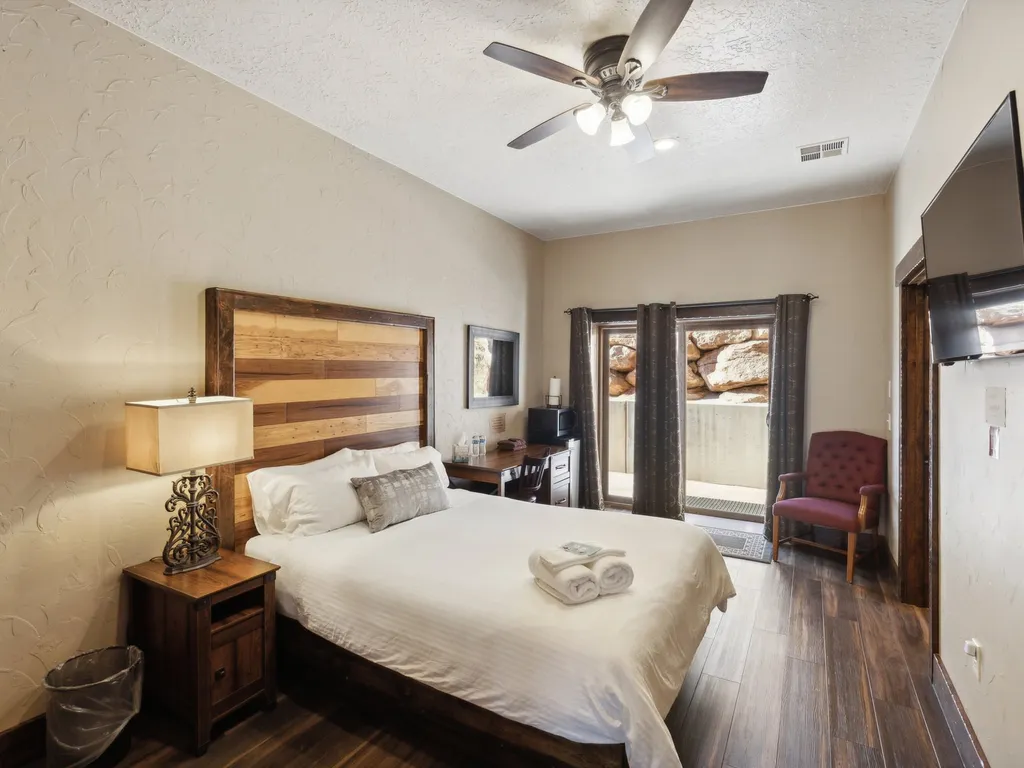
 Hotel Room81 mi1 / 53Photo 1 of 53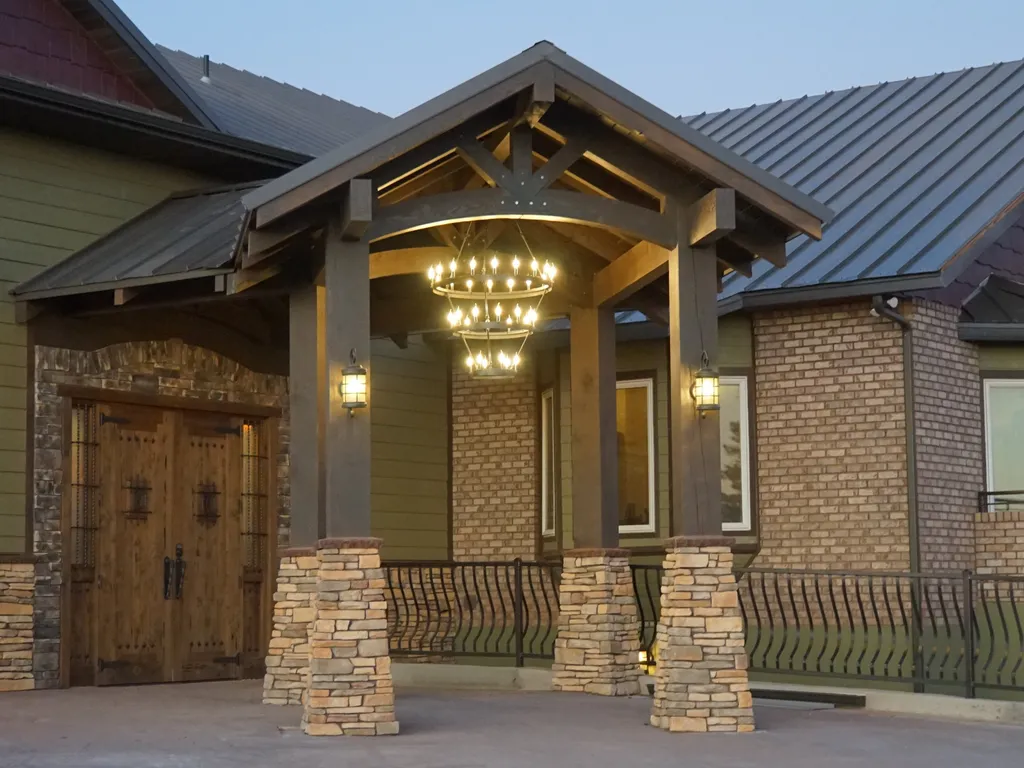
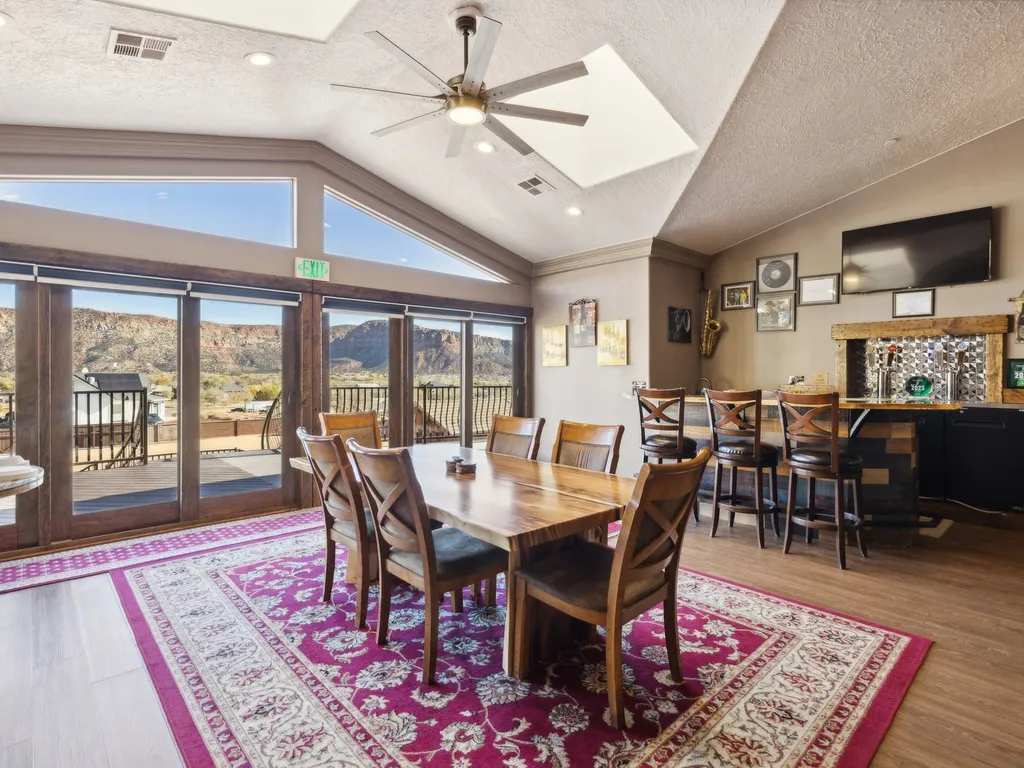


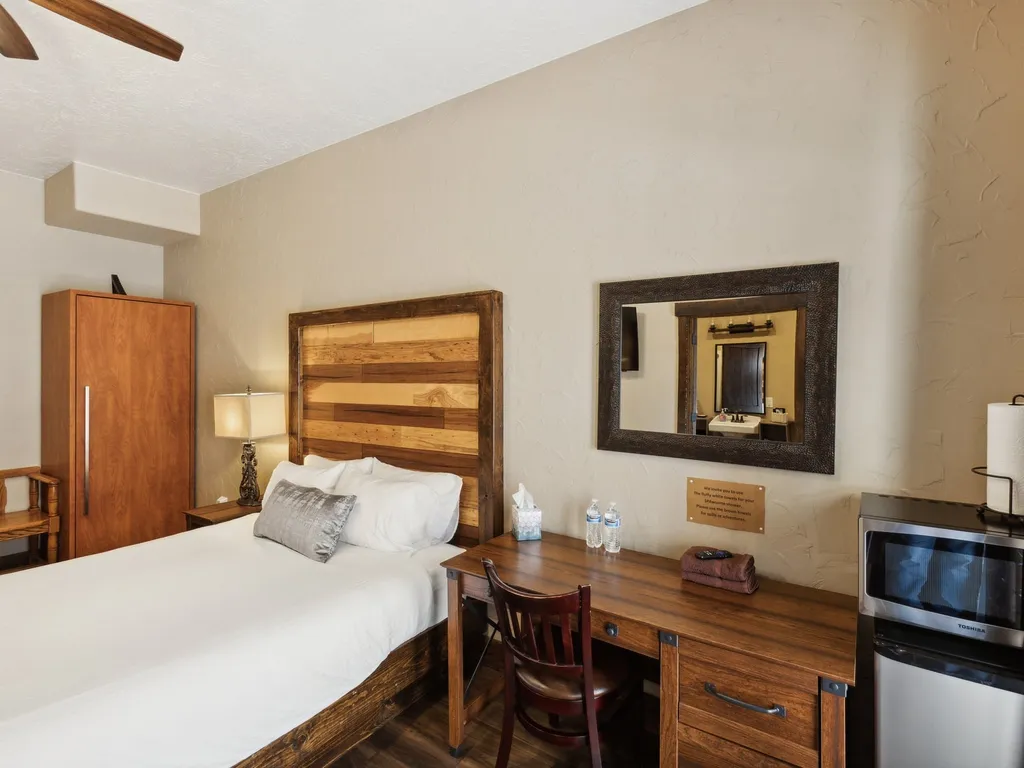


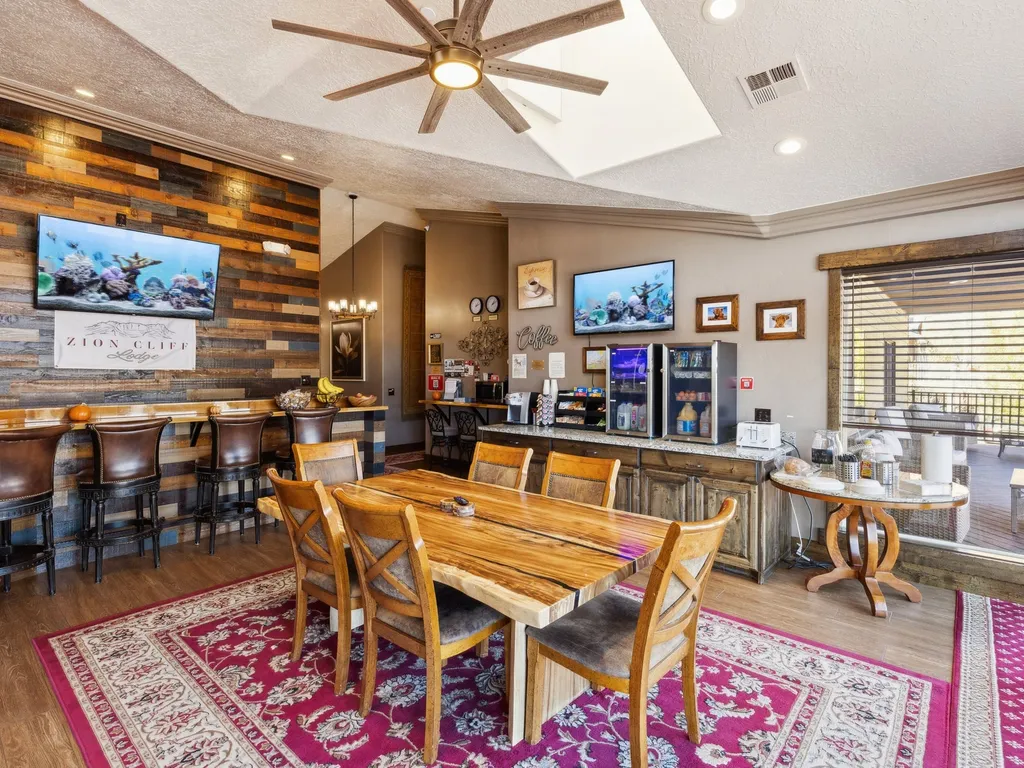


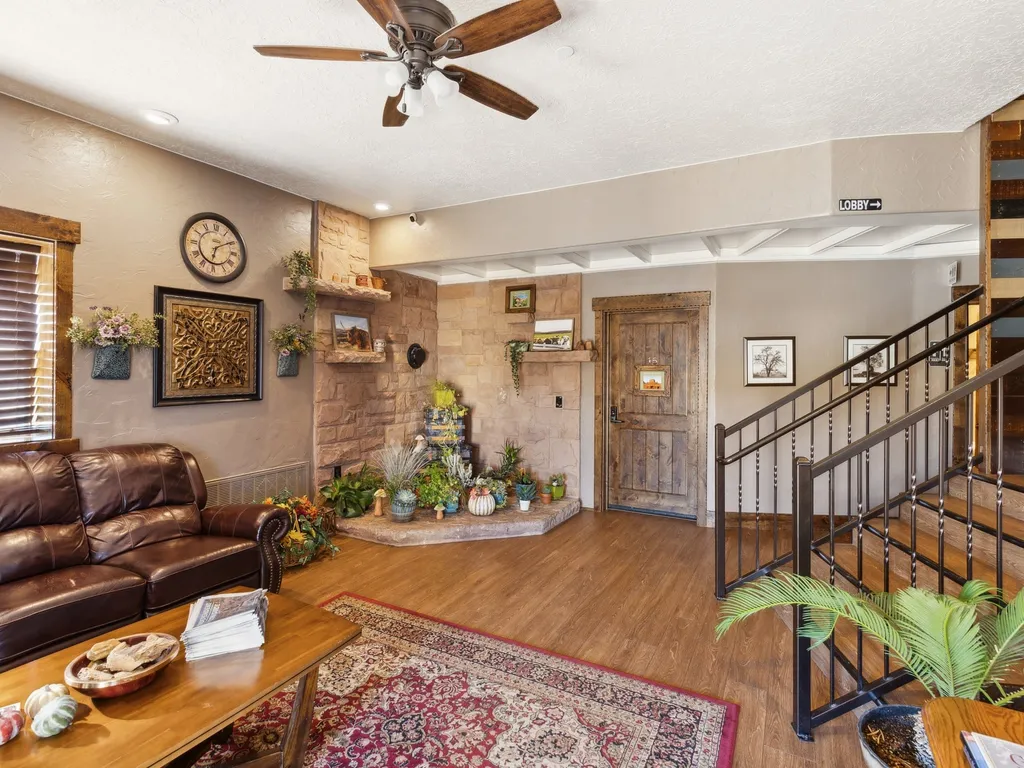


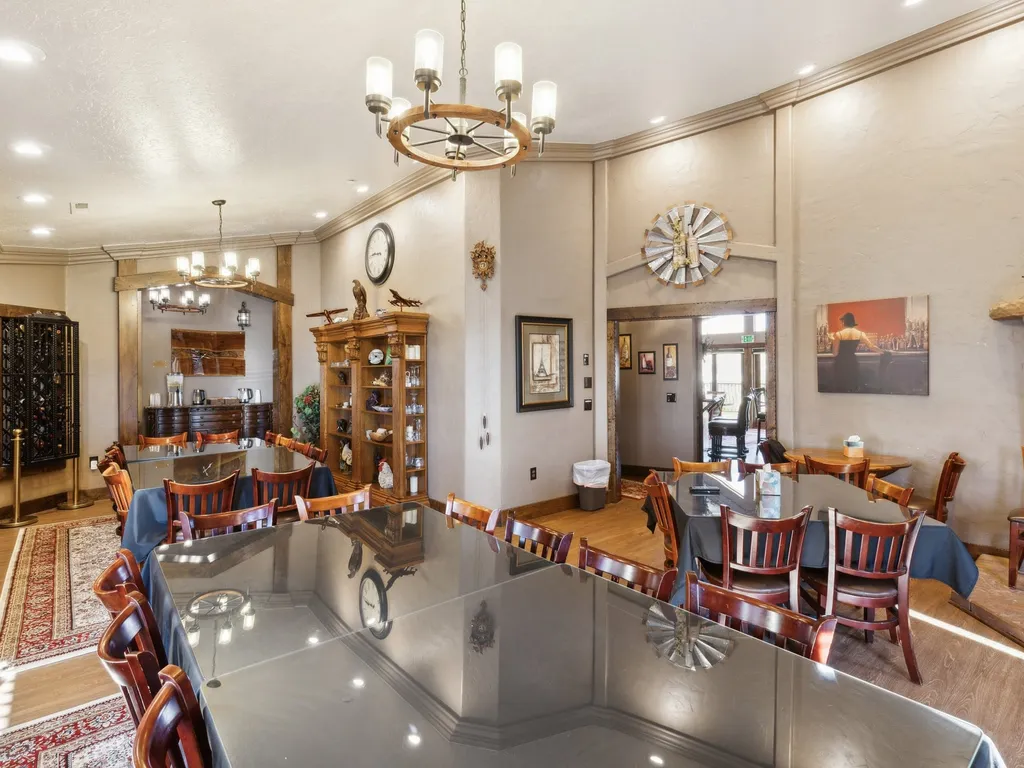


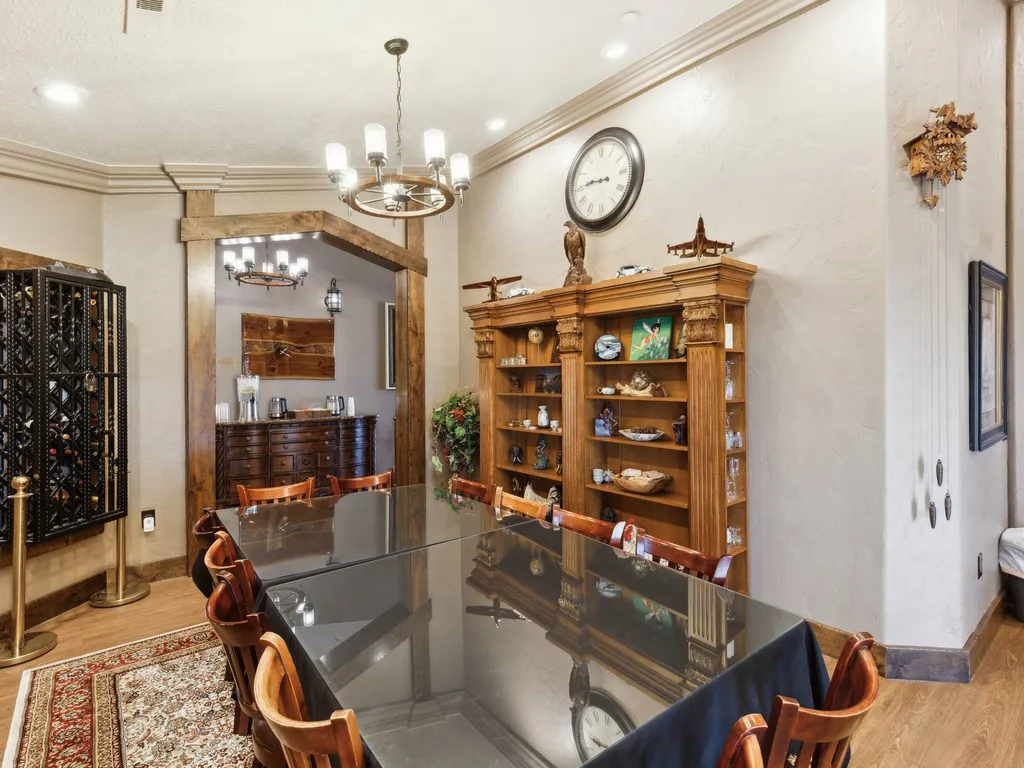

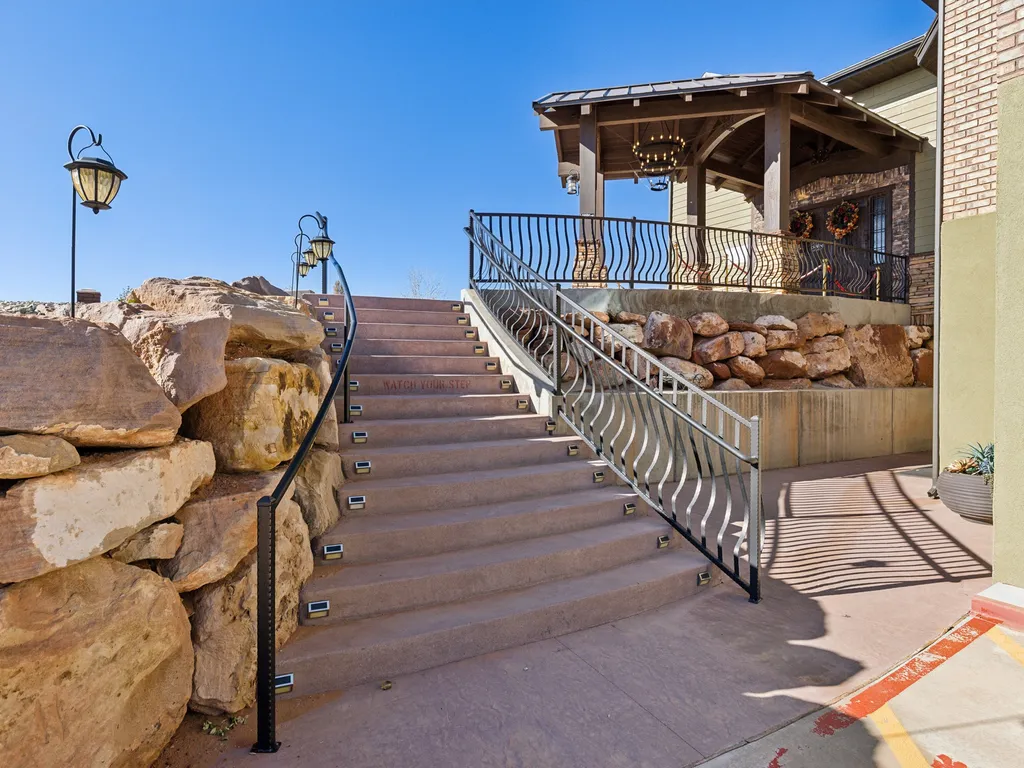
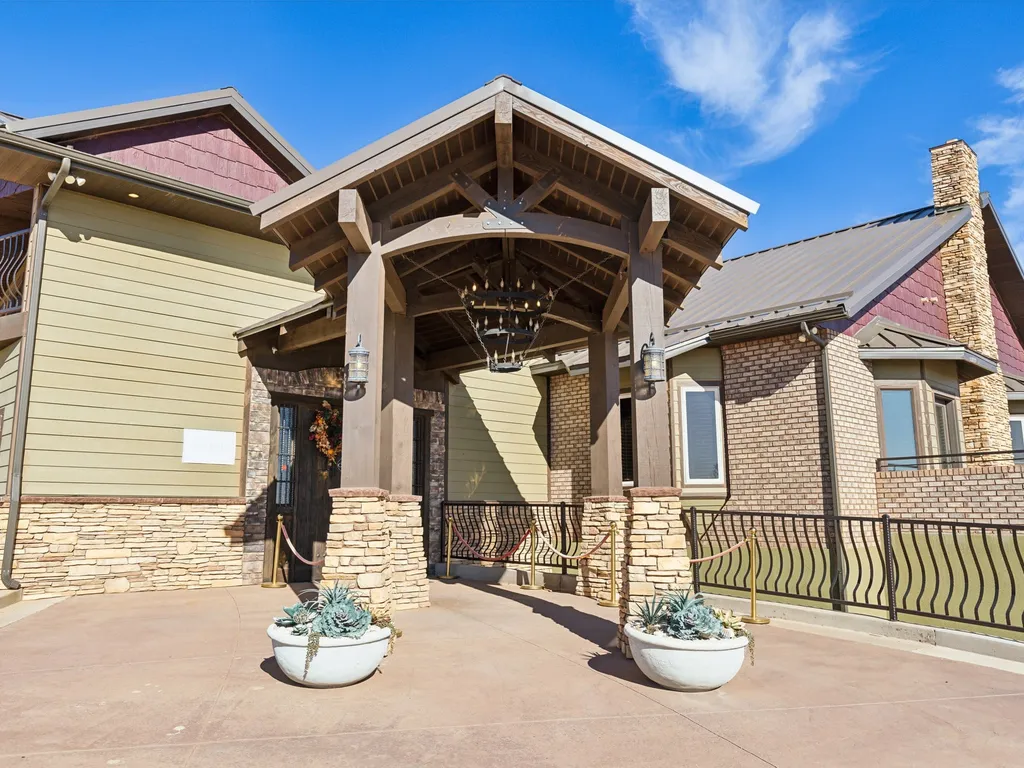


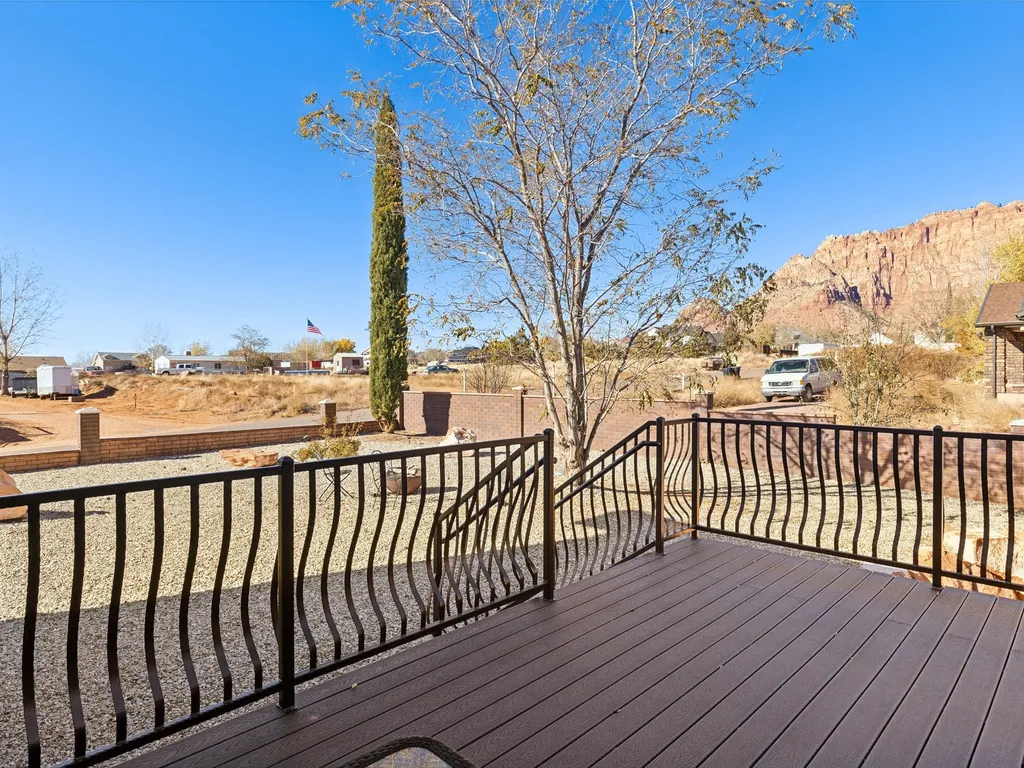
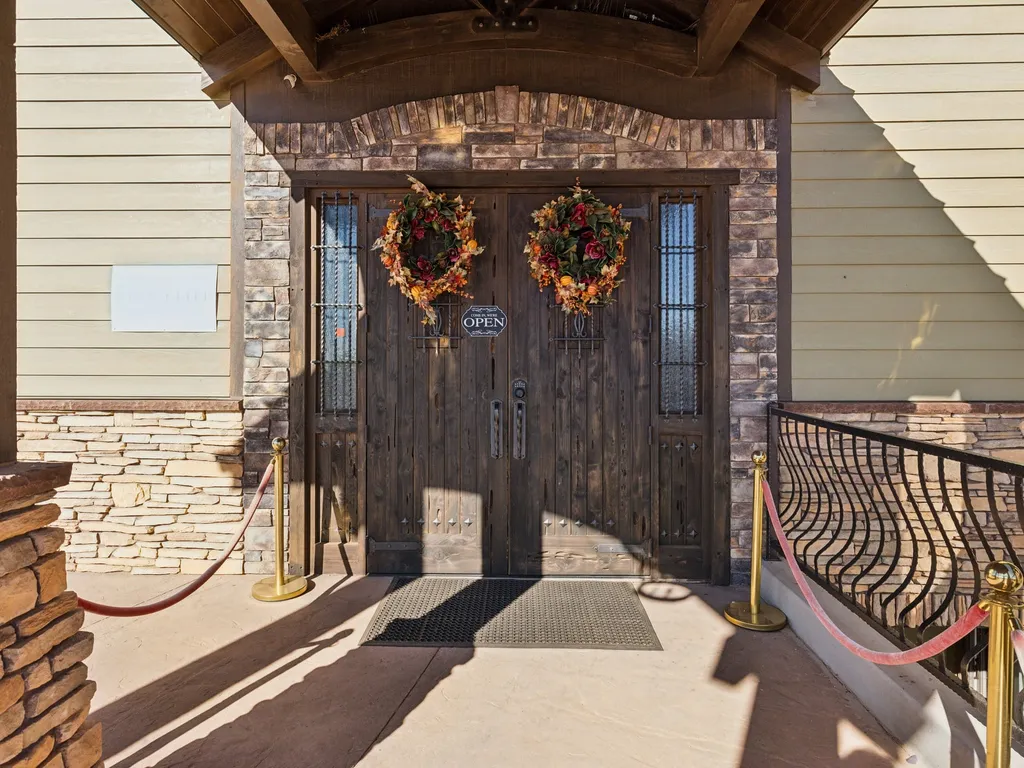

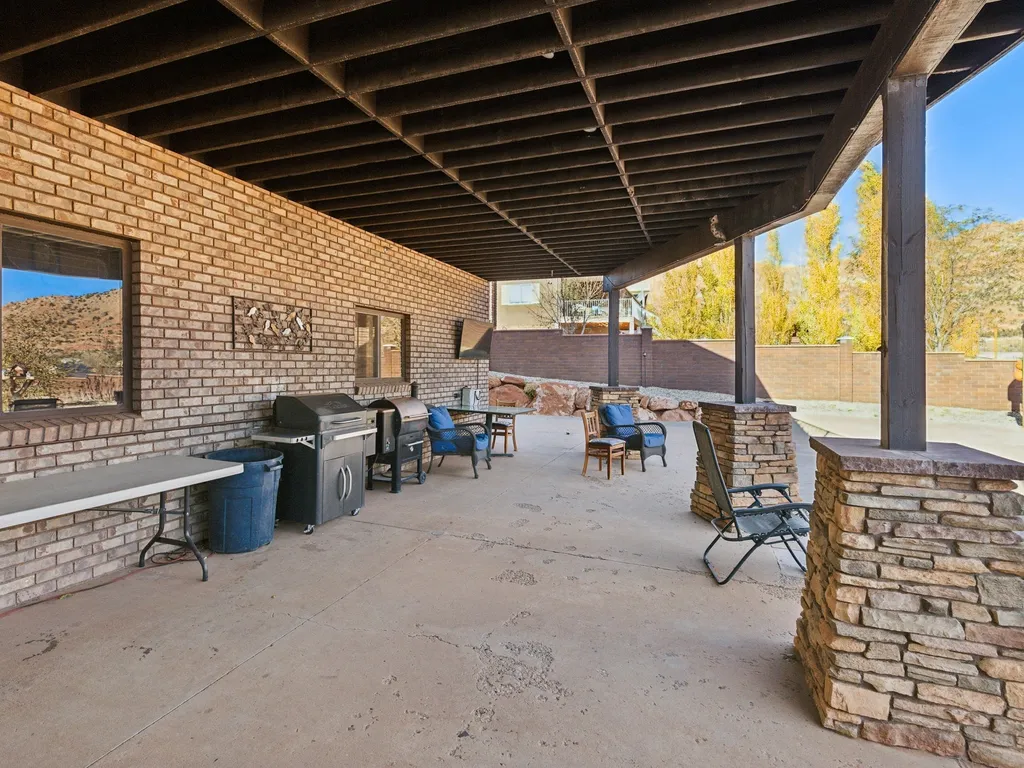


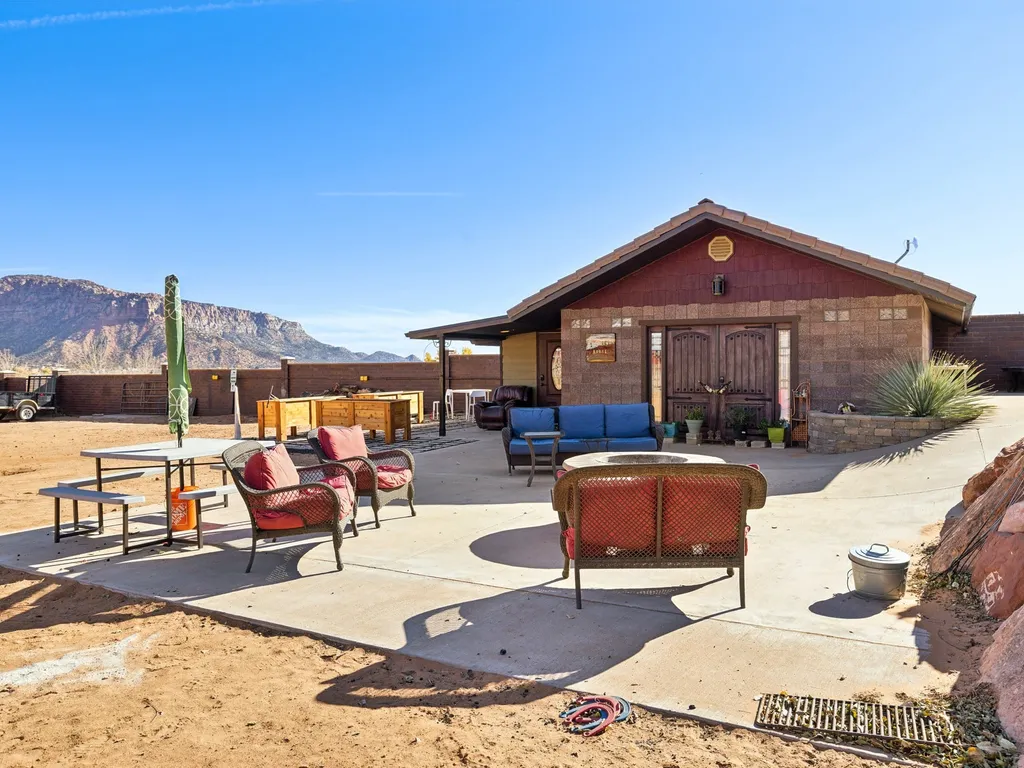

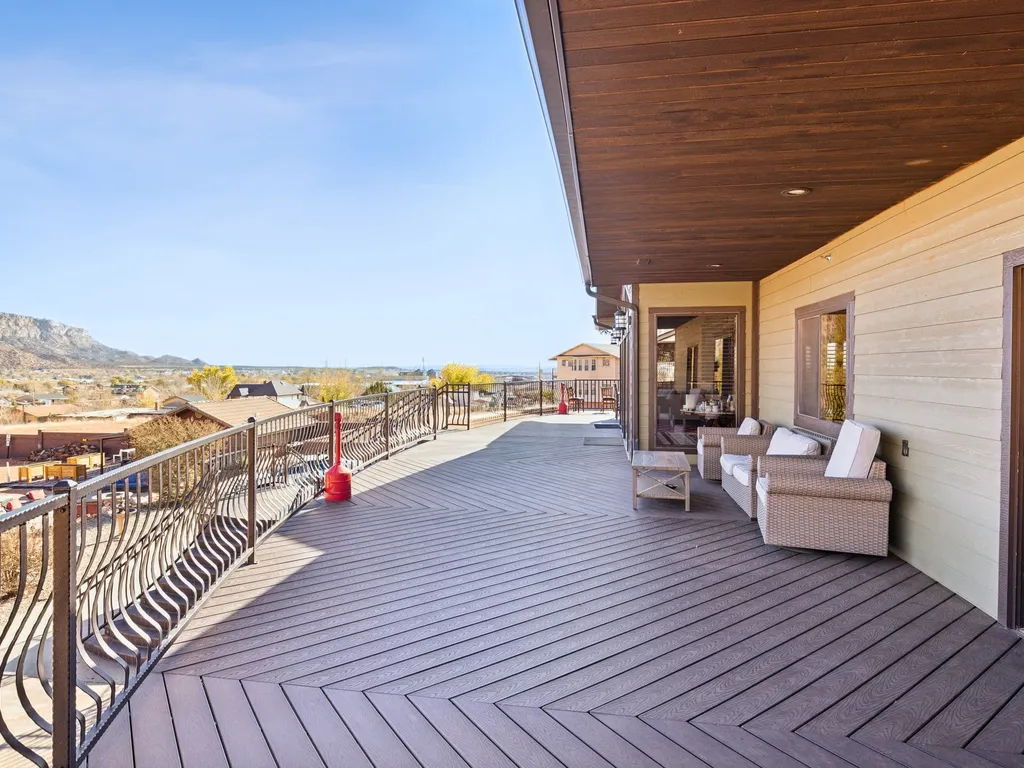


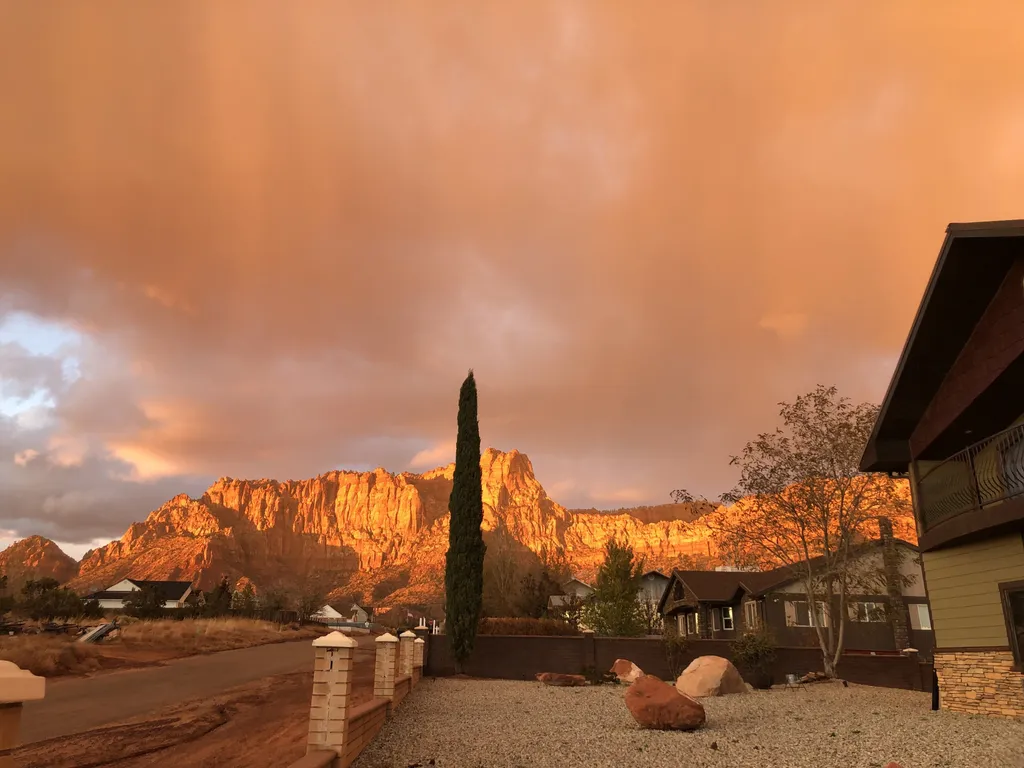


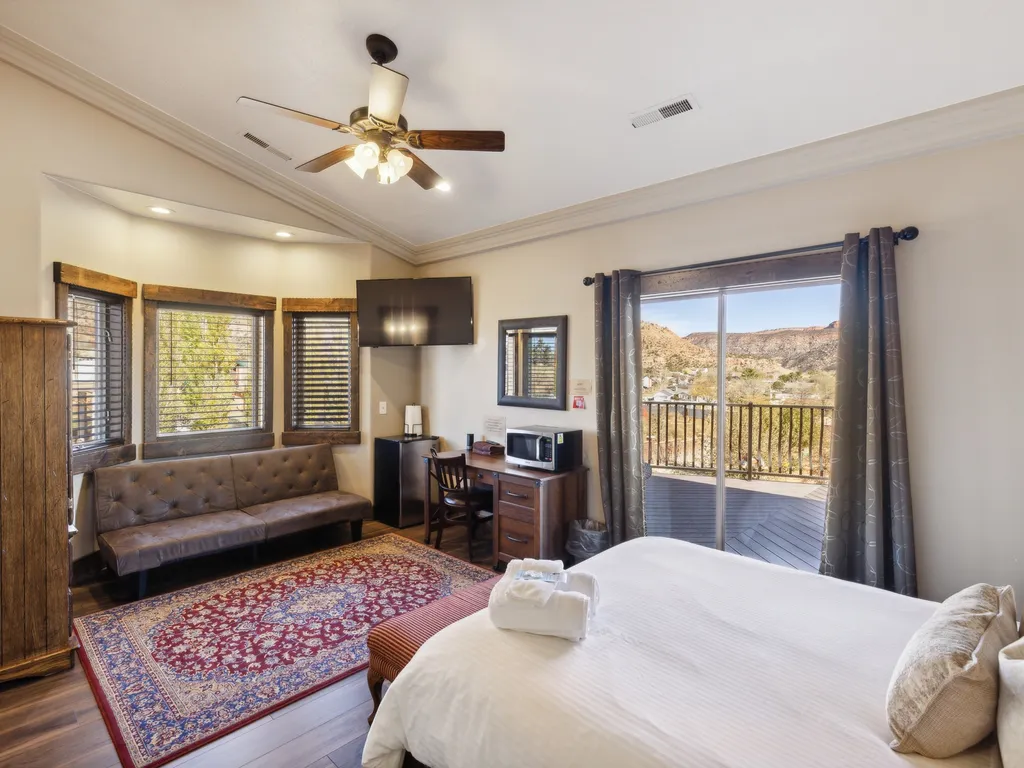
Room 15- Monument Valley
- Free Cancellation

The defining canyon of the American West — 277 river miles long, up to 18 miles wide, a vertical mile from rim to river, and 1.7 billion years of exposed Earth history visible in the walls. Designated a national park in 1919, declared a UNESCO World Heritage Site in 1979. The South Rim is open year-round and accounts for nearly 90% of the park's roughly 4.9 million annual visitors.
The Grand Canyon was carved by the Colorado River over the last six million years through 1.7 billion years of layered sedimentary rock — the longest continuous geologic record exposed at the Earth's surface. Theodore Roosevelt declared it a national monument in 1908 ("leave it as it is — you cannot improve on it"); Congress made it a national park on February 26, 1919; UNESCO inscribed it as a World Heritage Site sixty years later. It is one of the seven natural wonders of the world.
Nearly 90% of visitors come to the South Rim — open year-round, sitting at 7,000 feet on the Coconino Plateau, with Grand Canyon Village, the historic 1905 El Tovar Hotel, the 1914 Hopi House, the 1932 Desert View Watchtower, and Mather Point all within a free shuttle ride of each other. The North Rim is 1,000 feet higher, 220 road-miles further, and only open mid-May through mid-October — quieter, with the most photographed inner-canyon views from Cape Royal and Point Imperial.
Bright Angel Trail and South Kaibab Trail are the two corridor routes from the South Rim down to the Colorado River and Phantom Ranch — neither is a day hike round-trip. Most visitors walk the paved Rim Trail (13 miles, all flat), drive Desert View Drive's 25-mile sequence of overlooks, ride mule trips, take a helicopter scenic flight, or raft the Colorado River through the canyon (multi-day trips, lottery for permits).
A short loop through the exhibits, encounters, and shows that make this stop worth a half-day on its own.
The first overlook most visitors see — Mather Point sits a half-mile from the South Rim Visitor Center on the paved 13-mile Rim Trail. Sunrise and sunset turn the layers from grey to gold to crimson and back. Free shuttle service runs every 15 minutes year-round.
The classic descent from the South Rim — switchbacks down to Indian Garden (4.6 miles, 3,040-foot drop) and onward to the Colorado River and Phantom Ranch (9.5 miles, 4,460 feet). A round-trip day hike to the river is forbidden; rangers strongly recommend turning back at Indian Garden.
Mary Colter's 1932 70-foot stone watchtower at the eastern edge of the South Rim — a working National Park Service interpretive center with Hopi murals by Fred Kabotie, panoramic Colorado River views from the upper observation room, and the trailhead for the Desert View overlooks sequence.
A 7-mile West Rim drive past nine overlooks — Hopi Point, Mohave Point, the Abyss, Pima Point — ending at Hermits Rest, another 1914 Mary Colter design with a stone fireplace and snack bar. Closed to private vehicles March through November; access by free shuttle only.
The 1901 Grand Canyon Railway runs daily round-trip rail service from Williams, Arizona (65 miles south on Route 66) to the Grand Canyon Depot, two blocks from the South Rim. Vintage cars, costumed performers, and a 2.5-hour journey each way — historically the busiest rail-to-park line in the country.
The original Bright Angel mule trips have run daily since 1887 — an overnight ride down to Phantom Ranch on the Colorado River, with Xanterra-operated stays at the Mary Colter-designed lodge dating to 1922. Demand is so high the Phantom Ranch lottery runs 15 months in advance.
Multi-day commercial and private rafting trips run from Lees Ferry through 277 river miles of the canyon to Diamond Creek or Pearce Ferry — the most legendary stretch of whitewater in North America. Private trips run a 20-year permit lottery; commercial trips run April through October.
Charles Whittlesey's 1905 Mission Revival hotel sits twenty feet from the South Rim — a designated National Historic Landmark, fourteen of its first guests including Theodore Roosevelt and Albert Einstein. Hopi House, Bright Angel Lodge, and Lookout Studio sit within a quarter-mile, all by Mary Colter.
South Rim is open 24 hours a day, year-round. North Rim is seasonal — open mid-May through mid-October only; closes for snow. The Desert View Drive (East Rim) and Hermit Road (West Rim) shuttles operate seasonally with route variations.
Note · Hermit Road is closed to private vehicles March through November — visitors use the free Hermits Rest Route shuttle from Grand Canyon Village.
Per-person admission. Buy in advance to skip the gate line.
Children 15 and under enter free. The America the Beautiful pass covers entry but not concessionaire-run tours, mule rides, or backcountry permits. Free entrance days are observed several times a year. Most South Rim visitors stay 4–6 hours; consider 2 nights to access Bright Angel Trail, Hermits Rest, and Desert View without rushing.
Plan your visitHotel Room81 mi1 / 53Photo 1 of 53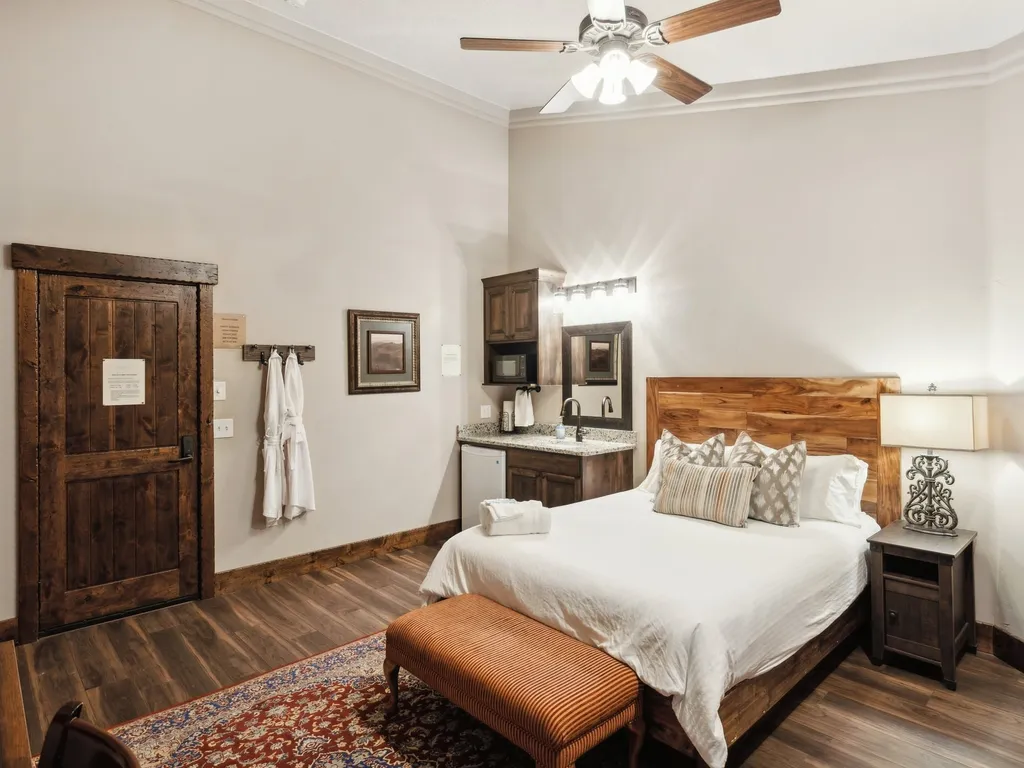 Hotel Room81 mi1 / 52Photo 1 of 52
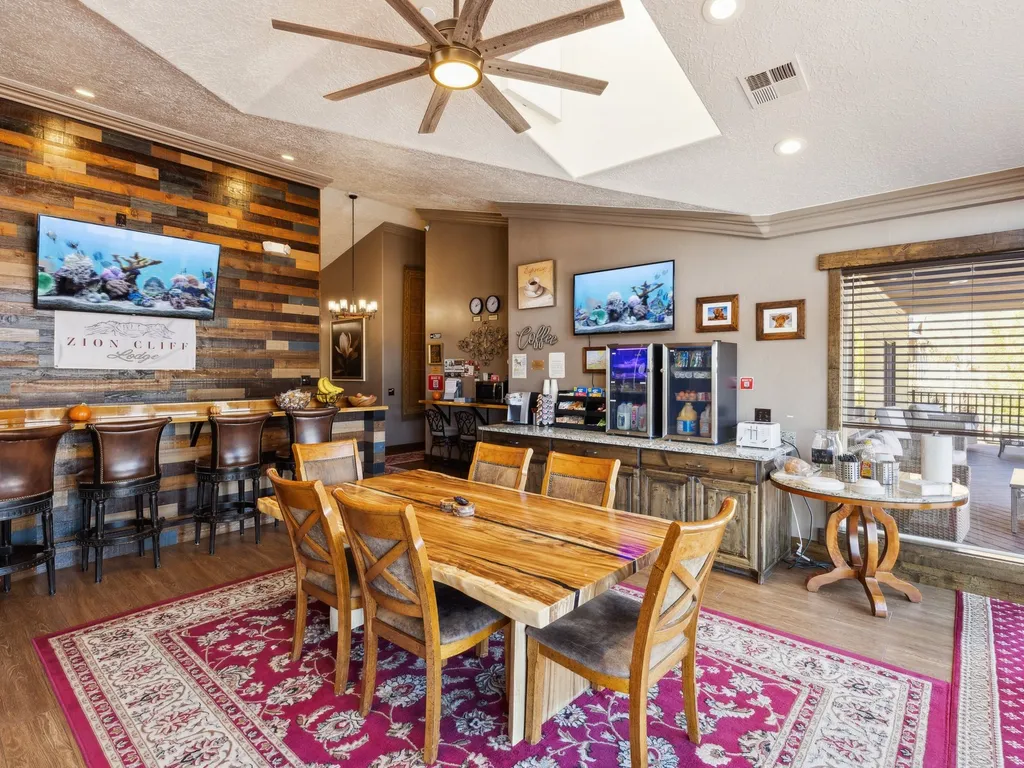 Hotel Room81 mi1 / 52Photo 1 of 52
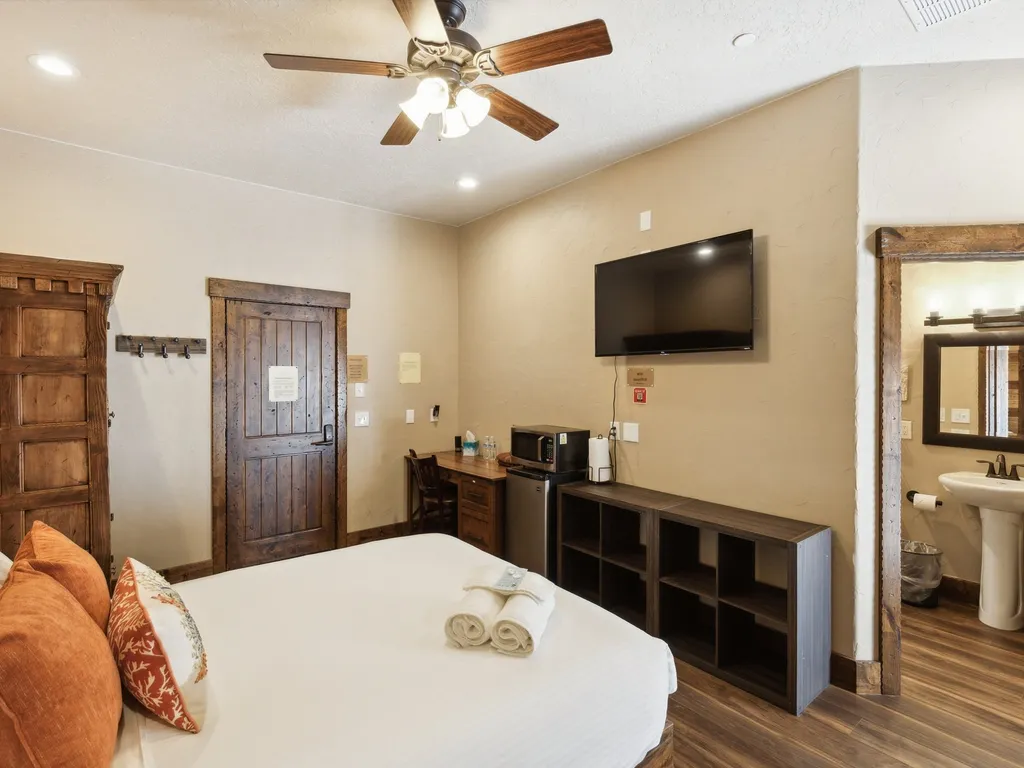 Hotel Room81 mi1 / 50Photo 1 of 50
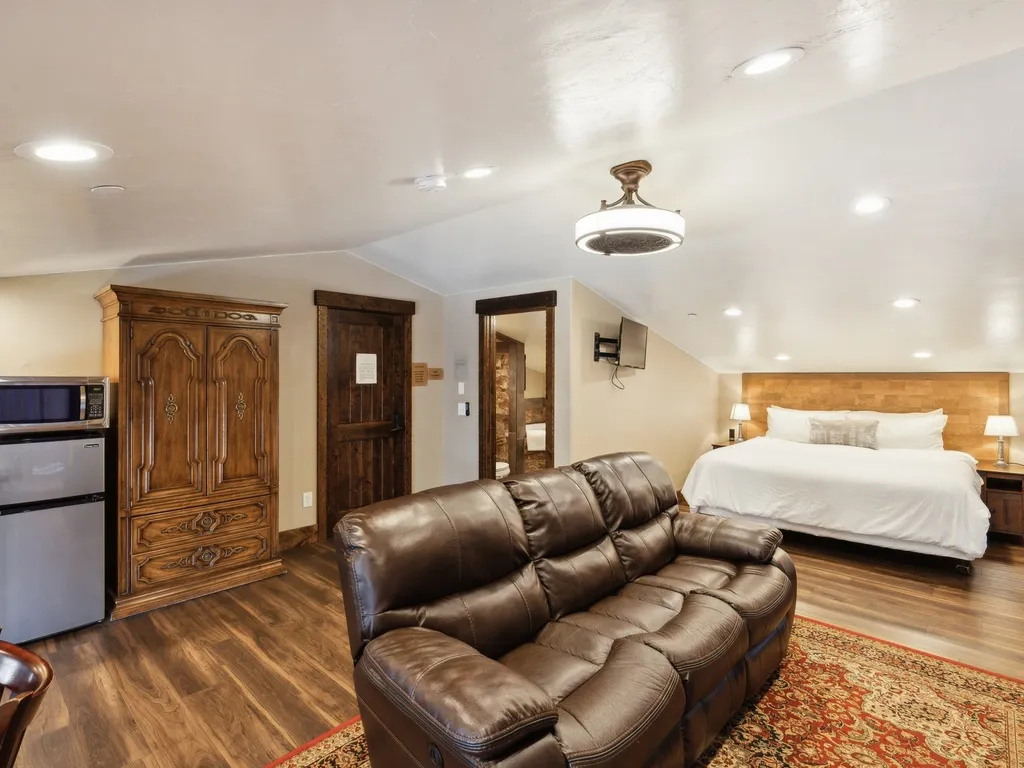 suite81 mi1 / 51Photo 1 of 51
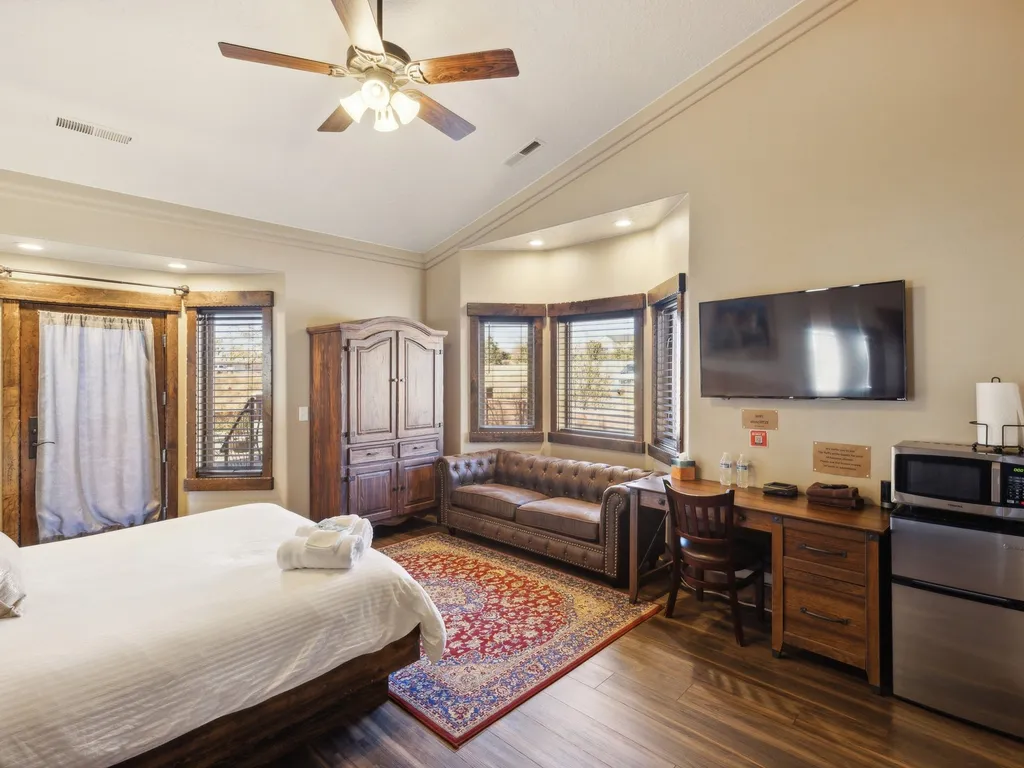 Hotel Room81 mi1 / 52Photo 1 of 52
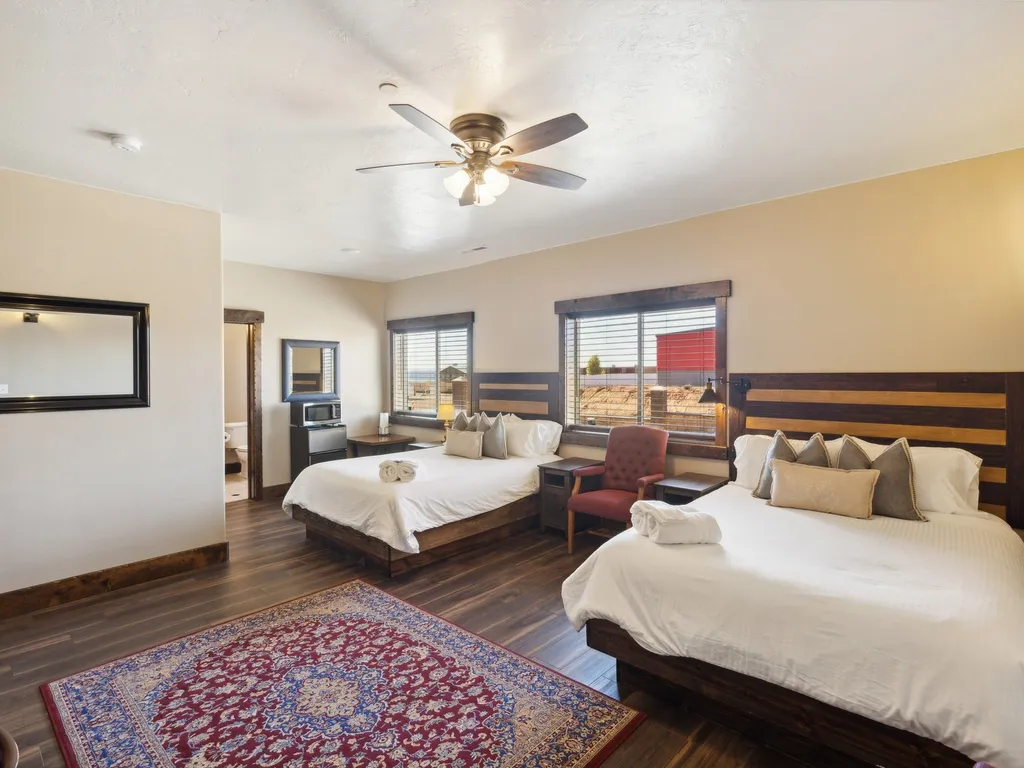 Hotel Room81 mi1 / 52Photo 1 of 52
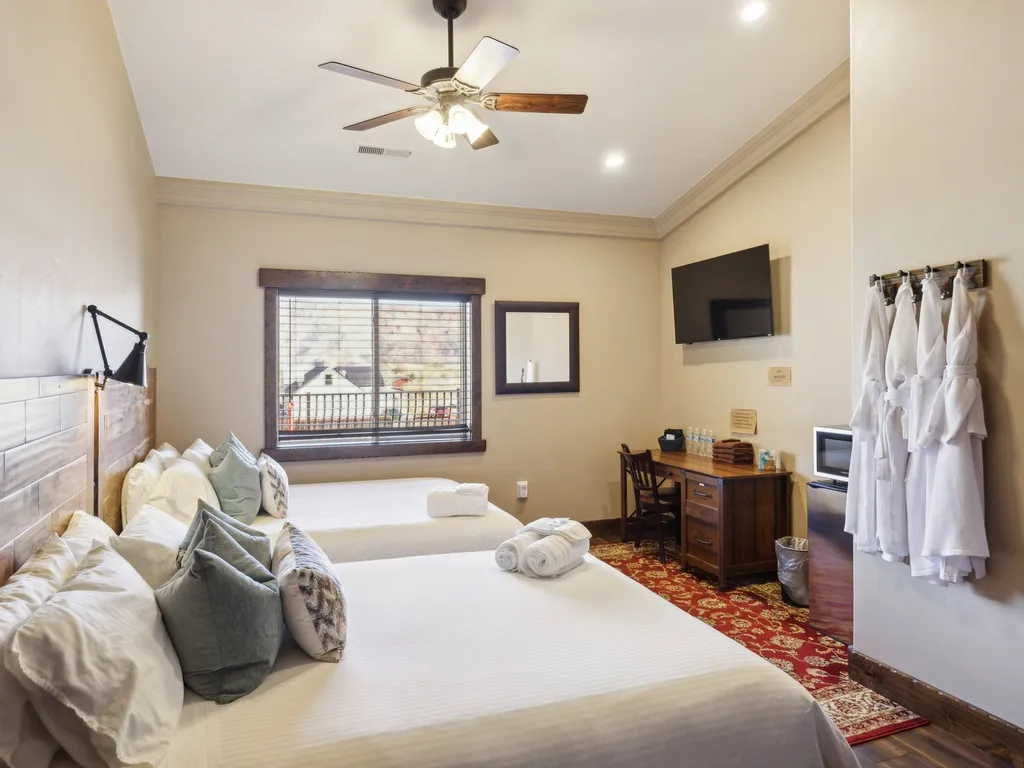 Hotel Room81 mi1 / 52Photo 1 of 52
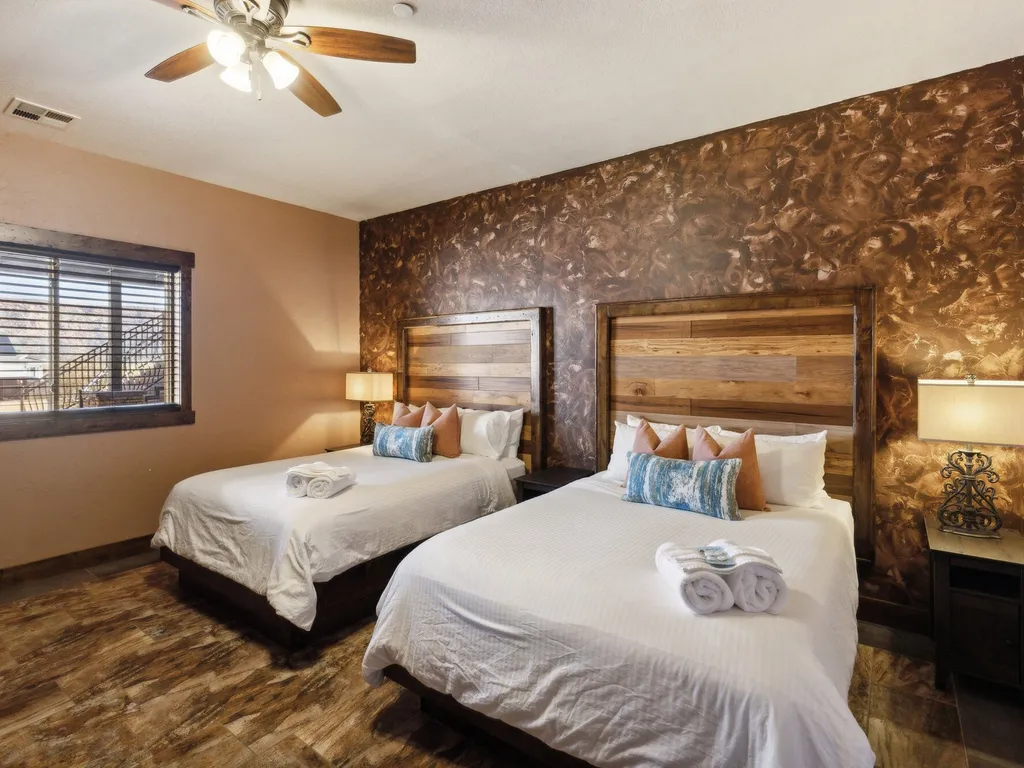 Hotel Room81 mi1 / 54Photo 1 of 54
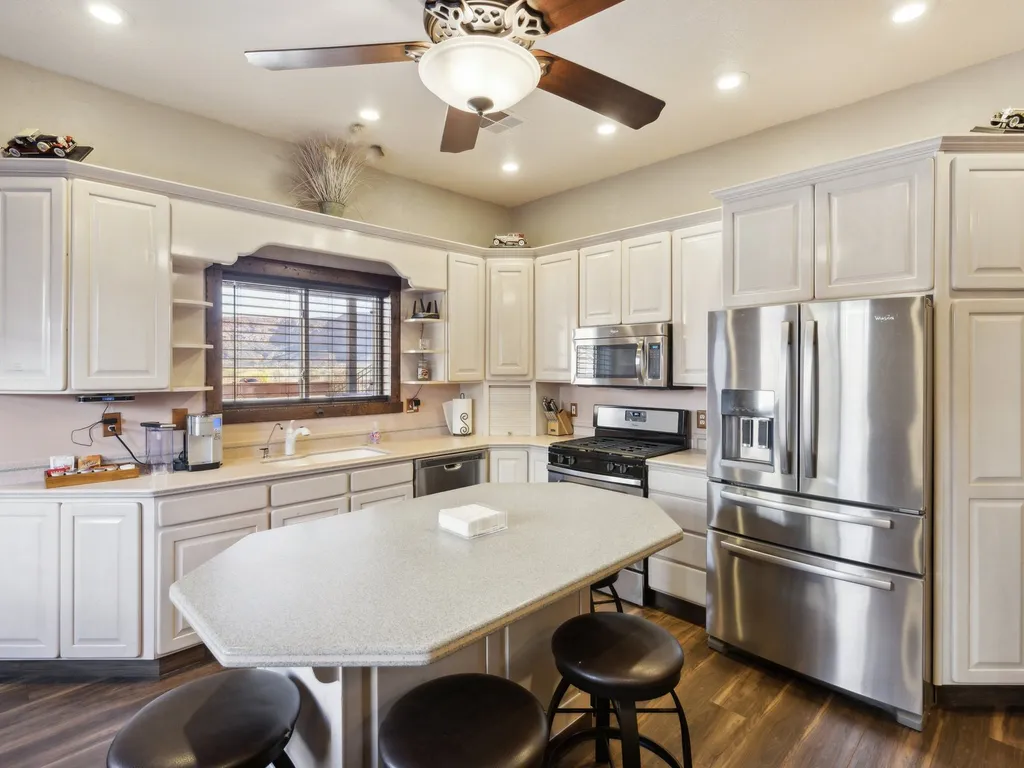 apts81 mi1 / 52Photo 1 of 52
 suite81 mi1 / 51Photo 1 of 51
 home97 mi1 / 87Photo 1 of 87