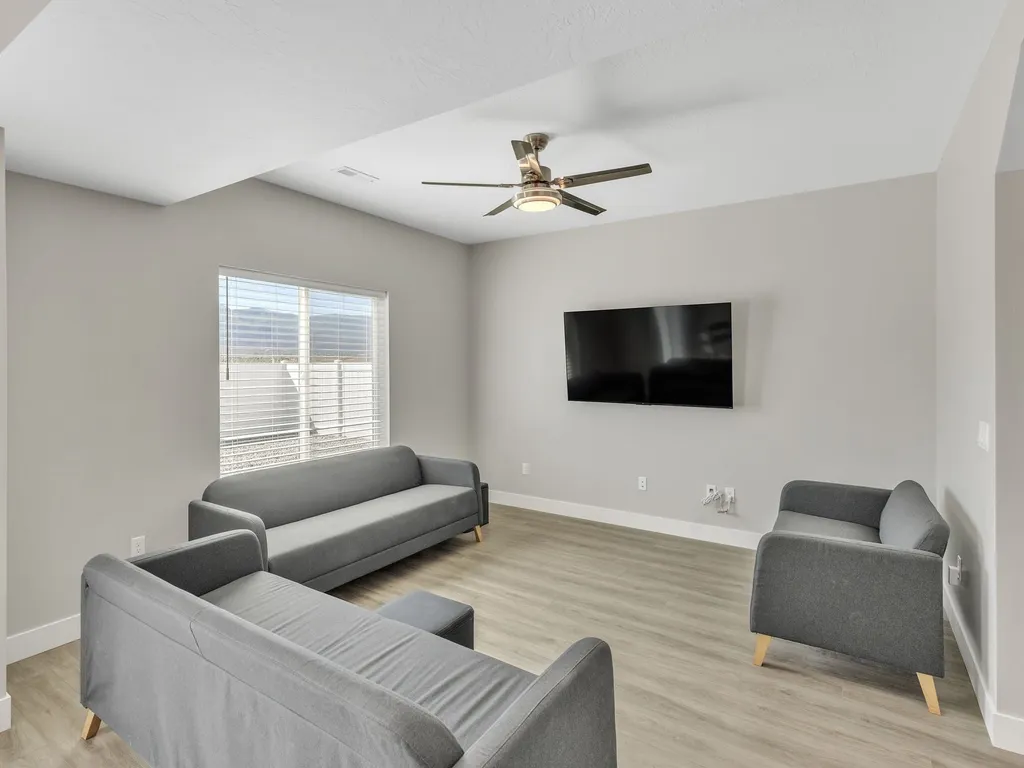
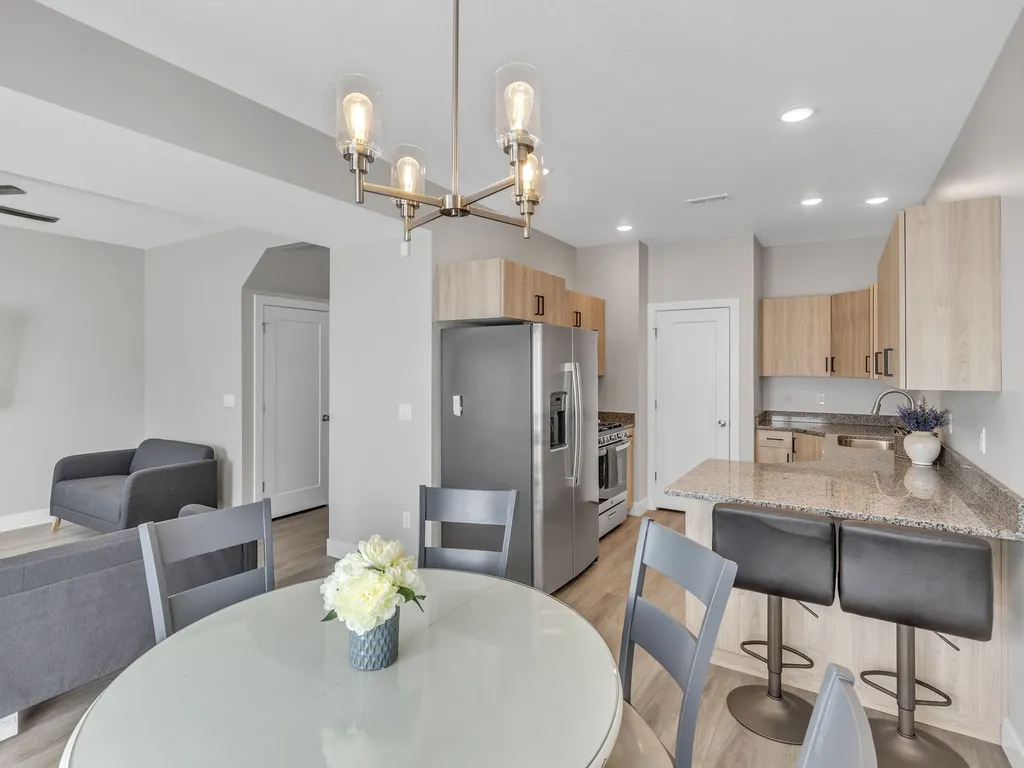
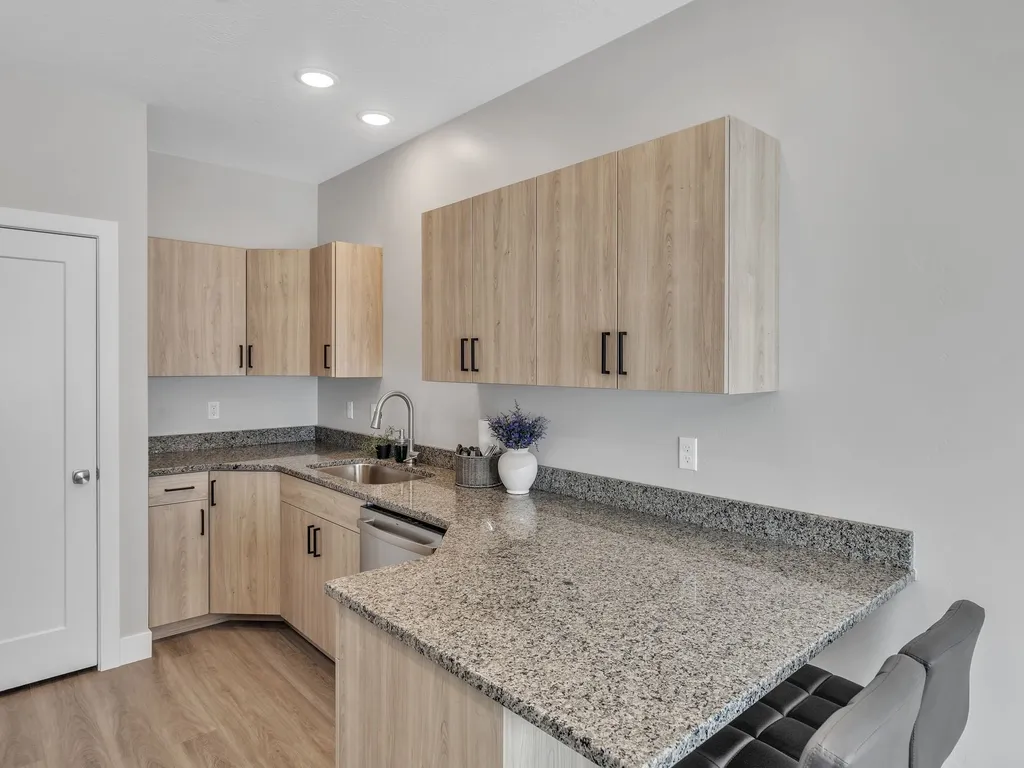
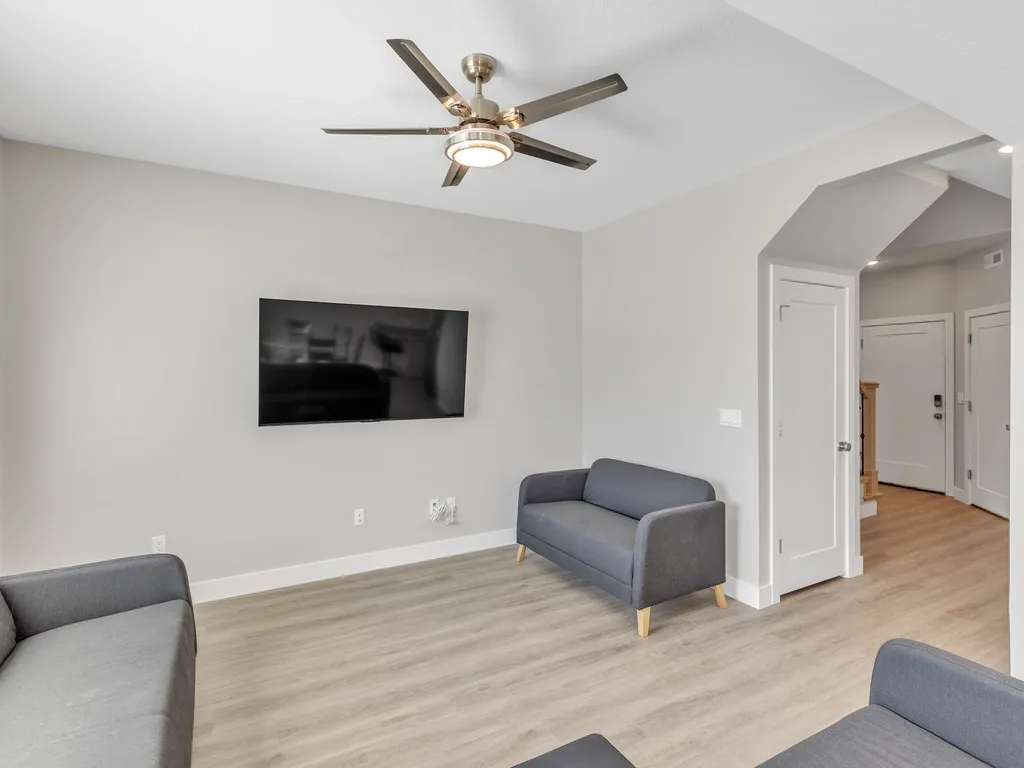
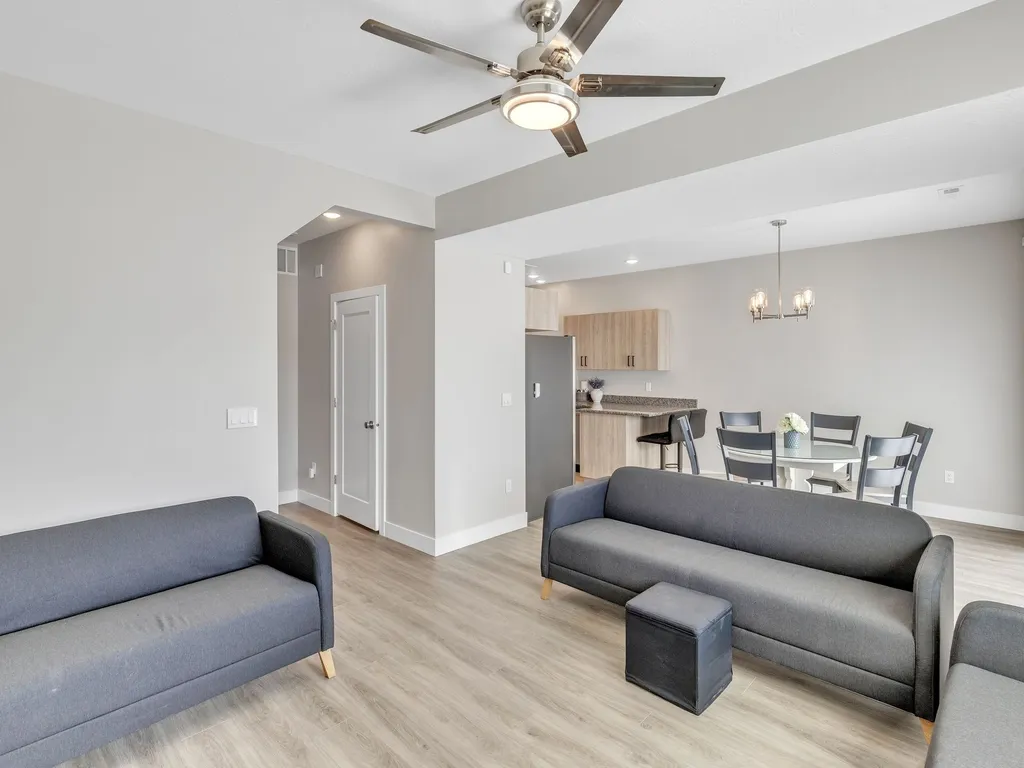
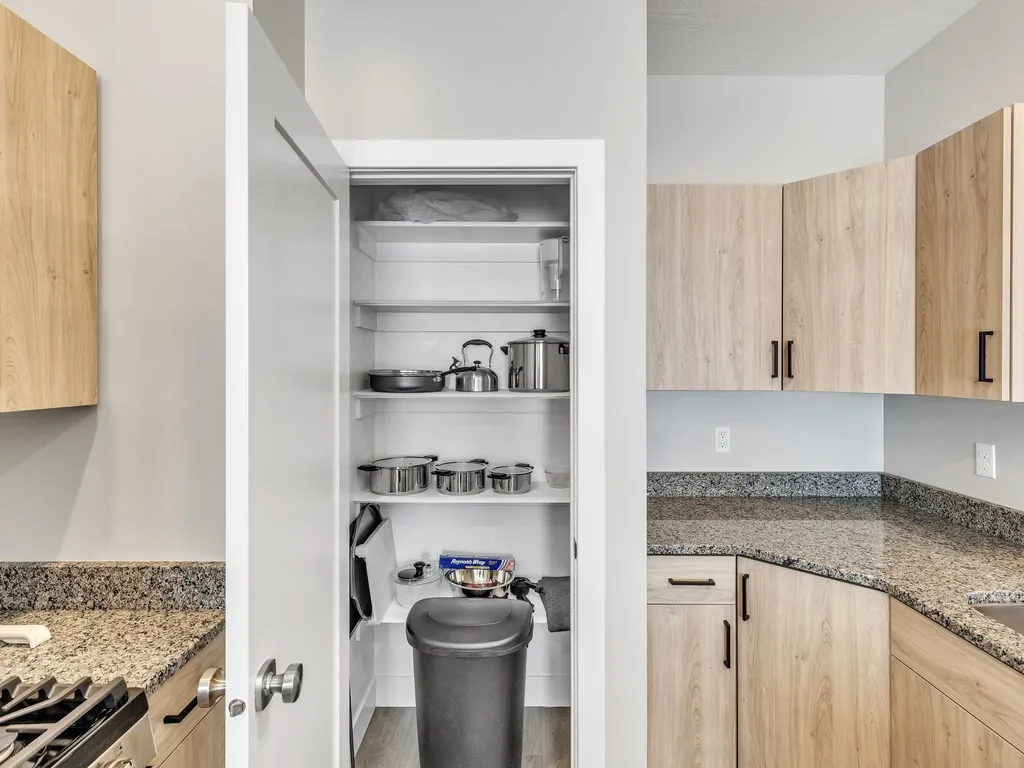
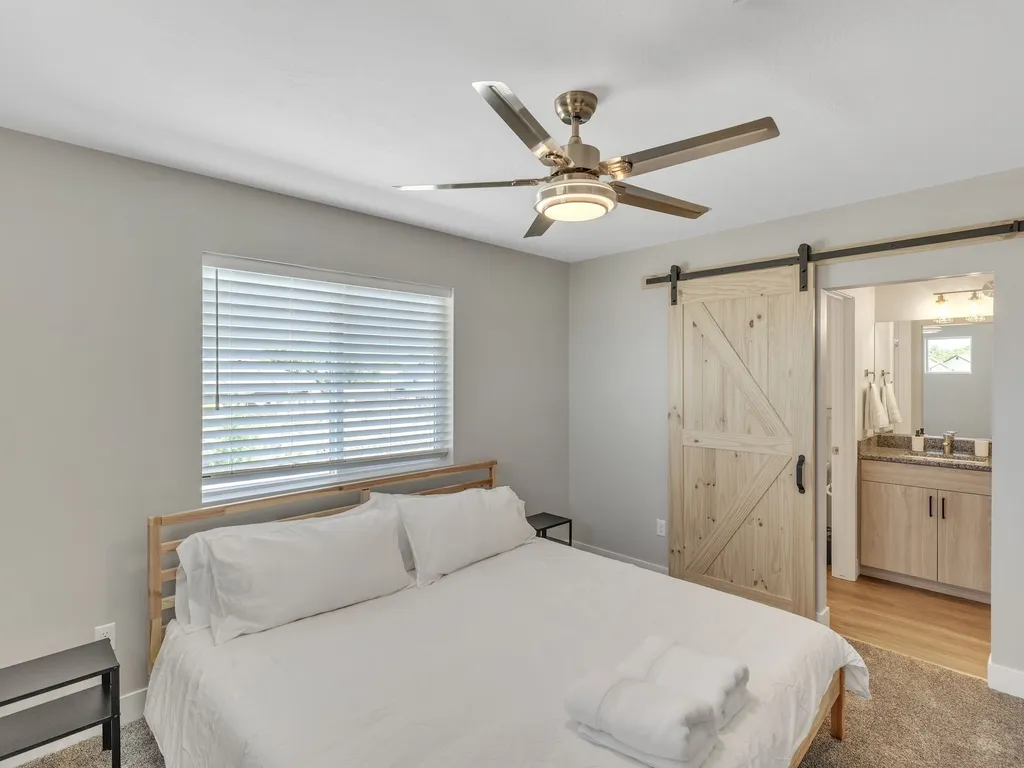
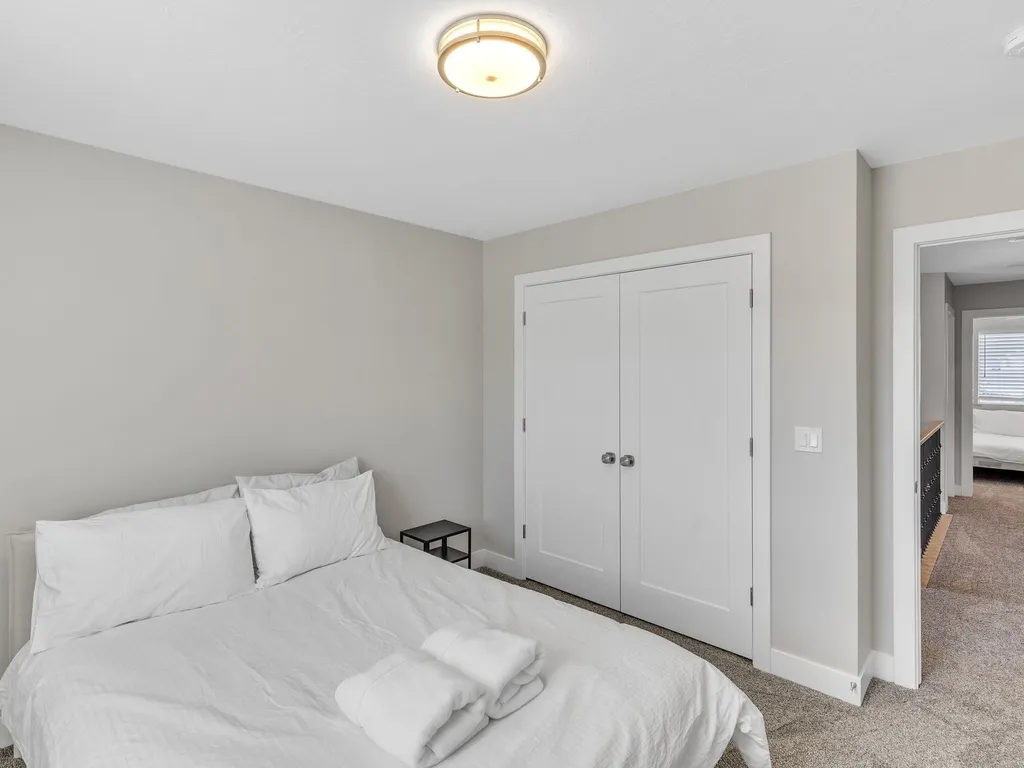
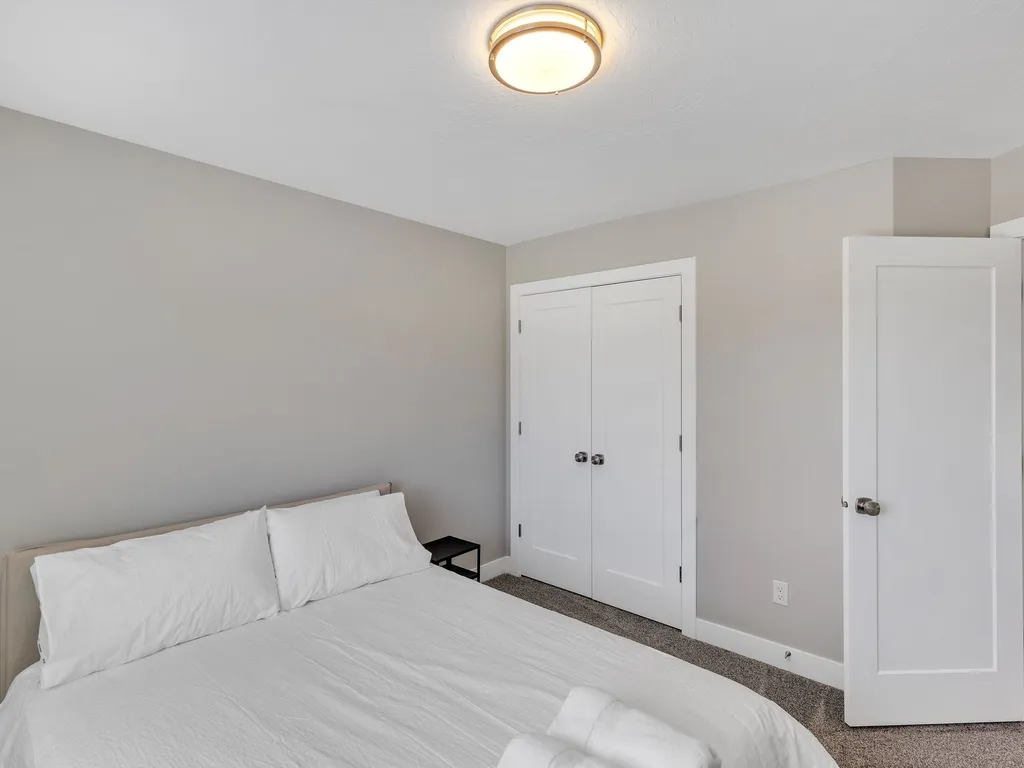
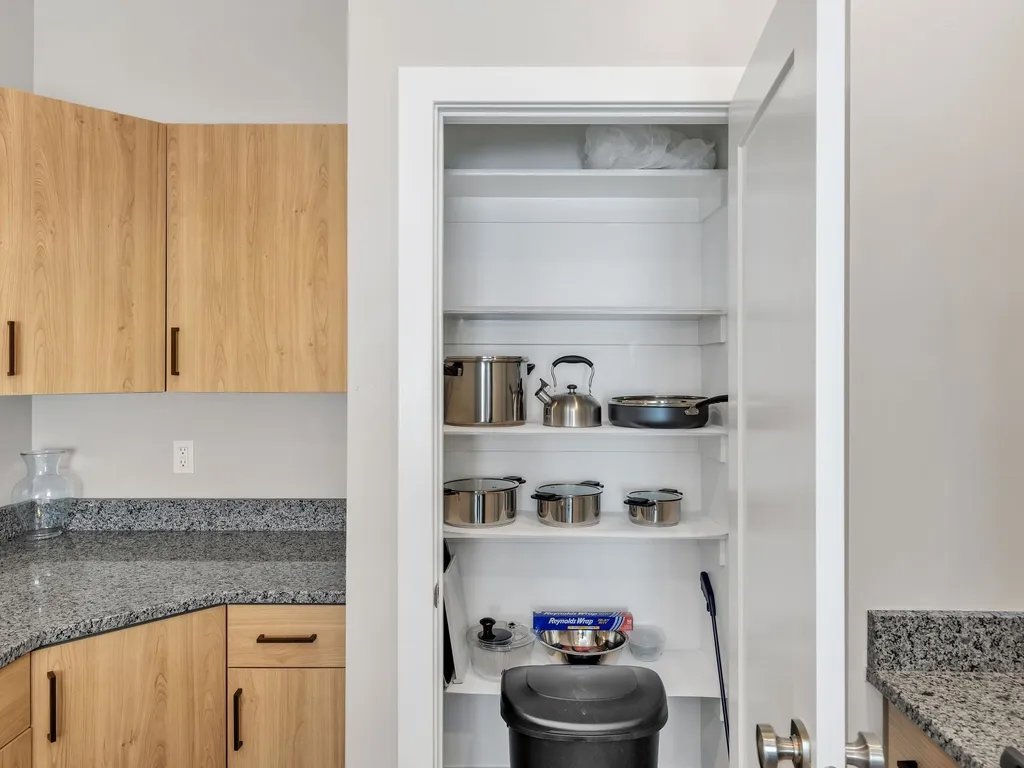
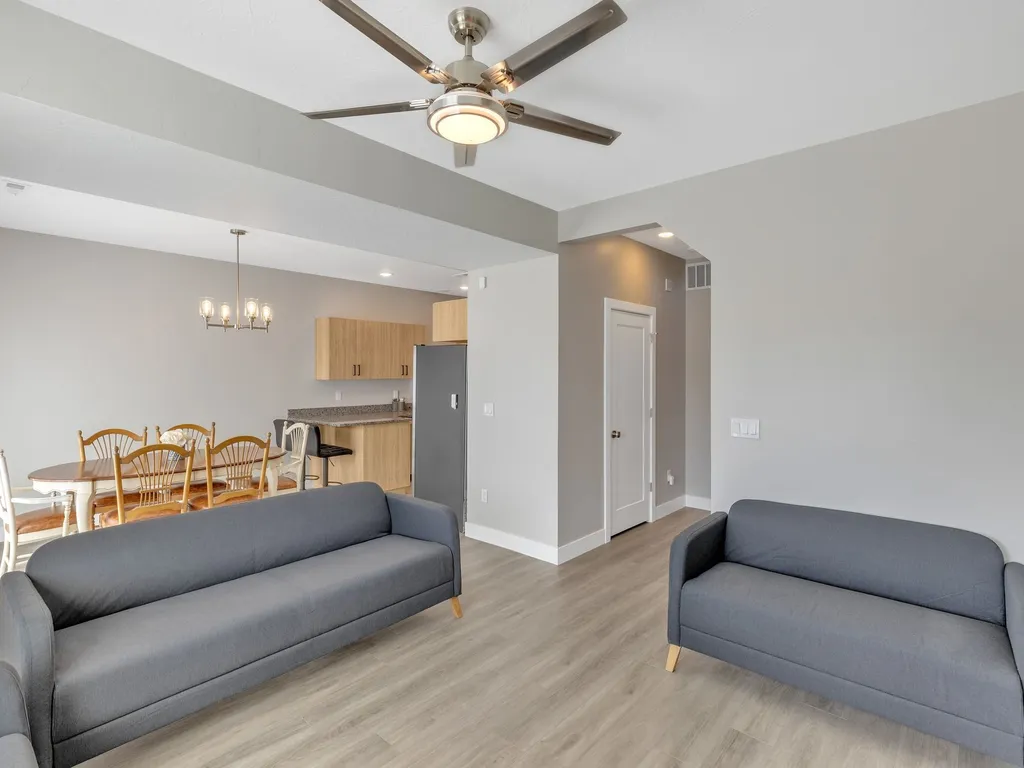
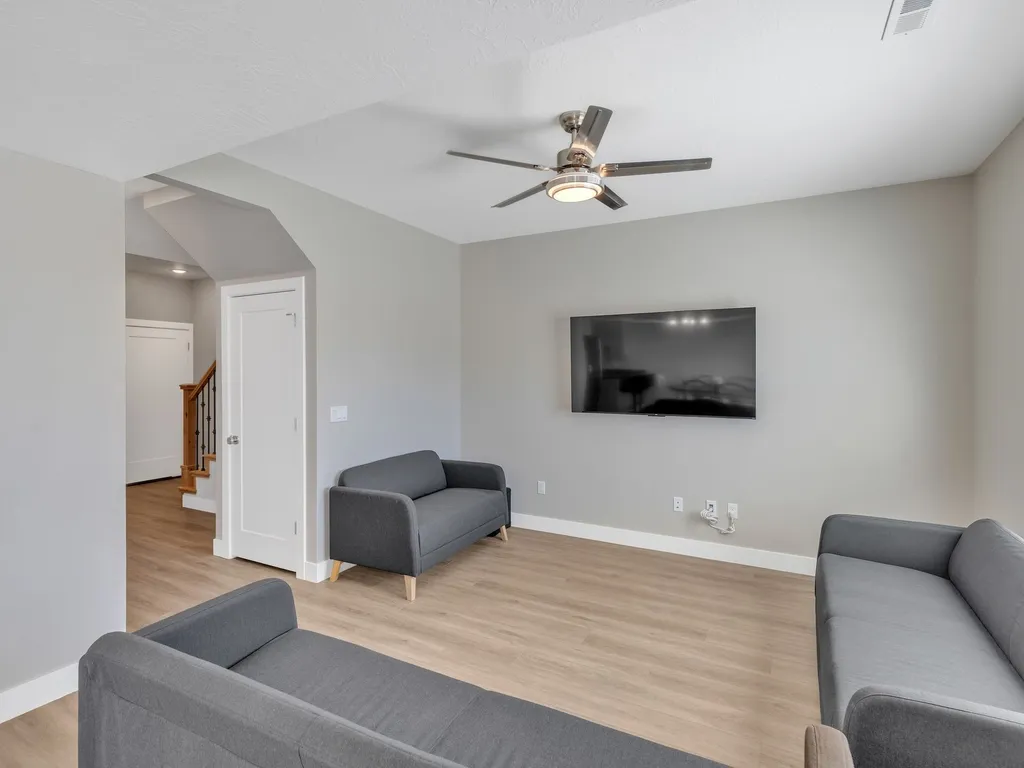
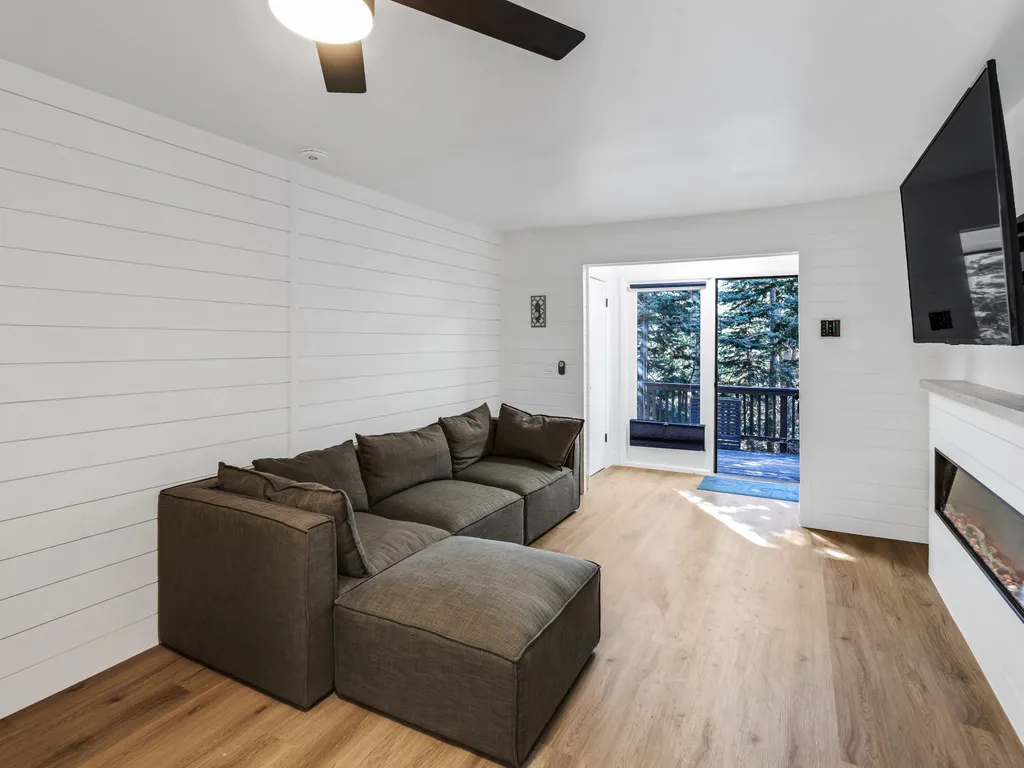
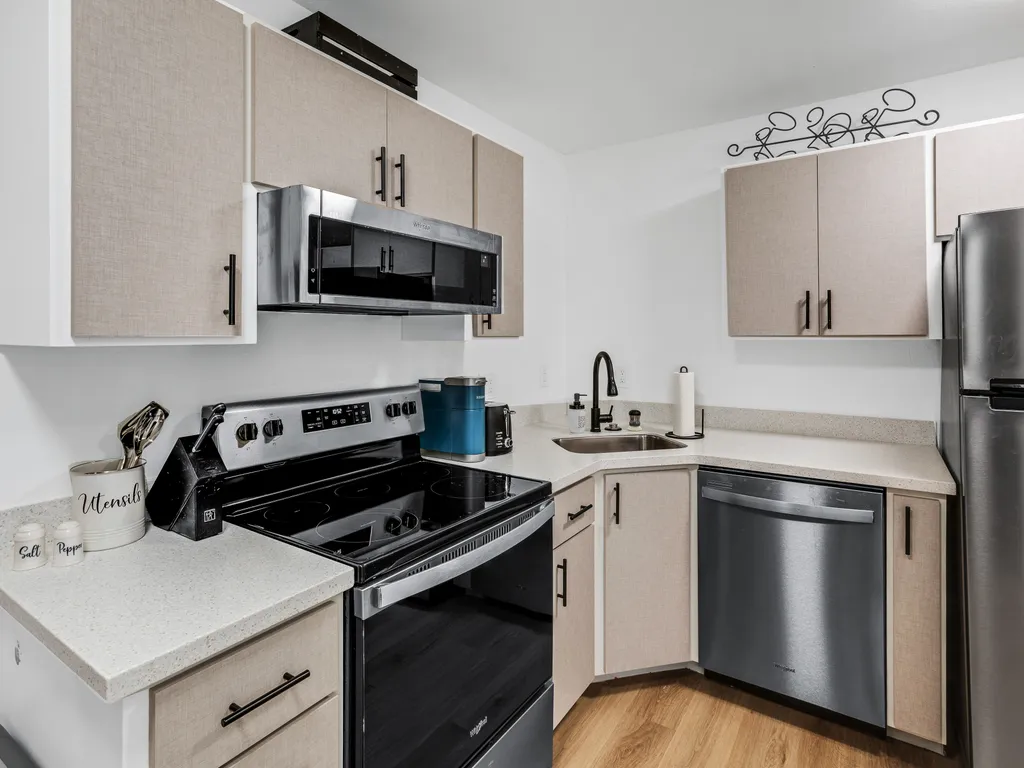
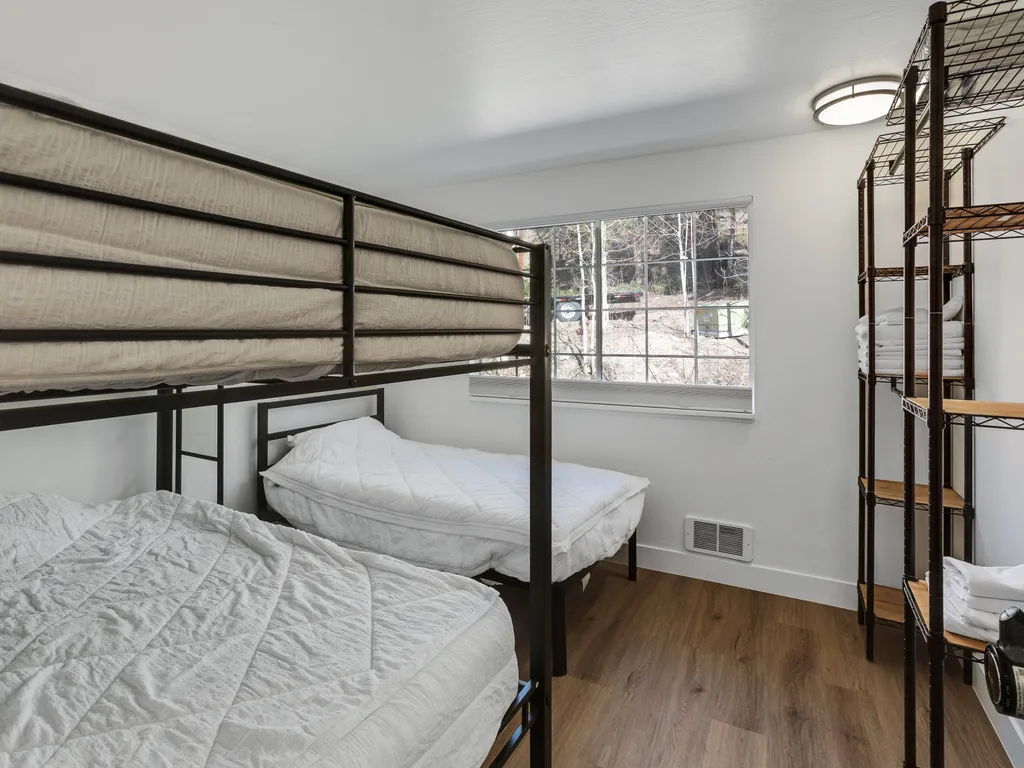
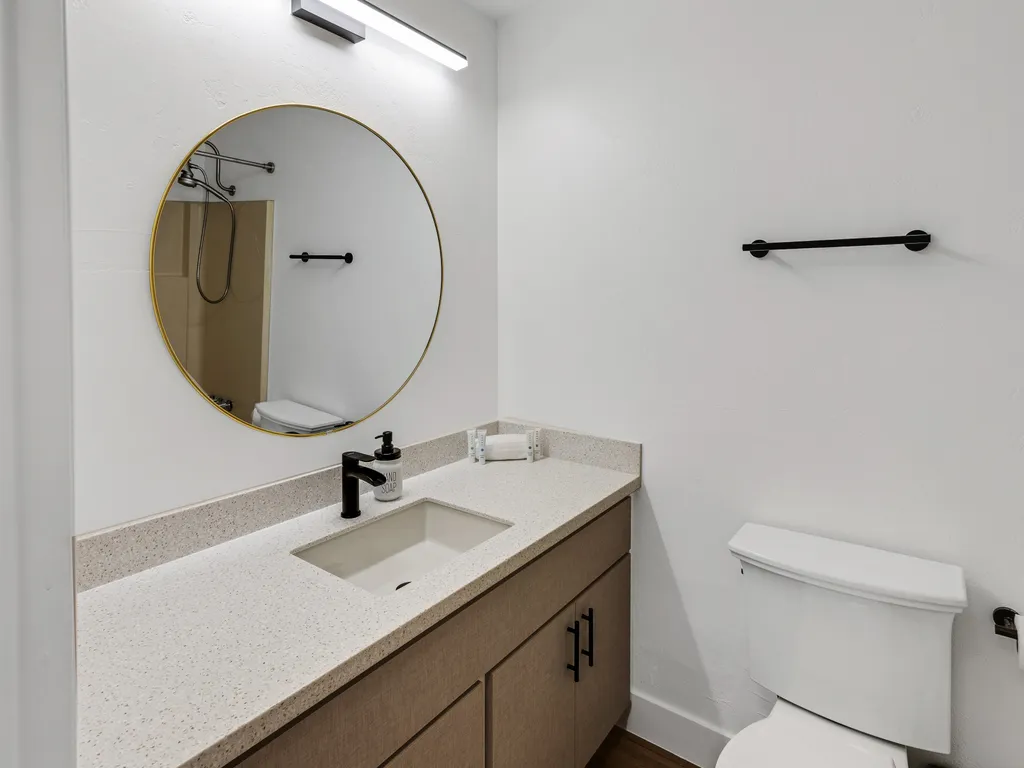
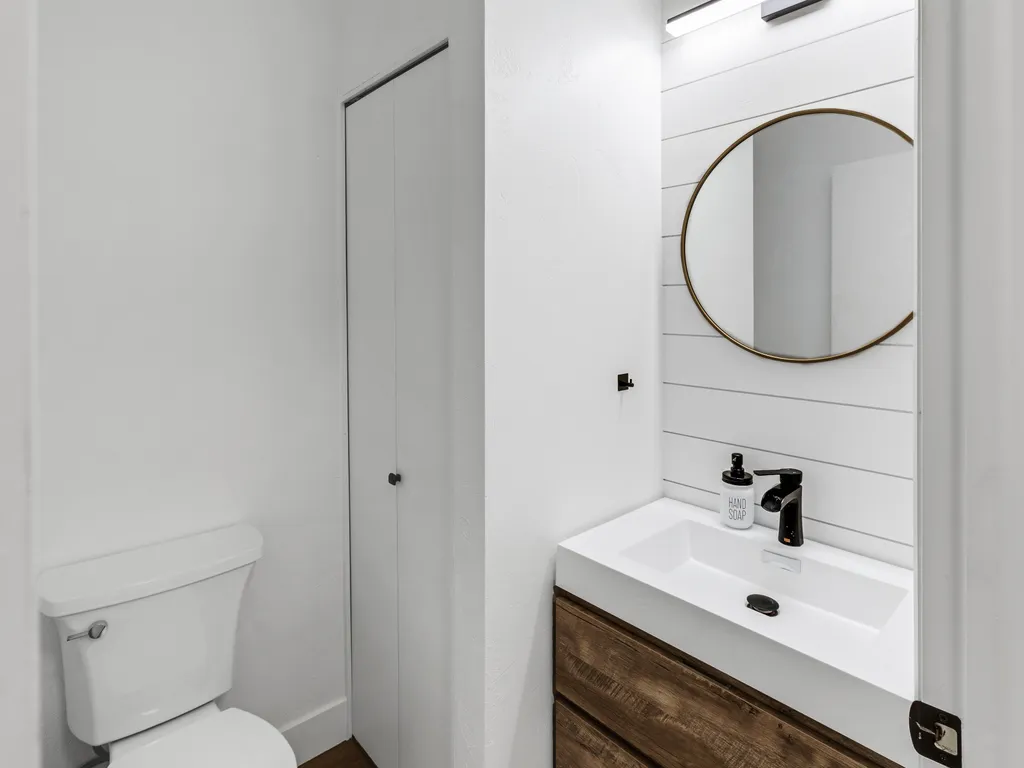
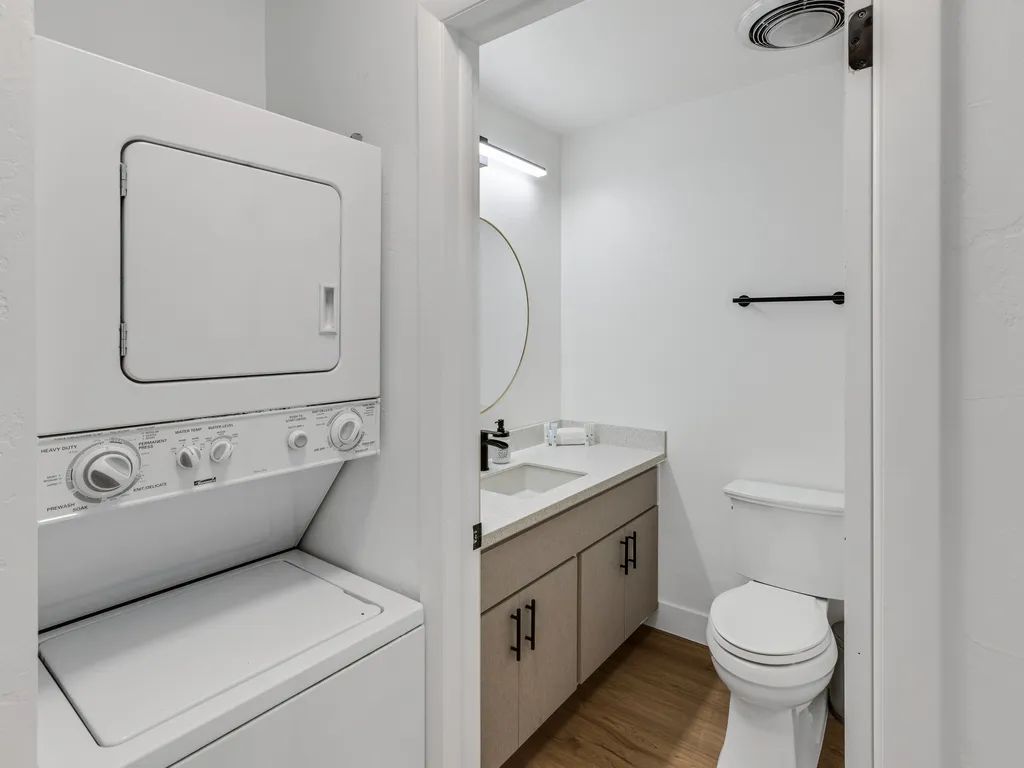
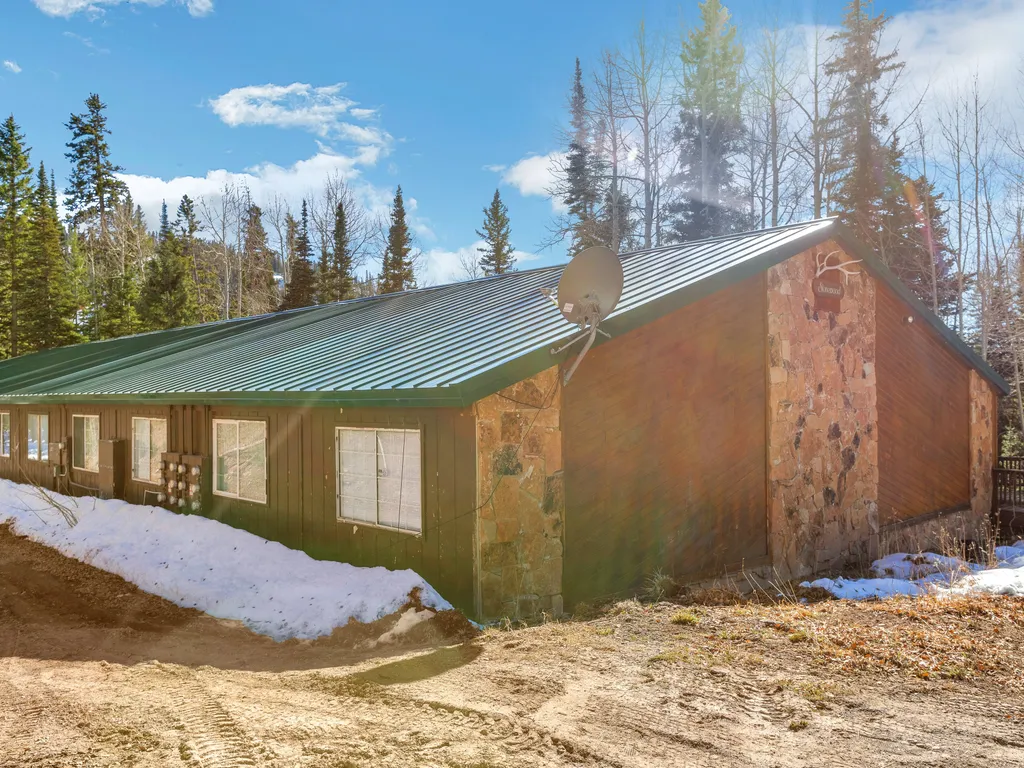
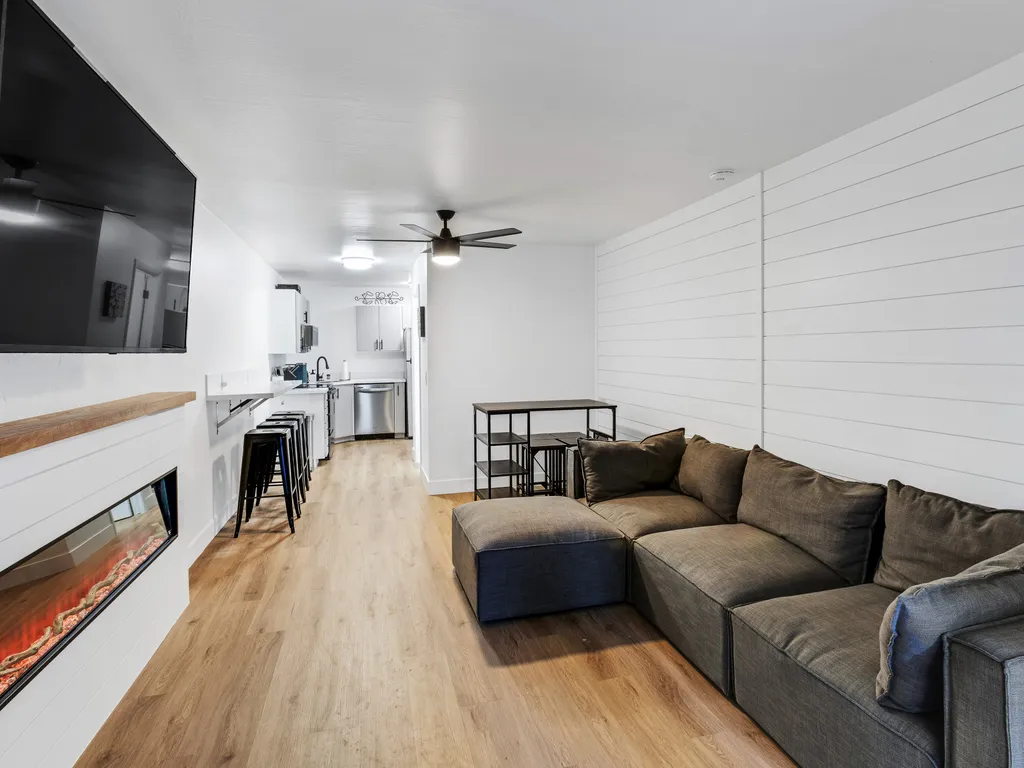
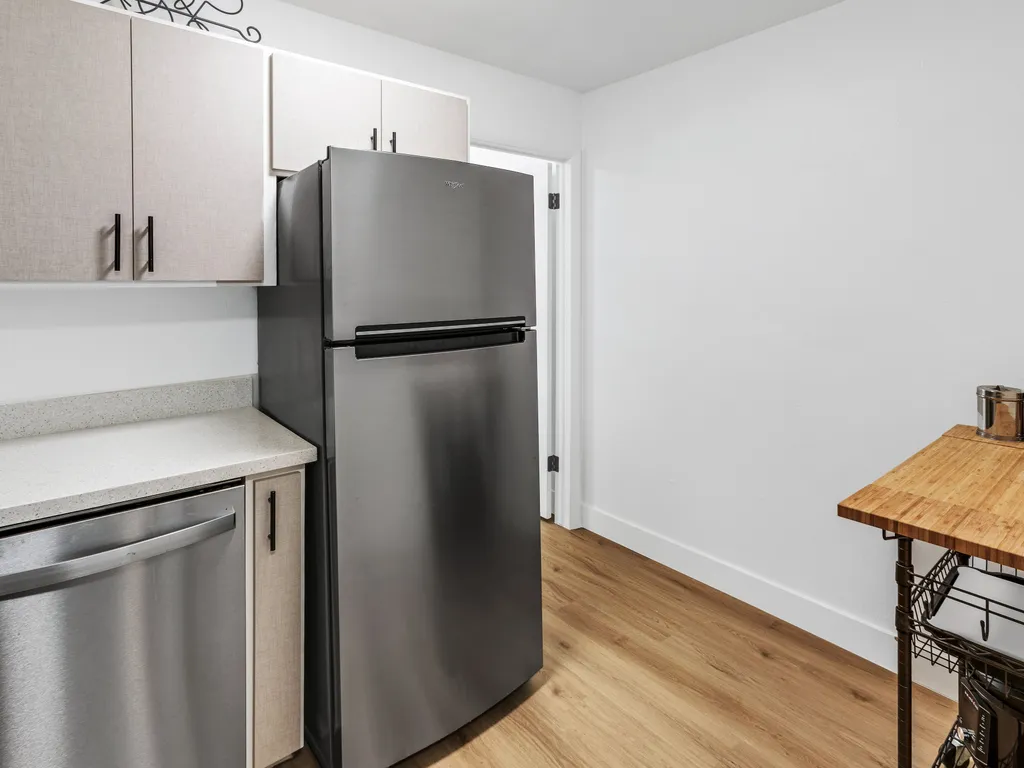
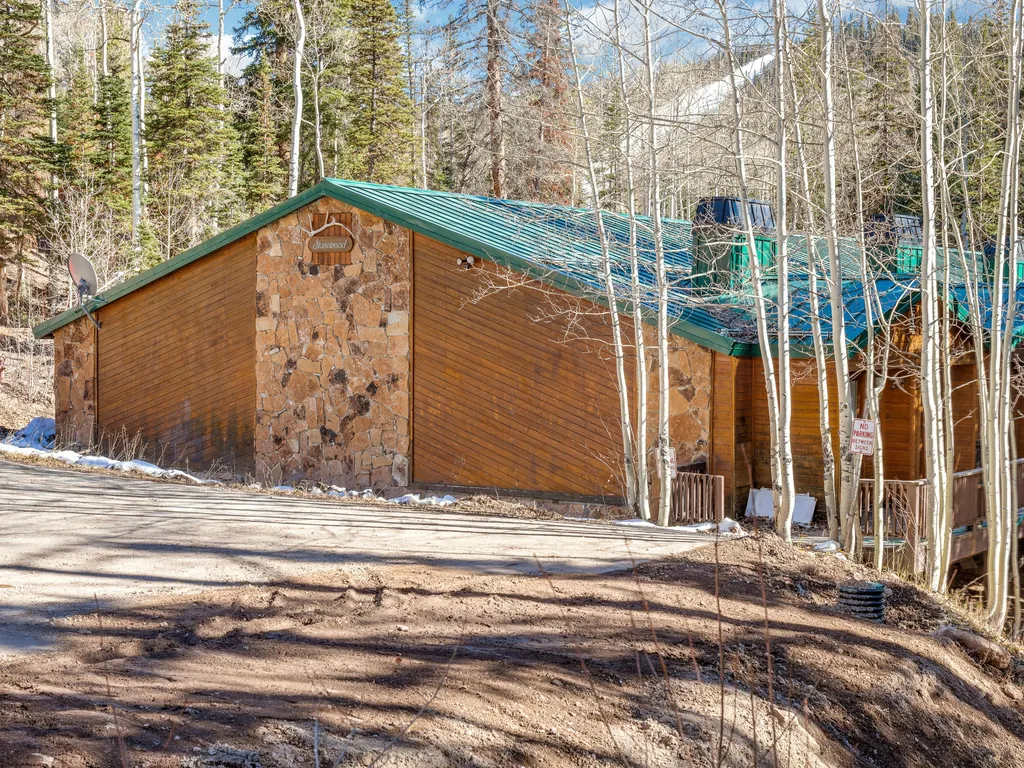
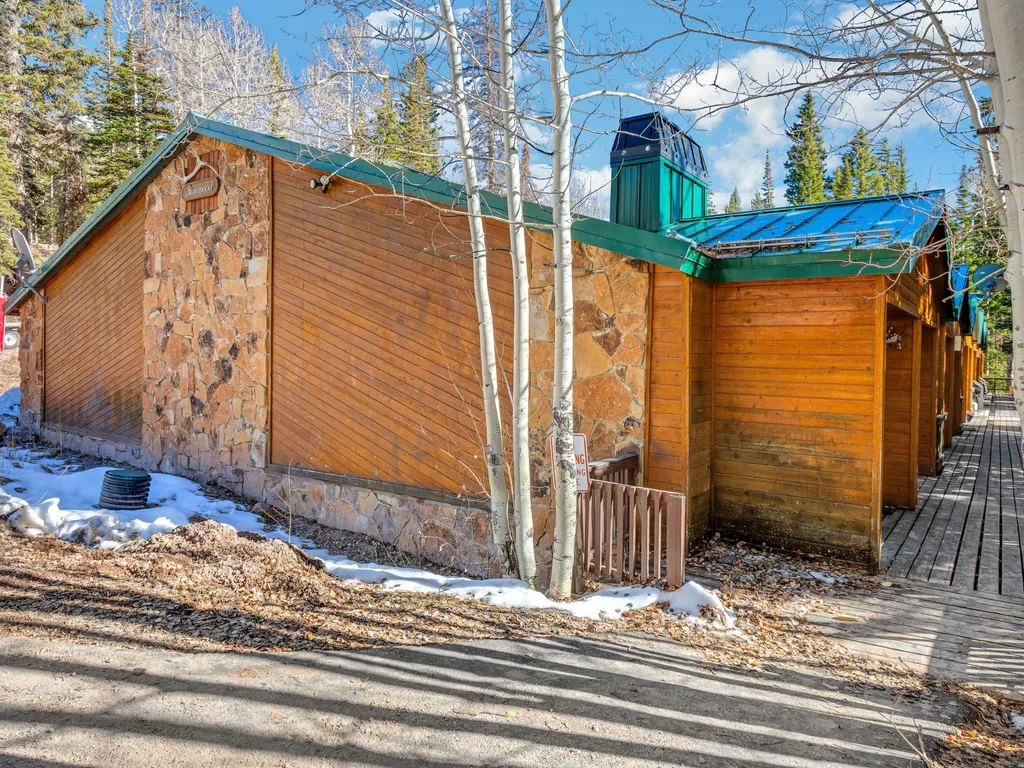
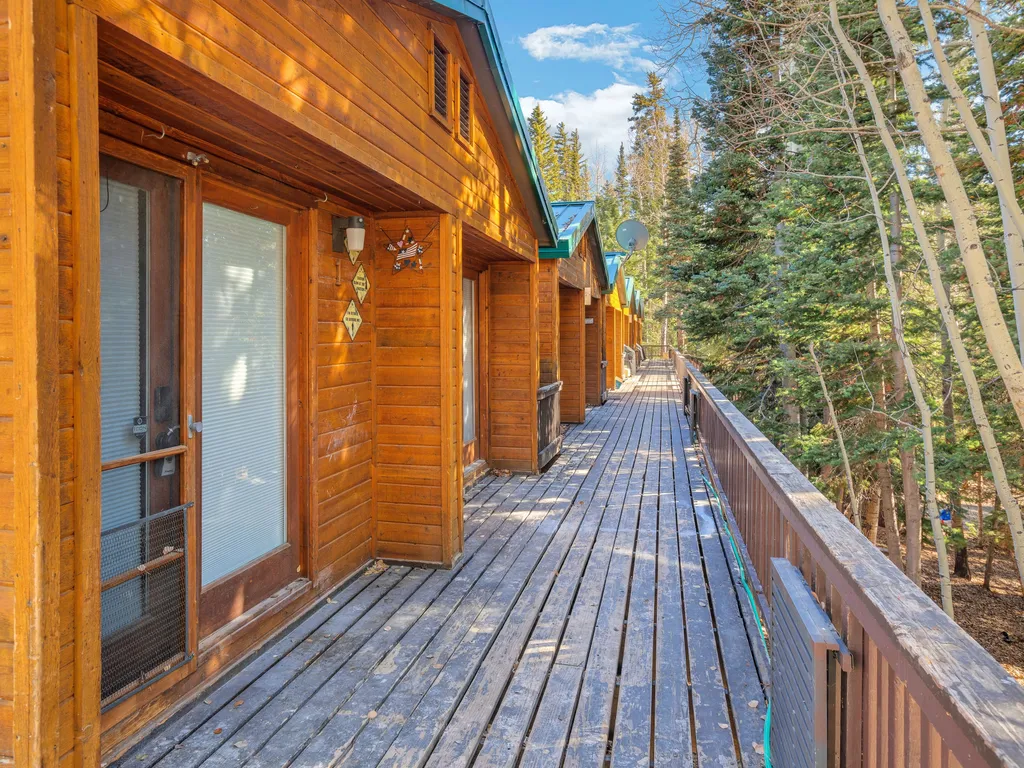
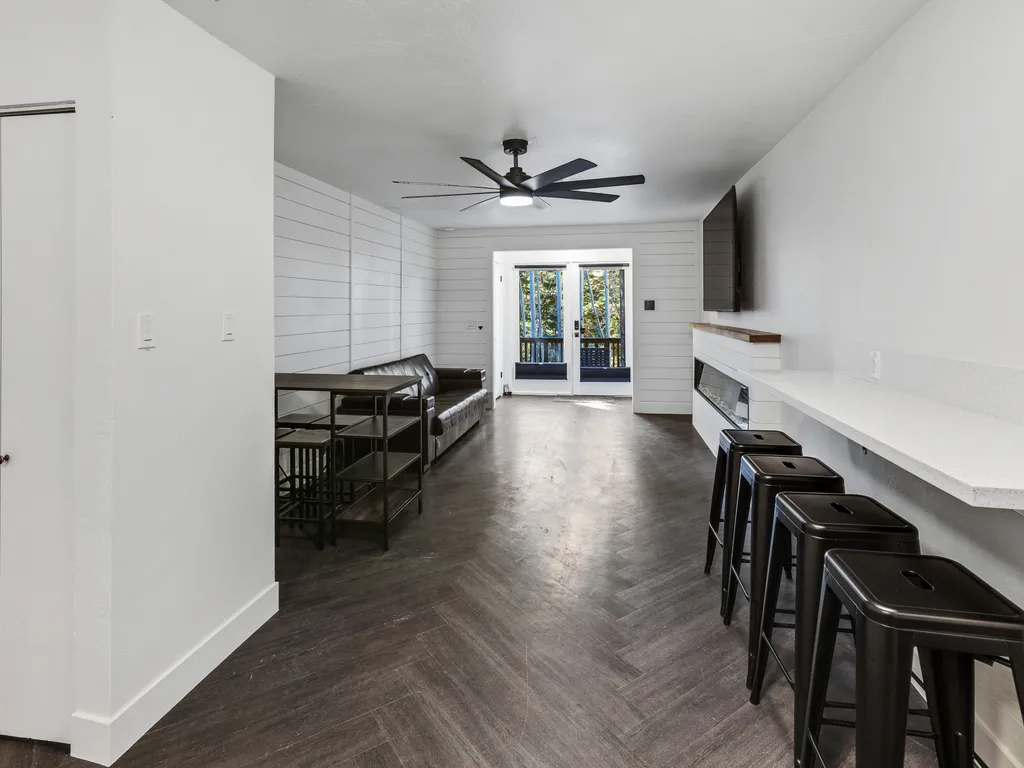
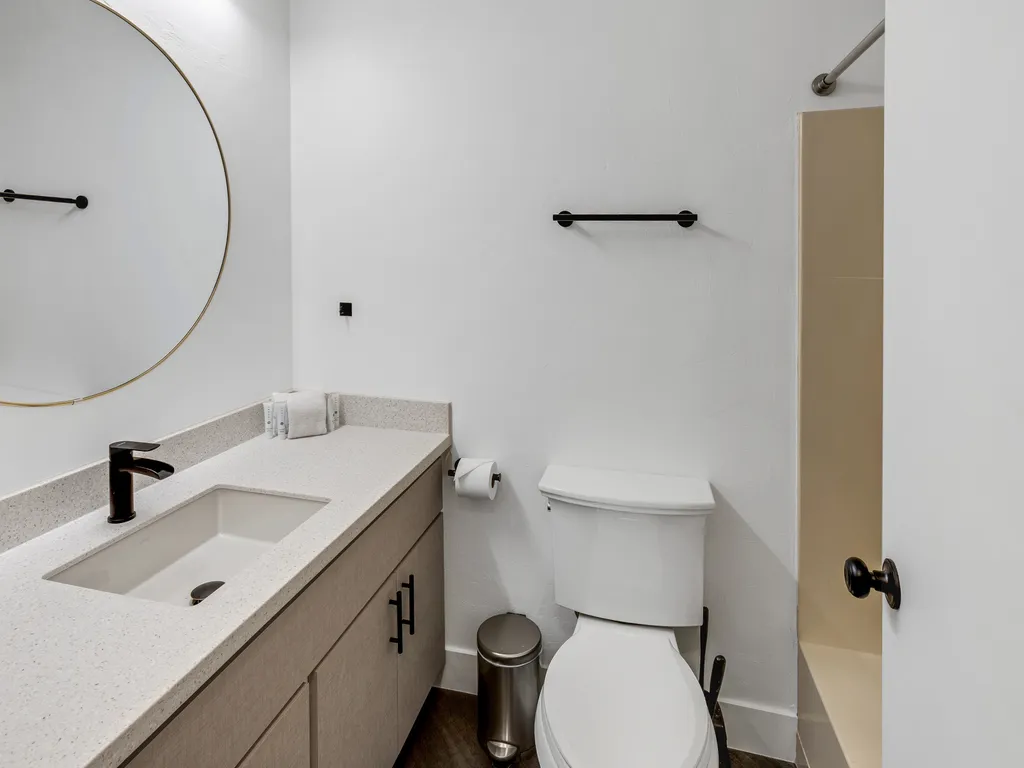
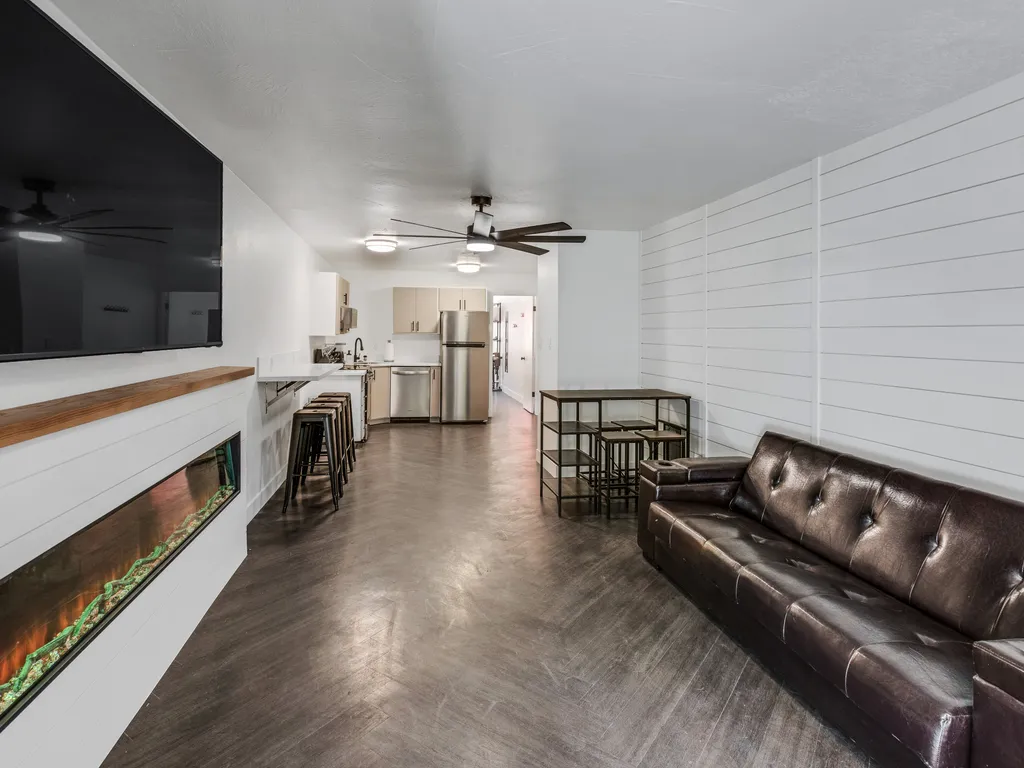
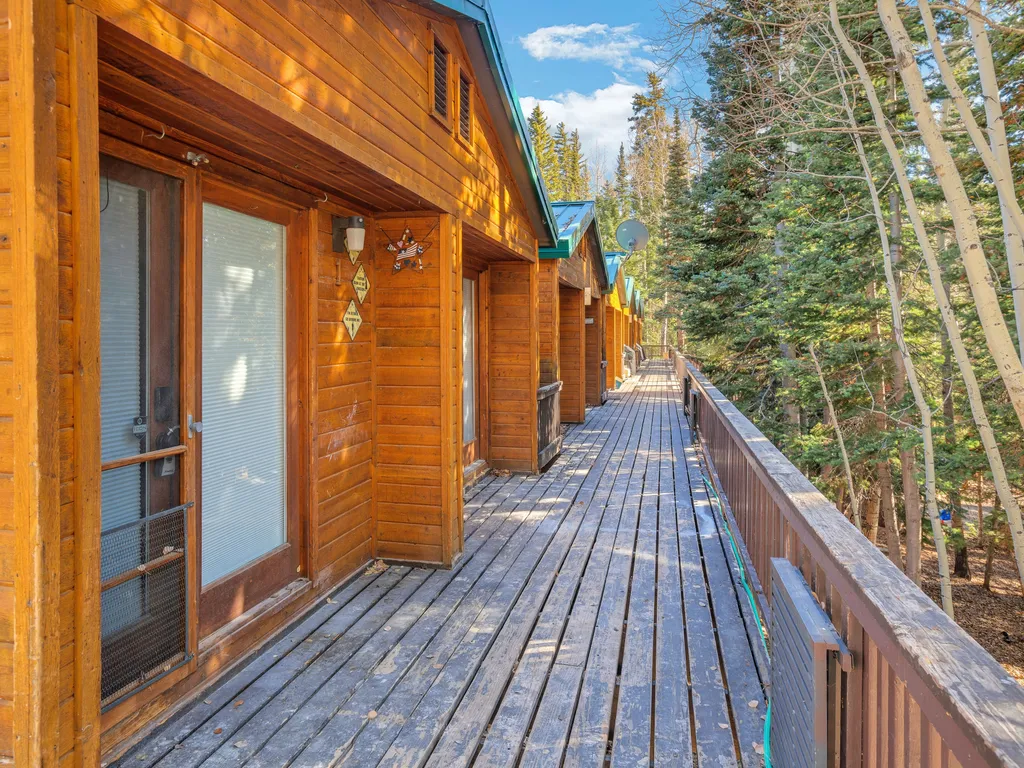
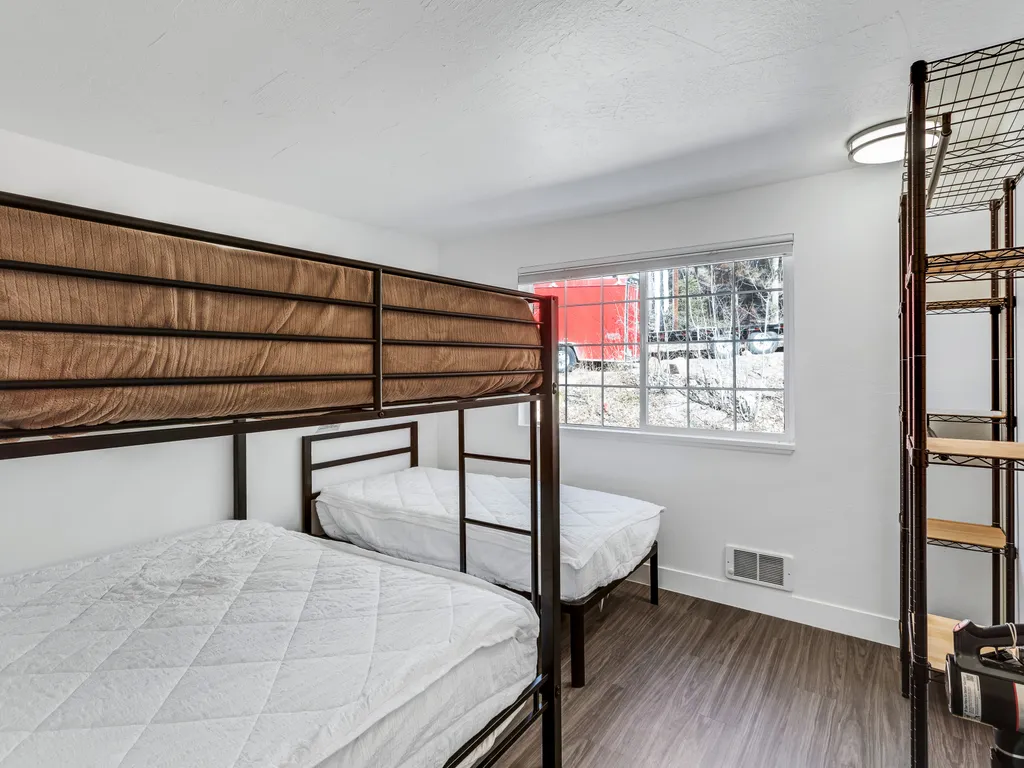
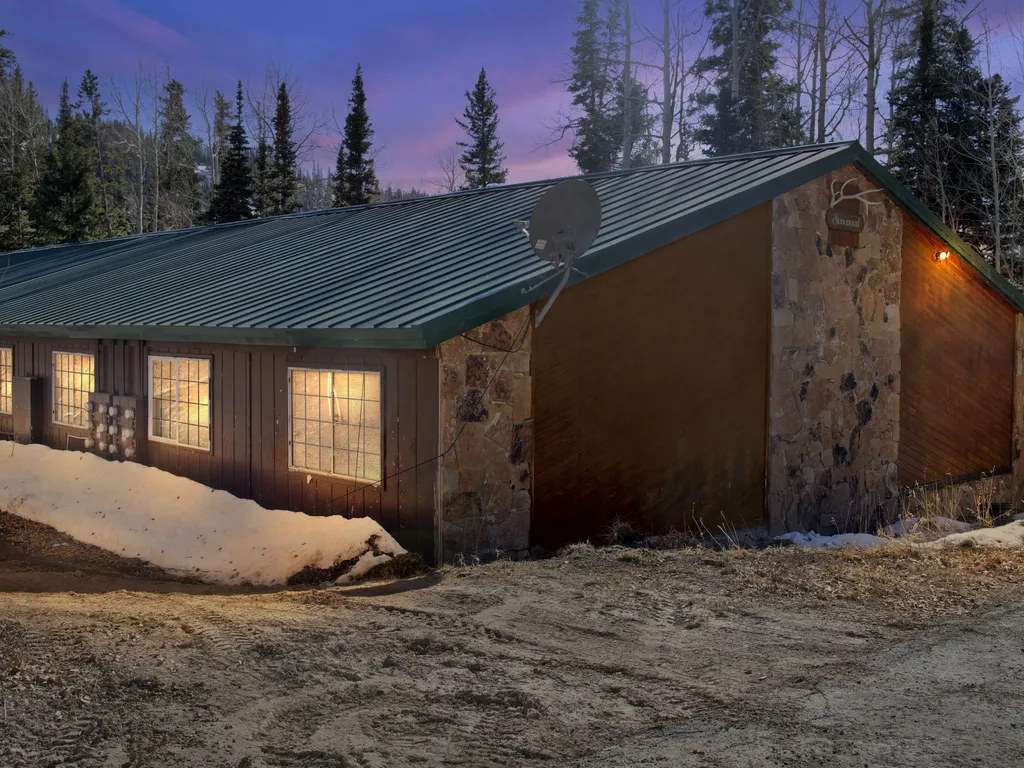
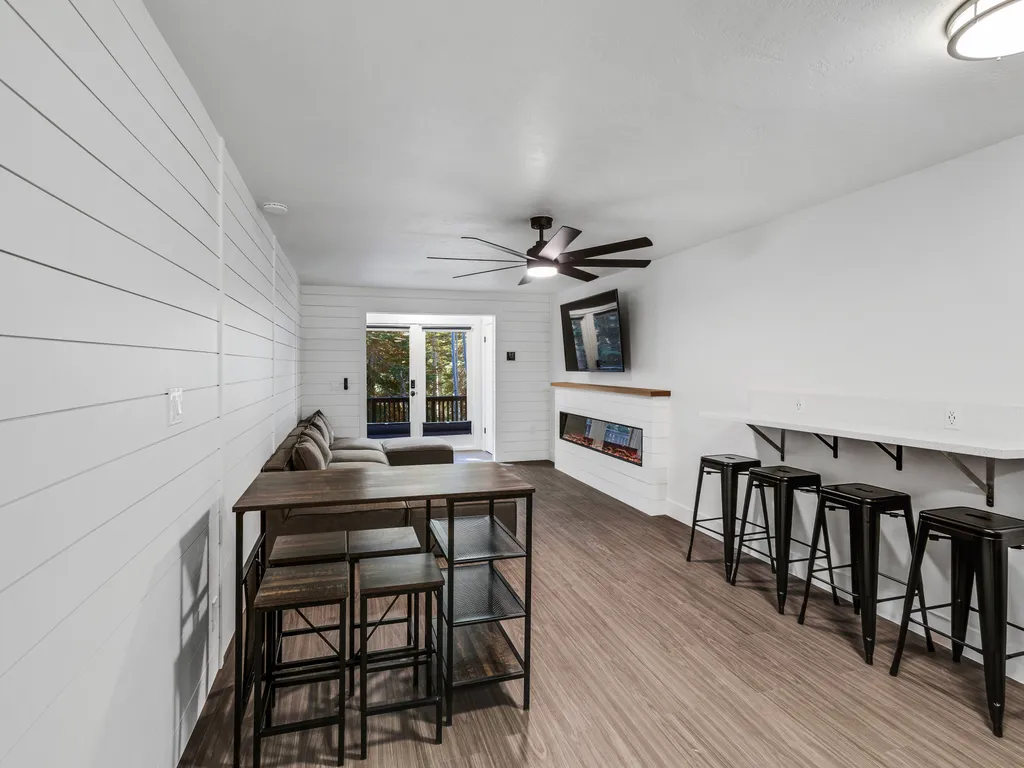
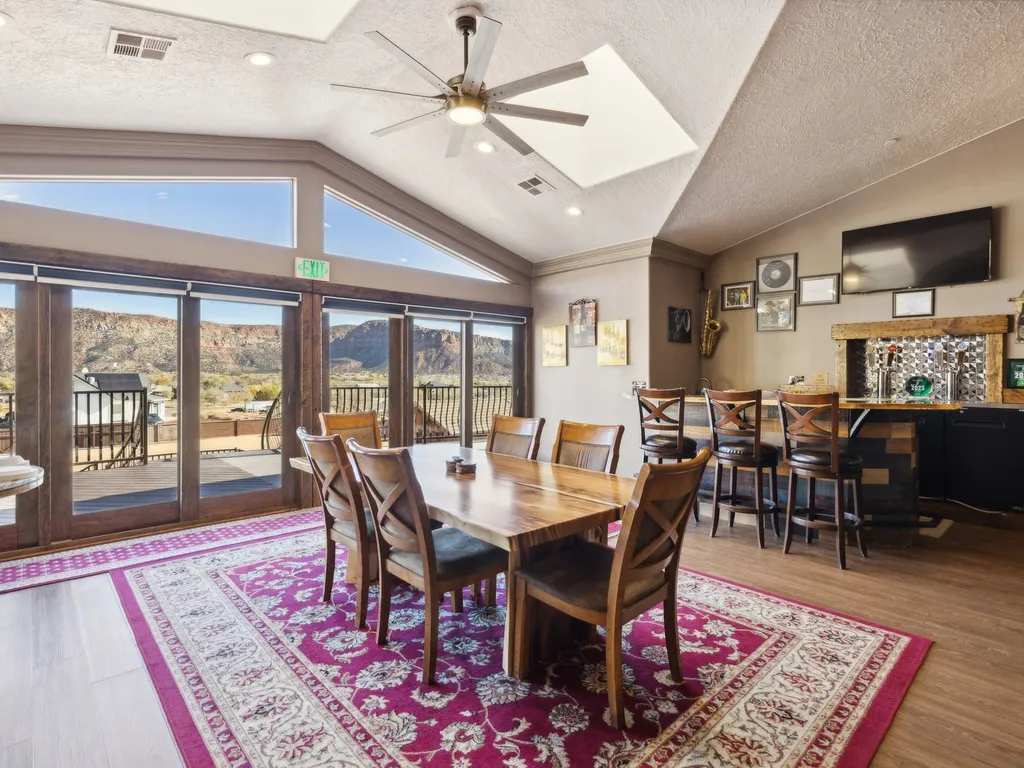
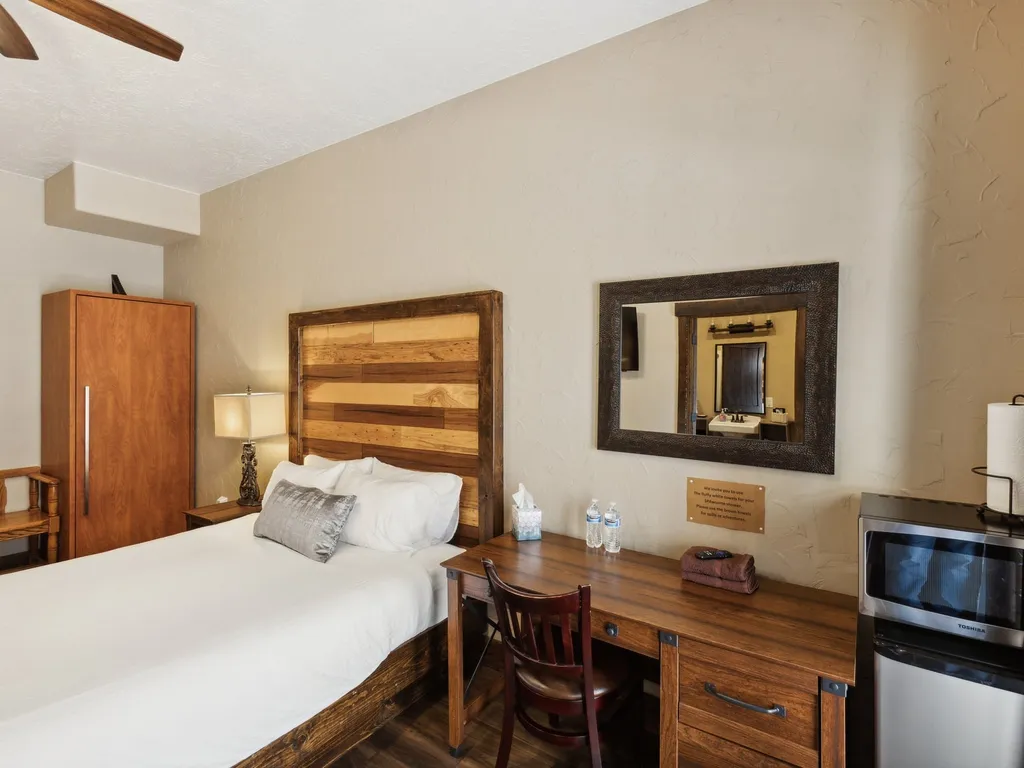
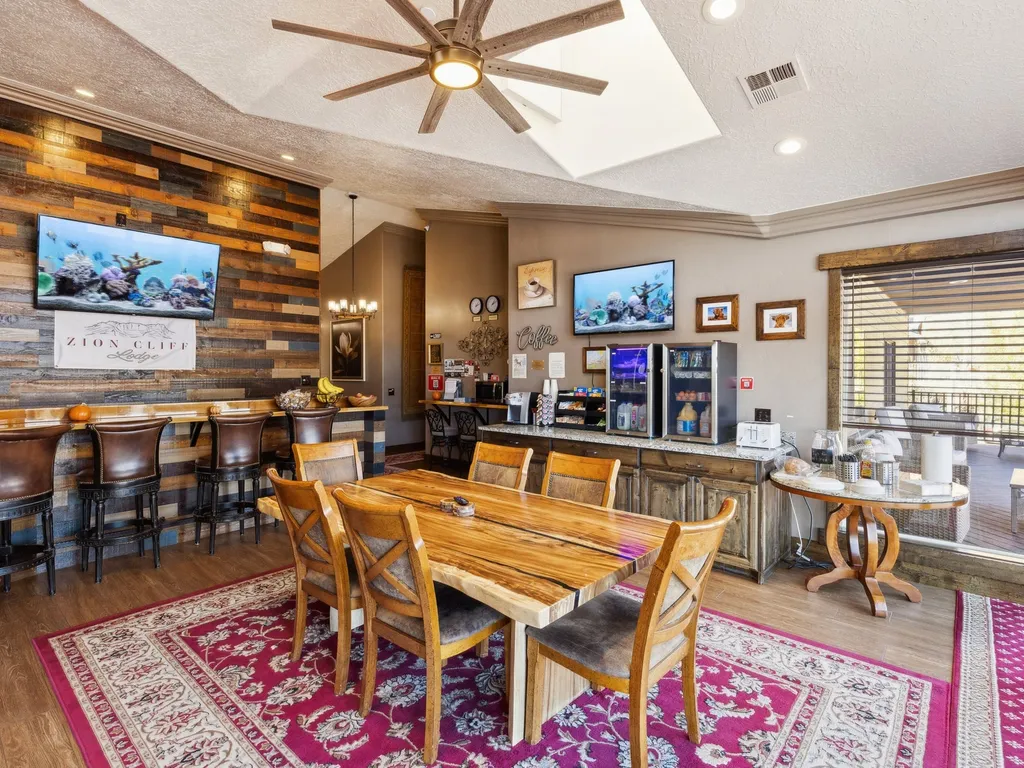
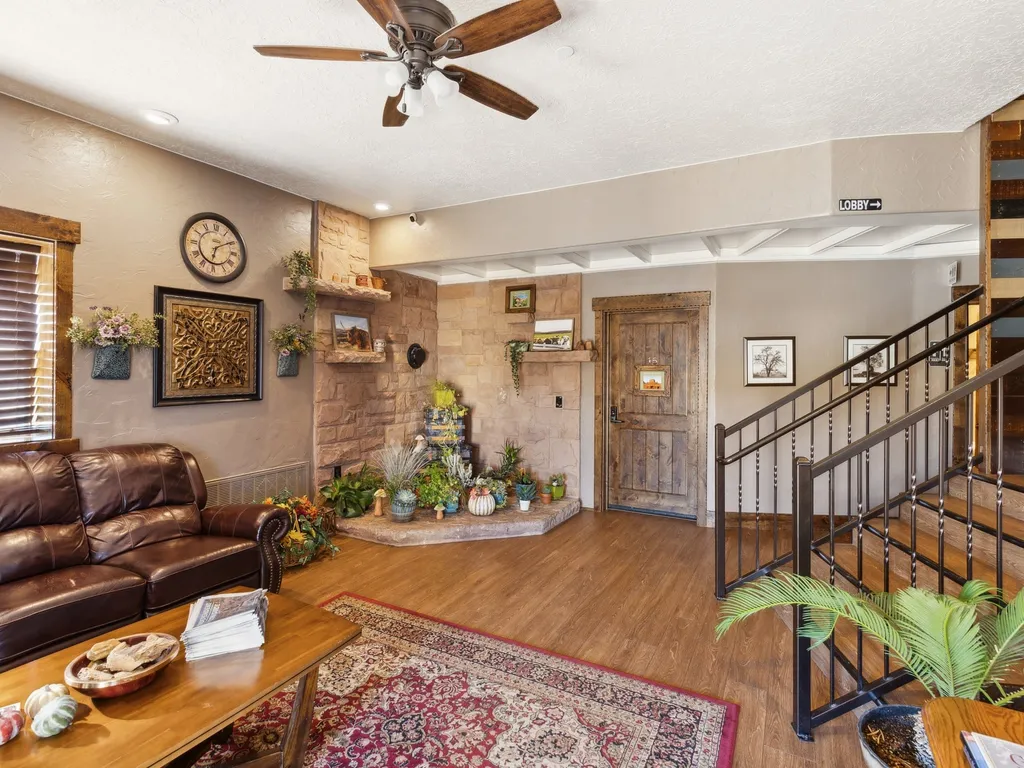
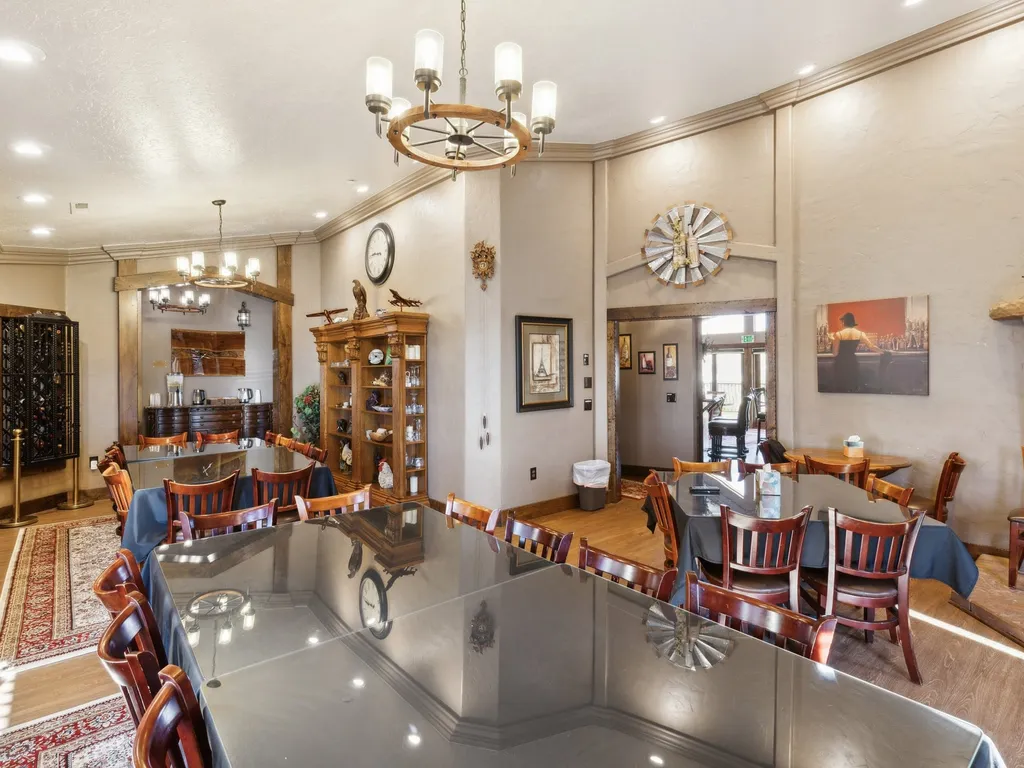
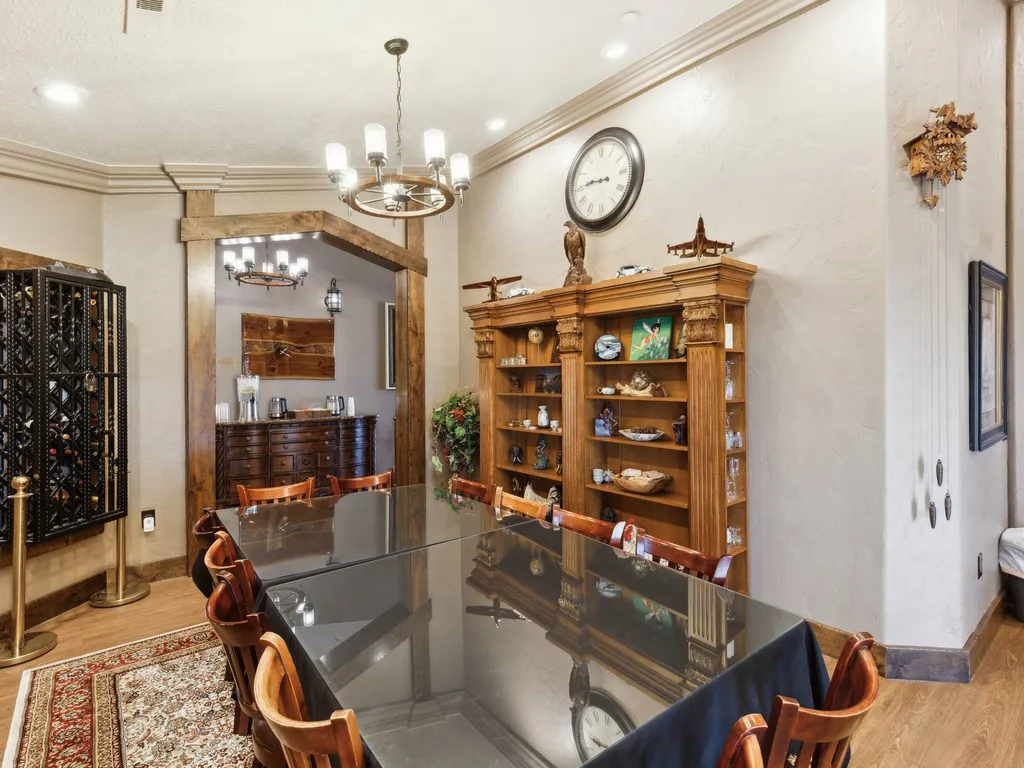
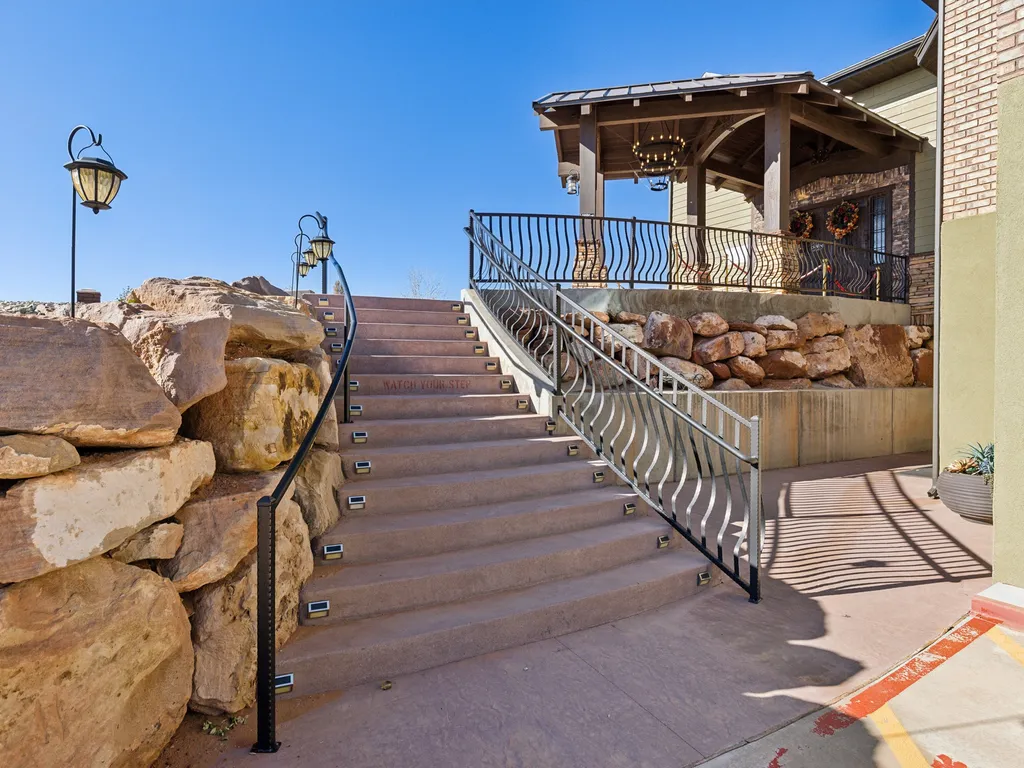
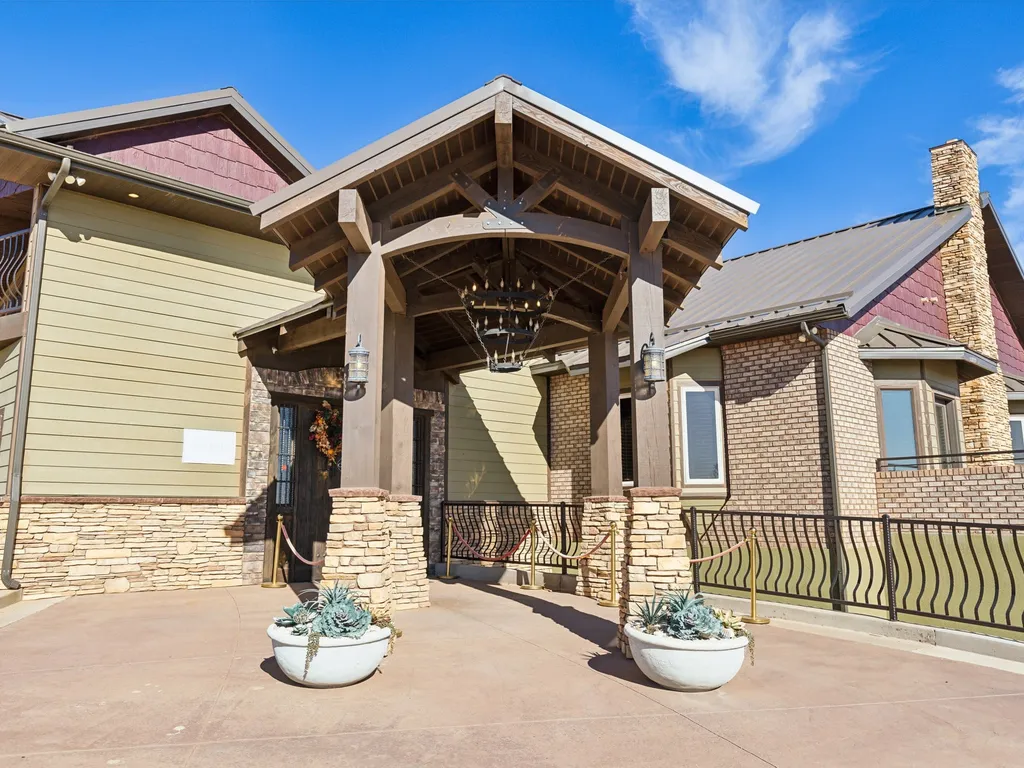
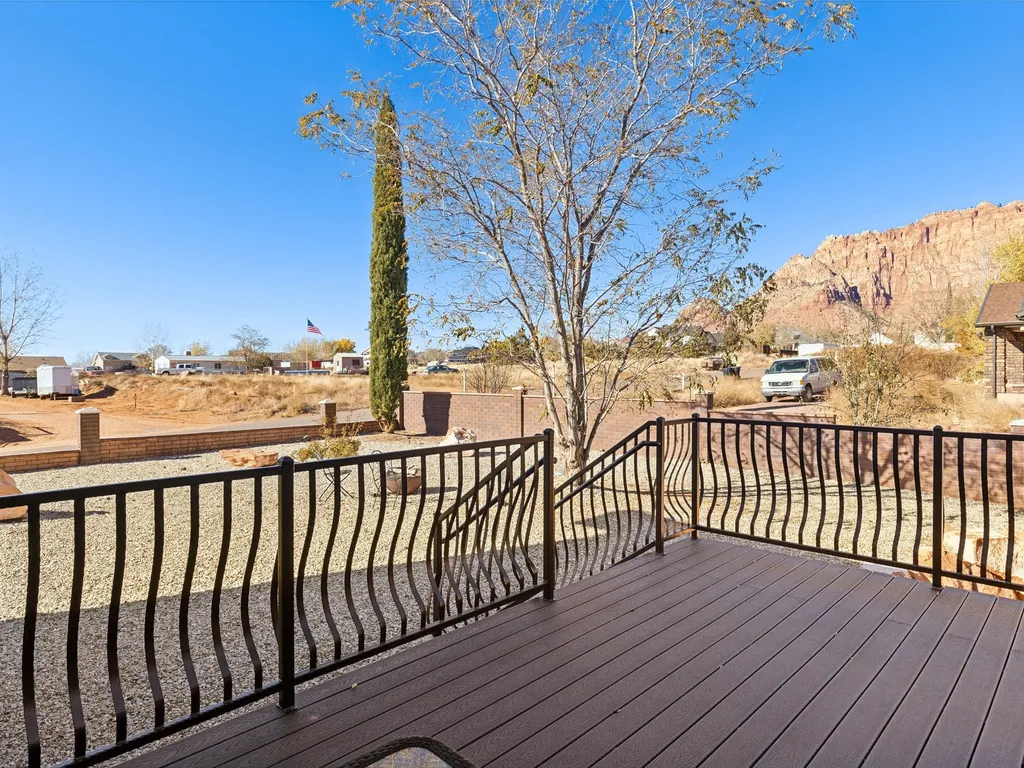
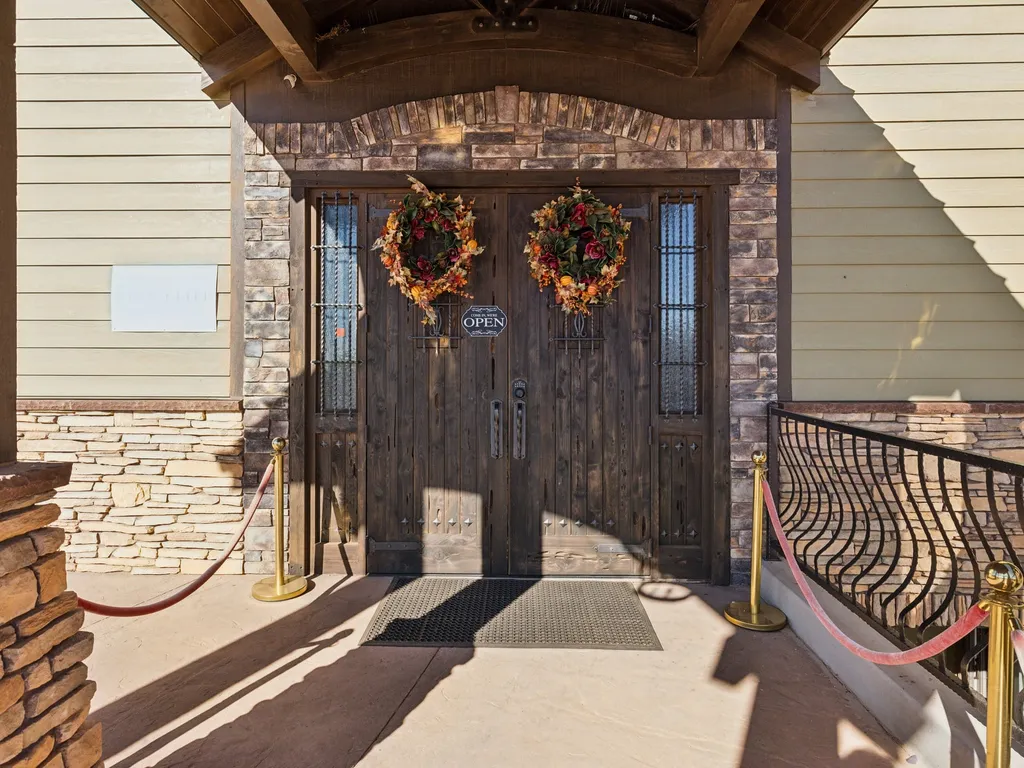
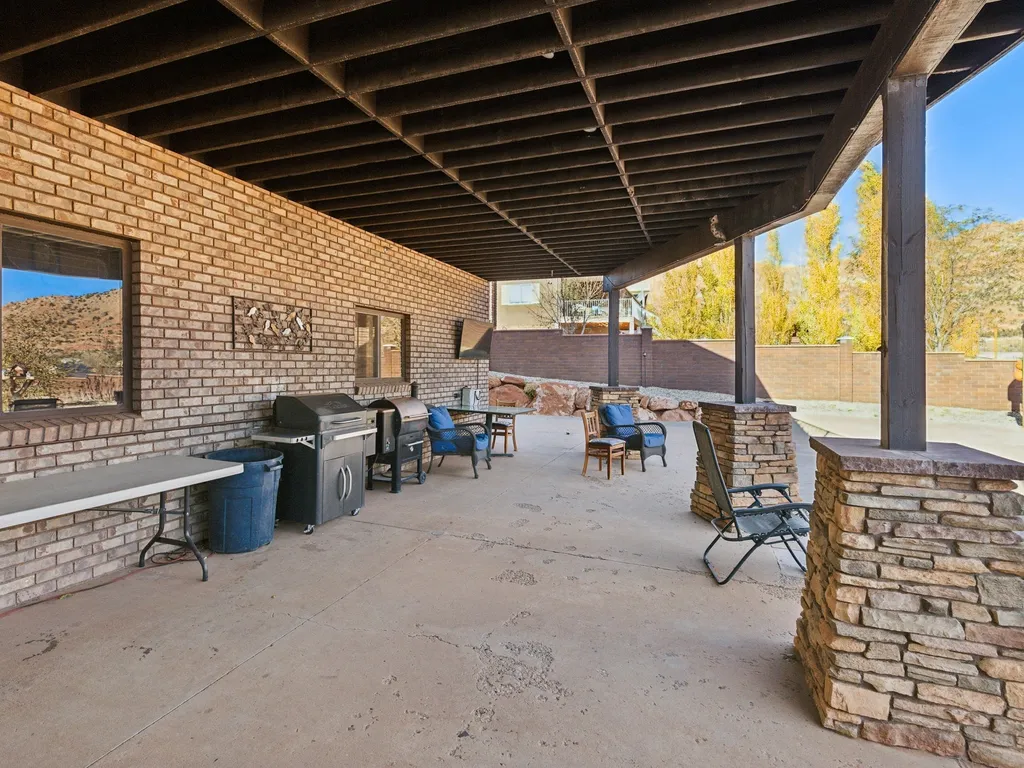
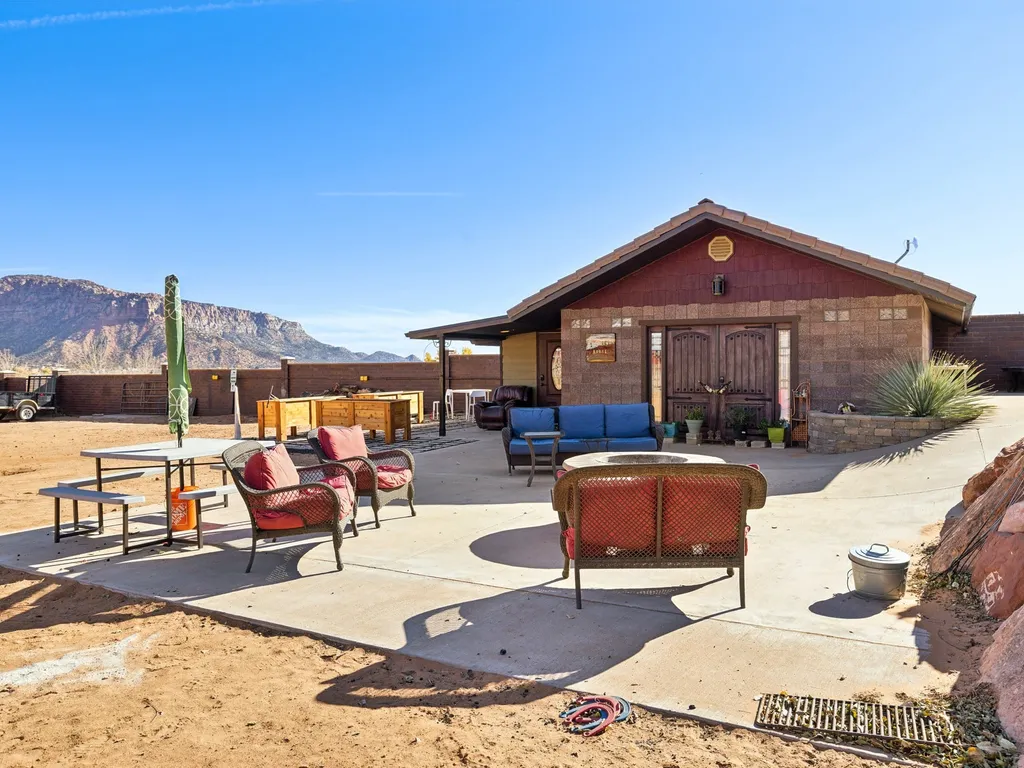
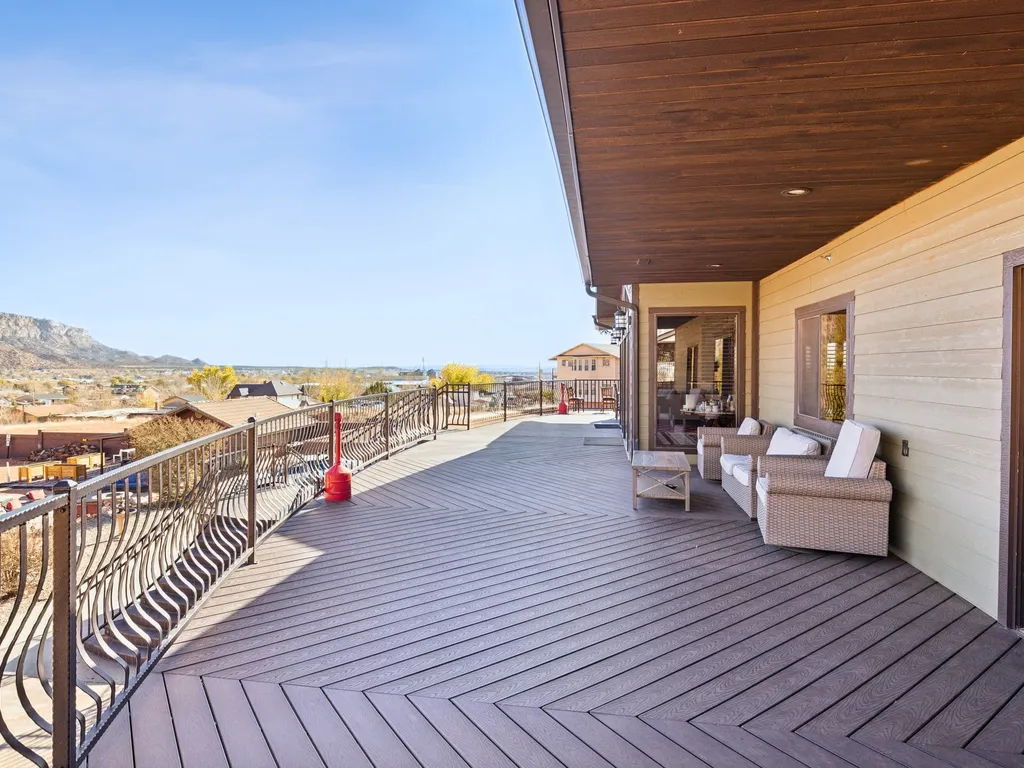
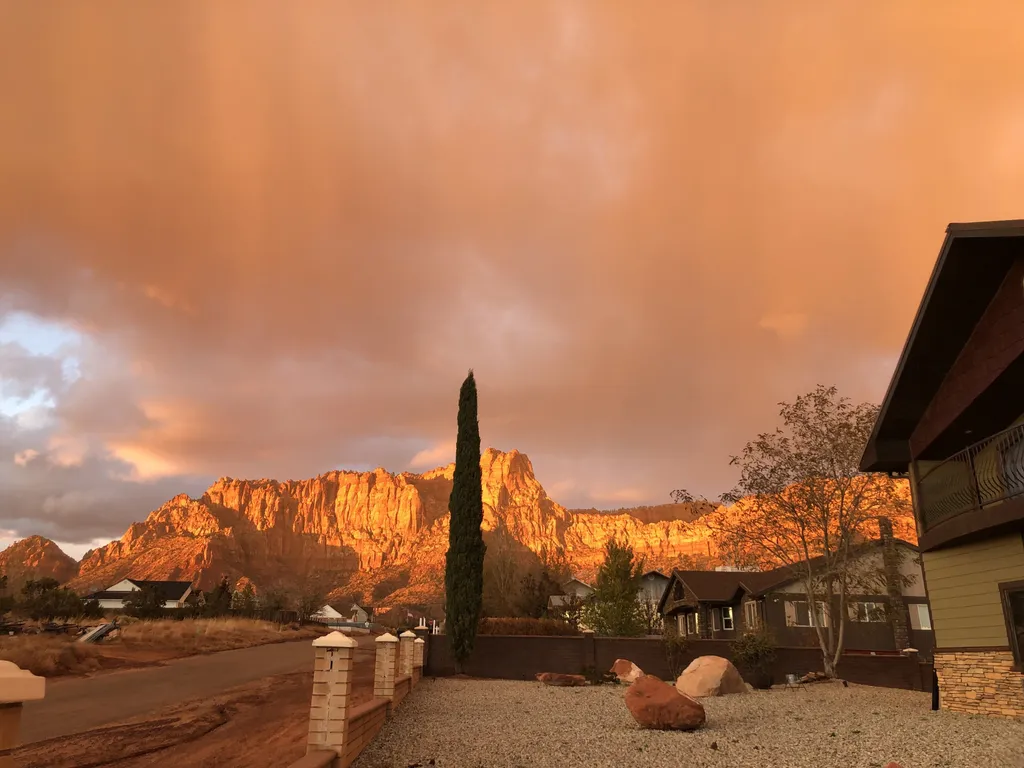
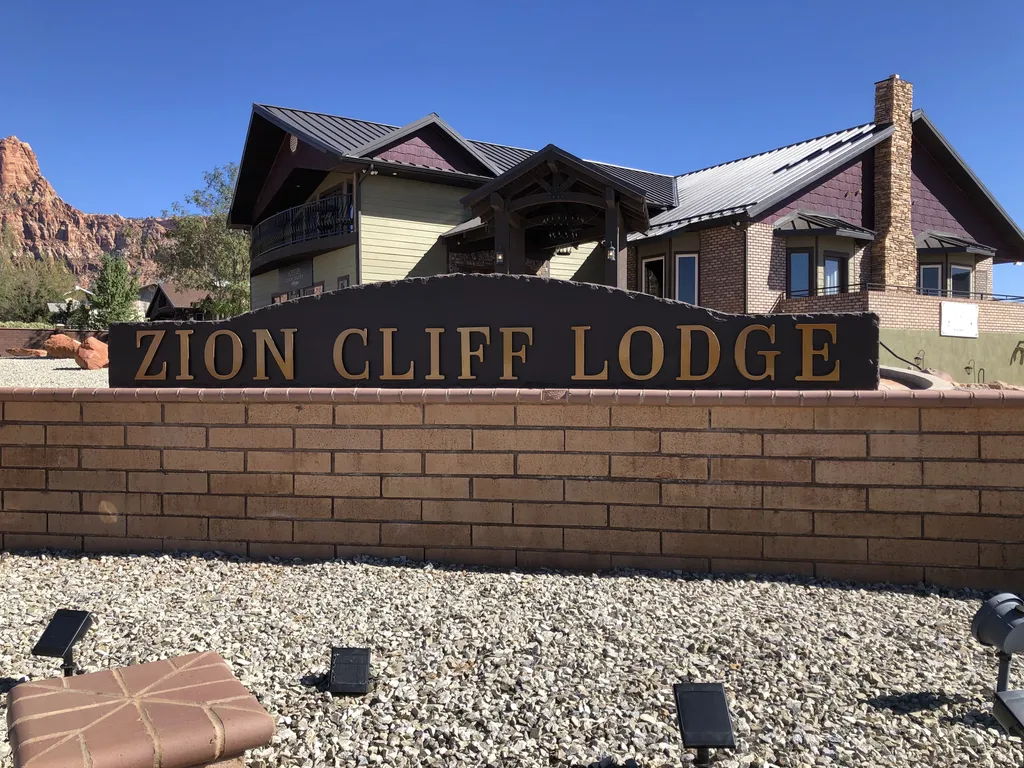
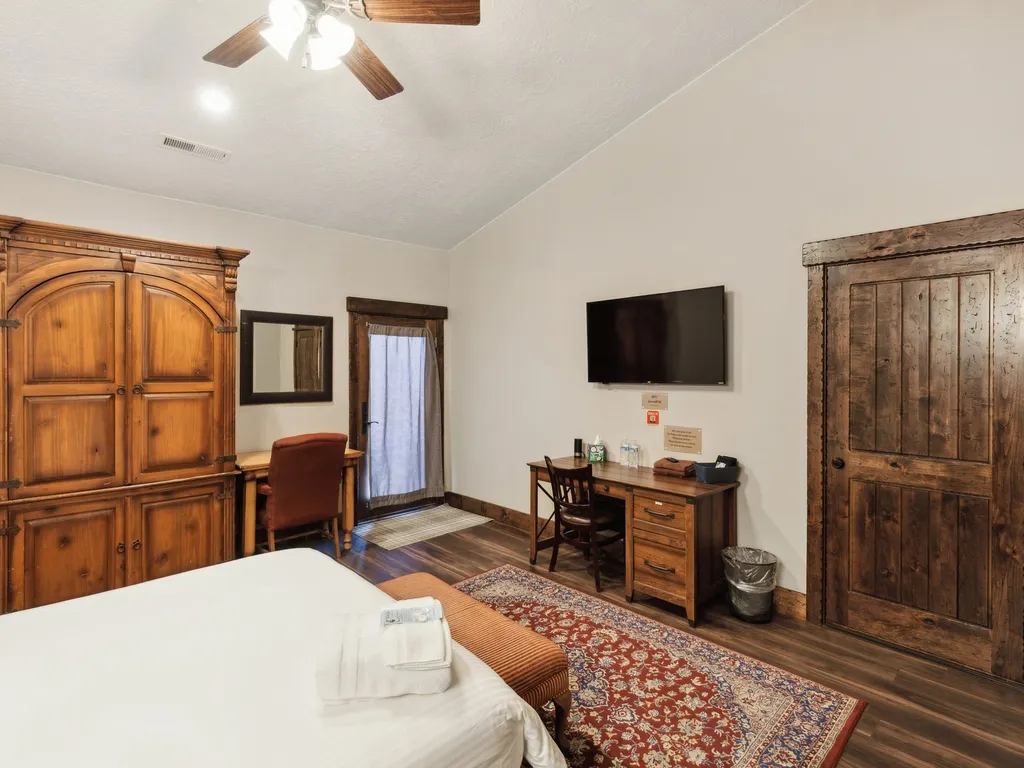
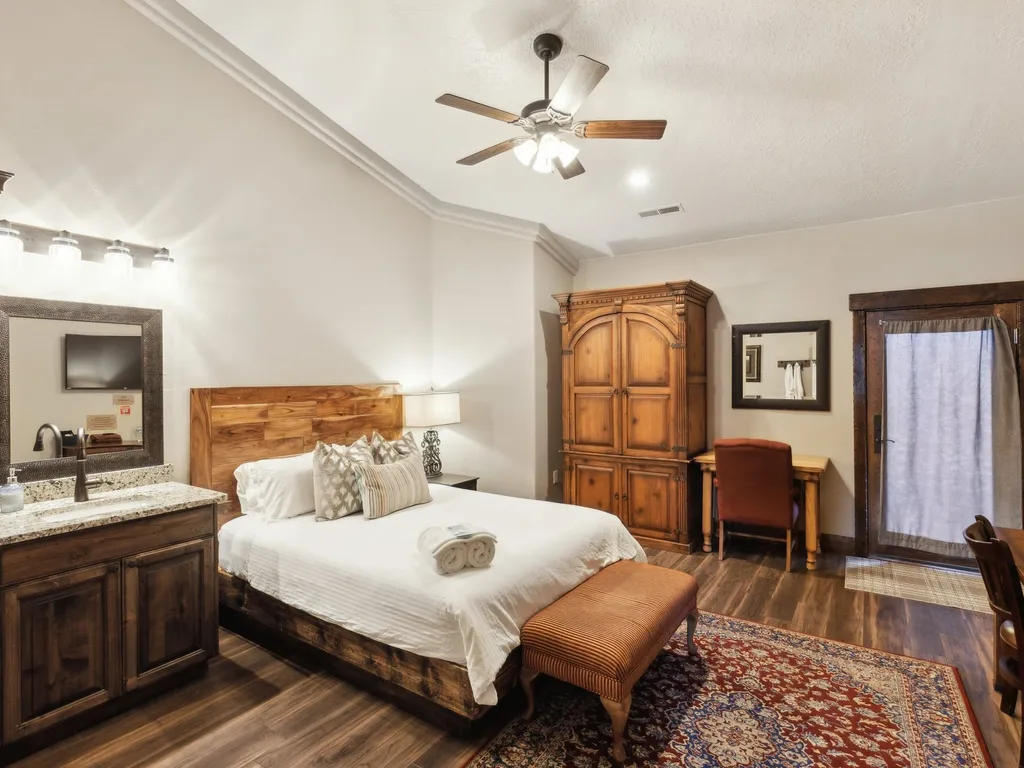
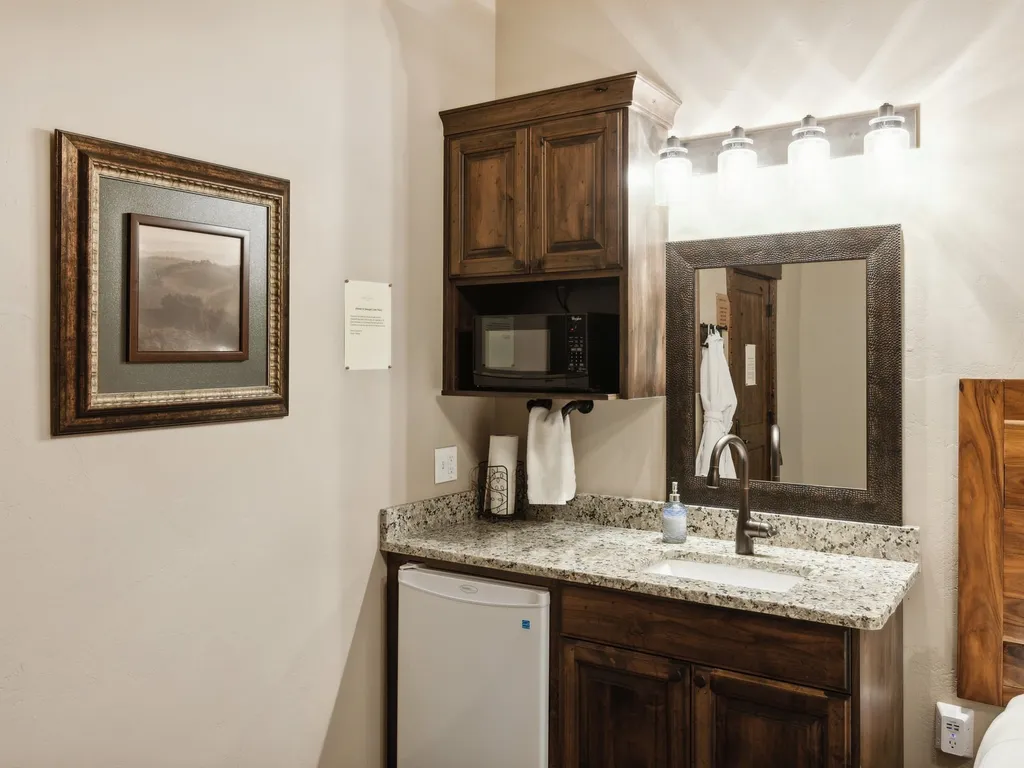
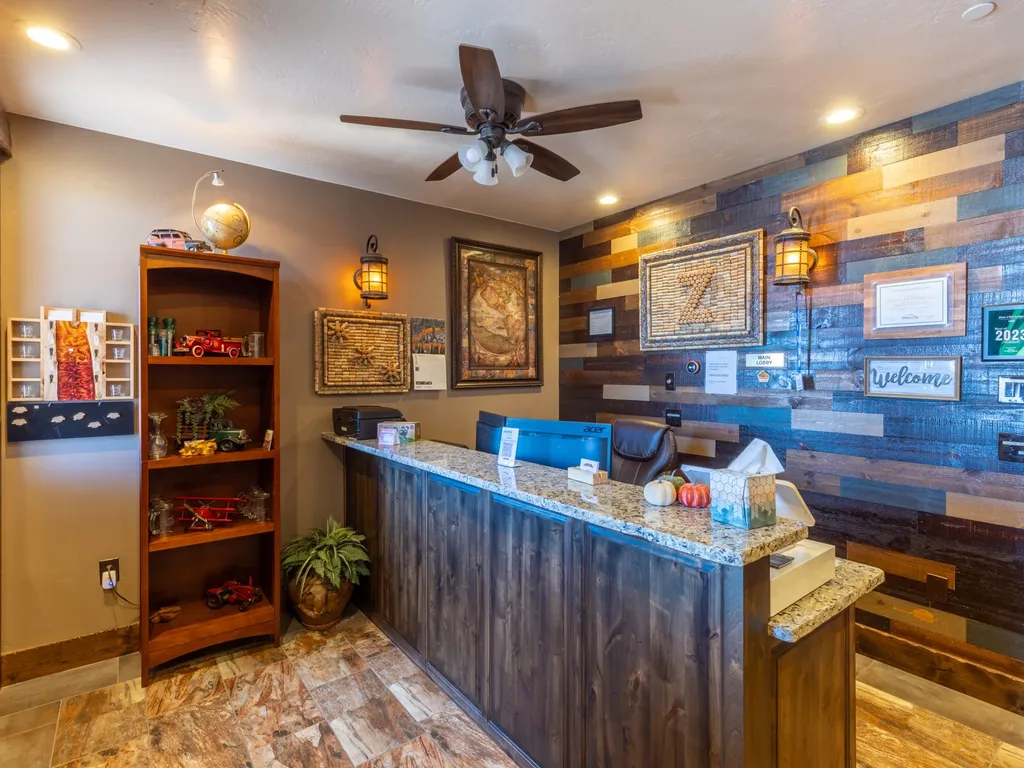
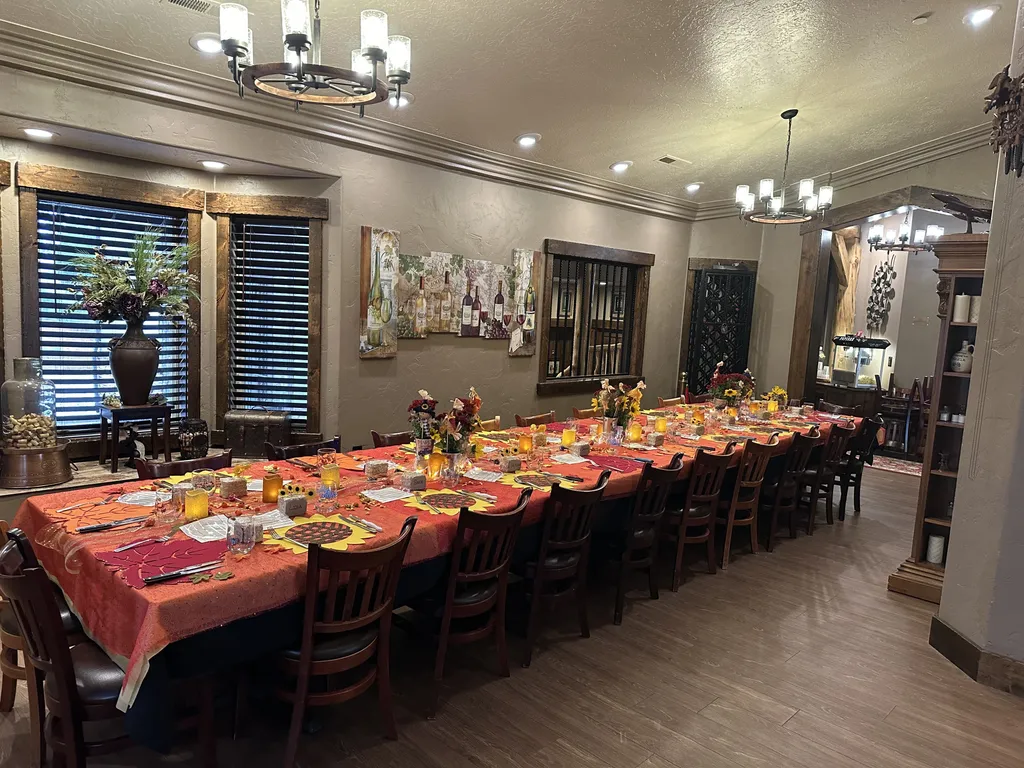
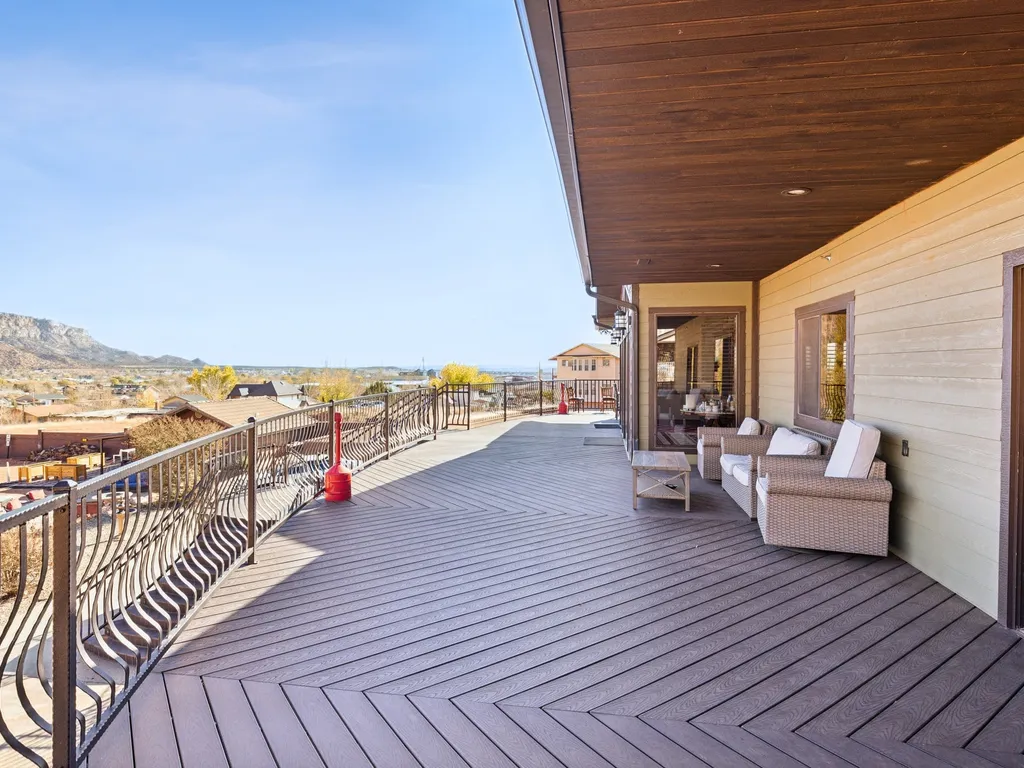
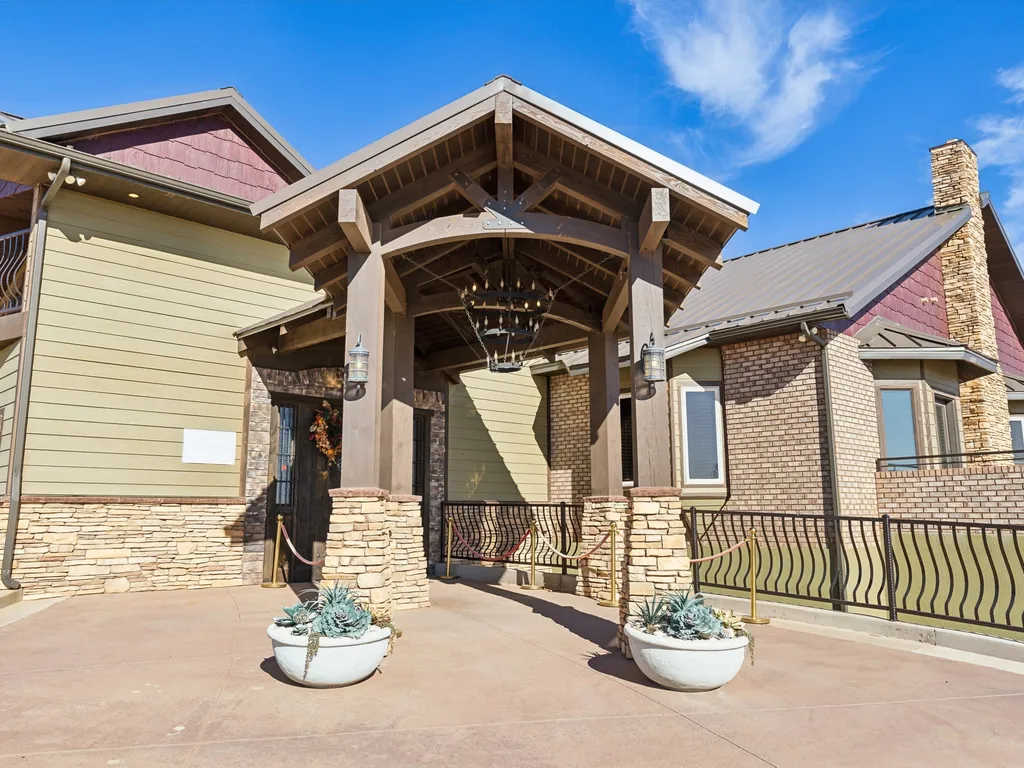
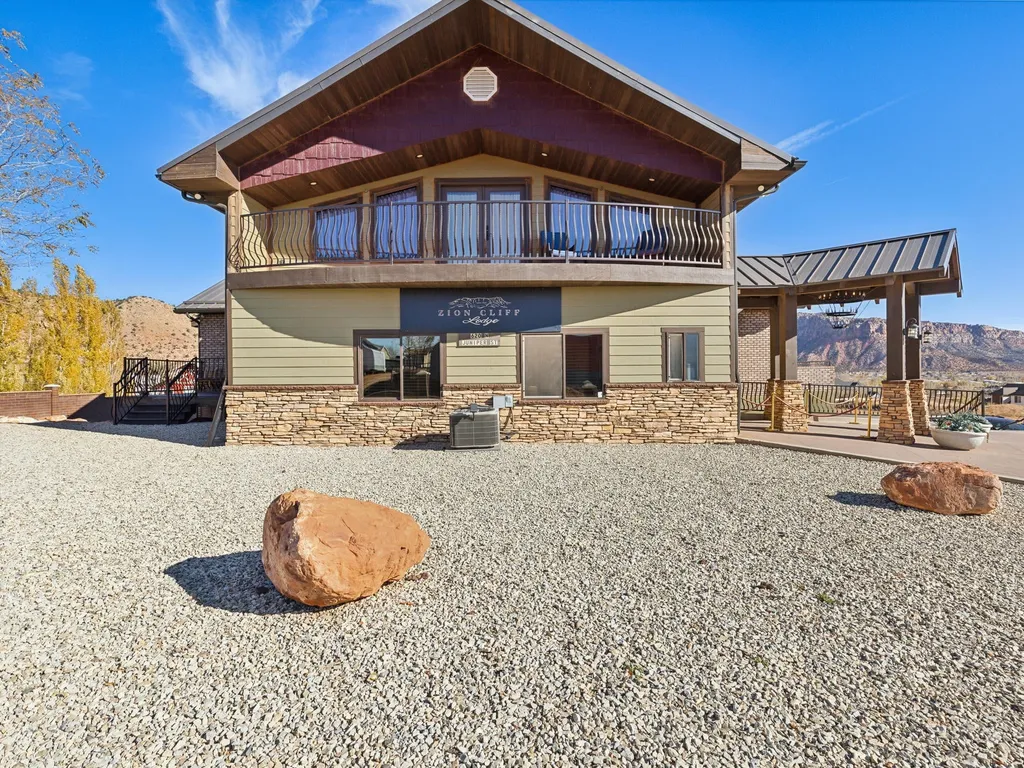
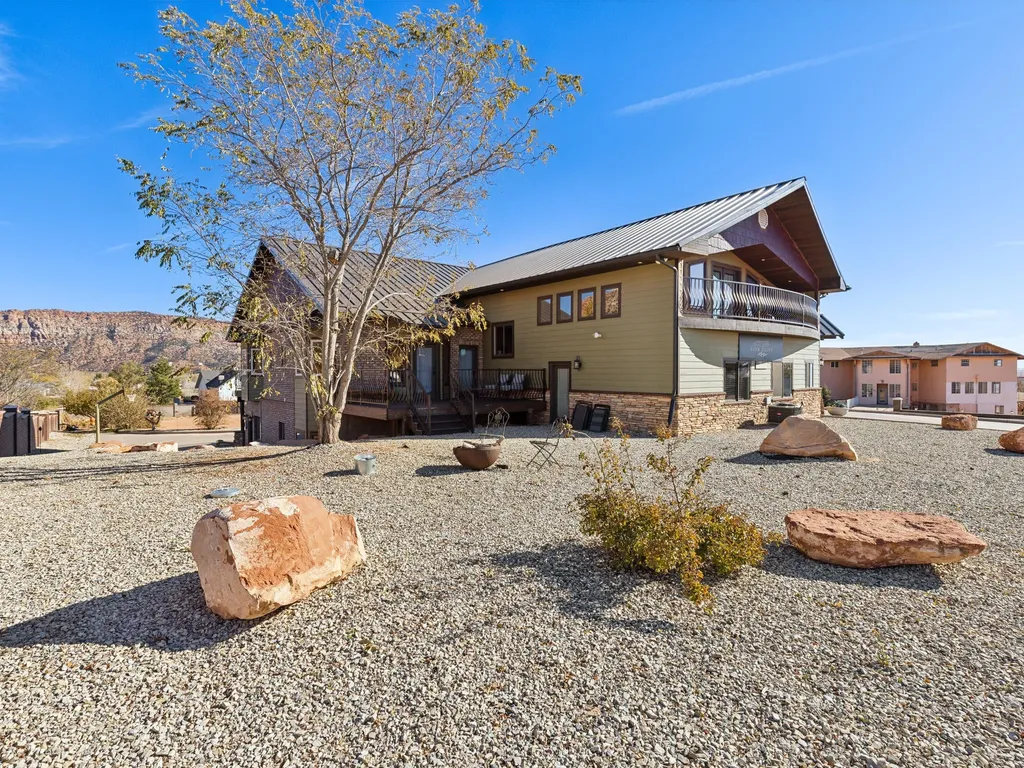
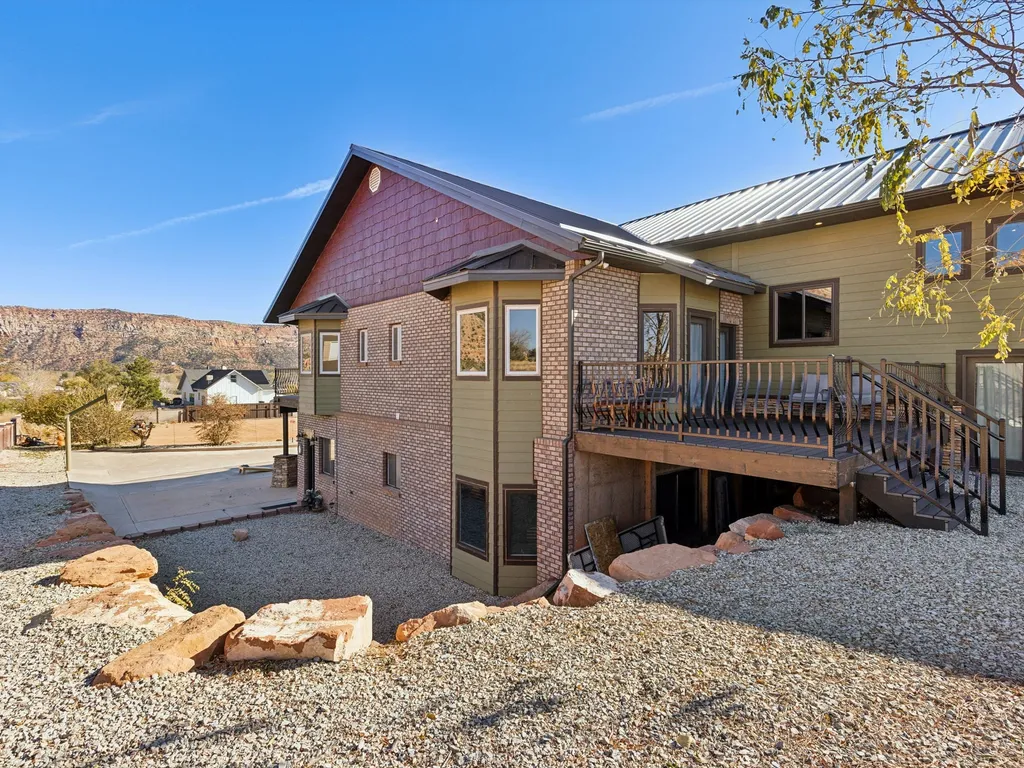
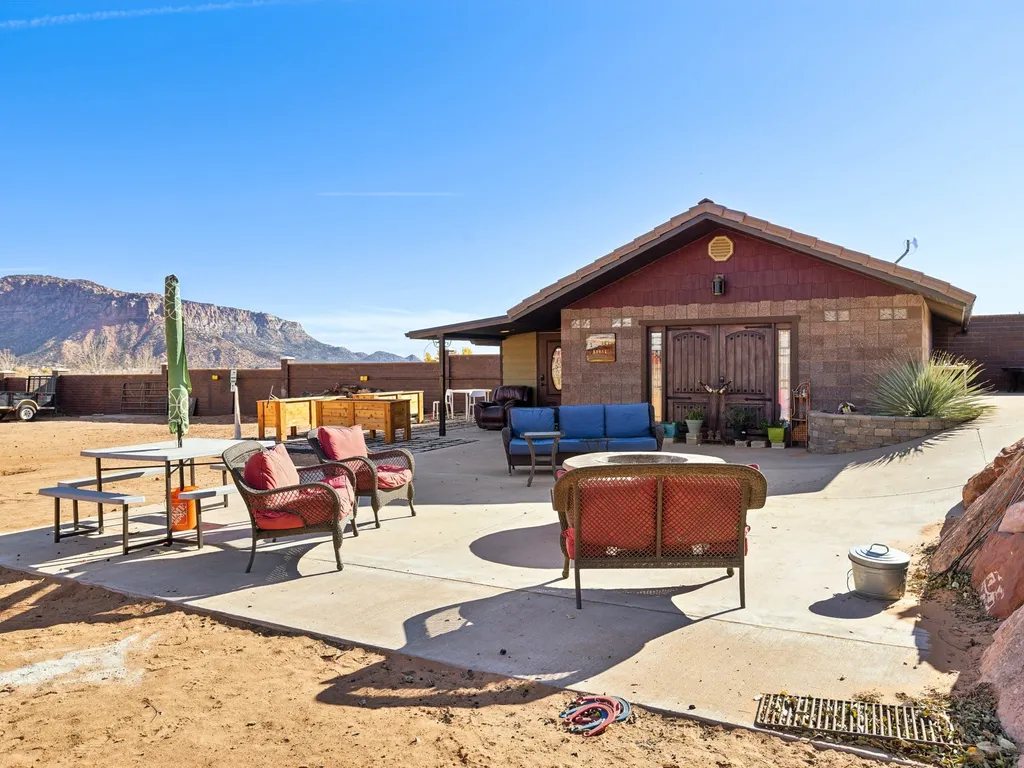
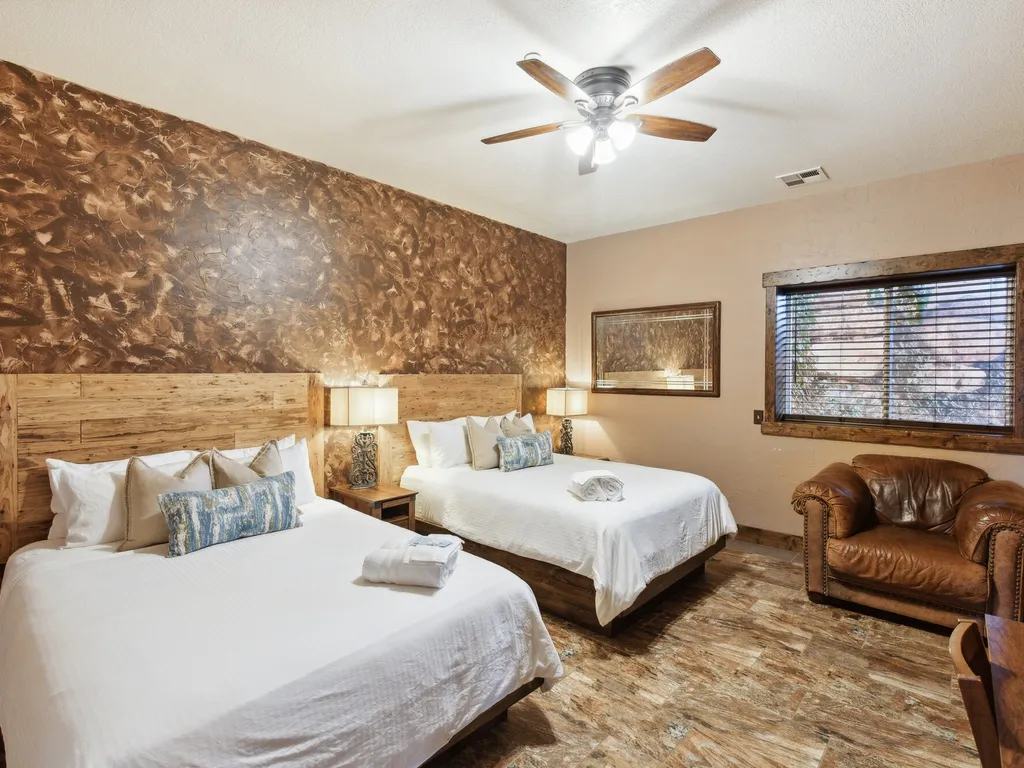
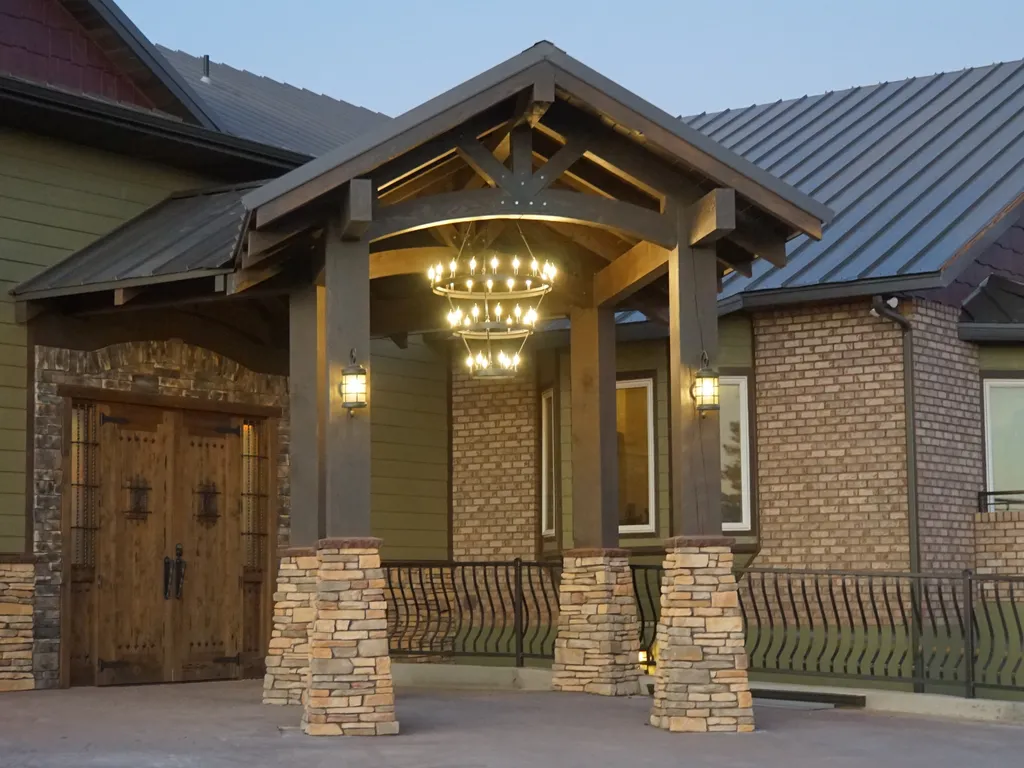
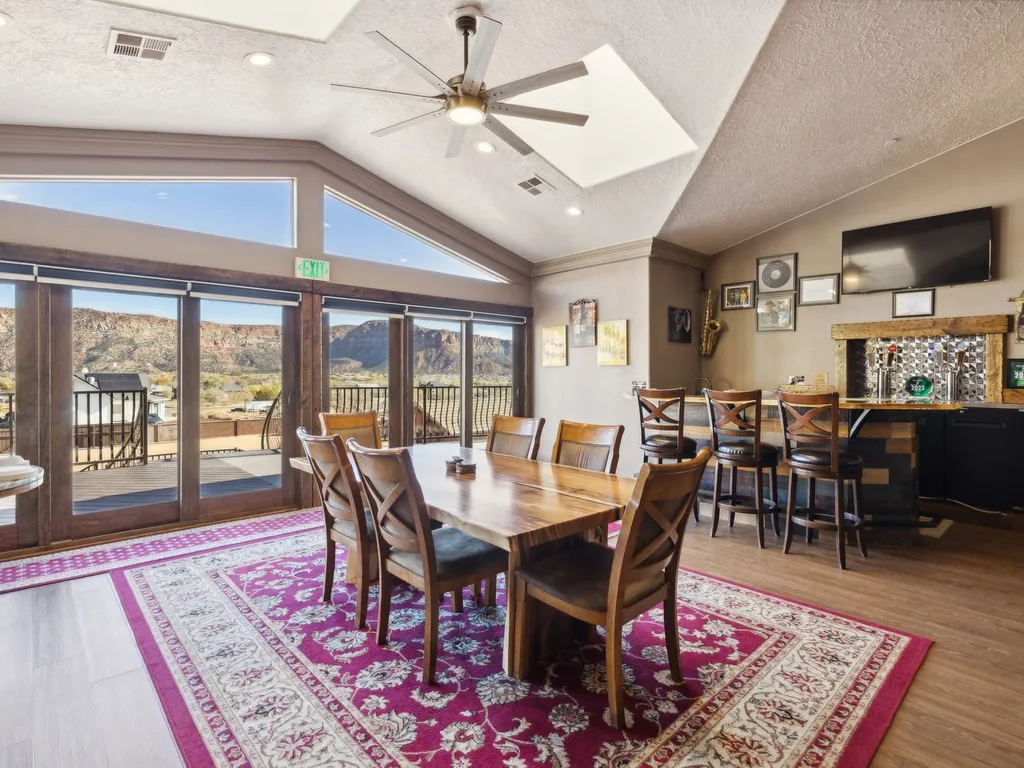
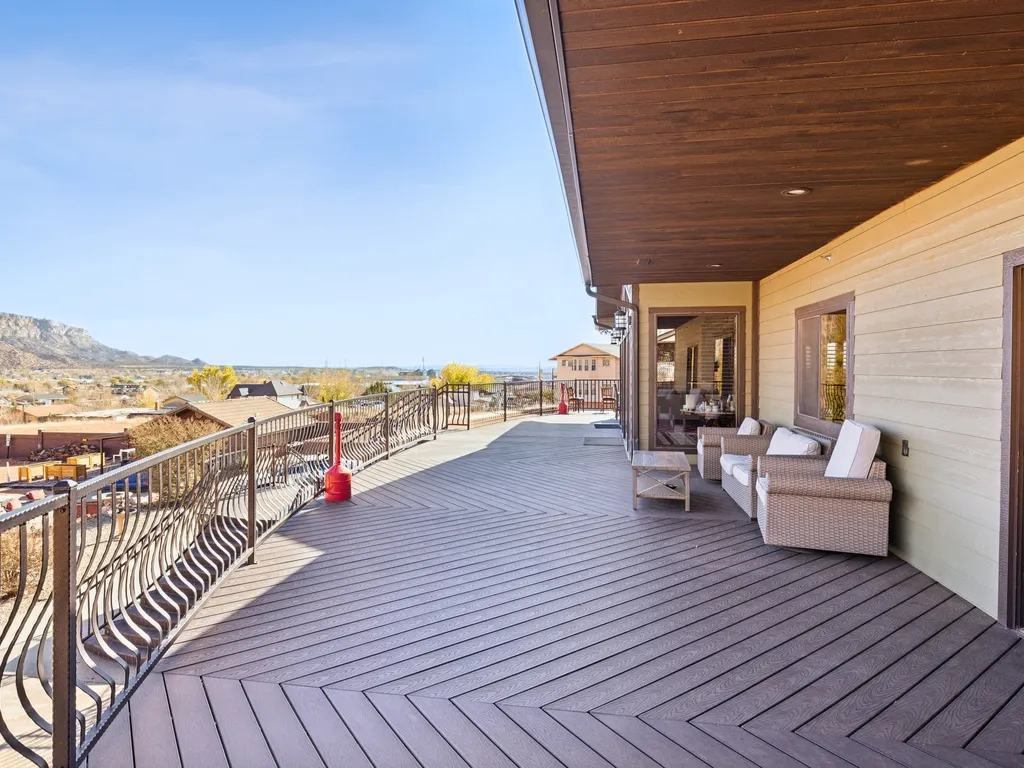
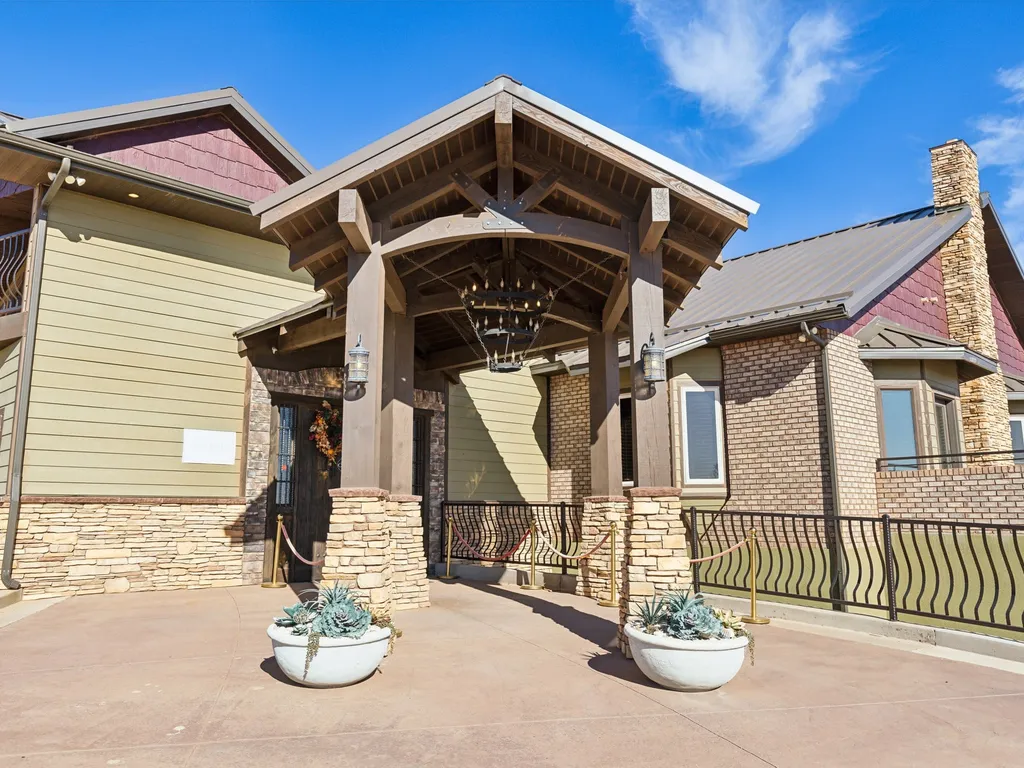
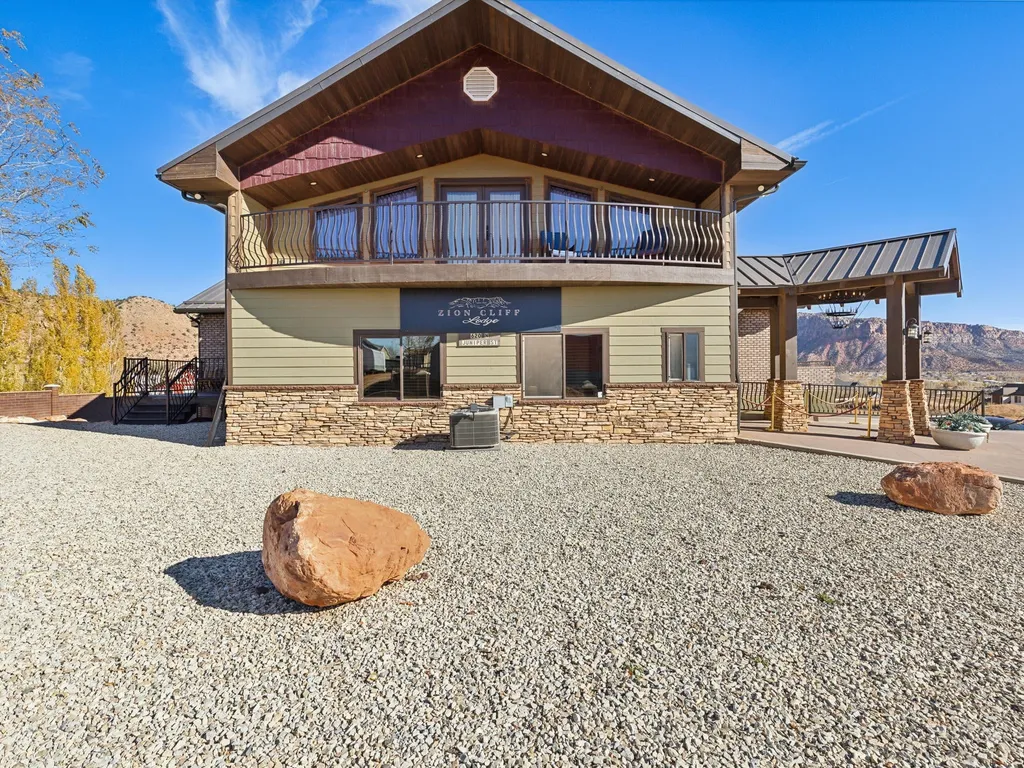
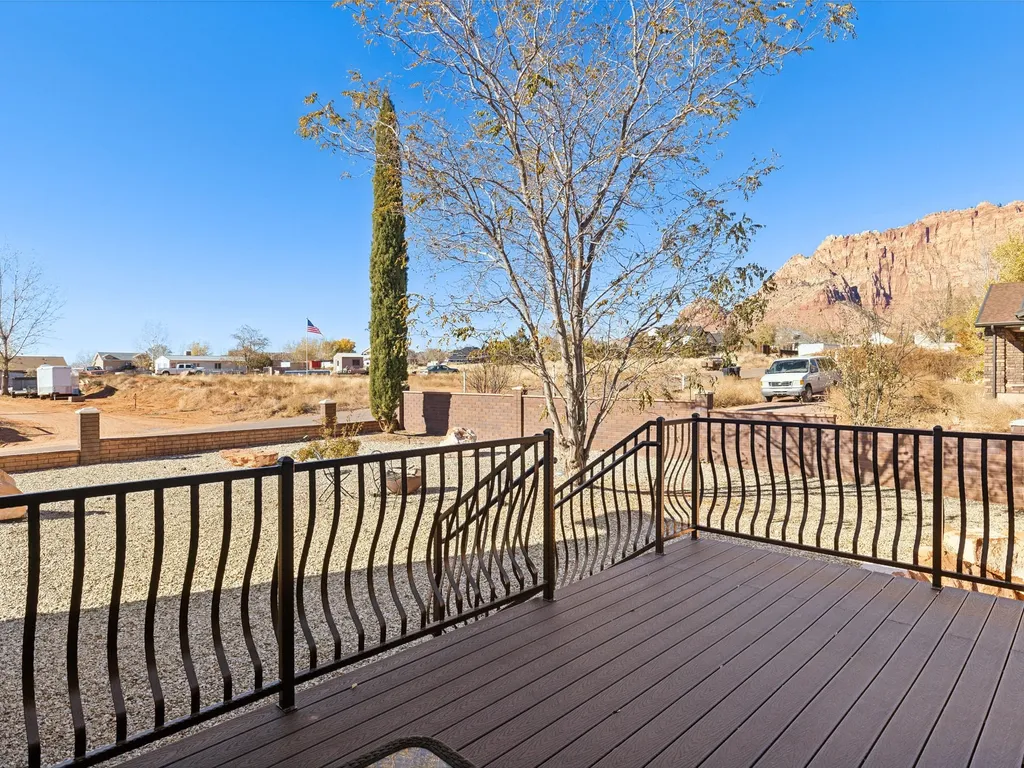
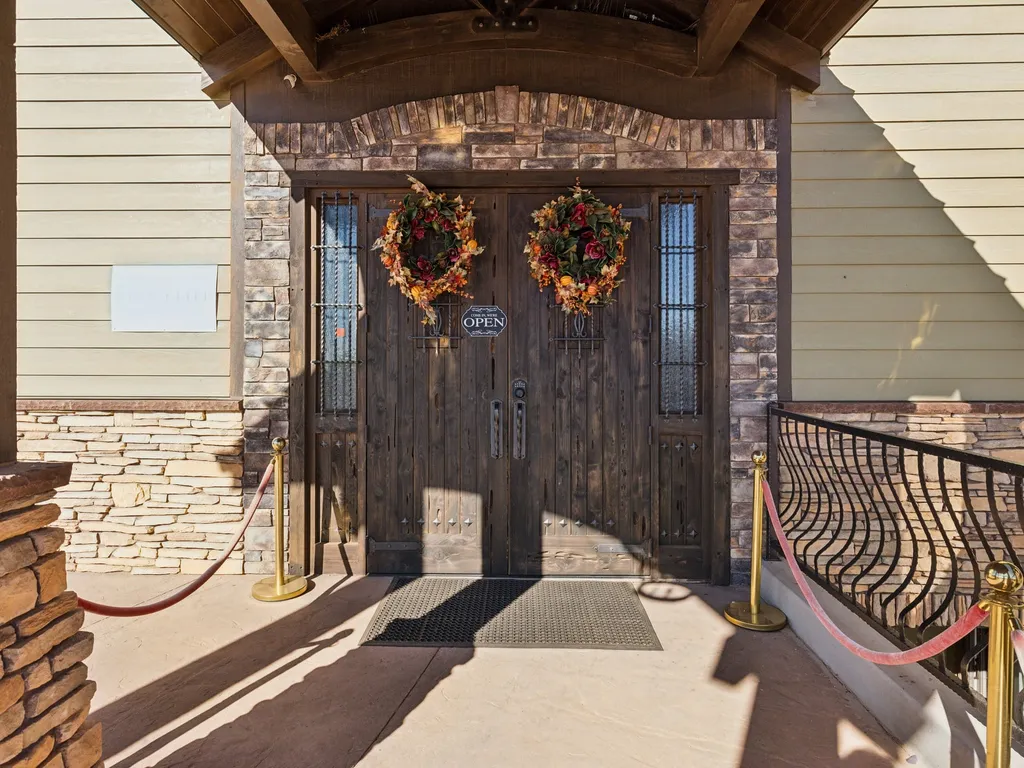
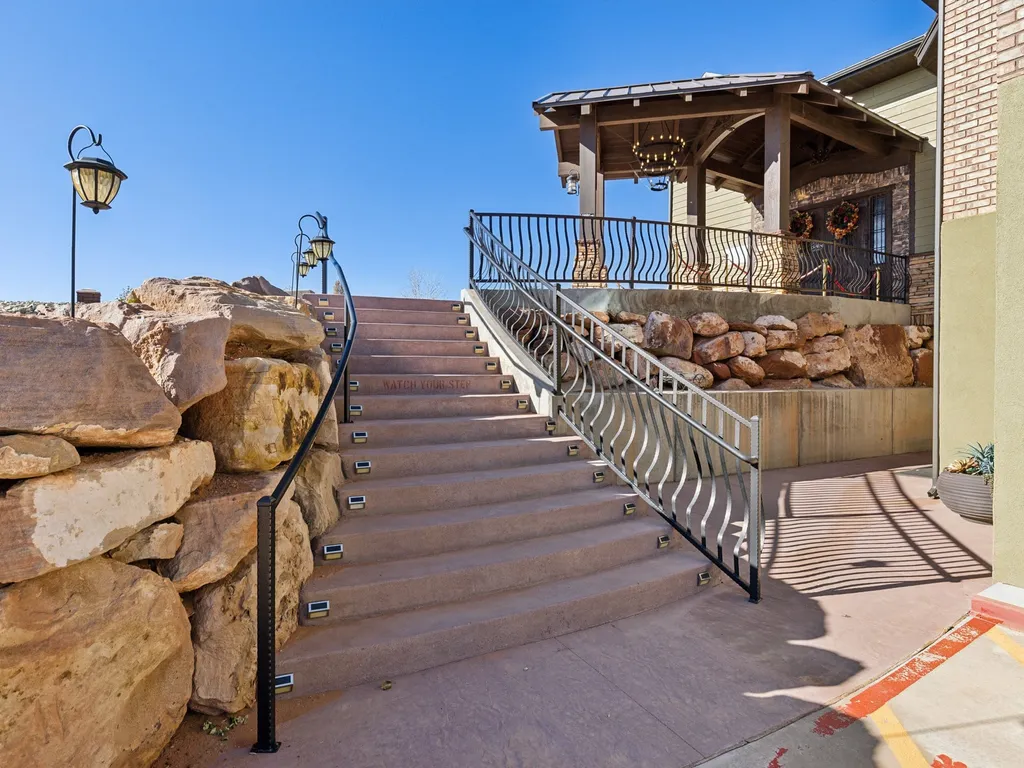
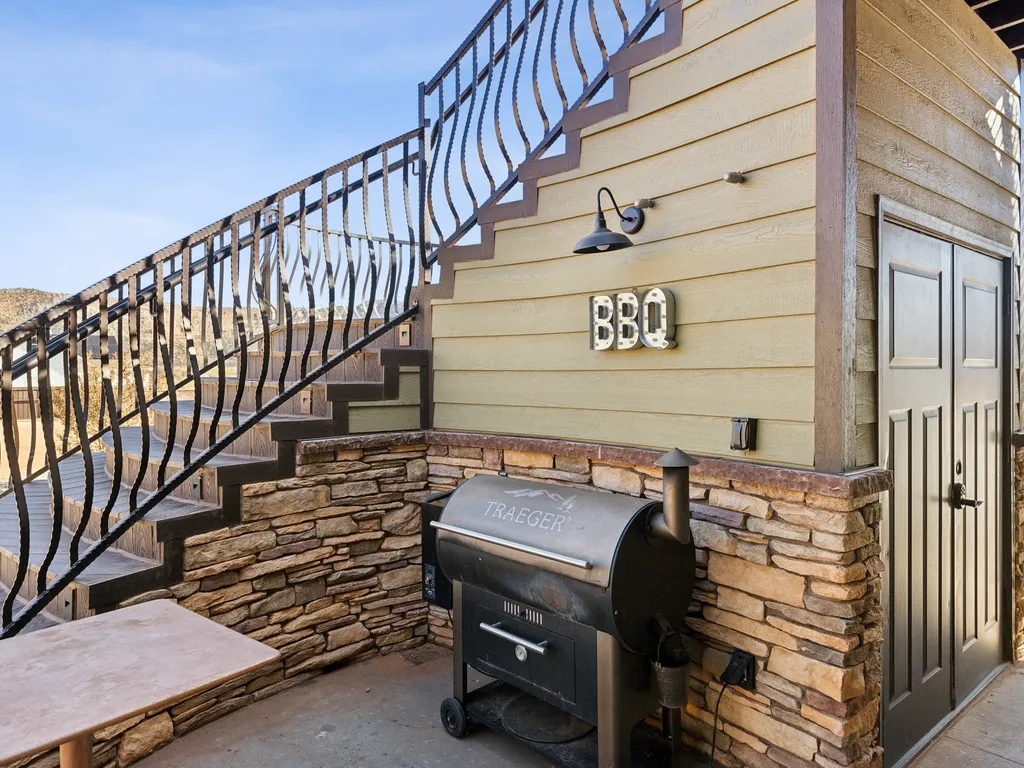
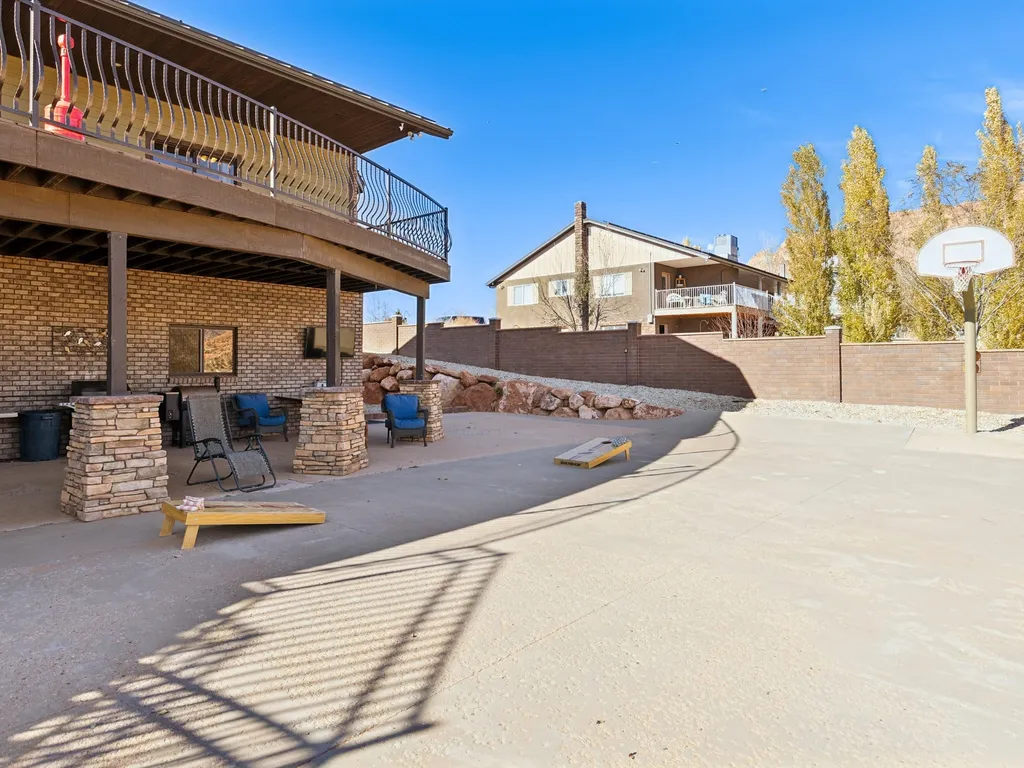
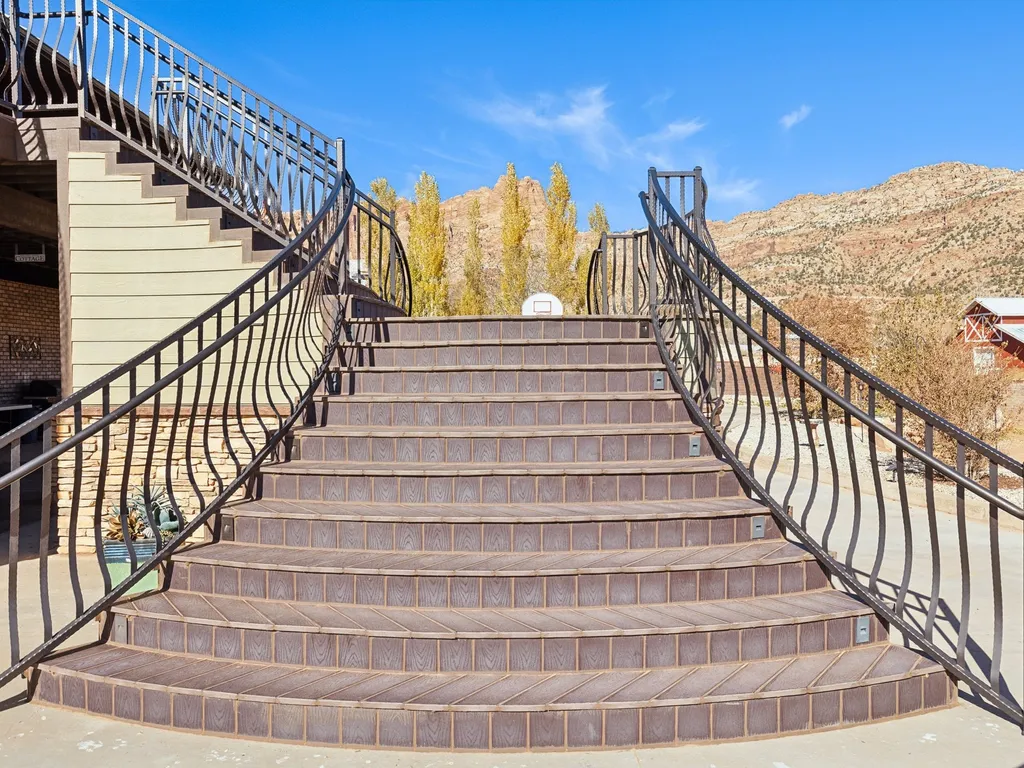
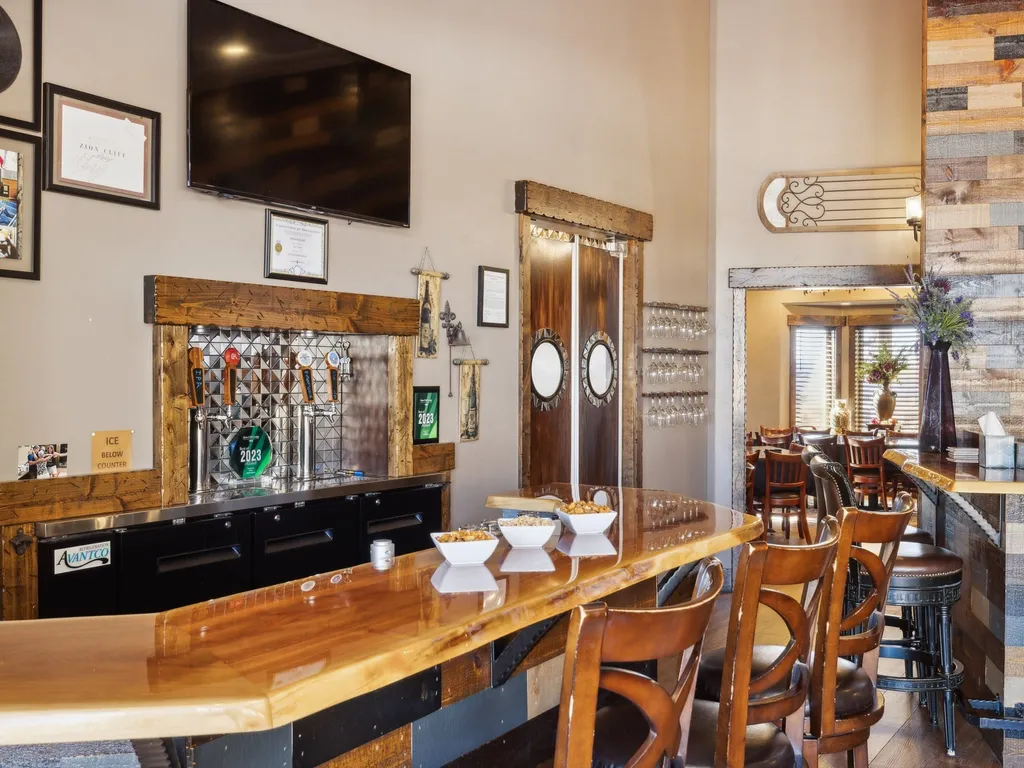
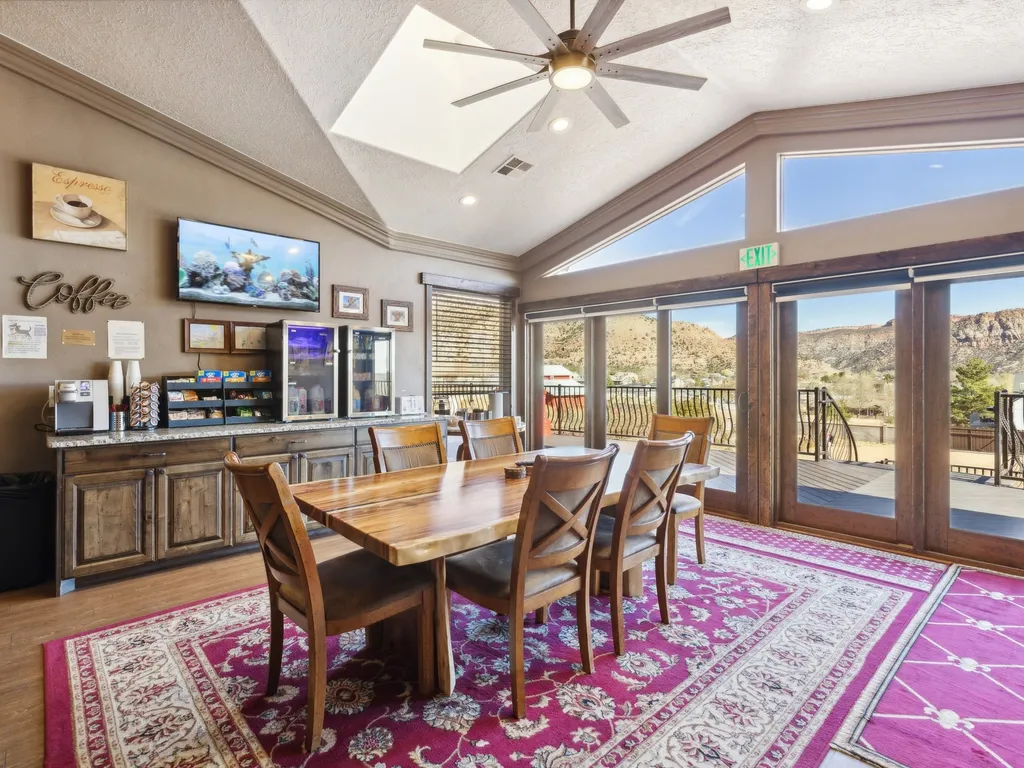
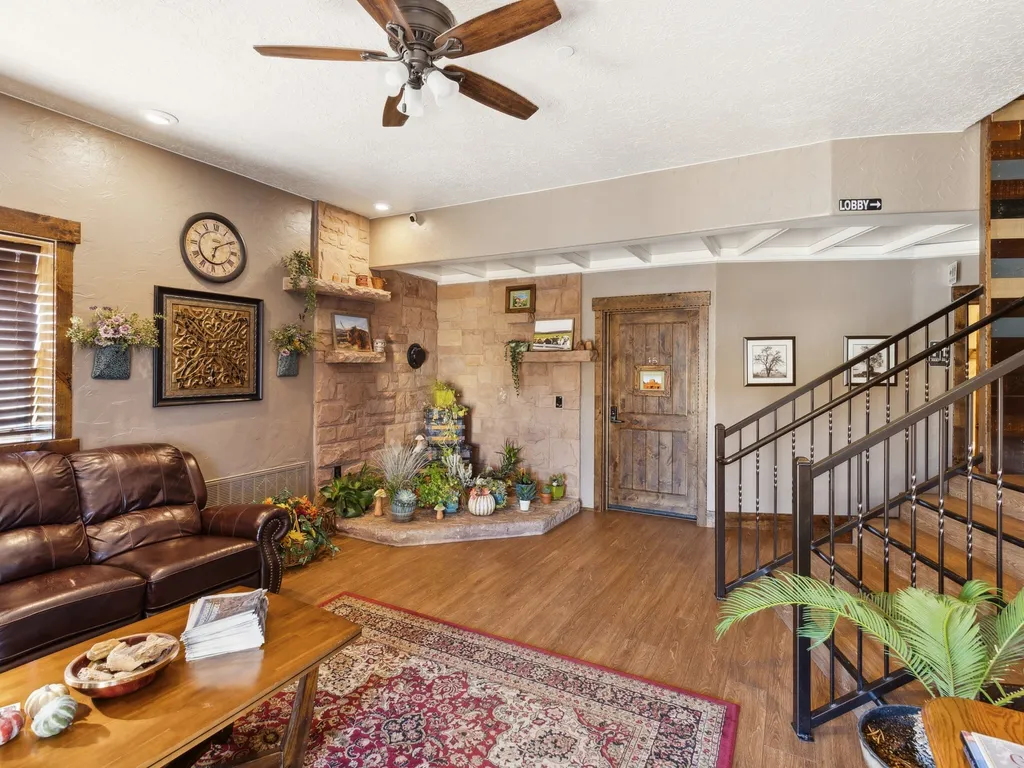
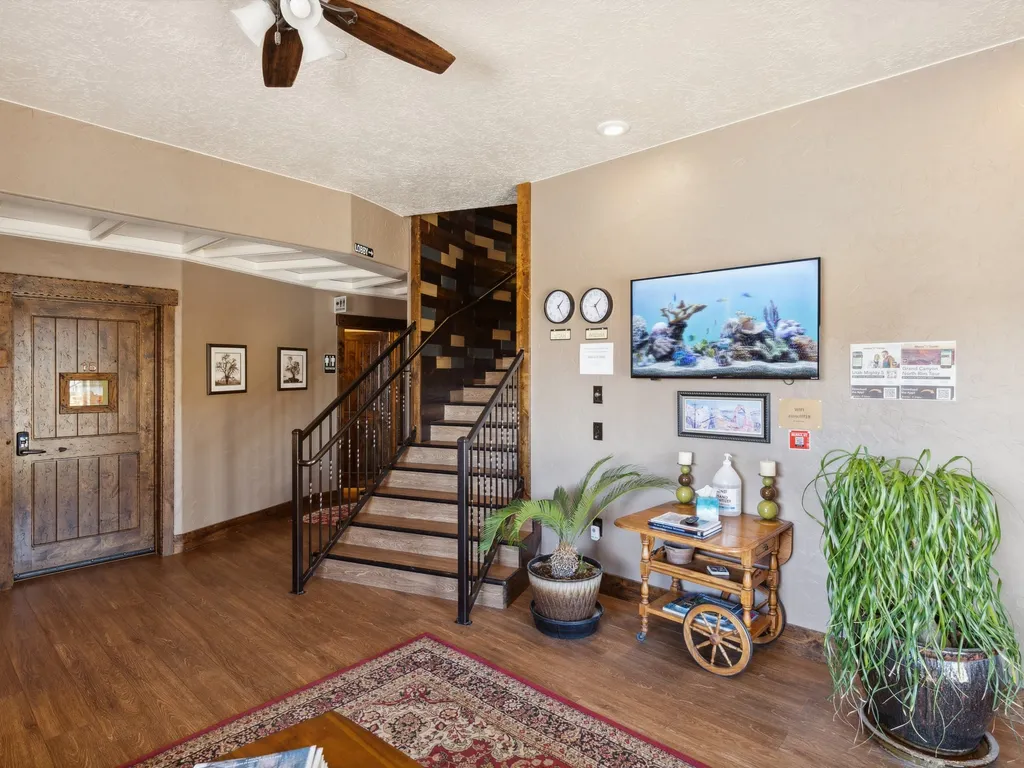
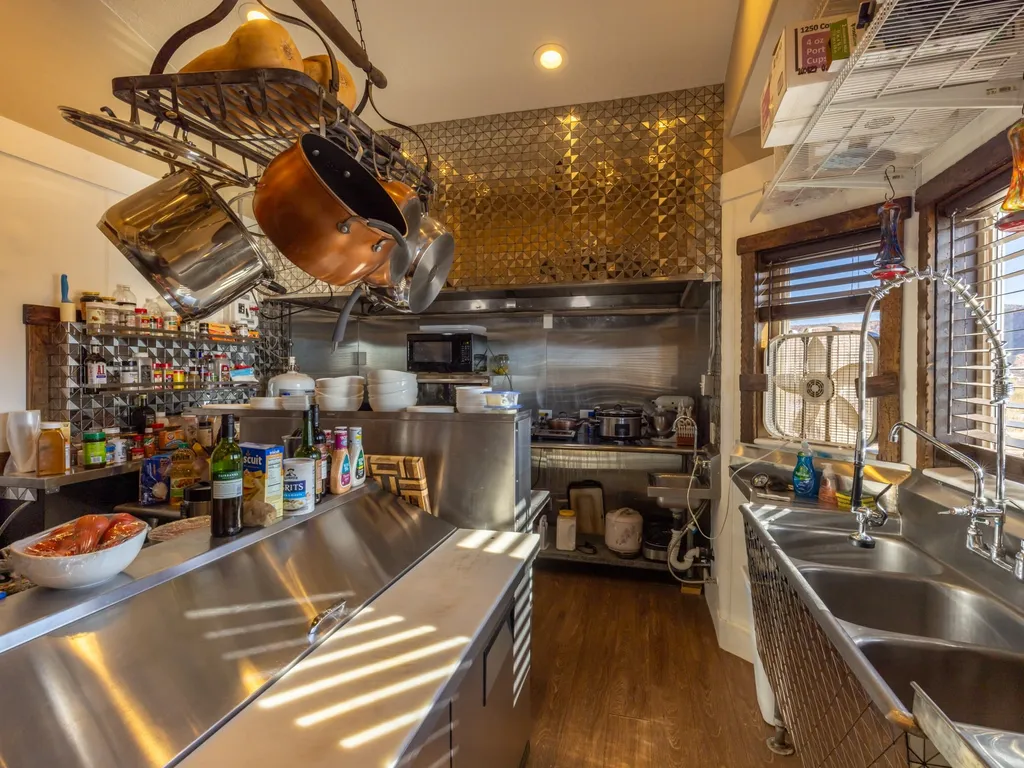
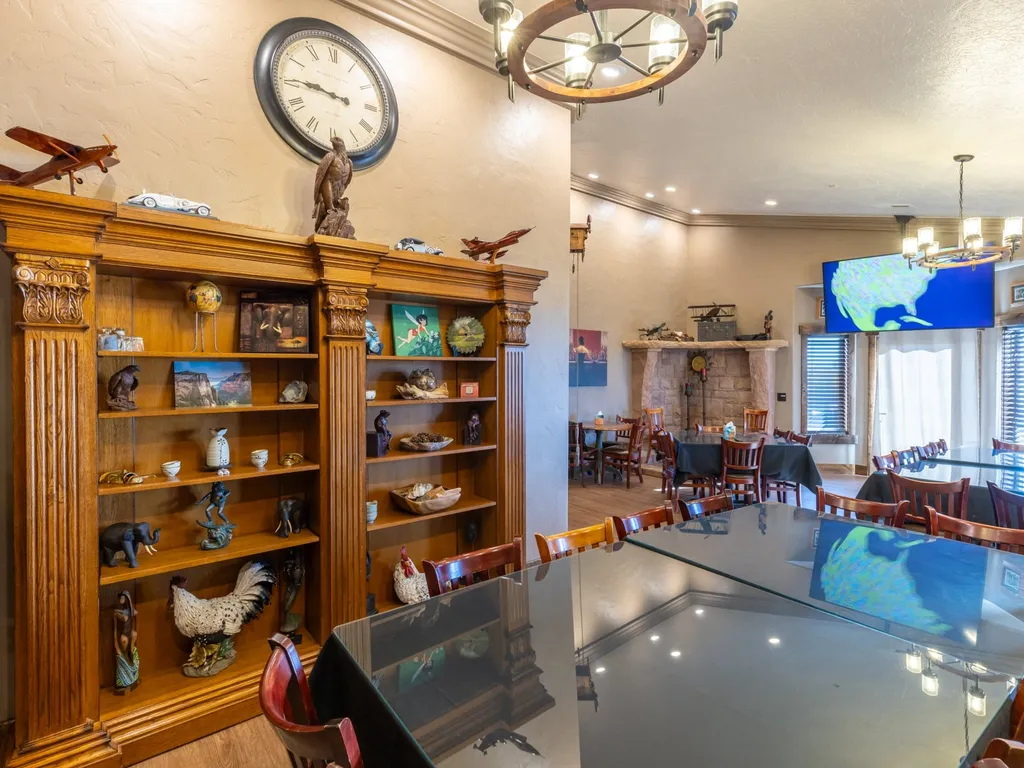
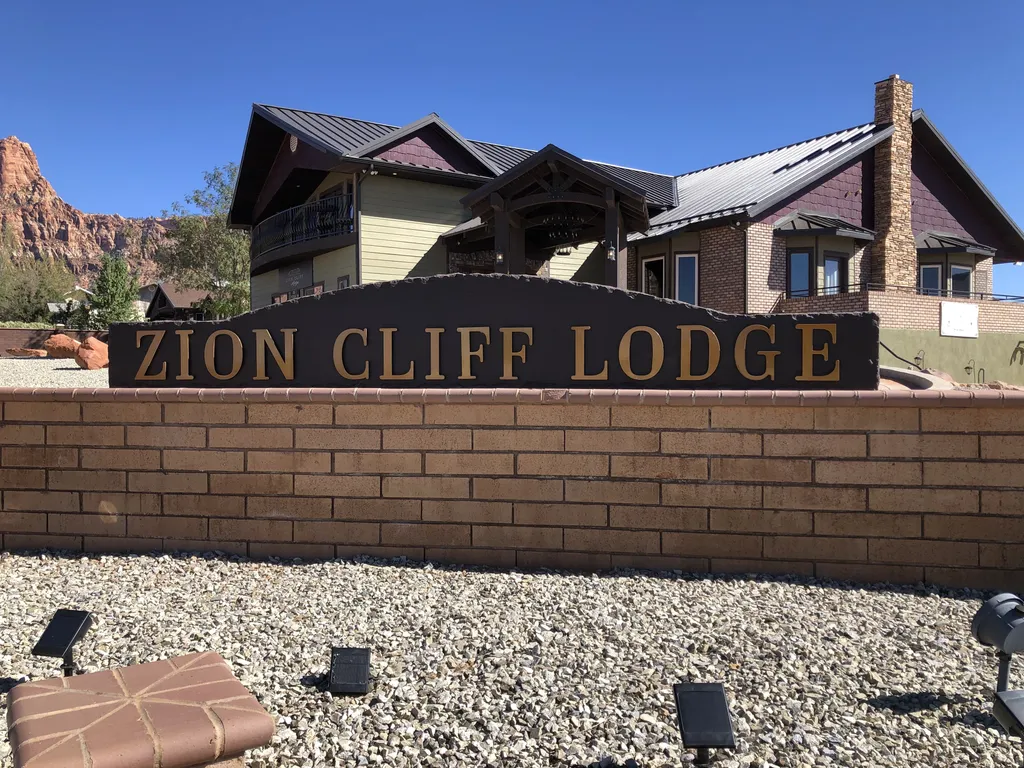
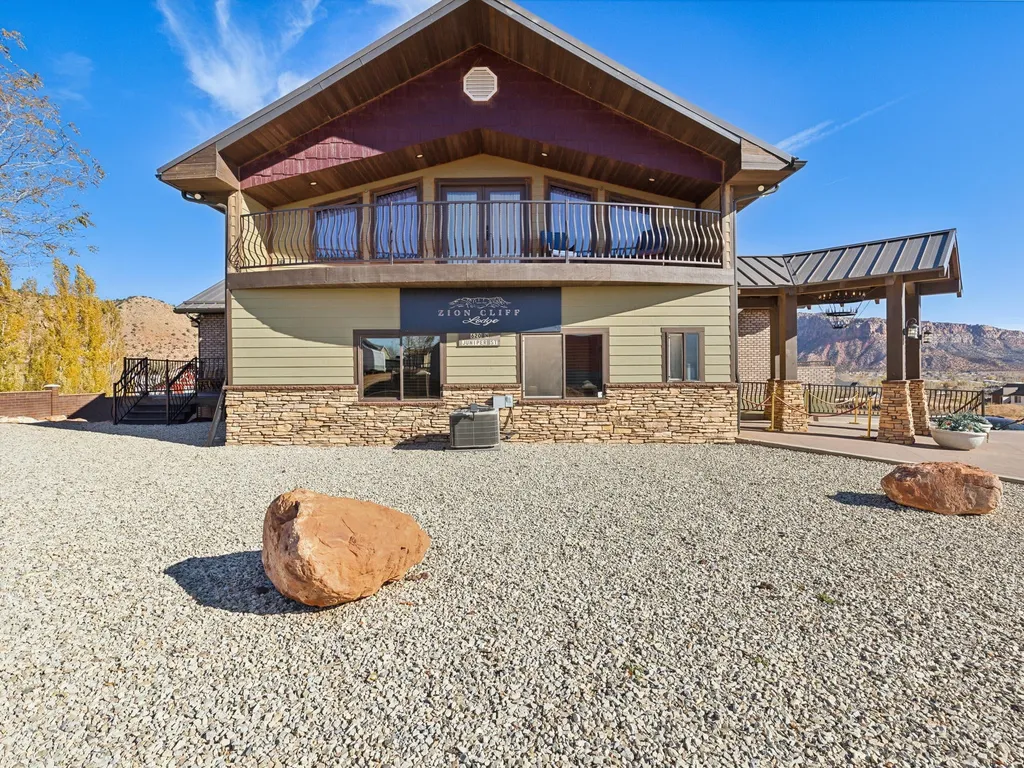
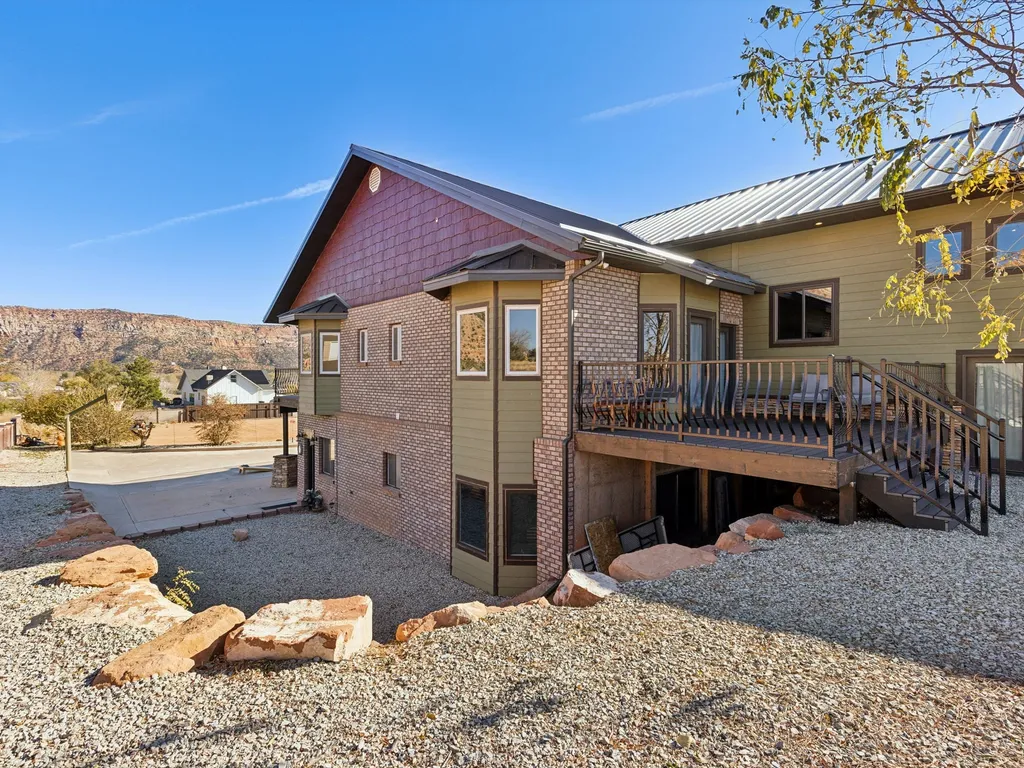
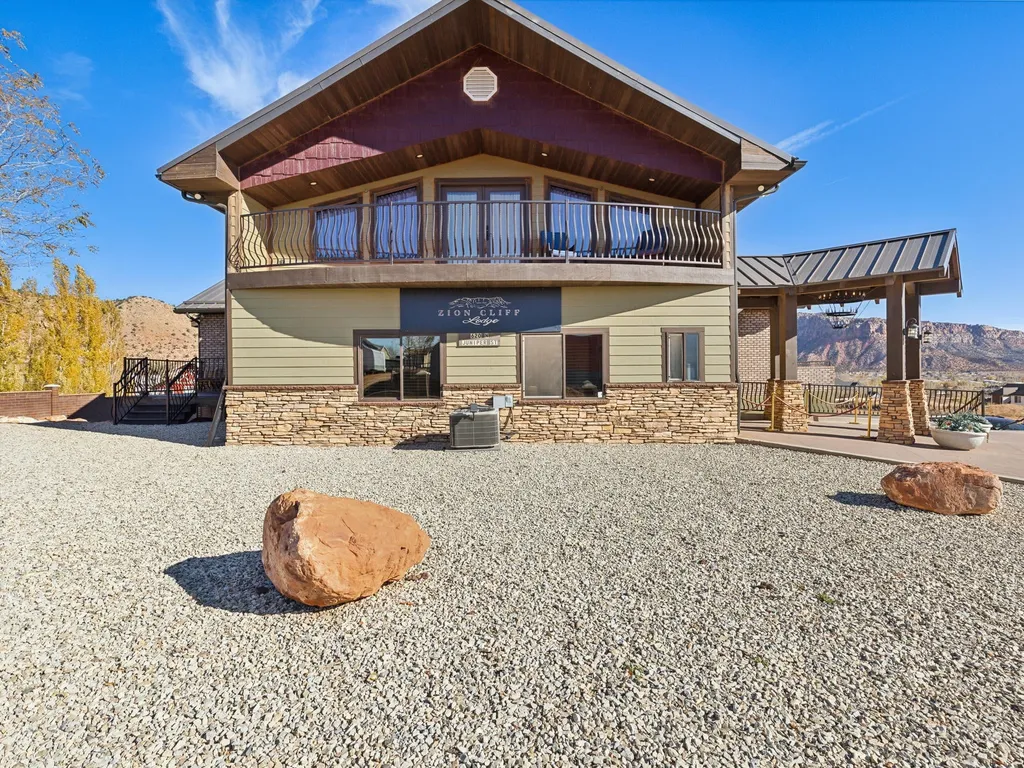
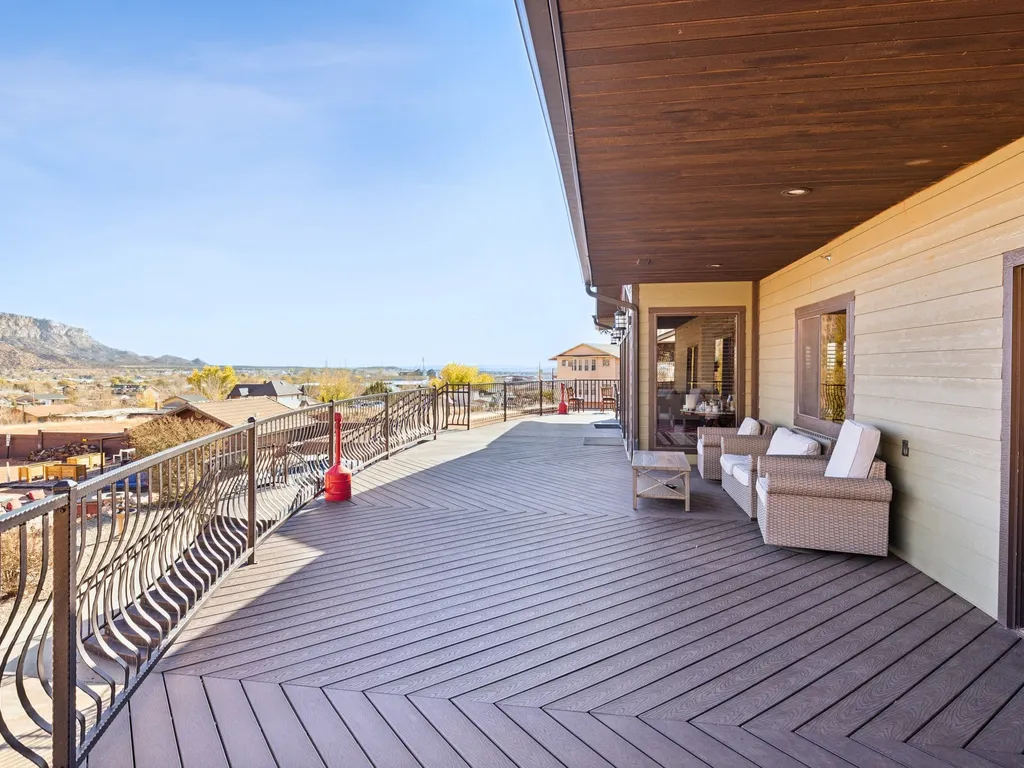
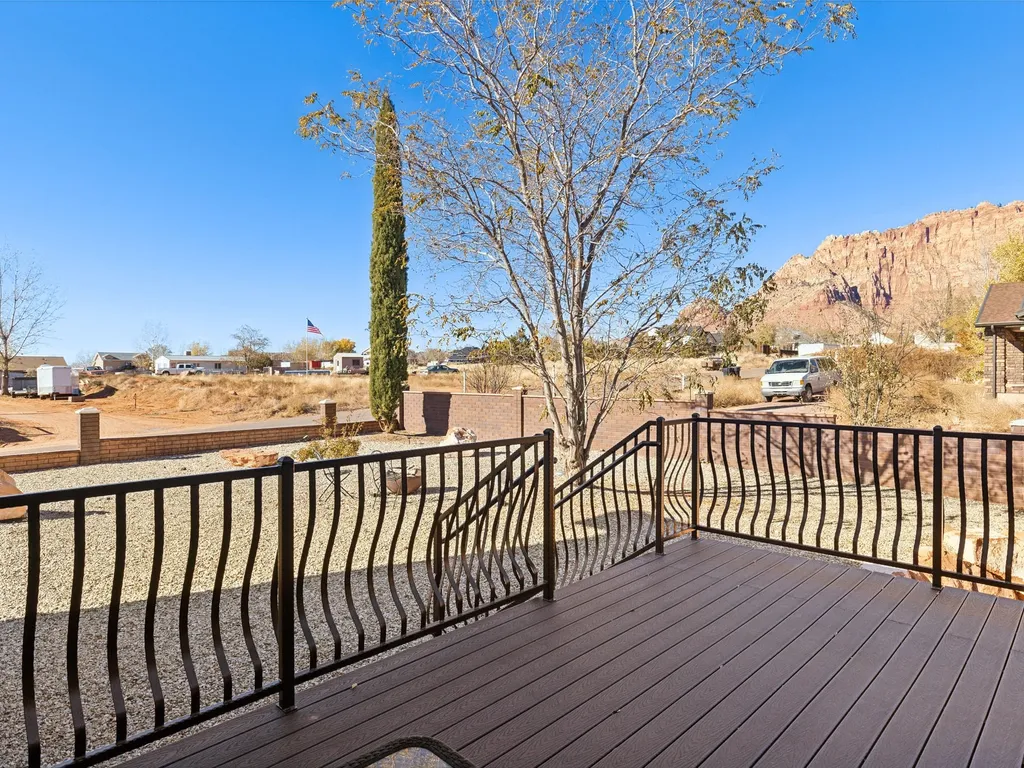
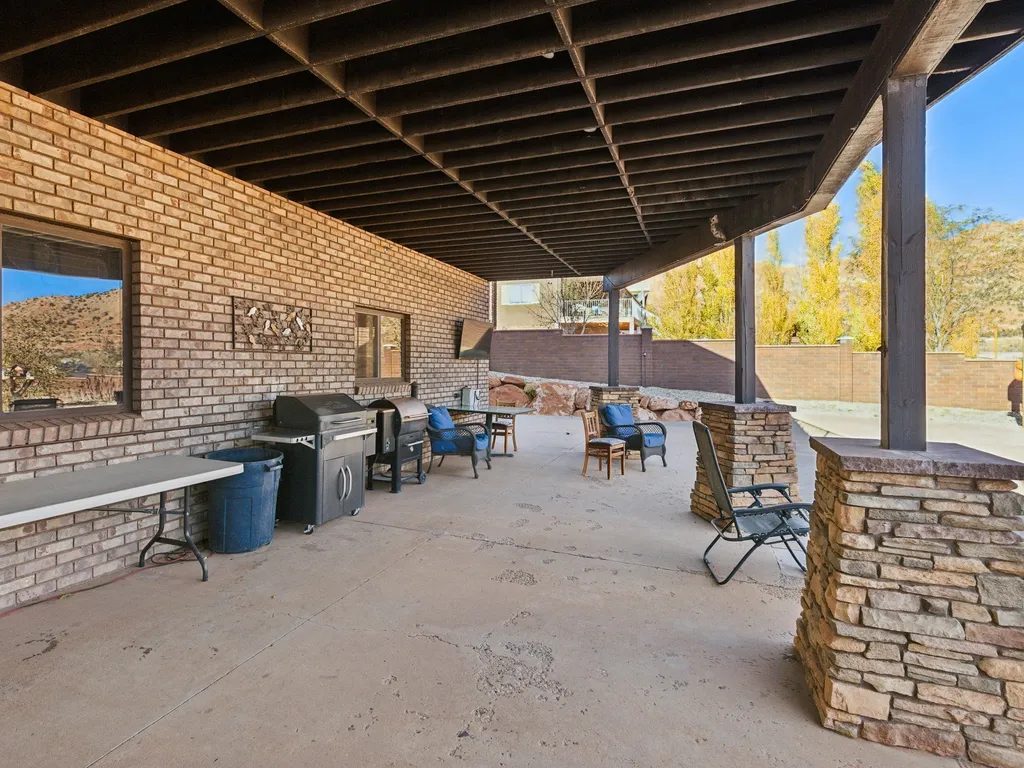
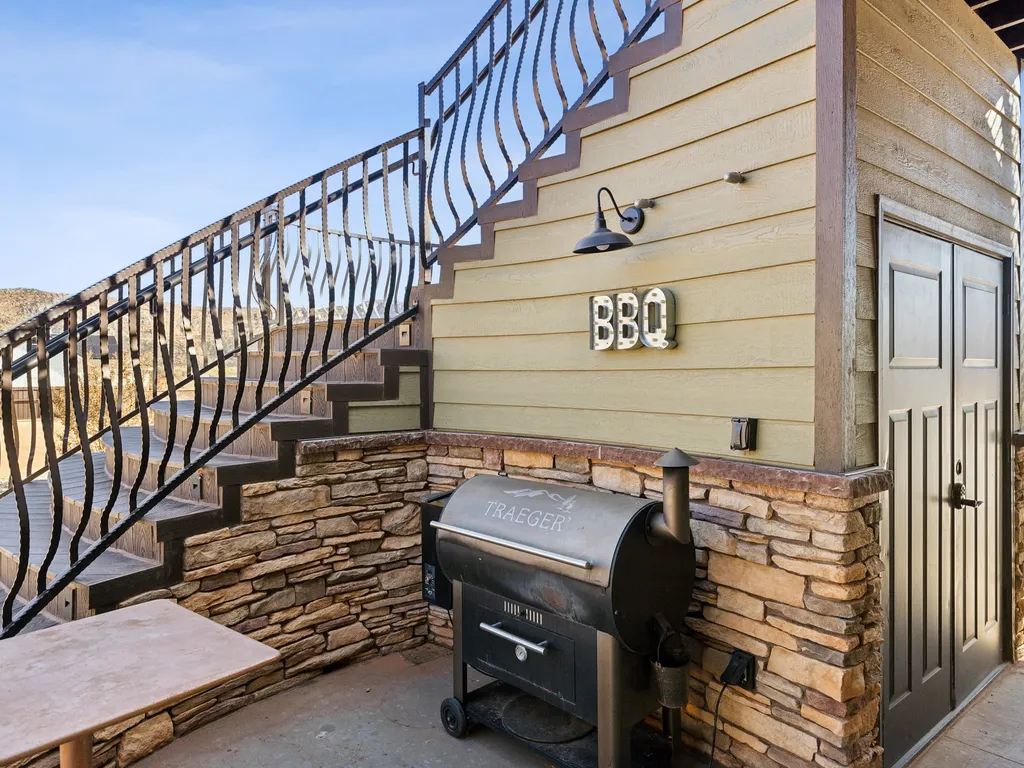
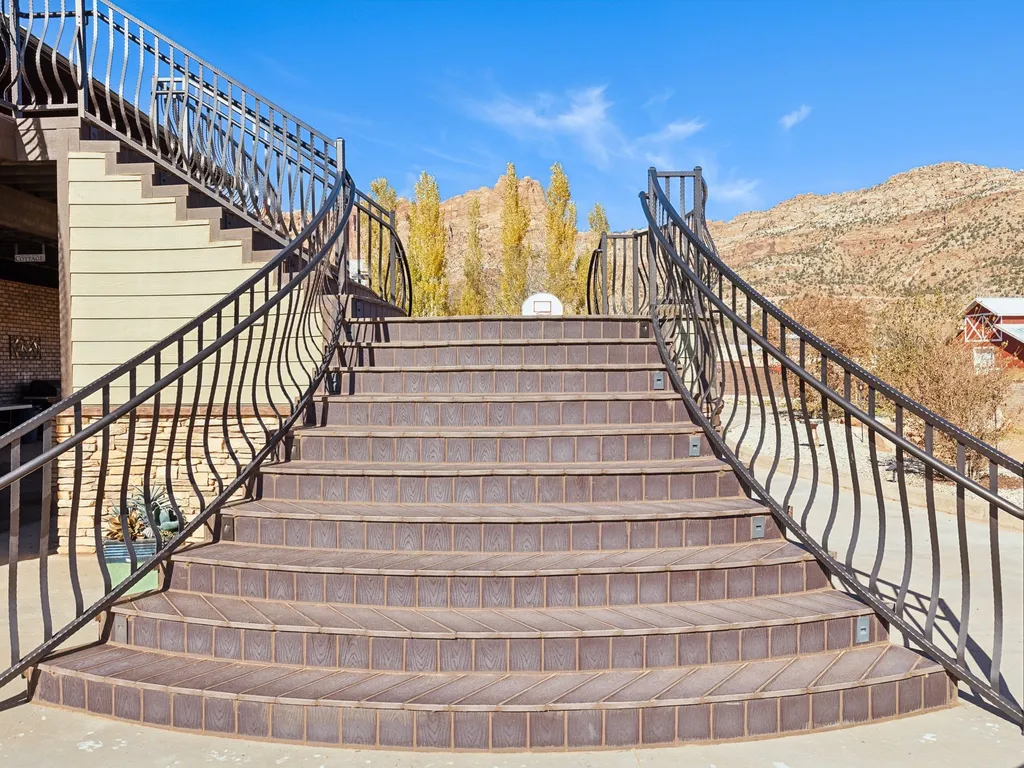
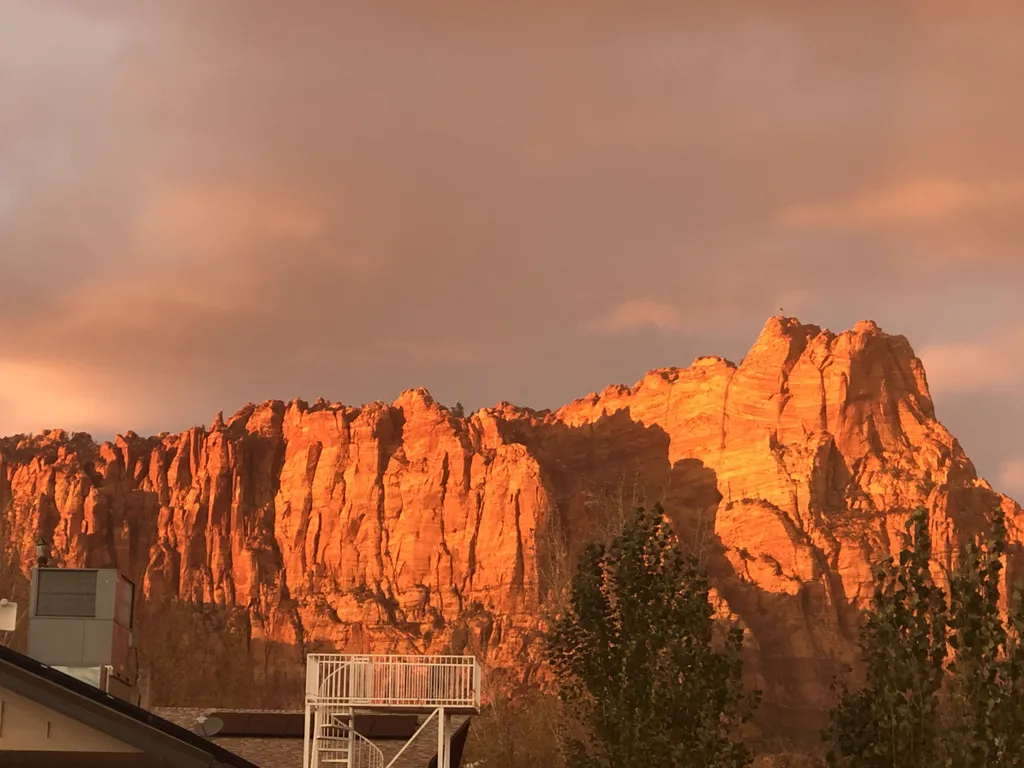
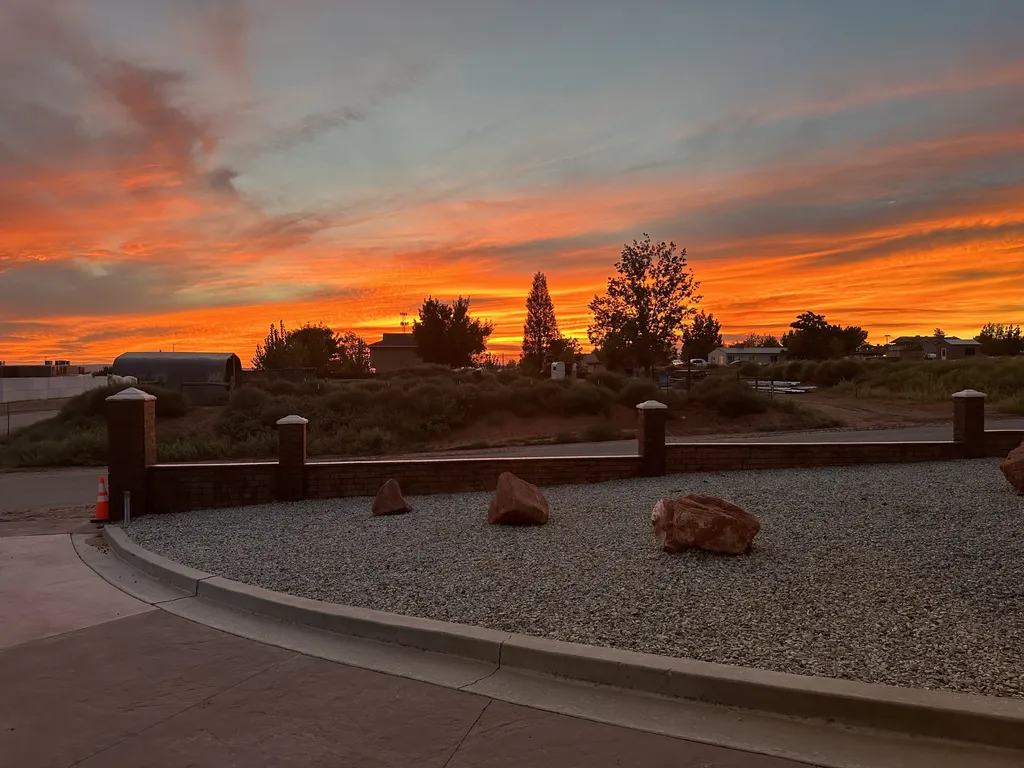
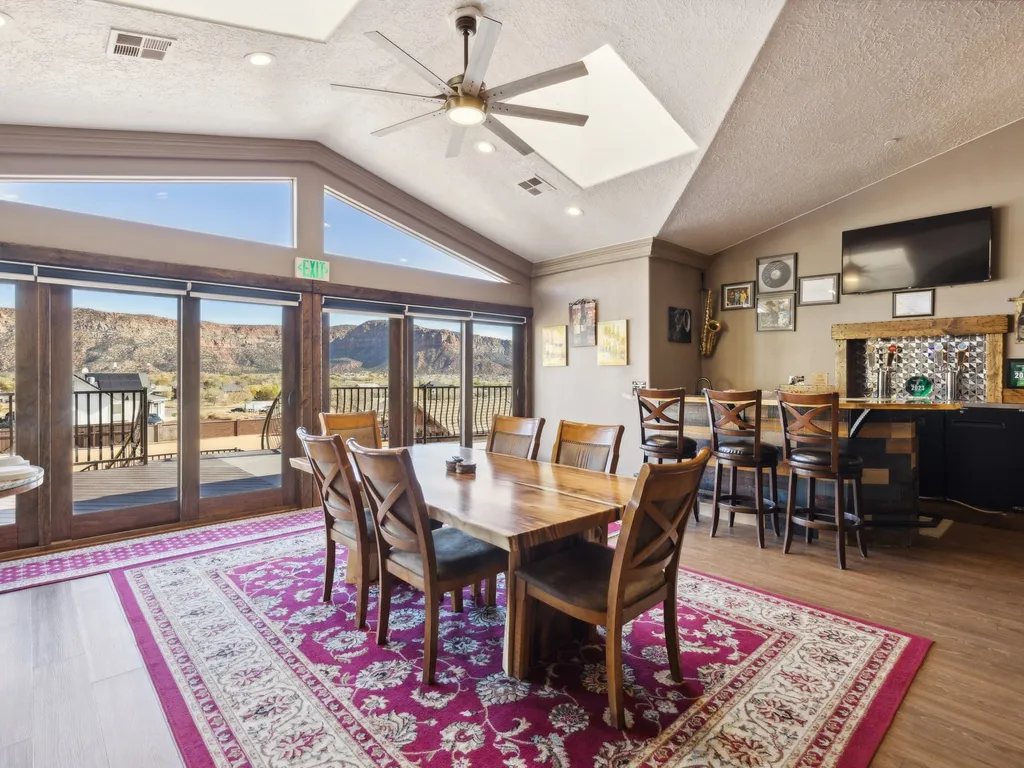
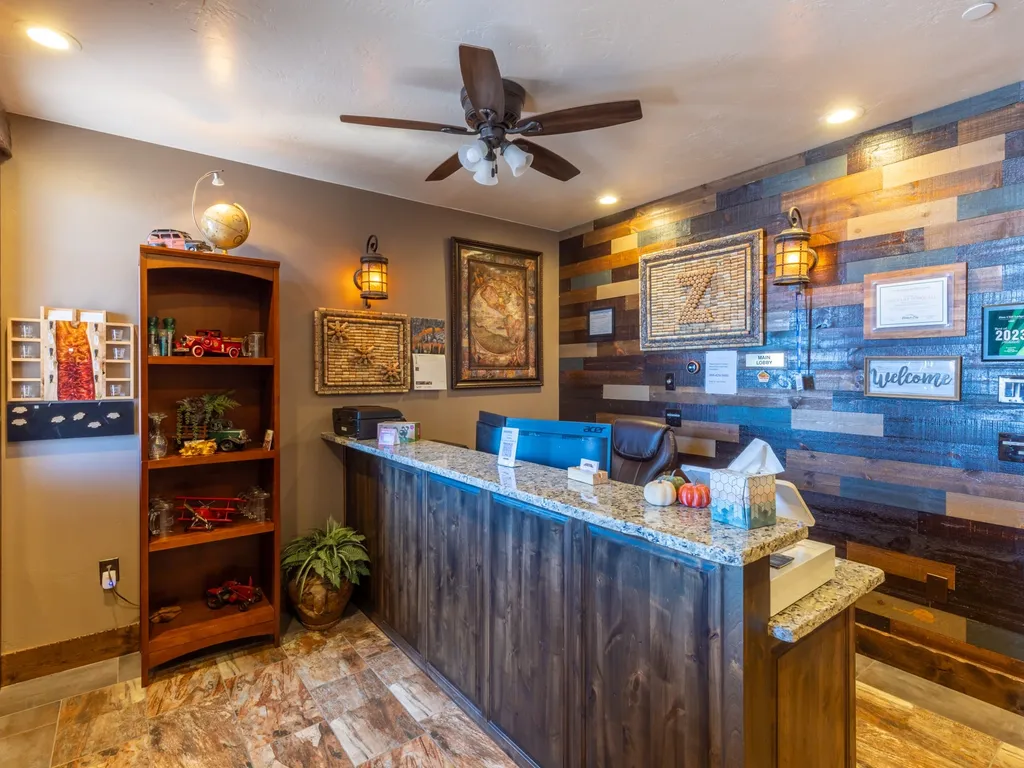
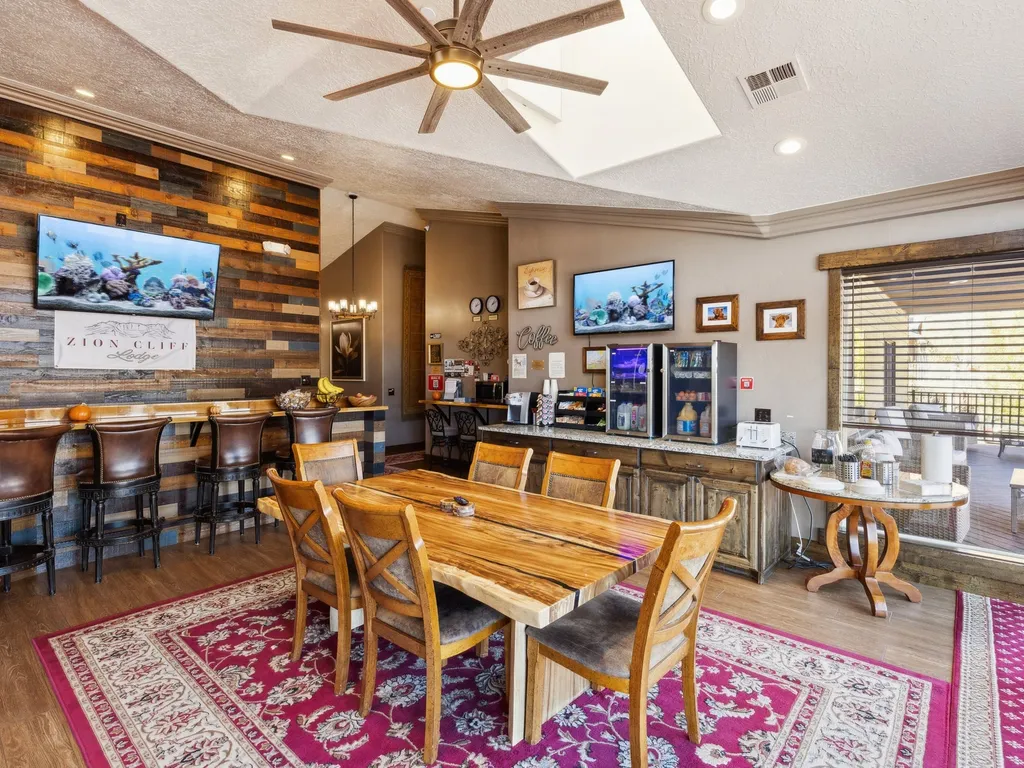
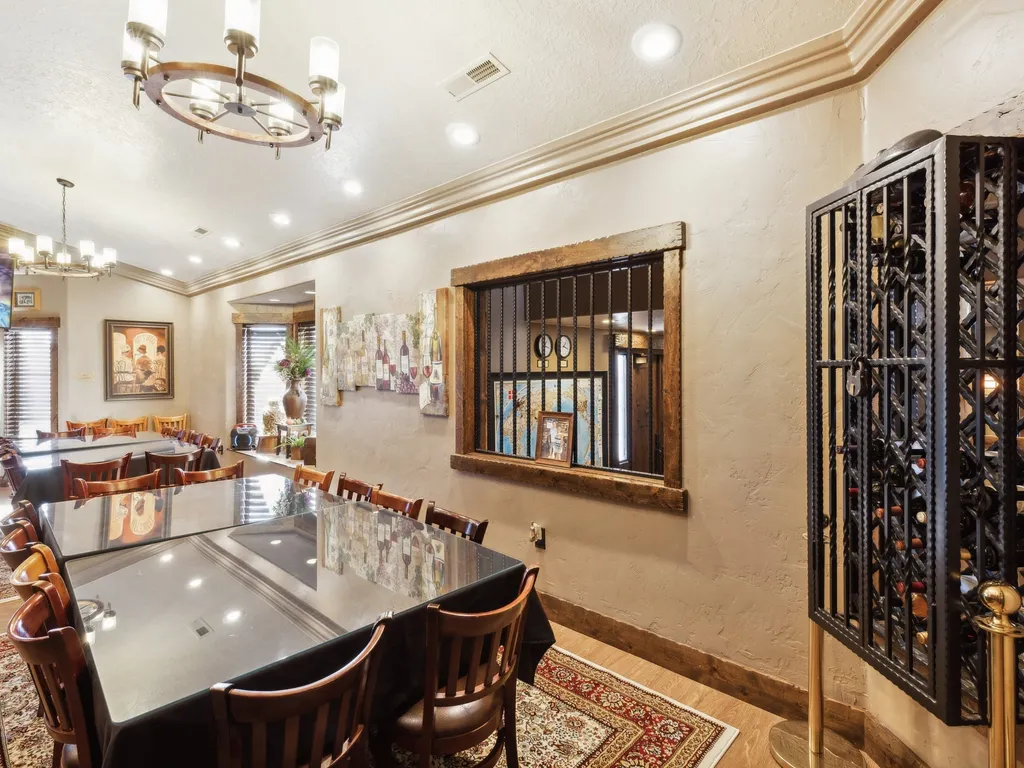
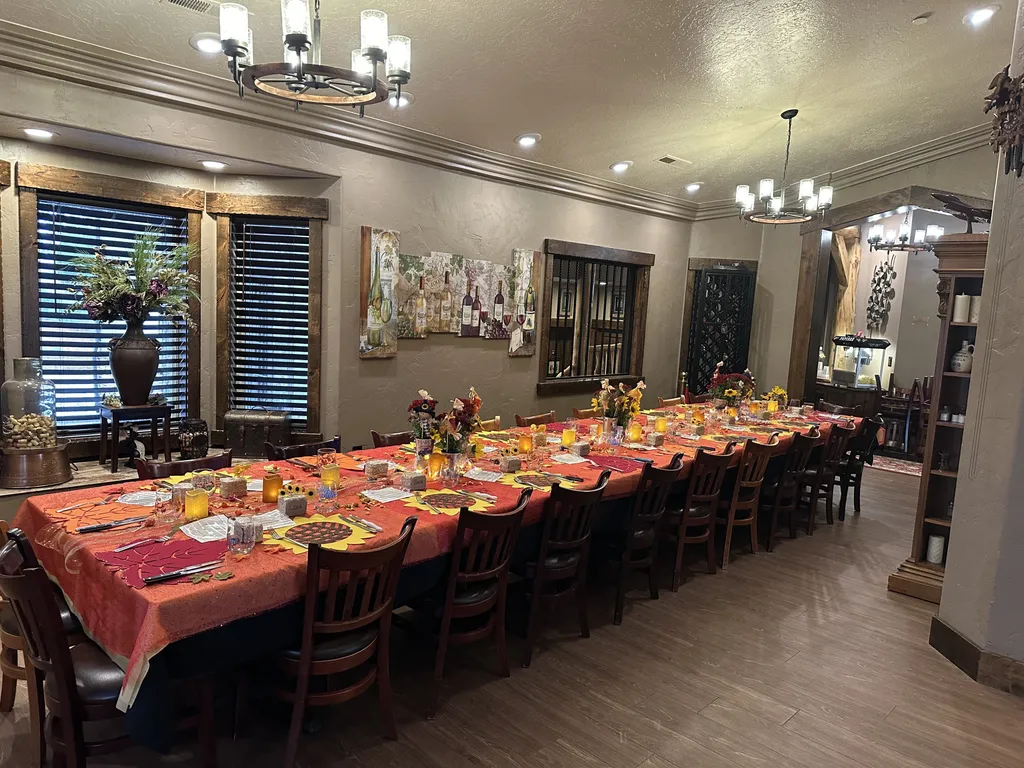
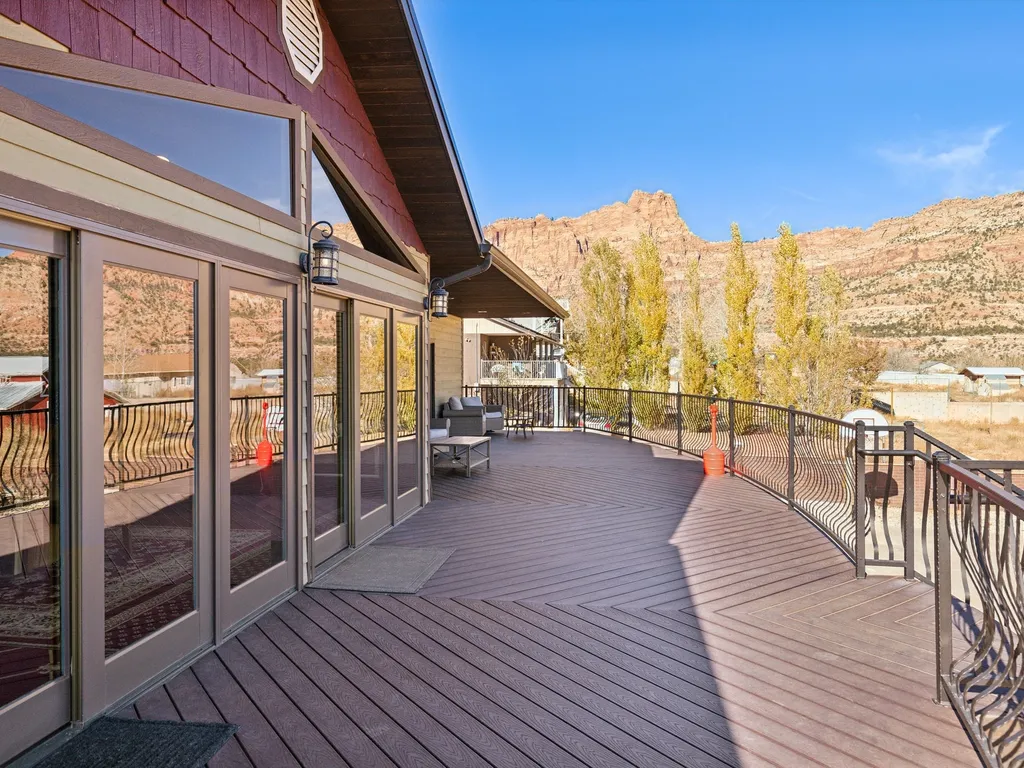
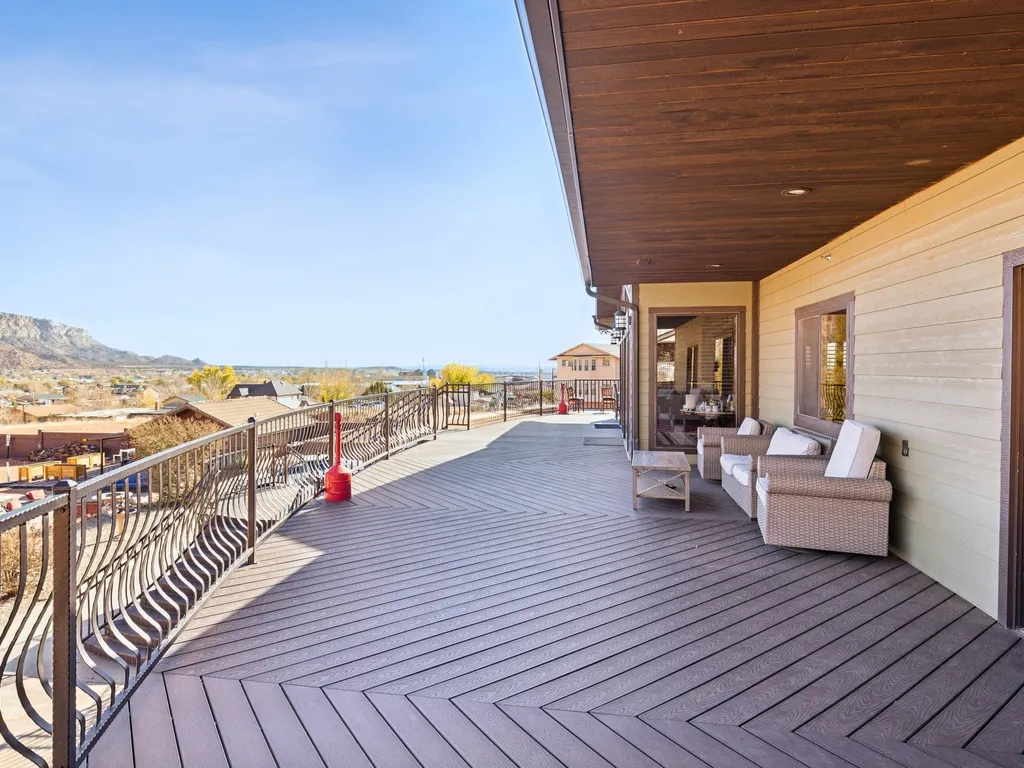
home48 mi1 / 27Photo 1 of 27



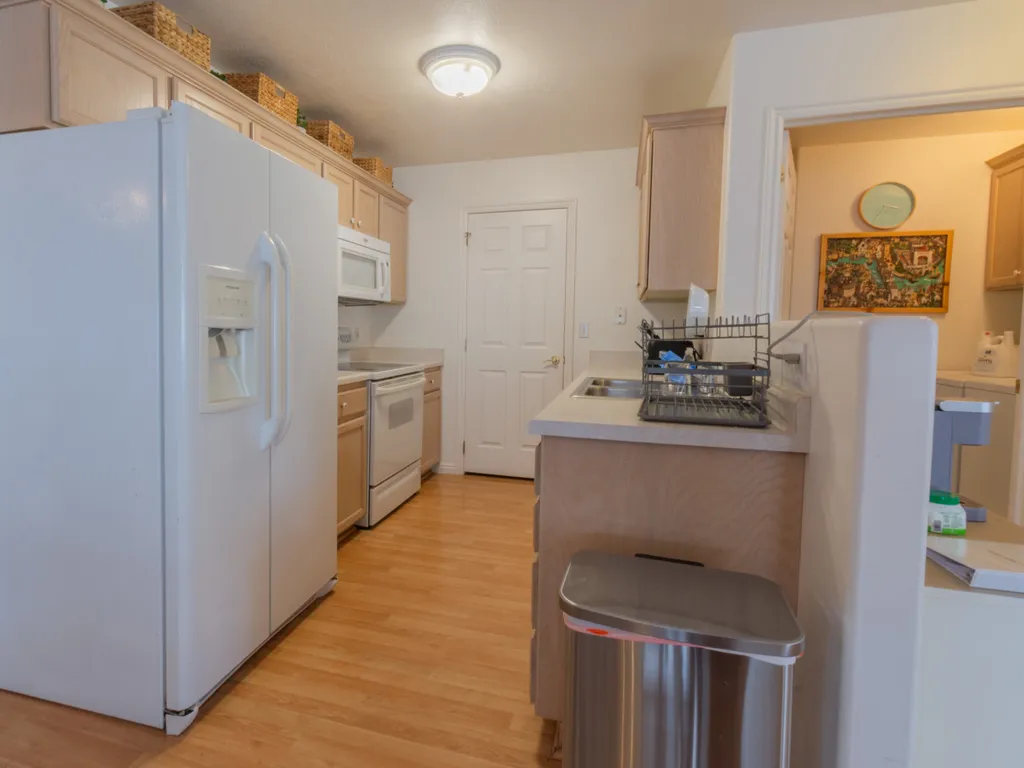


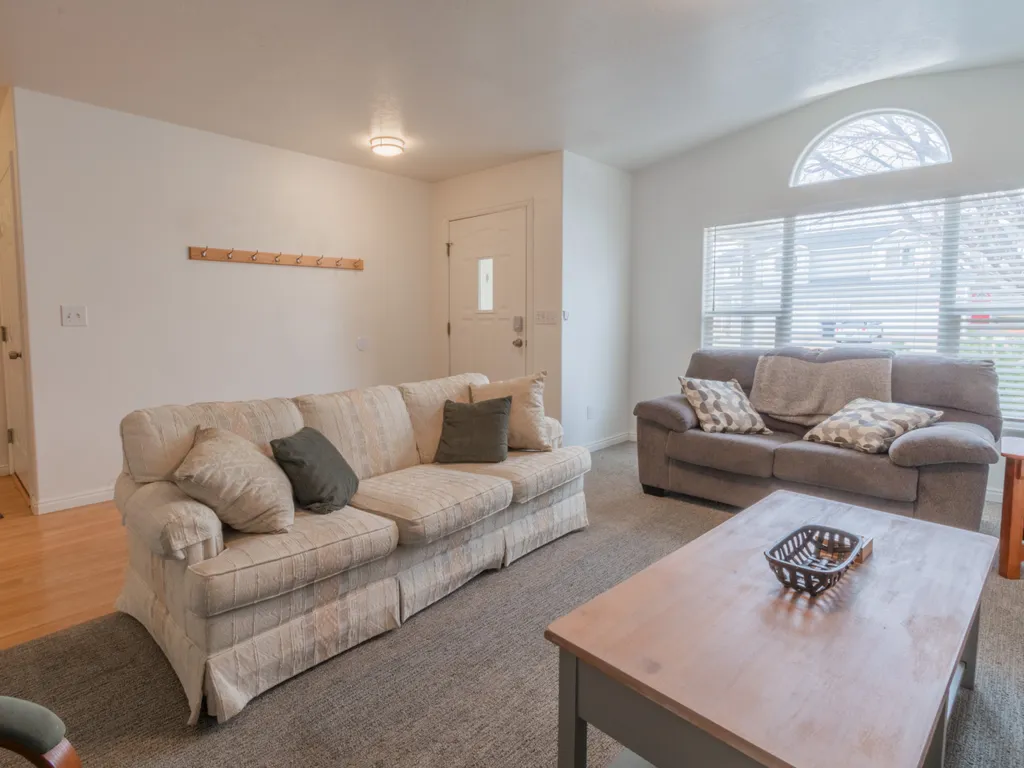
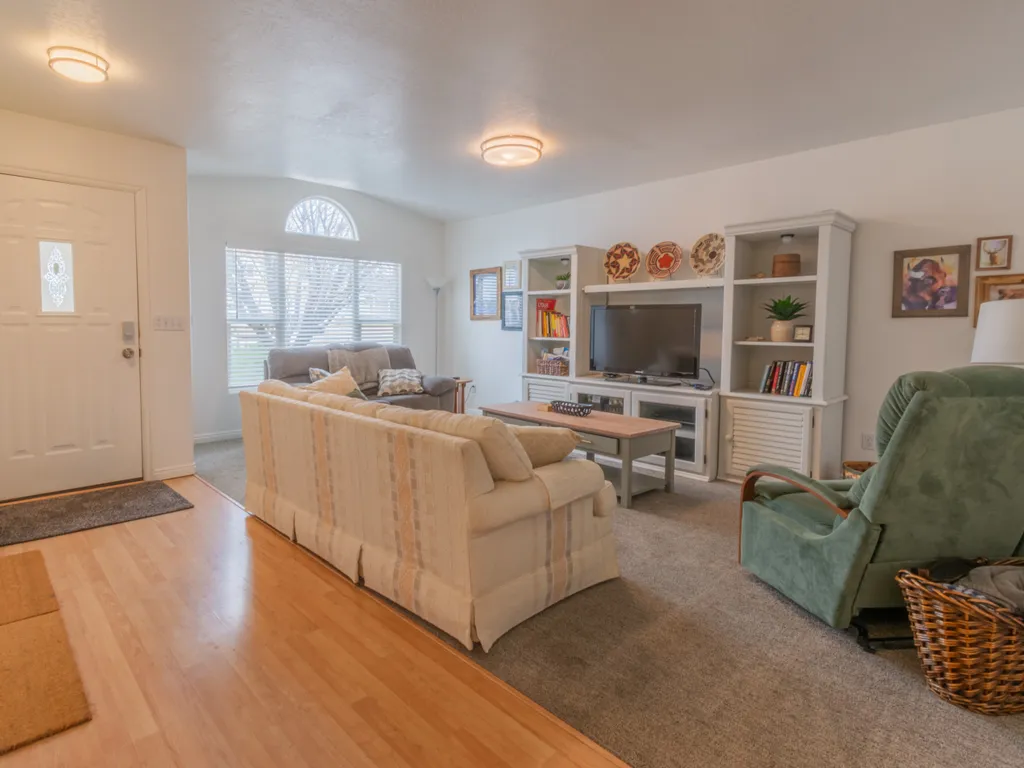

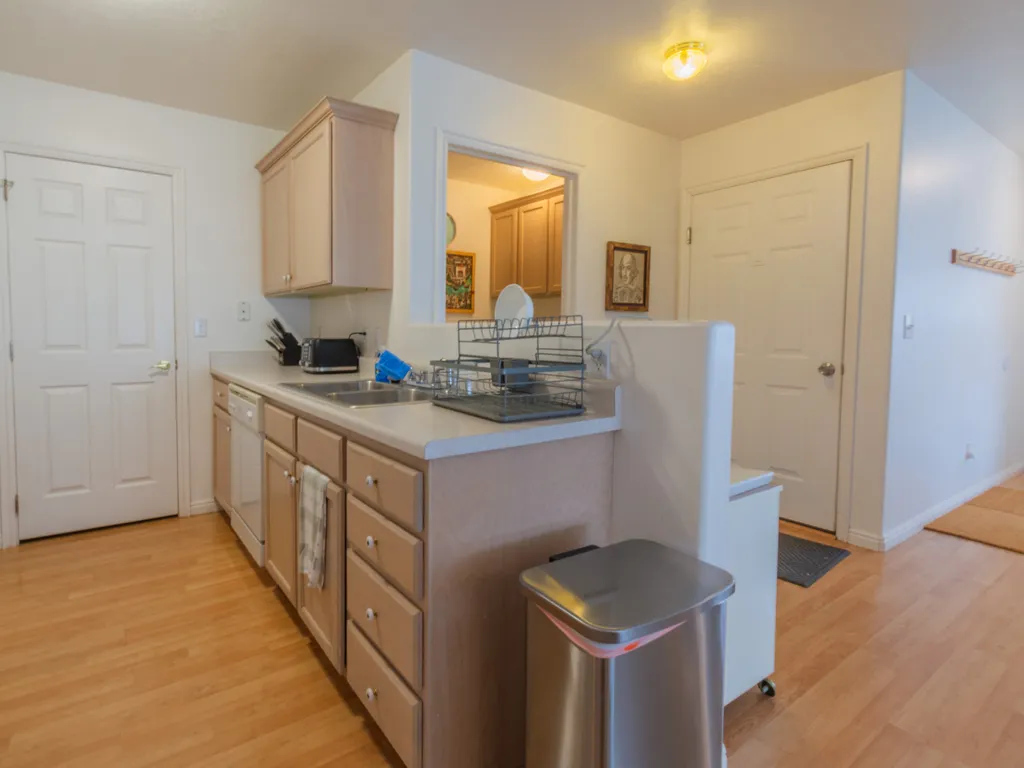
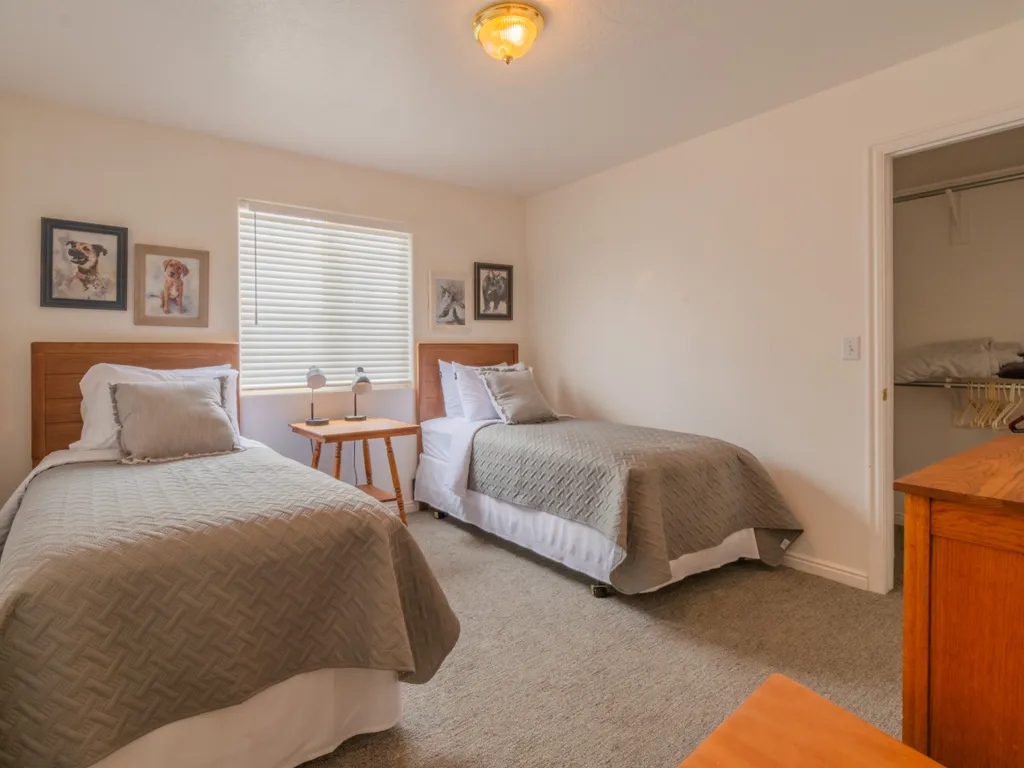


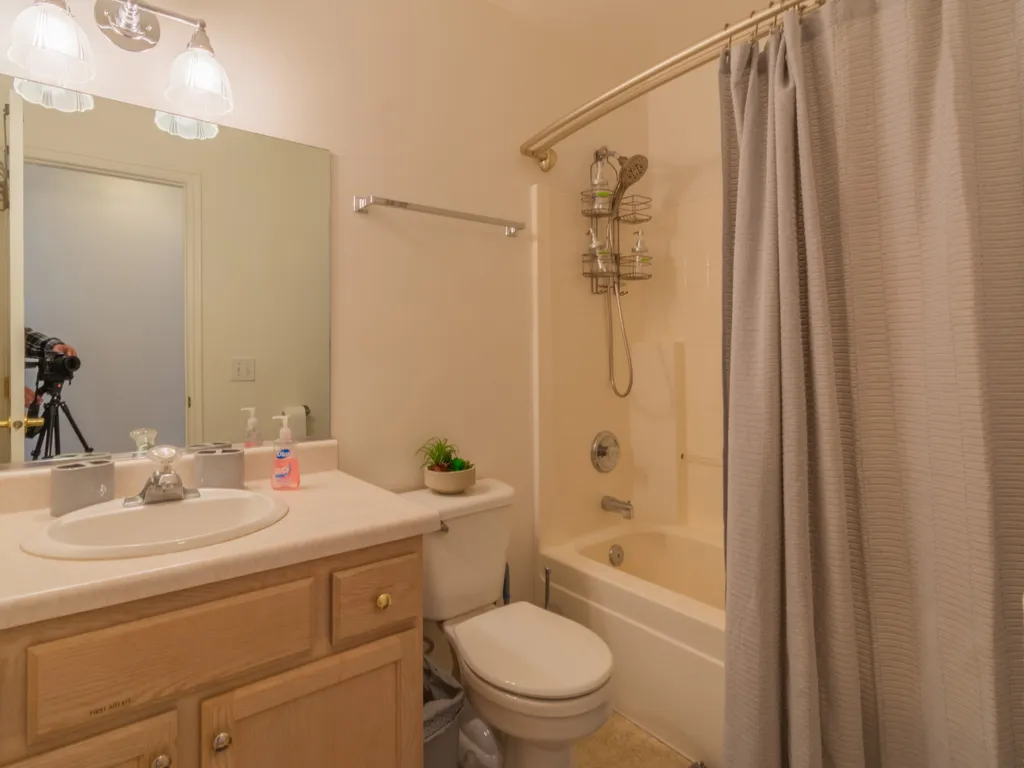
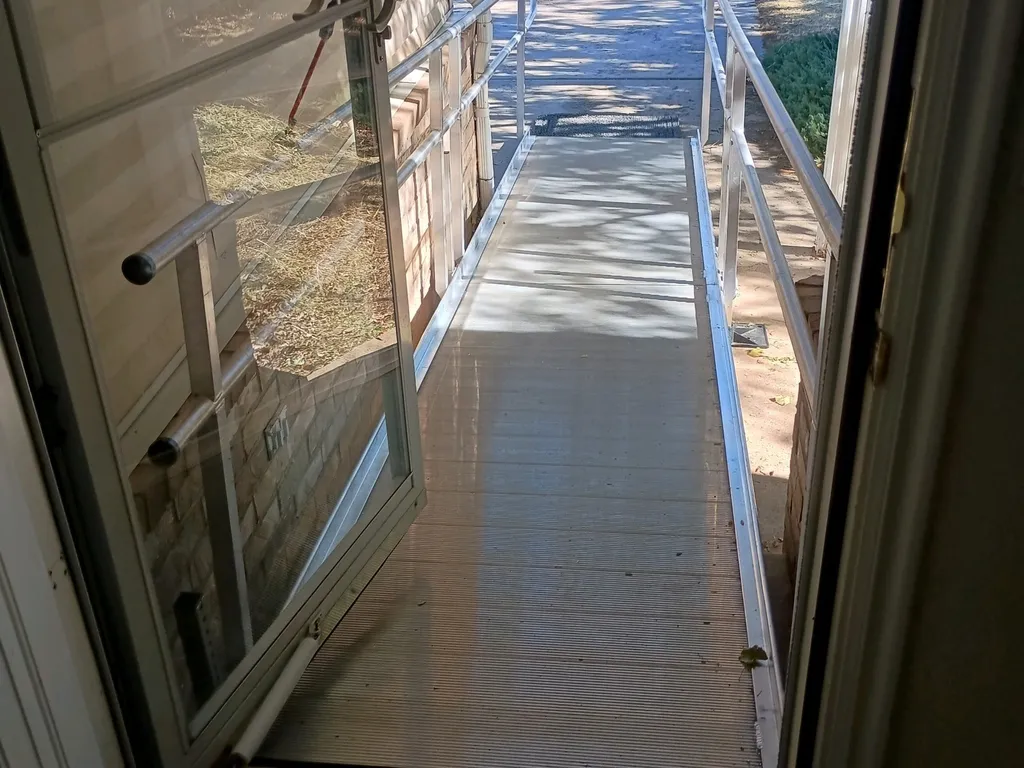

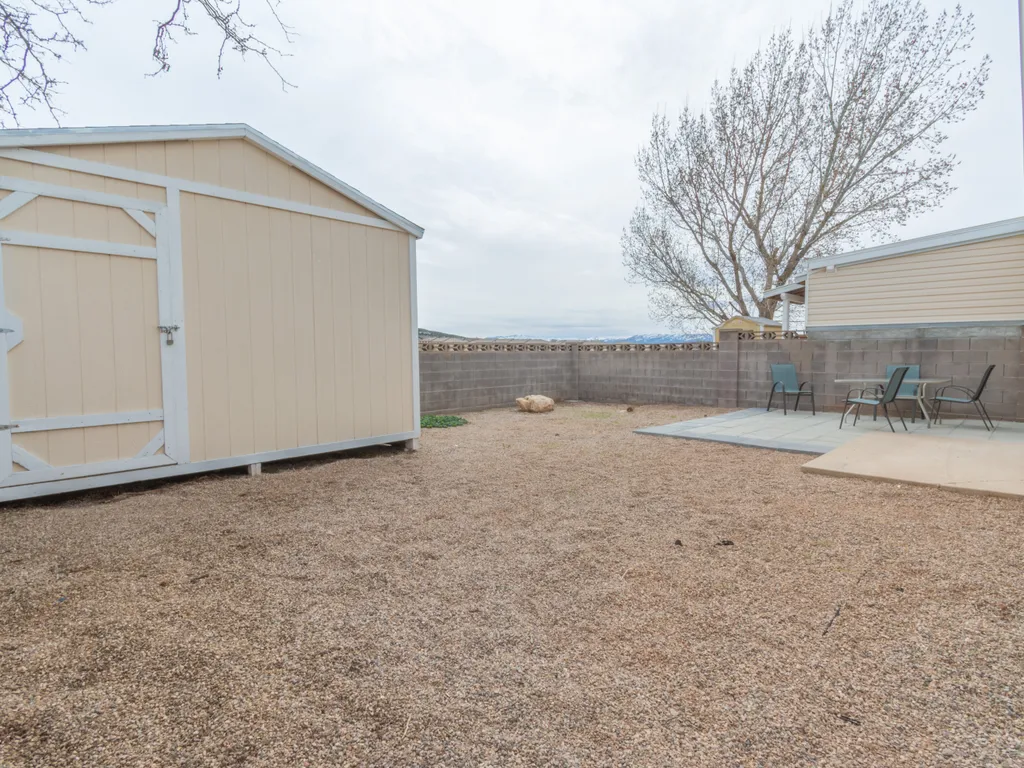


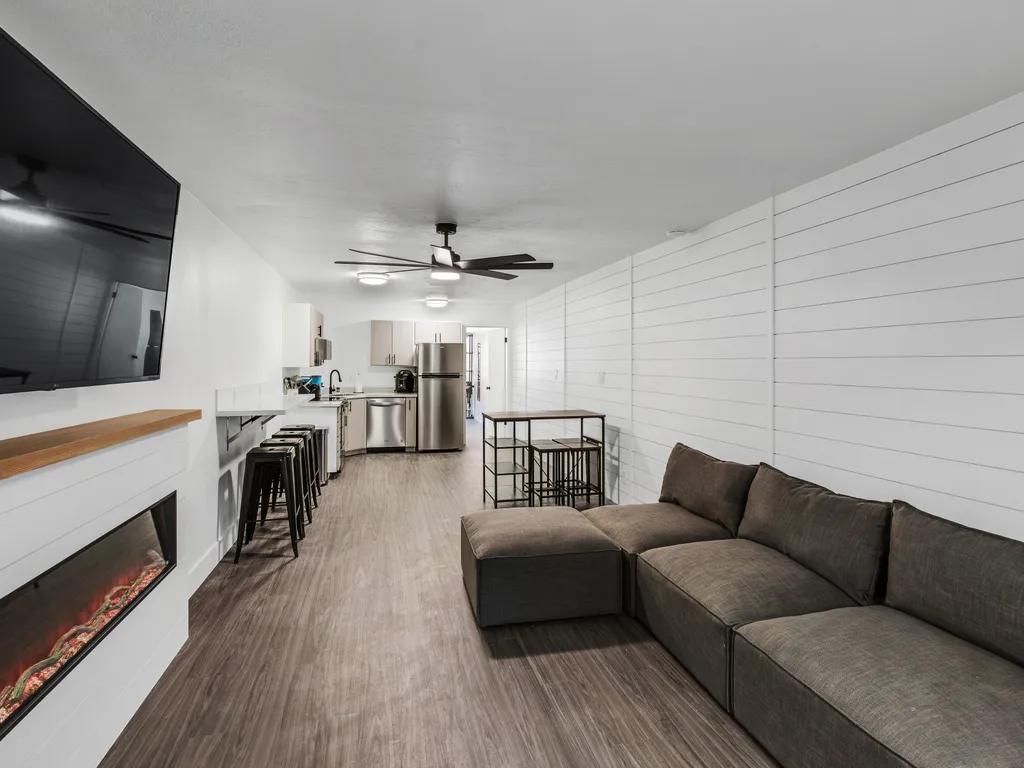
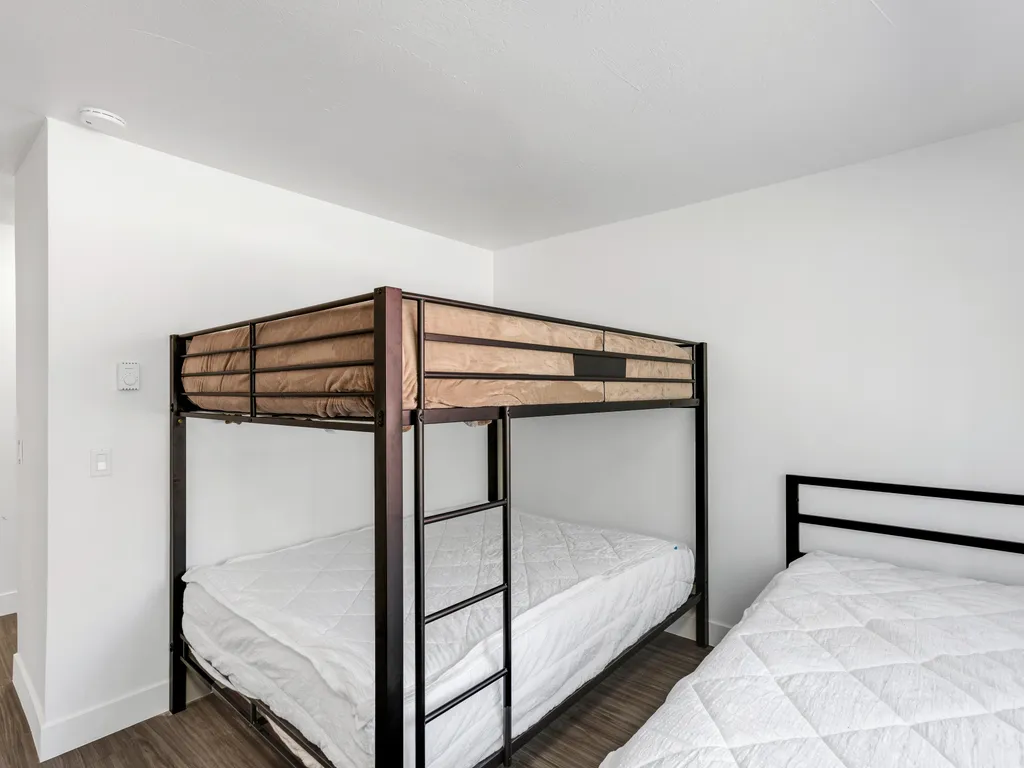
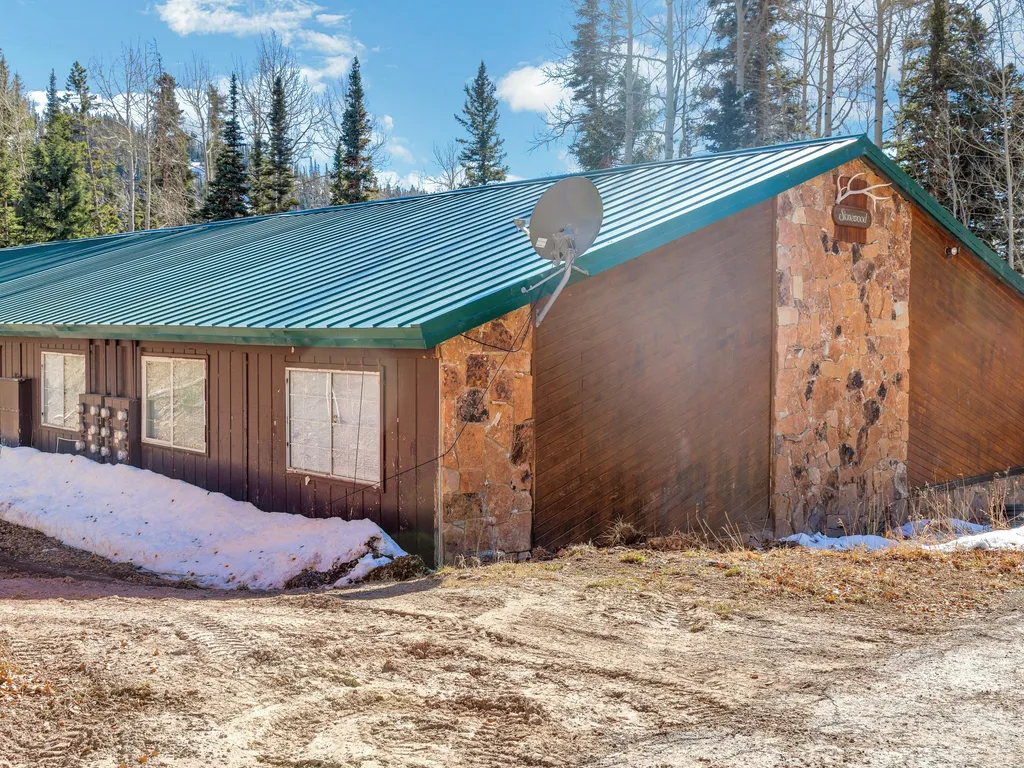
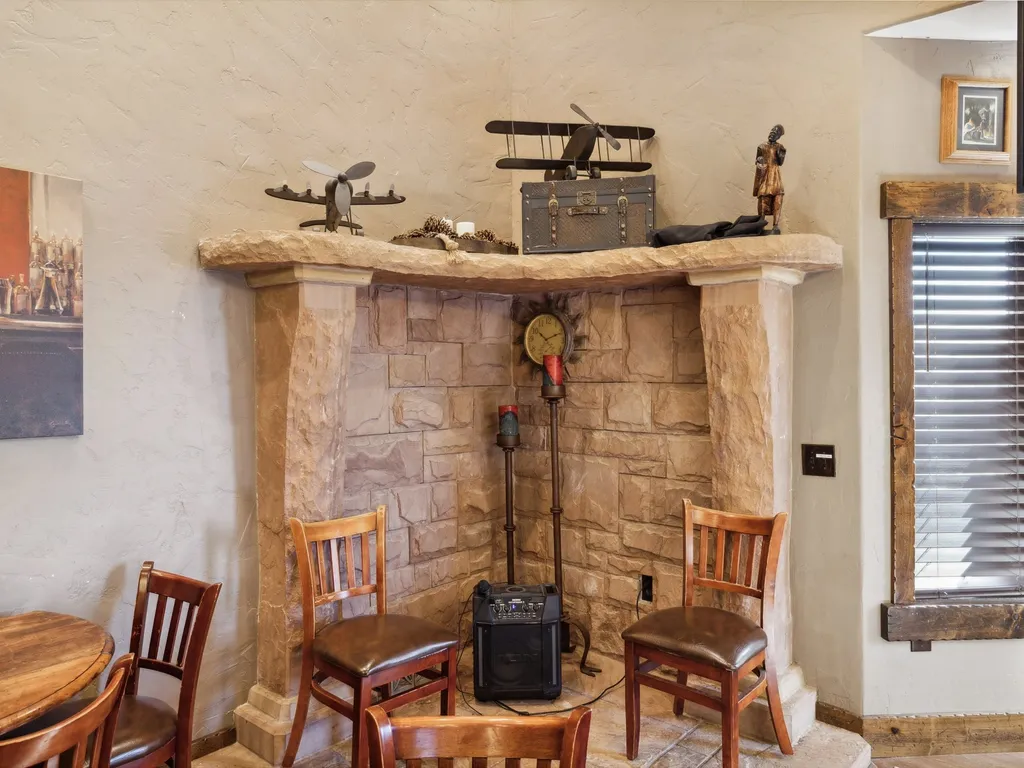
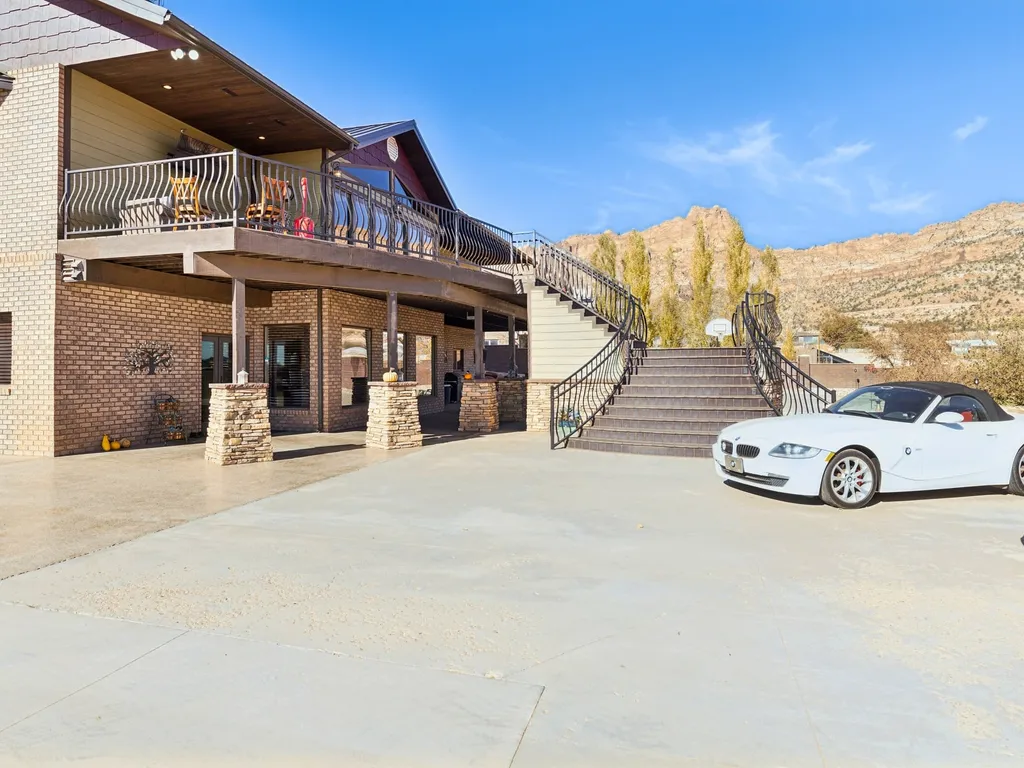
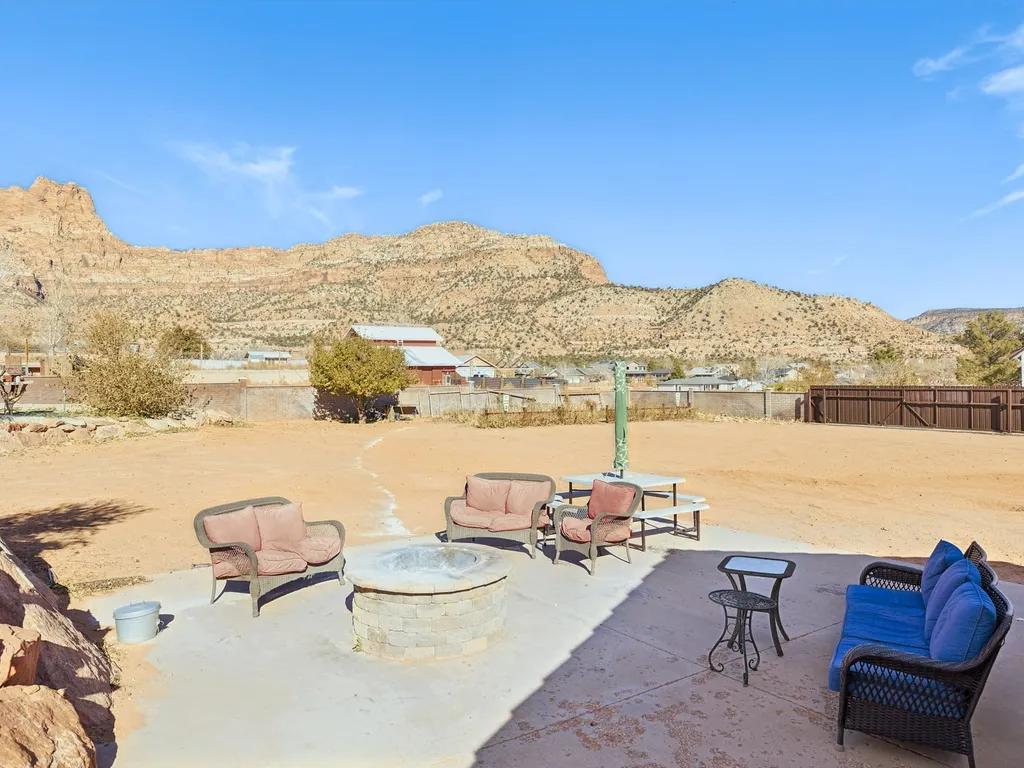
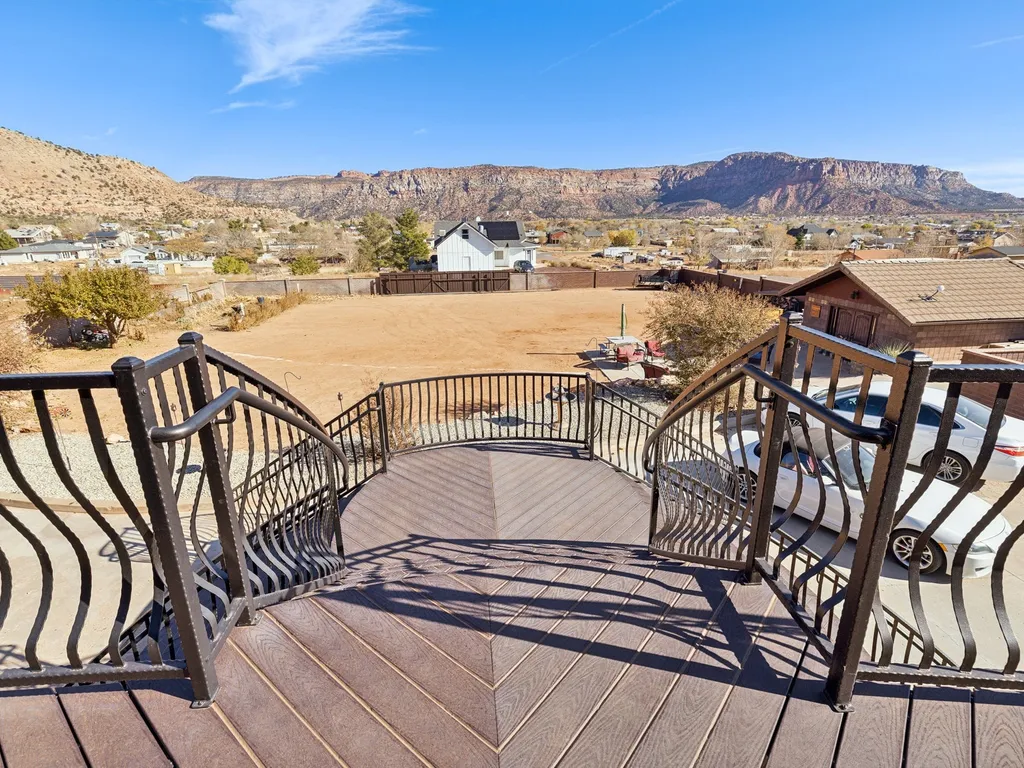
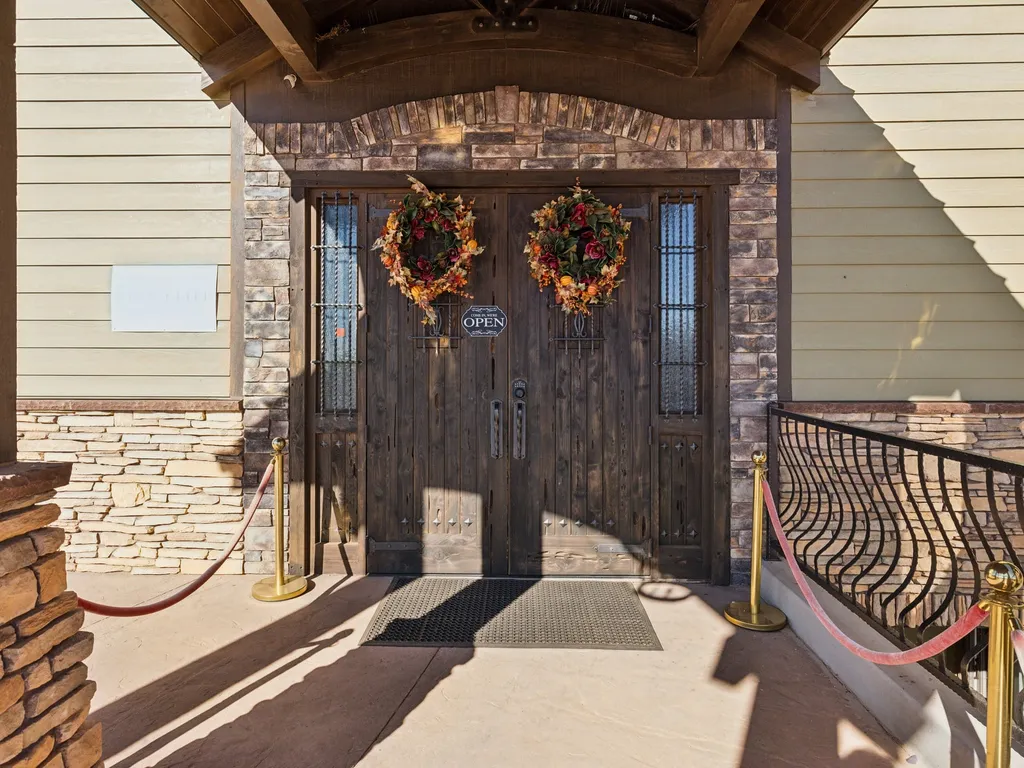
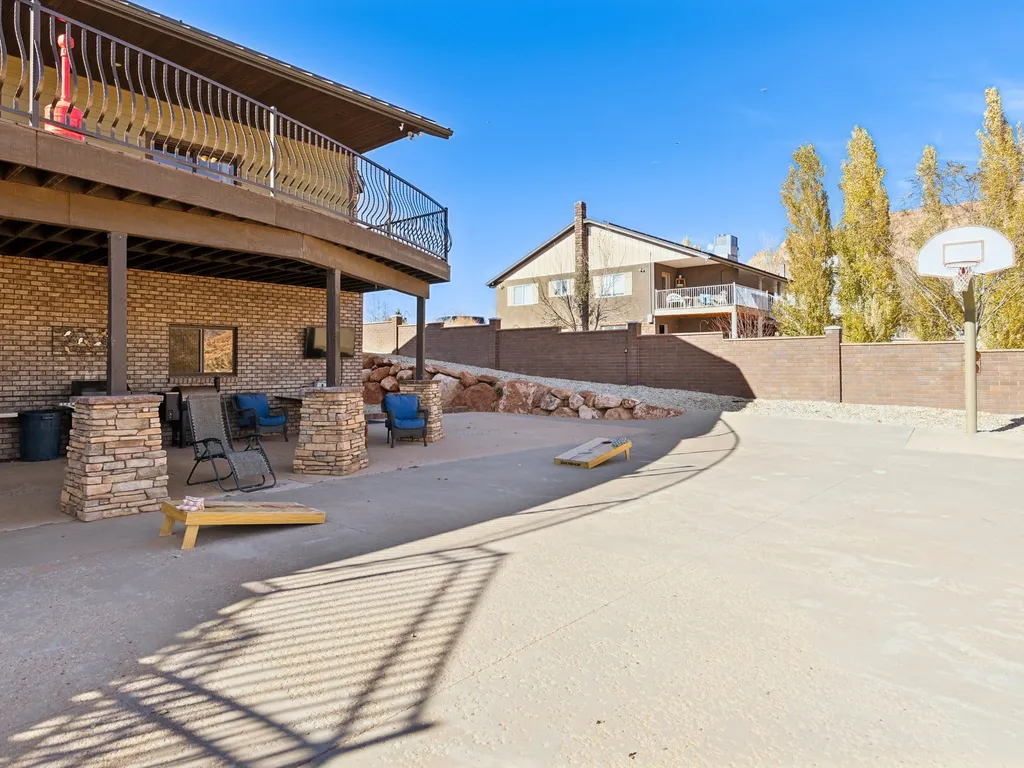
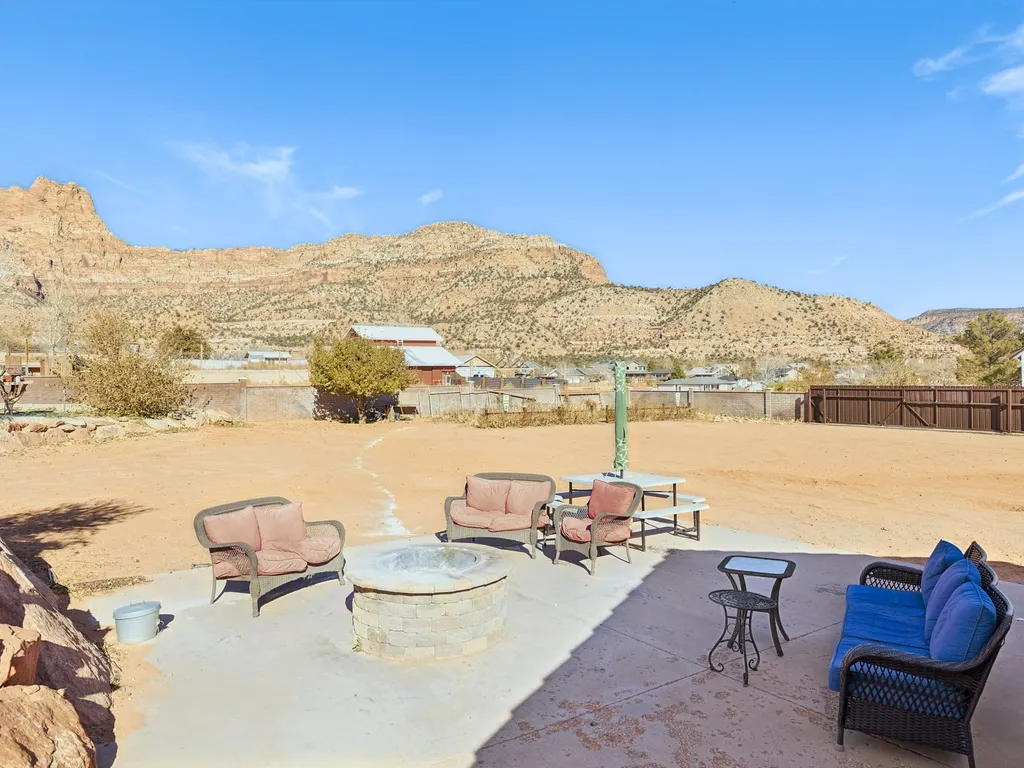
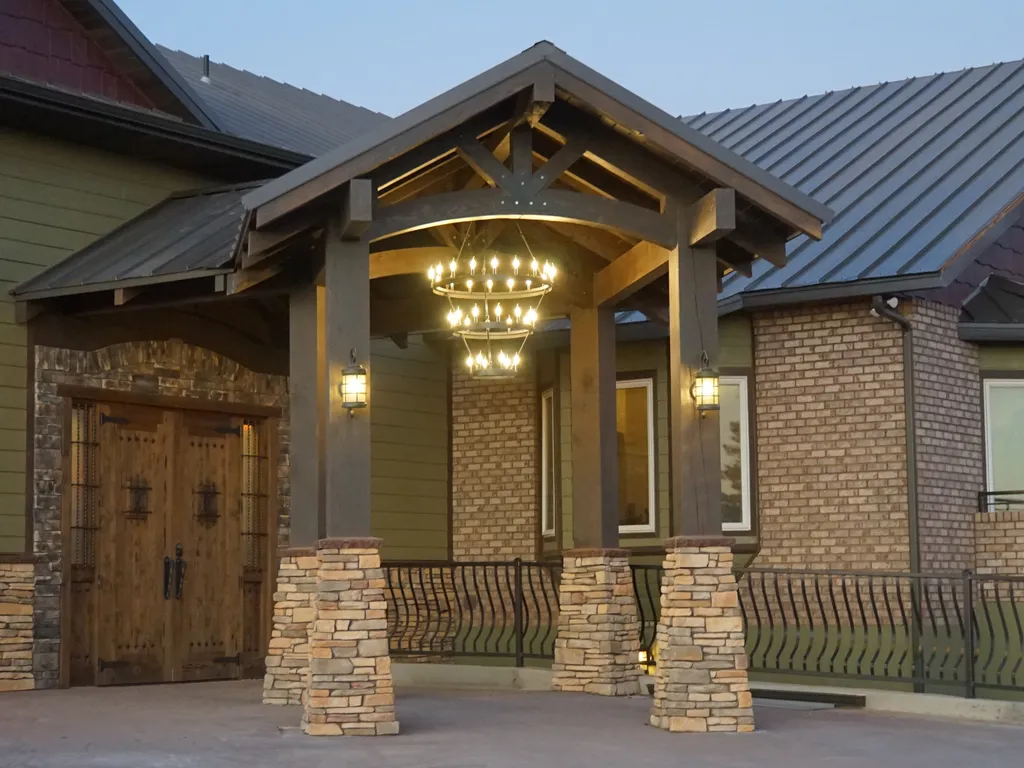
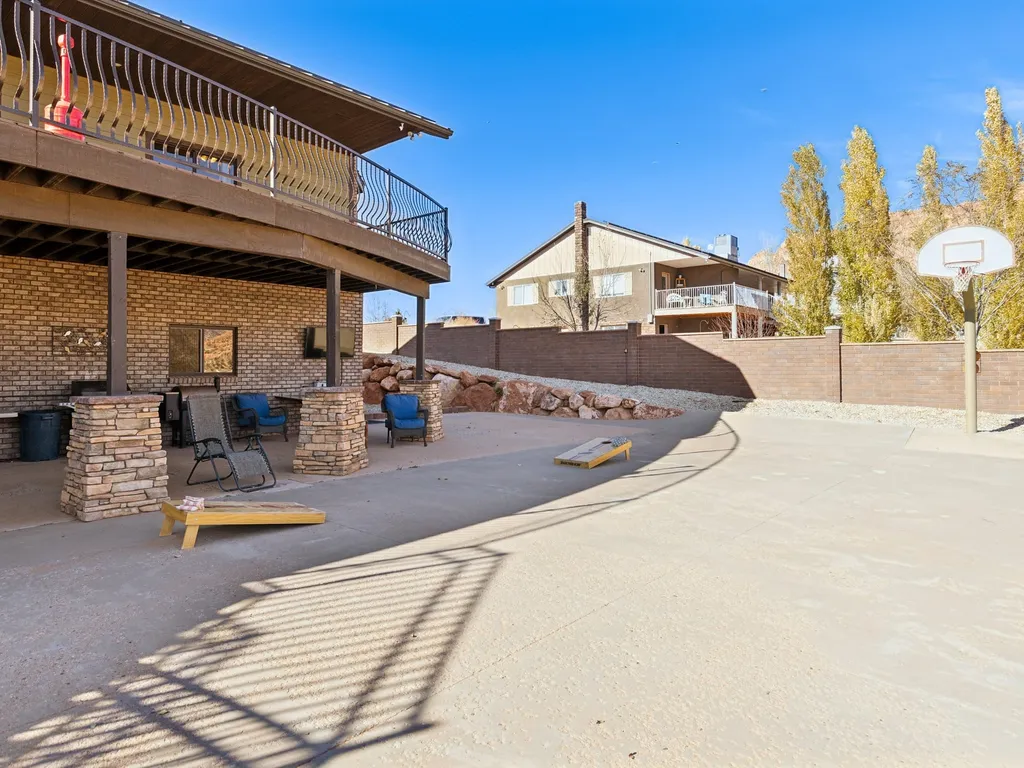
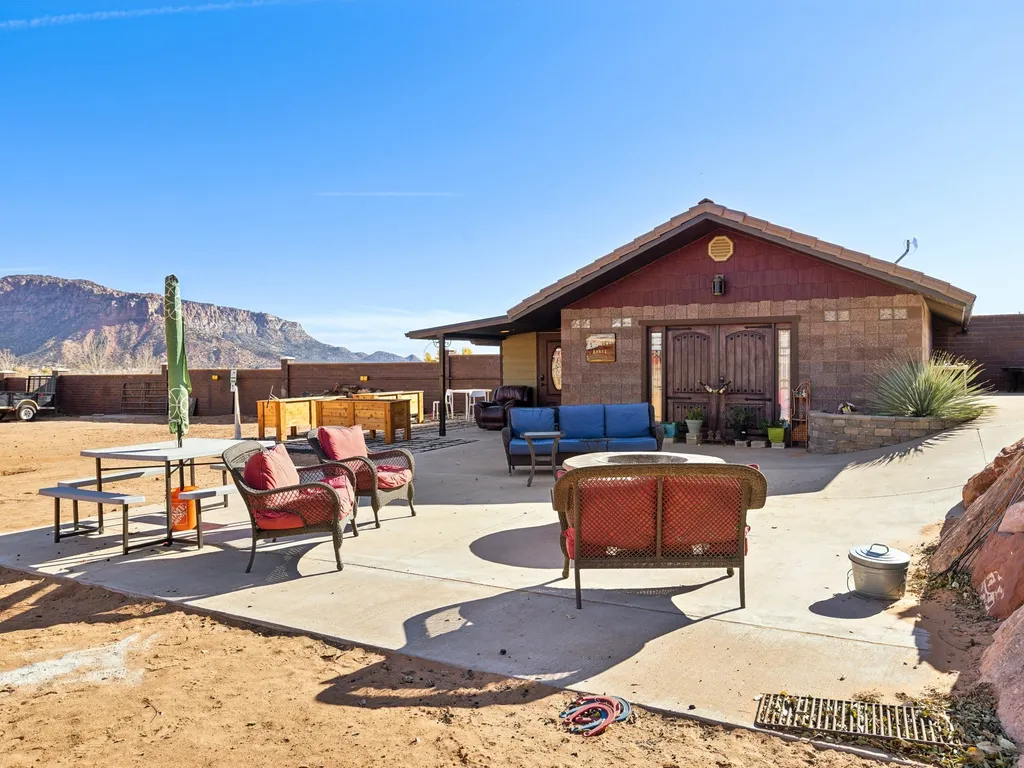
Traveler's Rest- Close to State & Nat'l Parks
- Free Cancellation

The 35,835-acre Utah park whose centerpiece — the Bryce Amphitheater — holds the largest concentration of hoodoos (irregular pillar rock spires) on Earth. Designated a national monument in 1923 and a national park in 1928. Sits at 8,000–9,100 feet on the eastern edge of the Paunsaugunt Plateau, directly above the Grand Staircase. Sunrise Point, Sunset Point, Inspiration Point, and Bryce Point — all on the 18-mile Rim Drive — are the iconic vantages. Thor's Hammer is the most photographed individual hoodoo.
Bryce Canyon was named for Mormon pioneer Ebenezer Bryce, who homesteaded below the rim in 1875 and famously called the maze of hoodoos behind his cabin "a hell of a place to lose a cow." President Warren G. Harding designated it Bryce Canyon National Monument in June 1923; Congress upgraded it to a national park in February 1928. The 35,835-acre park is not actually a canyon — it is a series of natural amphitheaters carved into the eastern edge of the Paunsaugunt Plateau by frost-wedging and rain runoff over 60 million years. The Bryce Amphitheater itself is the largest of the dozen amphitheaters, three miles long, a mile wide, and 800 feet deep at its center.
The park's signature feature — the hoodoo — is a thin pillar of softer rock capped by a harder layer that protects it from erosion below. Bryce holds the largest concentration of these formations anywhere on Earth, an estimated 30,000 within the main amphitheater alone. The pink, orange, and red colors come from manganese and iron oxides in the Claron Formation limestone; the colors saturate in raking morning light, which is why dawn at Sunrise Point or Sunset Point (named for the lighting, not the time) is the experience visitors prioritize. Thor's Hammer is the most photographed individual hoodoo — a 25-foot pillar with a flat caprock, visible from Sunset Point and reached on foot via the Navajo Loop Trail in 1.3 miles round-trip.
Plan two to three full days to do Bryce justice. Drive in via Highway 12 — the closest airport is Cedar City Regional (CDC, 90 miles west) or St. George (SGU, 2.5 hours southwest) for limited connections; most visitors fly Salt Lake or Las Vegas (4 hours each) and drive. Stay in Bryce Canyon City just outside the gate (Best Western, Ruby's Inn cluster), Tropic 8 miles east on Highway 12 (cheaper), or in-park at Bryce Canyon Lodge (book 13 months ahead). Sunrise at Sunrise Point and sunset at Sunset Point are the two anchors of every itinerary. The Navajo Loop / Queens Garden Combination (3 miles, 600-ft descent and ascent) is the most-walked under-the-rim trail. Elevations of 8,000–9,100 feet — altitude affects most lowland visitors; pace yourself, hydrate, and the dry air dehydrates twice as fast as you expect.
A short loop through the exhibits, encounters, and shows that make this stop worth a half-day on its own.
A 3-mile-long, 1-mile-wide, 800-foot-deep natural rock amphitheater — the densest concentration of hoodoos on Earth, an estimated 30,000 within its boundaries. Walled by Sunrise Point on the north and Bryce Point on the south. Best photographed at sunrise (Sunrise Point) and sunset (Sunset Point), when the raking light saturates the pink-orange Claron Formation limestone.
The most-photographed hoodoo in the park — a 25-foot pillar topped by a flat caprock, visible from Sunset Point and reachable on foot via the Navajo Loop Trail in 0.7 miles down. The hard dolomitic-limestone cap is what holds the softer column beneath; when the cap finally erodes, Thor's Hammer will collapse. Geologists estimate it has 200–500 years left.
The two rim viewpoints inside the Bryce Amphitheater — quarter-mile apart and the most-visited overlooks in the park. Sunrise Point faces east-southeast for early light; Sunset Point faces west-northwest for late light. Both have ADA-accessible paths; both connect to the Rim Trail, the Navajo Loop, and the Queens Garden Trail. Free shuttle stops at both.
The signature under-the-rim hike — 3 miles round-trip with 600 feet of descent and ascent, 1.5–2 hours moving time. Drops in via the Wall Street section of Navajo (steep switchbacks between 100-foot fluted rock walls), winds among the hoodoos through Queens Garden (the Queen Victoria hoodoo formation), and climbs back to Sunrise Point. Closed seasonally for snow and ice, typically December–March.
The high overlook on Bryce Point's south side — an 8,100-foot vantage looking directly into the Silent City, a tightly-packed maze of 200-foot hoodoos. Three viewing levels (lower, middle, upper) on a paved path. The free shuttle stops here. Sunrise sees the entire Silent City turn pink in 30 seconds, which is why the lot fills 60 minutes before dawn in summer.
Bryce Point sits at 8,294 feet on the southeast rim, the highest of the four named amphitheater overlooks. The Peekaboo Loop (5.5 miles round-trip, 1,500 feet of total elevation change) is the strenuous classic — drops 800 feet from Bryce Point into the amphitheater, loops past the Wall of Windows and the Cathedral hoodoos, climbs back. Heavy horse-train traffic (the only park trail open to commercial trail rides) means manure on the trail; budget 4–5 hours.
The 18-mile Rim Drive runs south from the visitor center to Rainbow Point at 9,115 feet — the highest paved point in the park. Eight named overlooks (Swamp Canyon, Whiteman Bench, Farview Point, Natural Bridge, Agua Canyon, Ponderosa Canyon, Black Birch Canyon, Yovimpa Point) reveal increasingly broader Grand Staircase views. The southern half of Rim Drive is private-vehicle only — the free shuttle does not run past the visitor center area.
Bryce Canyon is an International Dark Sky Park with some of the darkest measured night skies in the lower 48 — Bortle Class 1 in summer, with 7,500 stars visible to the naked eye on a moonless night versus the 2,500-star average. The visitor center hosts ranger-led astronomy programs three nights a week May–September; full-moon hikes (a $1 reservation lottery) draw 100 people each. Bring a red-filter flashlight to preserve dark-adapted vision.
Park gates open 24/7 year-round. Free shuttle bus operates April through October from the visitor center to Inspiration Point and back; the southern half of Rim Drive (Rainbow Point) is private vehicle only. Winter snowstorms close the higher overlooks; the lower amphitheater overlooks remain plowed. Sunrise Point and Sunset Point are the primary winter access points.
Note · Visitor Center hours: 8:00 AM–8:00 PM May–September, 8:00 AM–6:00 PM April and October, 8:00 AM–4:30 PM November–March. Cell coverage non-existent past the visitor center; download offline maps. The 18-mile Rim Drive south to Rainbow Point takes 2 hours round-trip with stops.
Per-person admission. Buy in advance to skip the gate line.
Park entry is free in winter (December–early April) on a few fee-free days. The free shuttle bus runs April–October with stops at Sunrise Point, Sunset Point, Inspiration Point, Bryce Point, and the lodge. The Bryce Canyon Lodge (operated by Forever Resorts) is the only in-park lodging — book 13 months ahead. Ranger-led full-moon hikes ($1 reservation lottery) and astronomy programs run May–September.
Plan your visithome48 mi1 / 27Photo 1 of 27 home50 mi1 / 30Photo 1 of 30
 townhouse50 mi1 / 28Photo 1 of 28
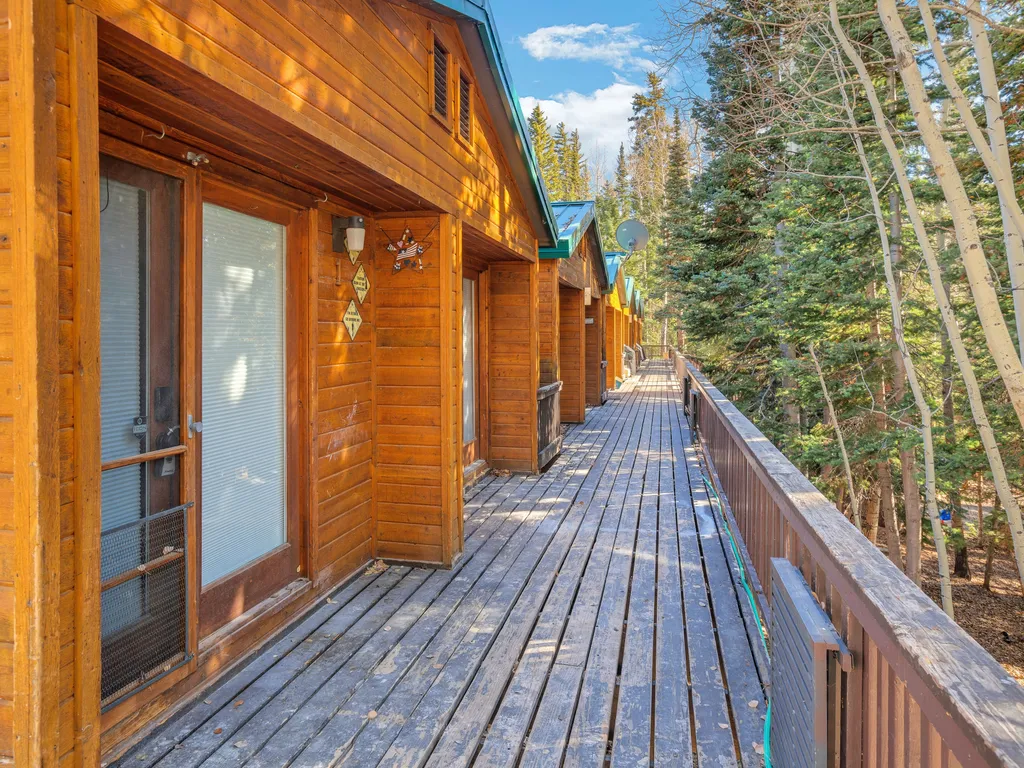 condo51 mi1 / 17Photo 1 of 17
 condo51 mi1 / 13Photo 1 of 13
 condo51 mi1 / 16Photo 1 of 16
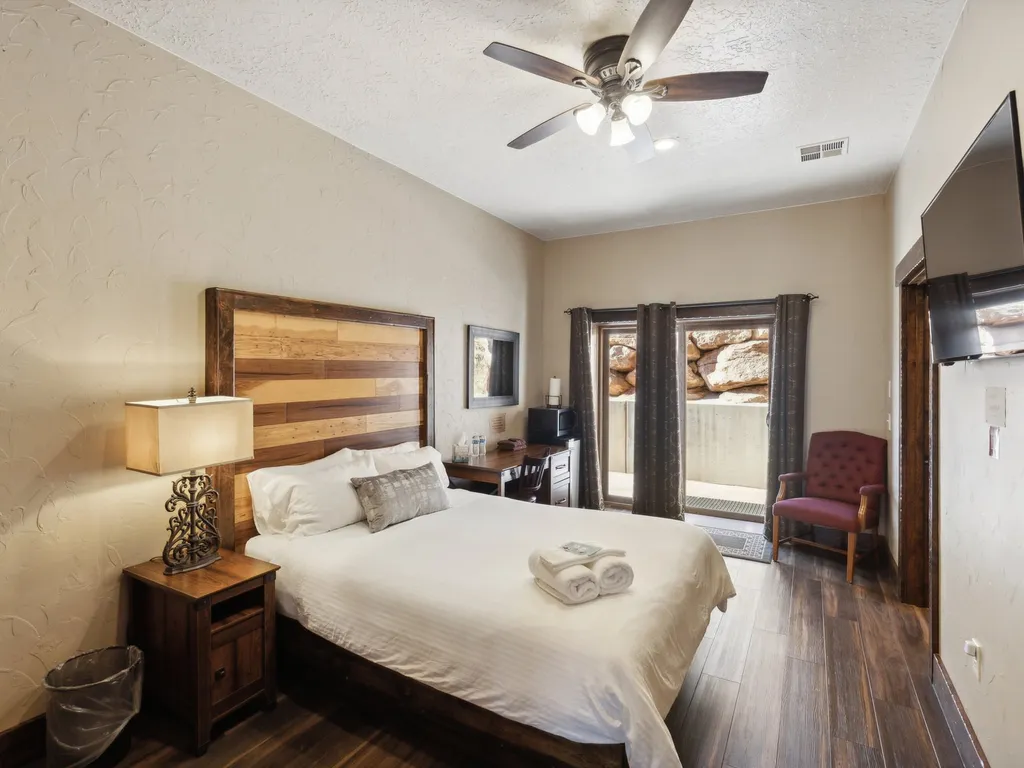 Hotel Room60 mi1 / 53Photo 1 of 53
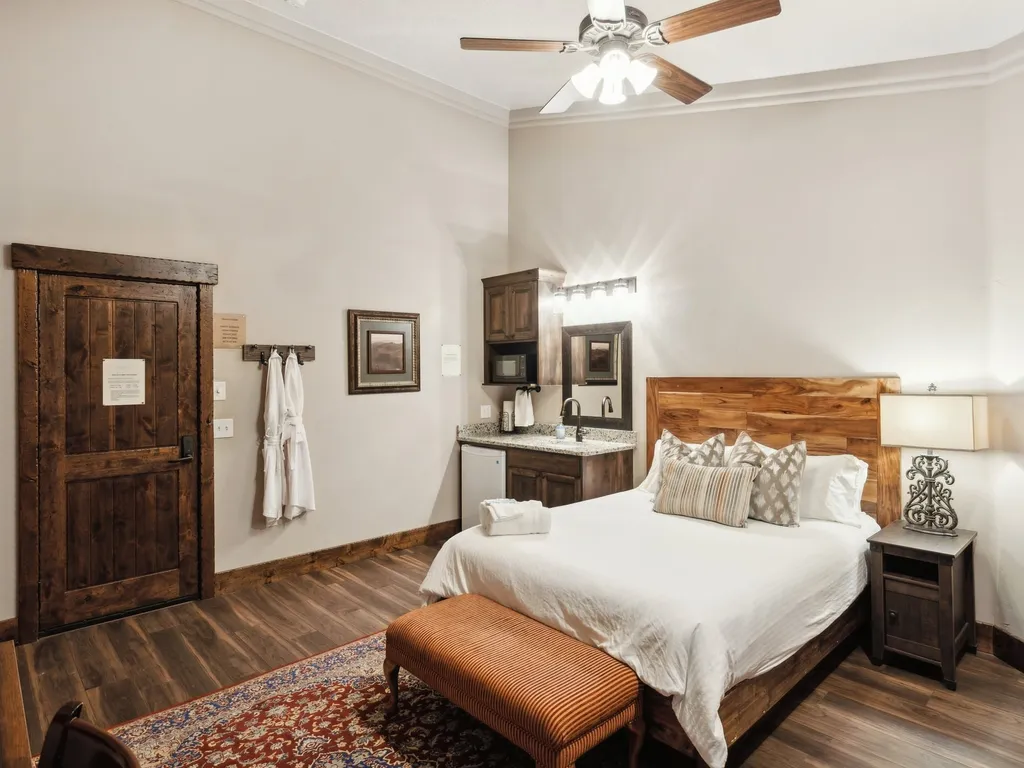 Hotel Room60 mi1 / 52Photo 1 of 52
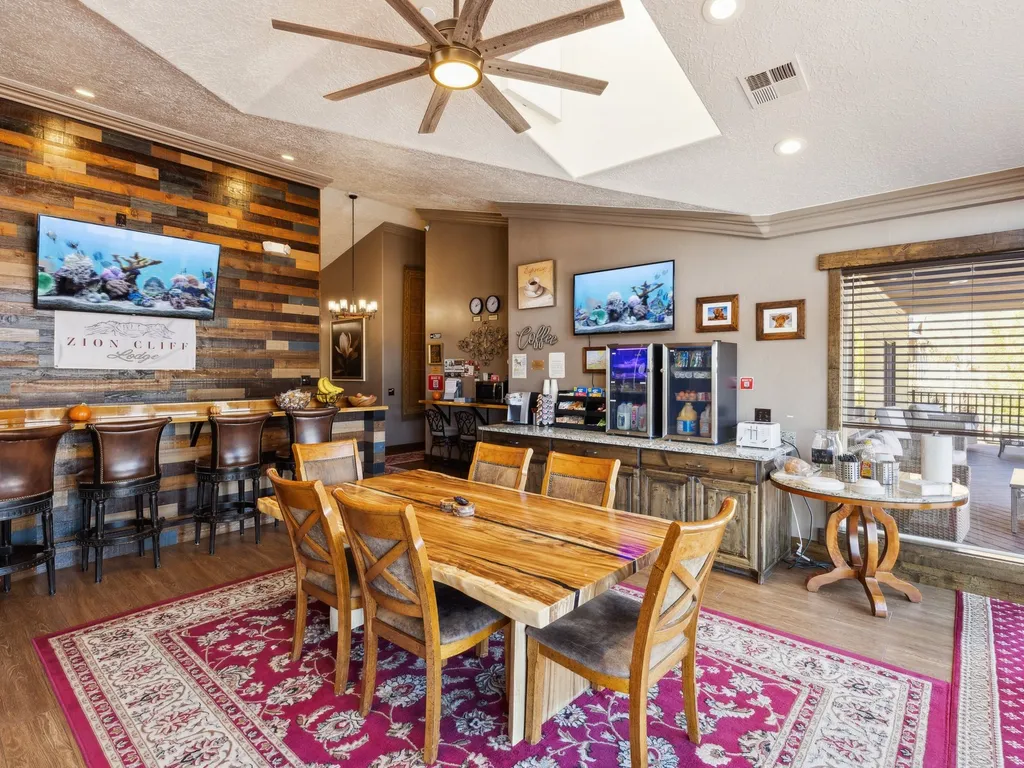 Hotel Room60 mi1 / 52Photo 1 of 52
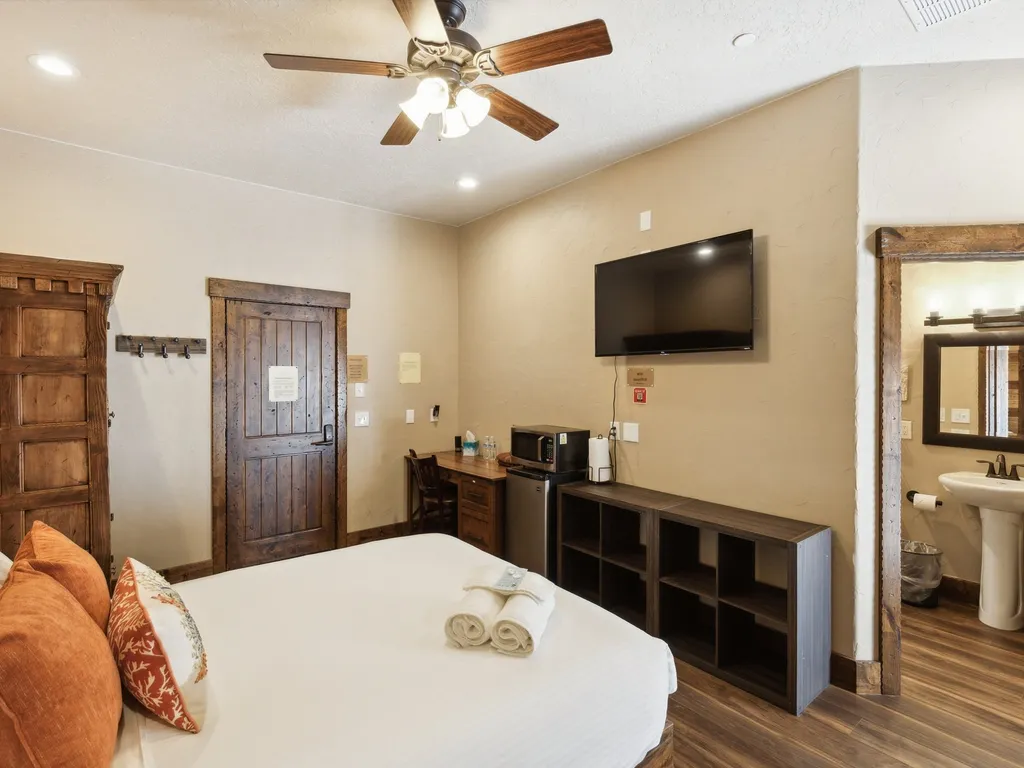 Hotel Room60 mi1 / 50Photo 1 of 50
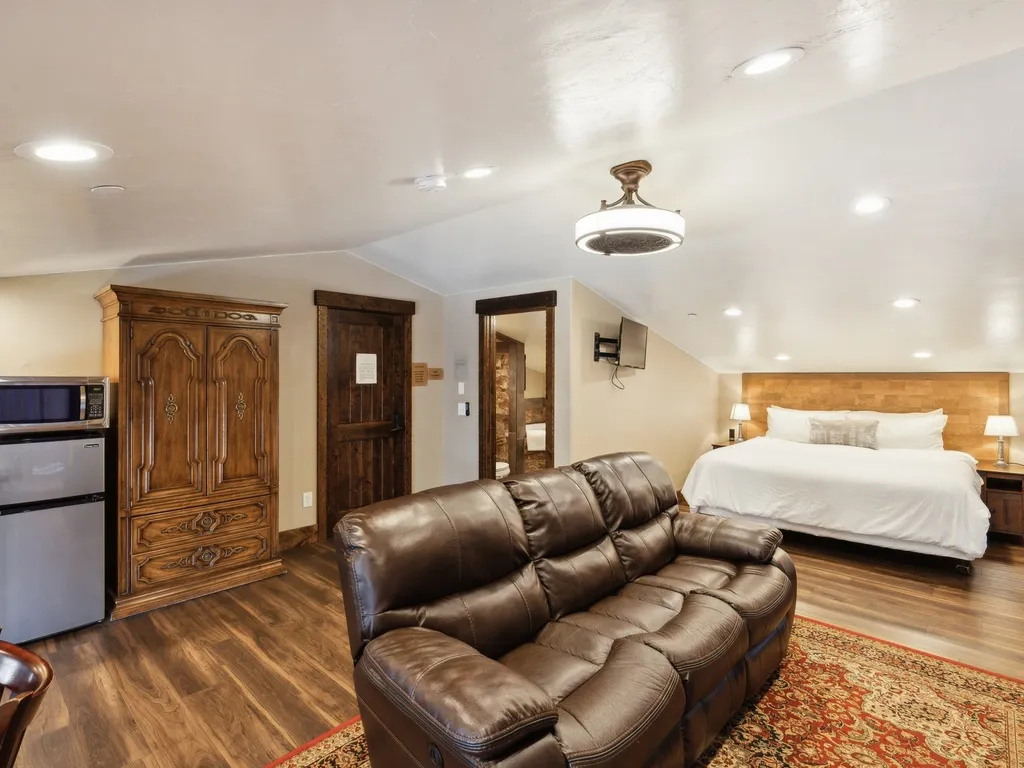 suite60 mi1 / 51Photo 1 of 51
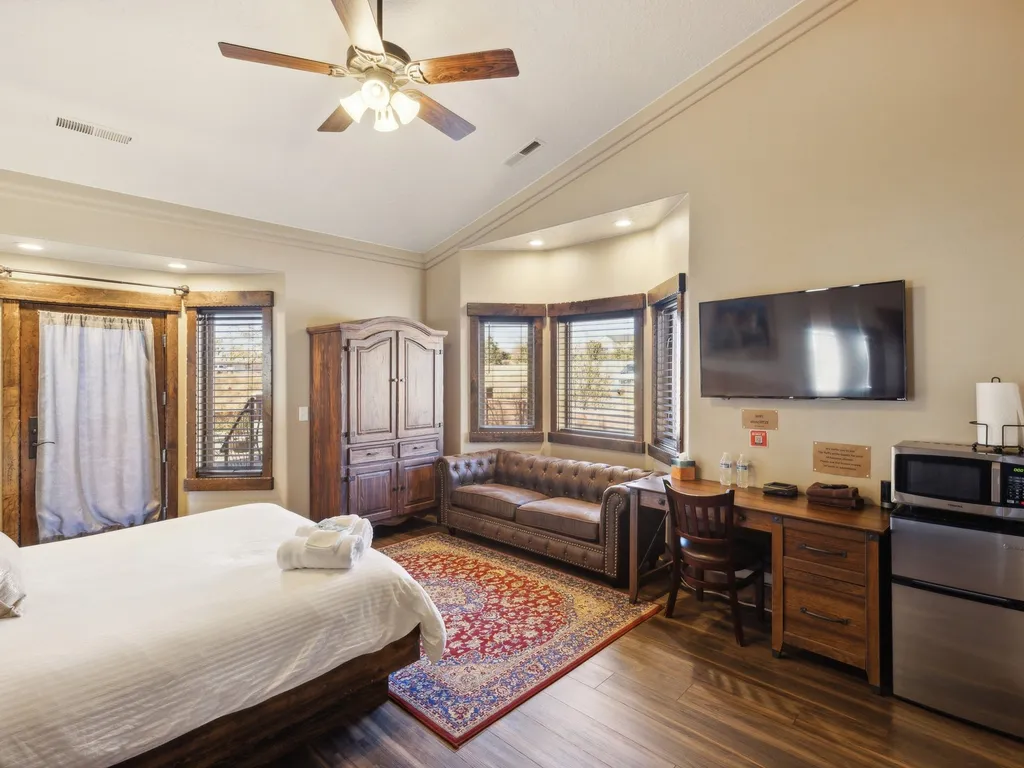 Hotel Room60 mi1 / 52Photo 1 of 52